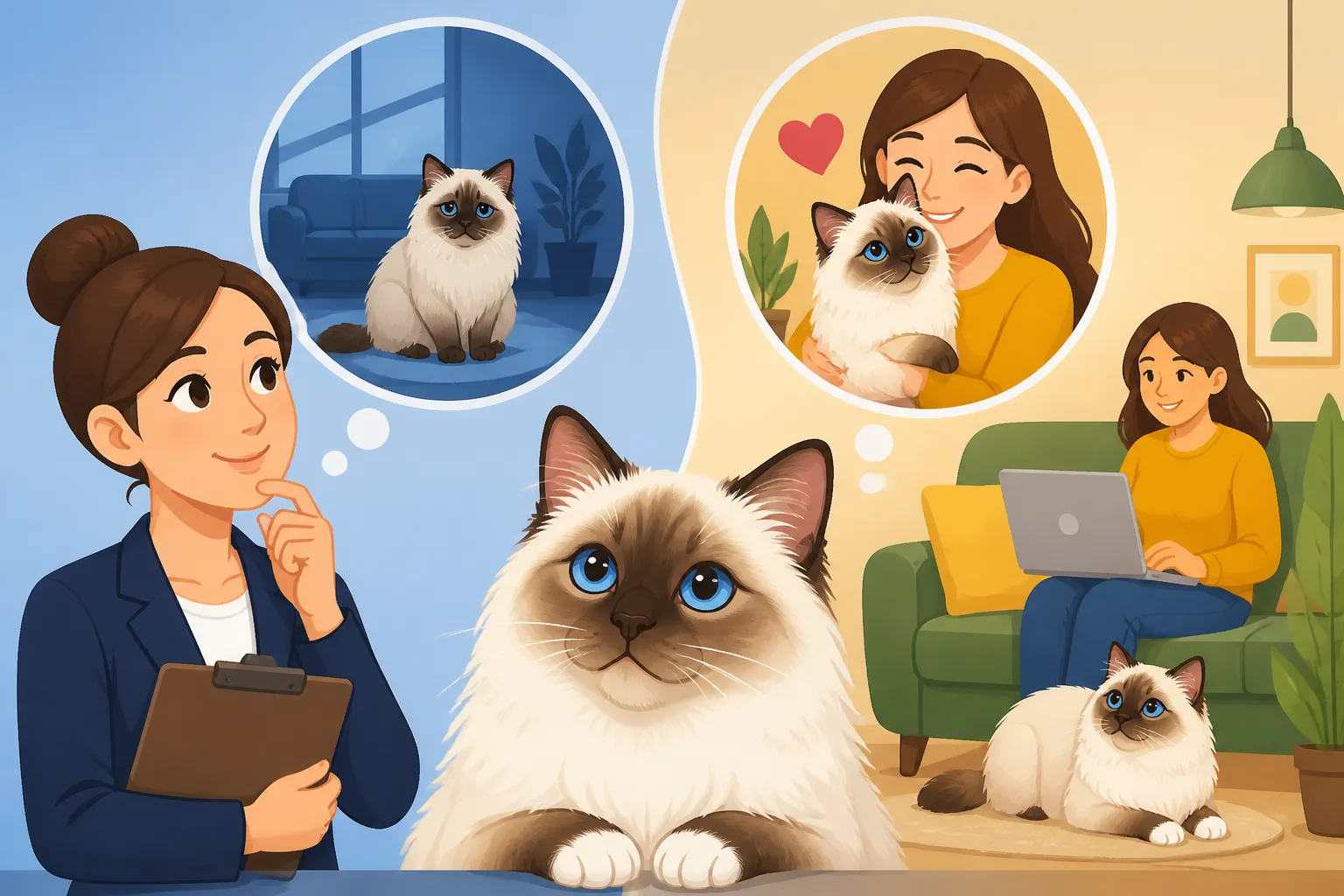
Why a Birman Breeder Asks Whether You Are Home All Day
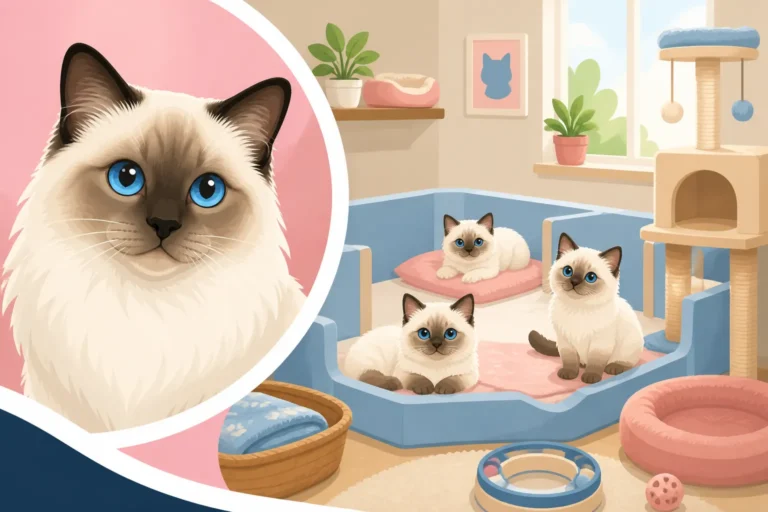
It’s a common scenario: you’re falling head over heels for the gentle, stunning Birman cat, dreaming of those striking blue eyes and silky coat, but then a breeder drops the question – "Are you home all day?" For many, this question can feel like a curveball, almost implying that if you work a typical 9-to-5, you might not be a suitable Birman parent. This guide is here to unravel why Birman breeders put such emphasis on your daily presence, delving into the breed's unique needs, the potential challenges they face when left alone, and practical solutions for providing a fulfilling life for your Birman, even if you’re not always physically present.
The Birman's Innate Need for Companionship
Unlike some of their more aloof feline cousins, the Birman cat isn't just looking for a warm place to sleep and a full food bowl. They are profoundly social creatures, often described as the "dog-like" cat, thriving on interaction and companionship. This isn't just a preference; it's a deeply ingrained part of their personality, something that has been celebrated by owners for generations.
A Breed Designed for Presence, Not Solitude
Imagine coming home to find your Birman waiting patiently at the door, perhaps letting out a soft, trilling chirp of welcome. This isn't just a happy coincidence; it's their nature. Birmans are known for their calm, affectionate, and utterly devoted temperament. They bond deeply with their human companions and prefer to be involved in whatever you're doing, even if it's just quietly observing from a nearby perch. They're not necessarily demanding lap cats, though many will certainly enjoy a snuggle, but they crave proximity. If you've always thought cats were independent creatures content to be left to their own devices, the Birman might surprise you. Their quiet presence is a constant, comforting reminder of their affection. Why a Birman Follows You Without Demanding Anything explores this bond further.
This strong desire for companionship stems from their history and selective breeding, which has consistently favored gentle, people-oriented traits. They aren't the kind of cat that disappears for hours into the mysterious wilds of your linen closet; they want to be where the action is, which, for a Birman, is usually wherever you are. This makes them wonderful companions for individuals or families who are genuinely seeking a cat that integrates into their daily lives rather than just coexists.
Why a Birman Can't Just 'Entertain Itself'
While all cats need stimulation, a Birman's need for social interaction often trumps their need for elaborate toys or complex puzzle feeders, particularly when left alone for long stretches. A Birman might have the most engaging cat tree or a basket full of feathered wands, but if there's no one there to interact with, no human voice to respond to, or no comforting presence nearby, these items often lose their appeal. They're not typically high-energy cats that will race around the house for hours on end, exhausting themselves with solo play. Their play tends to be gentle and often involves their humans.
This isn't to say they don't enjoy toys – they absolutely do, and often have favorite ones they'll carry around. But the joy often comes from engaging with you, not just the toy itself. Think of it like a child who has a room full of toys but still wants their parent to play with them. The toys are great, but the interaction is the real prize. When a breeder asks about your presence, they’re essentially trying to gauge if you understand this fundamental difference in a Birman's needs compared to a more independent breed.
The Subtle Ways a Birman Asks for Attention
One of the most endearing, and sometimes overlooked, aspects of the Birman personality is their subtle communication style. They are notoriously quiet cats. You won't often hear a loud, demanding yowl from a Birman. Instead, their requests for attention are often expressed through gentle nudges, soft trills, or simply by positioning themselves nearby. How a Birman Asks Without Ever Raising Its Voice delves into these quiet cues. A Birman might sit just out of arm's reach, gaze at you with those deep blue eyes, or slowly blink as a sign of trust and affection.
They might follow you from room to room, settling on the floor while you cook, or on the edge of the bath while you soak. This constant, gentle shadowing is their way of being present and connected. If a Birman feels ignored or lonely, these subtle cues might intensify slightly, or, conversely, they might become withdrawn, which can be harder to spot. Understanding these nuanced expressions is key to a happy Birman, and a breeder wants to ensure you're tuned into this gentle language. They're not going to knock over a lamp or shred your curtains to get your attention; they’ll simply fade, and that’s a heartbreak for anyone who loves these cats.
The Risks of Leaving a Birman Alone for Extended Periods
Because of their strong social drive, Birmans can struggle significantly if they are routinely left without companionship for long stretches of time. This isn't about being spoiled; it's about their inherent needs, and neglecting them can lead to both emotional and physical health issues.
Emotional and Behavioral Changes
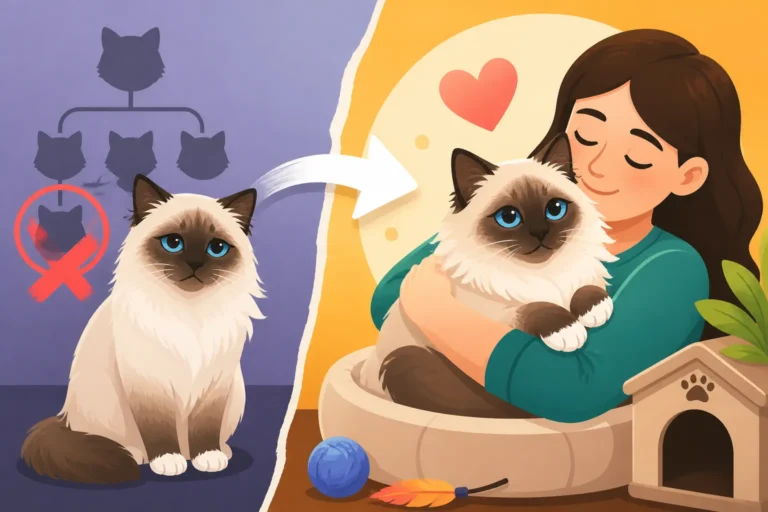
A Birman left alone day after day can develop what we lovingly call "lonely cat syndrome." This isn't a medical diagnosis, but a description of behaviors that arise from a lack of social interaction. You might come home to find a cat that seems less enthusiastic, more withdrawn, or even a bit depressed. They might sleep more, eat less, or become generally listless. This isn't merely boredom; it's a deep-seated unhappiness. In some cases, prolonged loneliness can manifest as anxiety, leading to compulsive behaviors like overgrooming, where they excessively lick or pull at their fur, creating bald spots. What a Lonely Birman Does can give you more insight into these behaviors.
Other signs of stress or unhappiness can include changes in litter box habits, increased hiding, or a general reluctance to engage even when you are home. They might initially greet you but then retreat, almost as if they've learned that your presence is fleeting. Breeders are acutely aware of these potential pitfalls and strive to place their kittens in homes where they will thrive emotionally, not just physically. They know that a lonely Birman isn't a happy Birman, and a cat experiencing chronic stress can be just as unwell as one with a physical ailment.
Physical Health Implications
It might seem dramatic to link emotional well-being to physical health, but for Birmans, the connection is very real. Stress can suppress a cat's immune system, making them more susceptible to common illnesses. A stressed Birman might stop eating properly, or they might eat excessively as a coping mechanism, leading to weight issues. Why a Birman's Appetite Goes First When It Is Unsettled is a stark reminder of this. Digestive upsets are also common in anxious cats.
Furthermore, some Birmans develop urinary issues like Feline Lower Urinary Tract Disease (FLUTD), which can be exacerbated by stress and a reluctance to use the litter box if they're feeling anxious or insecure. While these conditions can have many causes, a persistently lonely or anxious environment is definitely a contributing factor. A breeder's detailed questions about your schedule aren't just about vetting your lifestyle; they're about preventing future health problems and ensuring their beloved kittens have the best chance at a long, healthy life. This proactive approach by breeders is genuinely about the cat's welfare, recognizing that a sound mind contributes to a sound body.
The Breeder's Perspective: Protecting Their Lineage
For a reputable Birman breeder, each kitten is a testament to years of careful planning, genetic screening, and dedicated care. They've poured their heart and soul into ensuring the health and temperament of their line. When a breeder asks if you're home all day, it’s not to judge your career or lifestyle, but to determine if their precious kitten will genuinely flourish in your home. They're looking for signs that you understand the unique needs of the breed and are prepared to meet them.
They've likely heard countless stories of Birmans that became withdrawn, anxious, or even destructive when left alone too much. They want to avoid that outcome for their kittens. By asking about your home life, they're assessing the "fit" – is this a home where a highly social, gentle cat will receive the consistent attention and interaction it needs? They're trying to prevent heartbreaking rehomings or situations where an owner feels overwhelmed because they didn't anticipate the Birman's deep need for company. It's an act of responsibility and love for the breed. Think of it as them doing their due diligence to protect their fuzzy little legacies.
| Birman's Daily Needs (Typical) | Owner Present (Ideal) | Owner Absent (Potential Issues) |
|---|---|---|
| Social Interaction | Consistent presence, gentle interaction, conversation, quiet companionship | Lack of interaction, loneliness, anxiety |
| Play | Interactive play with owner, engagement with toys, gentle retrieving | Solo play less appealing, toys ignored, boredom |
| Feeding | Regular, measured meals, possibly with owner present | Irregular eating, overeating from stress, loss of appetite |
| Environmental Engagement | Observing owner, window watching, exploring home with company | Less engagement with surroundings, lethargy, withdrawal |
| Emotional State | Content, relaxed, affectionate, secure | Stressed, anxious, withdrawn, overgrooming |
How to Provide the Right Environment for Your Birman, Even if You Work
So, what if you don't work from home or have the luxury of being present all day? Does that mean a Birman is out of the question? Not necessarily! There are many ways to create a loving, enriching environment for a Birman, even for busy individuals, and good breeders are open to these solutions as long as they understand you have a plan.
Companion Animals: The Best Solution
For a Birman, another animal companion can often be the best antidote to loneliness. Many breeders will actually suggest or even prefer that Birmans go to homes where there's another cat, or even a calm, cat-friendly dog. Bringing a Second Cat Home to a Birman That Wants One is a common strategy. Birmans are generally very adaptable and get along wonderfully with other pets. A second Birman or another similarly placid breed like a Ragdoll can provide that crucial social interaction when you're not around.
The beauty of a companion animal is that it addresses the core need for presence and interaction in a way that no amount of toys or background noise can. They can play, nap together, groom each other, and simply be together, fulfilling that deep social craving. If you're considering two kittens from the same litter, a breeder will often be thrilled, as they know those kittens already have an established bond. Just ensure any existing pets are temperamentally suited to welcoming a new, gentle feline friend into the household.
Enrichment and Routine: Making Alone Time Bearable
While a companion animal is often ideal, it's not always feasible. In those cases, a structured routine and environmental enrichment become even more critical.
- Consistent Schedule: Cats thrive on routine, and Birmans are no exception. Feed them at the same times each day. Engage in playtime before you leave for work and immediately when you return. This predictability helps reduce anxiety.
- Vertical Space and Cozy Retreats: Provide cat trees, shelves, or cozy beds where your Birman can feel safe and observe their surroundings. While Birmans aren't huge climbers, they appreciate mid-level perches. How Tall a Birman's Cat Tree Should Be can guide you.
- Window Perches: A comfortable window perch where they can watch birds, squirrels, or neighborhood activity can provide hours of passive entertainment. Ensure it's safe and secure.
- Interactive Toys: While not a substitute for human interaction, a selection of rotating interactive toys can help. Puzzle feeders can make mealtime a game, while battery-operated toys can provide occasional movement. Brands like Chewy offer a fantastic selection of these.
- Soft Music or TV: Leaving on a radio at low volume or a cat-specific TV channel can provide comforting background noise and a sense of presence.
Technology and Support: Bridging the Gap
Modern technology and local services offer further ways to ensure your Birman feels cared for, even when you're away.
- Pet Cameras: A pet camera with two-way audio allows you to check in on your Birman, talk to them, and even dispense treats from afar. This can be a huge comfort for both you and your cat.
- Pet Sitters: If you work particularly long hours or have an unpredictable schedule, hiring a reputable pet sitter to visit once or twice a day can be invaluable. They can offer playtime, cuddles, and ensure your Birman gets that much-needed human contact. Why a Sitter in the House Suits a Birman Better is often the preferred choice for Birmans.
- Automatic Feeders and Water Fountains: These ensure your Birman has access to fresh food and water throughout the day, which can be especially helpful if you're delayed coming home. Ensure you still provide wet food for hydration. Services from Chewy can help you find suitable options.
- Quality Nutrition: A healthy, well-fed cat is a happier cat. Consider high-quality food options, ensuring your Birman gets the nutrients they need for a gleaming coat and robust health.
Preparing for Your Birman's Future: Long-Term Considerations
Bringing a Birman into your home is a commitment for life, and their needs will evolve as they grow. A responsible breeder wants to know that you're thinking beyond the cute kitten stage and considering the long haul.
The Slow Maturation of a Birman
Birmans mature slowly, both physically and emotionally. While many cat breeds are considered adults by their first birthday, a Birman can take up to three years to fully grow into their majestic size and develop their full coat. This extended kittenhood means they retain their playful, curious nature for longer, and their need for consistent interaction and guidance doesn't diminish quickly. They're like permanent toddlers, requiring gentle engagement and a stable environment to truly thrive.
This prolonged development also means their personality traits, including their deep social needs, are firmly established over a longer period. Consistent positive interaction during these formative years will build an incredibly strong bond and a well-adjusted adult cat. This is why a breeder emphasizes that "home all day" presence early on – it’s critical for shaping a secure and confident companion.
Ageing Birmans and Their Evolving Needs
As Birmans age, their need for companionship often intensifies, though their mode of expression might change. An older Birman might be less inclined to play vigorously, but they'll crave your quiet presence even more. They might sleep closer to you, perhaps even joining you on the sofa or bed, seeking comfort and warmth. What an Old Birman Sleeps Closer to You beautifully illustrates this. Their eyesight or hearing might diminish slightly, making your predictable routine and comforting voice even more important.
They might also become more vulnerable to health issues like arthritis or kidney disease, common in older cats. Your presence allows you to notice subtle changes in their behavior, appetite, or mobility, prompting earlier veterinary intervention. Ensuring they have easily accessible food, water, and litter boxes, along with soft, warm sleeping spots, becomes paramount. Their quiet demeanor often means they hide illness well, so your attentive eye is crucial. Why a Quiet Birman Is Easy to Misread highlights this particular challenge.
Financial Planning for Companionship
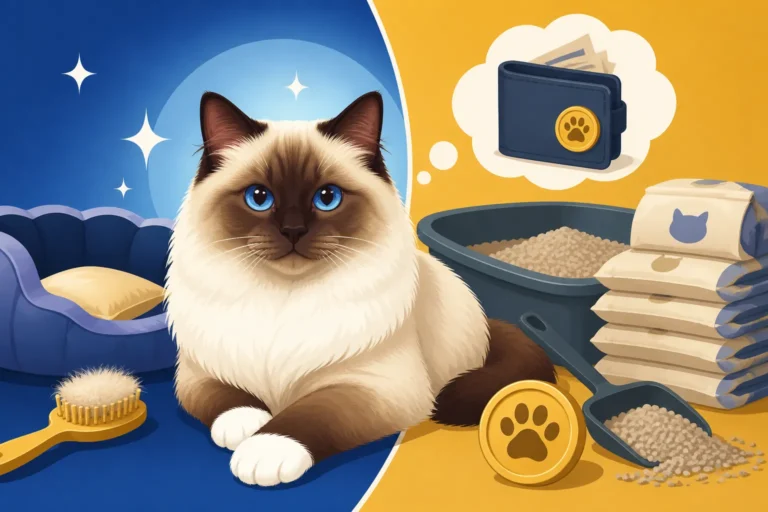
Providing consistent companionship, especially if you work long hours, might come with financial considerations. This isn't just about the initial cost of the kitten.
- Second Pet: If you decide to get a second Birman or another companion animal, you're doubling your food, litter, and veterinary expenses.
- Pet Sitter: A professional pet sitter, while incredibly valuable, will be an ongoing cost. It's wise to factor this into your monthly budget.
- Pet Insurance: Should your Birman experience stress-related health issues or any other illness, comprehensive pet insurance can be a lifesaver. Companies like Healthy Paws offer various plans that can help manage unexpected veterinary bills, giving you peace of mind that you can afford the best care for your beloved companion, regardless of your daily schedule.
A breeder's question about your daily presence isn't an interrogation; it's an invitation to have an honest conversation about how you plan to meet the unique and profound social needs of a Birman cat. When you can articulate a thoughtful plan for companionship, enrichment, and care, you demonstrate that you’re truly ready to welcome one of these magnificent, devoted creatures into your life, ensuring they flourish for all their The Twelve to Sixteen Years a Birman Usually Gets.
Disclaimer
This article is for general informational purposes only and does not constitute professional advice. Laws, prices and regulations vary by location and change over time. Consult a qualified professional for guidance on your specific situation.