Why an Old Birman Sleeps Closer to You
If you've noticed your once-independent Birman, who perhaps preferred a sunbeam in the quietest corner, is now practically glued to your side as they age, you're not imagining things. It's a common, heartwarming shift that can sometimes leave us wondering if something is wrong. This guide will explore the many reasons why our beloved senior Birmans seek more closeness, from natural behavioral changes to physical needs, helping you understand and respond to this beautiful evolution in your feline companion.
Understanding the Natural Shift in an Aging Birman's Behavior
Our Birmans are known for their gentle, affectionate nature throughout their lives, but as they enter their golden years, this inherent trait often manifests in a heightened desire for proximity. It's not just a cute quirk; it's a deeply rooted response to the changes they experience.
The Birman's Lifelong Affection and Its Evolution
Birmans are famously easygoing and deeply devoted, often described as "dog-like" in their loyalty without being overly demanding. From kittenhood, they're typically happy to be in the same room as you, perhaps curled up on a nearby chair or observing from a comfortable distance. They're not usually the type to clamor for constant attention, preferring a quiet companionship.
However, as they mature into senior cats, this gentle affection often evolves. That quiet companionship morphs into a more direct, yet still undemanding, need to be close. It’s as if their lifelong comfort with your presence intensifies, and they seek to reinforce that bond in a more tangible way. You might find them choosing to nap right beside you on the sofa, or following you more consistently from room to room, settling down subtly a few feet away. This isn't a sudden personality change, but rather an amplification of their inherent sweet disposition.
This phenomenon is particularly noticeable in Birmans because of their placid temperament. They’ve always been good at blending into the household rhythm, rarely making a fuss. So, when they start making a point of being closer, it's a significant, albeit subtle, signal. Many Birman owners will tell you that their older cats become even more endearing, truly embracing their role as a comforting presence.
The Comfort and Security of Proximity
Think about how you feel when you’re not quite yourself – a little under the weather, perhaps, or just feeling vulnerable. You likely gravitate towards comfort, warmth, and the people who make you feel safe. Our senior Birmans are no different. As they age, their world can become a little less predictable and a bit more challenging. Their movements might be slower, their senses not as sharp, and their overall resilience diminished.
In this context, your presence becomes a powerful source of comfort and security. Being close to you provides them with an anchor in their changing world. They know you are their provider, their protector, and their warm, safe haven. It’s an instinctual desire to be near the strongest member of the "pride" when feeling vulnerable. This isn't a sign of weakness on their part; it's a testament to the profound trust they place in you. They rely on you, consciously or unconsciously, to keep them safe and comfortable, and proximity is their way of ensuring that safety net is always there.
Reduced Energy and Playfulness
Let's be realistic: a young Birman kitten has boundless energy, darting around, climbing the cat tree (even if they don't always go to the very top), and engaging in playful antics. They explore every nook and cranny, and their curiosity drives them to investigate. But just like us, as Birmans get older, their energy levels naturally decline. The zoomies become less frequent, the leaps less high, and the desire to chase a feather wand for extended periods might wane.
Instead of expending energy on adventurous exploration or vigorous play, an older Birman conserves it. This means they spend more time resting, napping, and simply existing peacefully. If they're going to be resting, where better to do it than near their favorite human? The sofa beside you, the bed at your feet, or even a soft blanket draped over your lap becomes far more appealing than a distant, colder cat tree. They still enjoy interaction, but it's often a more subdued, gentle kind of play that can be enjoyed from the comfort of a close-by perch. They simply don't have the same drive to be constantly active, which naturally leads to more quiet, proximal time. What an Ageing Birman Slows Down From is often this reduction in high-energy activity.
Physical Changes That Encourage Closeness in Older Birmans
Beyond the behavioral shifts, there are very real physical changes that occur in an aging Birman's body, and many of these directly contribute to their increased desire for closeness. It's less about a conscious decision and more about instinctual responses to physiological needs.
Seeking Warmth and Softness
As our Birmans journey through life, their bodies undergo subtle but significant transformations. One of the most common is a reduced ability to regulate their body temperature as efficiently as they once did. Their metabolism might slow down, and even though Birmans have a beautiful, silky single coat, it doesn't offer the same insulation as a double coat. This makes them more susceptible to feeling cold, especially in cooler rooms or during the chillier months.
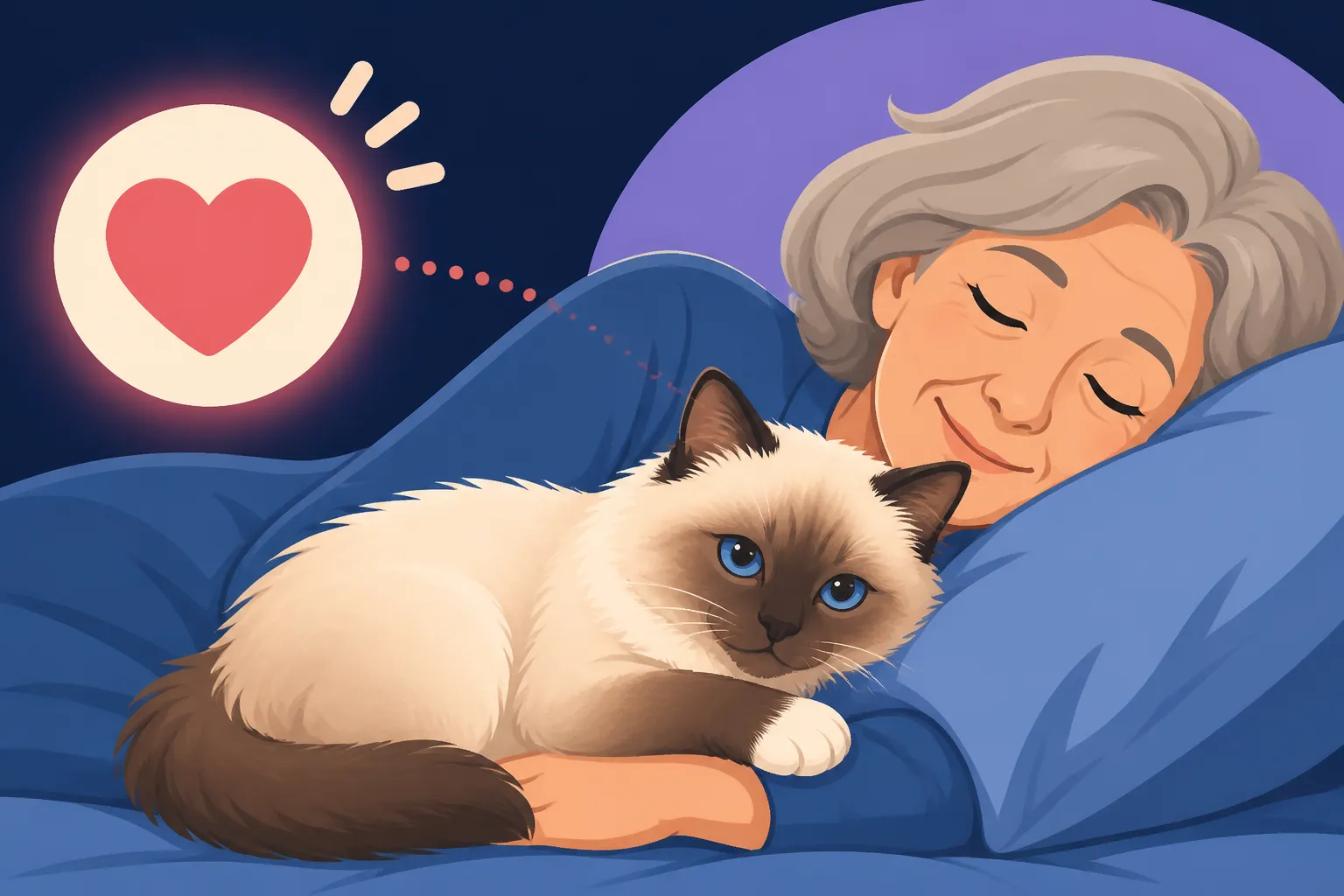
This is where your presence becomes invaluable. Human bodies are natural radiators of warmth. Curling up next to you on the sofa, snuggling into the covers with you, or even just lying close enough to feel your body heat provides a comfortable, natural warmth that they crave. Whether a Heated Bed Is Worth It for a Birman is a question many owners ponder, and often, the answer is yes, precisely because older cats seek out supplemental warmth. Beyond just warmth, the softness of a human lap, a plush blanket, or a comfortable bed shared with you offers a level of comfort that can soothe aching joints and weary muscles, making it an irresistible proposition for an older cat.
Impaired Senses and Increased Vulnerability
Imagine navigating your home, or even a familiar park, with a slight blurring of vision or a dulling of sounds. It would naturally make you feel a little less confident, perhaps a bit more cautious. Our older Birmans often experience similar declines in their sensory perception. Their once piercing blue eyes might not see as sharply in dim light, and their keen hearing might diminish. This isn't a sudden blindness or deafness, but a gradual softening of their ability to perceive the world.
This sensory impairment can lead to a feeling of increased vulnerability. Shadows might appear more menacing, unexpected noises more startling. In response, they seek out the familiar and the safe – and that's you. Being close to you, where they can feel your presence, hear your familiar heartbeat, or perhaps even pick up on your scent, provides immense reassurance. It's a way for them to compensate for their diminished senses, relying on your robust perception of the environment to feel secure. They trust you to be their eyes and ears in a world that might be starting to feel a little overwhelming.
Aches, Pains, and the Need for Comfort
Just like us, older cats can develop aches and pains. Arthritis is incredibly common in senior felines, often manifesting as stiffness, reluctance to jump, or a slower gait. They might have a nagging discomfort that isn't severe enough to cause them to cry out, but it's certainly enough to make them seek relief. How Arthritis Shows in a Birman That Never Jumped Much describes these subtle signs that can easily be missed if you're not paying close attention.
Physical touch can be incredibly soothing for these minor ailments. The gentle pressure of lying against you, or the comforting rhythm of your breathing, can provide a subtle form of pain relief or distraction. Furthermore, a human lap or a soft bed offers a warm, compliant surface that can be less jarring on sore joints than a harder floor or a high perch. They seek out these comfortable spots not just for warmth, but for the inherent physical ease they bring. It's a quiet plea for comfort, and by allowing them to be close, you're providing a vital part of their elder care.
Here’s a quick overview of how to distinguish general aging from signs of discomfort:
| Trait | Normal Aging | Sign of Discomfort/Illness |
|---|---|---|
| Activity Level | Reduced play, more sleeping, slower movements | Refusal to move, hiding, restlessness, agitation |
| Appetite | Consistent, possibly slightly less | Sudden decrease or increase, pickiness |
| Grooming | Still fastidious, might miss hard-to-reach spots | Matted fur, over-grooming one spot, lack of grooming |
| Vocalization | Quieter, soft trills, less frequent meows | Excessive or unusual vocalizations (e.g., yowling) |
| Interaction | Seeks proximity, enjoys gentle petting | Sudden avoidance of touch, aggression when handled |
| Mobility | Slower to jump, careful with stairs | Limping, obvious pain on movement, inability to jump |
| Bathroom Habits | Consistent | Accidents outside the litter box, straining, frequent trips |
The Emotional Bond Deepens with Age
It’s not just about warmth or physical comfort; the emotional landscape of your Birman's life deepens significantly with age, and this plays a huge role in why they draw closer to you. It's a beautiful, reciprocal relationship.
Reinforcing the Established Connection
You and your Birman have a history together. Perhaps you’ve spent The Twelve to Sixteen Years a Birman Usually Gets by their side, witnessing their playful kittenhood, their calm adult years, and now their gentle seniority. Every shared moment, every quiet evening, every gentle pet has woven an intricate tapestry of trust and affection between you. For a breed known for its profound, yet understated, loyalty, this bond is the cornerstone of their well-being.
As Birmans get older, this established connection becomes even more vital. They aren't seeking attention in a boisterous way, but rather reaffirmation of that deep, unwavering link. Their quiet presence next to you is their way of saying, "You are my constant, my safe space, and I cherish our connection." You might notice that Why a Birman Would Rather Be Near You Than On You still holds true; they often prefer to be adjacent, touching or just a breath away, rather than directly on your lap, but the intention to connect is palpable. It's a quiet celebration of all the years you've shared, reinforcing a lifetime of mutual understanding and affection.
Sensing Your Presence and Reassurance
Cats are incredibly perceptive creatures, often more attuned to our moods and presence than we give them credit for. Your Birman, having lived with you for so long, has learned to read your habits, your tone of voice, and even your unspoken cues. As they age, this sensitivity can become even more pronounced. They sense your presence, your routine, and the comforting rhythm of your life.
Being close to you isn't just about what you do for them physically; it's about the emotional reassurance your mere existence provides. Your calm demeanor, your consistent care, and the familiar scent of your home (infused with your scent) all act as a powerful antidote to any anxieties an aging cat might feel. If they're a little wobbly on their feet or a bit confused by a new sound, simply feeling your arm next to them or hearing your soft breathing can calm their nerves. It’s a silent, profound conversation of trust, where your presence alone speaks volumes, affirming that everything is safe and well.
Adapting to Their Changing Needs
As loving pet parents, we naturally adapt our care as our Birmans age. We might notice What an Old Birman Slows Down From First and begin offering more accessible resting spots, more frequent gentle grooming sessions, or simply more quiet time together. This adaptation on our part inadvertently reinforces their desire for closeness. When you spend more time sitting with them, stroking their soft fur, or offering them a comfortable lap, you are teaching them that proximity brings comfort and attention.
This creates a positive feedback loop: they seek closeness, you provide comfort, and they learn that being near you is the best place to be. It’s a beautiful dance of care and trust that strengthens with each passing year. For a cat like the Birman, who thrives on companionship rather than constant stimulation, this gentle, attentive presence is precisely what they need. Why a Birman Needs Company More Than Stimulation is a core truth of the breed, and it only becomes more evident in their senior years as their active play lessens. Your willingness to meet them where they are in their older age fosters an even deeper, more intimate bond.
Practical Ways to Embrace and Support Your Senior Birman's Need for Closeness
Embracing your senior Birman's increased need for closeness is one of the most rewarding aspects of elder pet care. It allows you to provide comfort and strengthen your bond in a very tangible way.
Creating Cozy, Accessible Comfort Zones
Since your older Birman is seeking warmth, softness, and security, creating intentional comfort zones around your home, especially where you spend most of your time, is paramount. Think about their needs from their perspective. A high cat tree they once scaled effortlessly might now be a perilous journey.
- Soft Beds Everywhere: Place plush, orthopedic, or memory foam beds in every room you frequent. This includes next to your favorite armchair, by your bed, in your home office, and even in the kitchen if that's where you linger. Ensure these beds are easily accessible, perhaps on the floor or on a low, sturdy piece of furniture they can step onto without a leap.
- Heated Options: Consider a low-wattage heated bed or a self-heating mat for those chillier spots. These can provide immense comfort for arthritic joints and help them regulate their temperature. Many Birmans adore a little extra warmth, especially as they age.
- Blankets and Cushions: Dedicate specific blankets and cushions on your sofa or bed as "Birman spots." They will quickly learn these are their designated cozy areas, often right next to you. Where a Birman Chooses to Lie in Winter will invariably be the warmest, softest spot near you.
- Ramps and Steps: If your Birman still loves to be on the sofa or bed but struggles to jump, consider adding pet ramps or steps. These can make all the difference in allowing them to maintain their preferred close proximity without risking injury or feeling frustrated.
Gentle Interactions and Affection
An older Birman's interaction style is often different from a younger cat's. They still crave your affection, but it might be expressed and received in a more subdued manner.
- More Petting, Less Vigorous Play: Replace high-energy play sessions with longer, more deliberate petting sessions. Focus on areas they enjoy, like behind the ears, under the chin, or along their back. Watch their body language – a slowly closing eye, a gentle purr, or a relaxed posture tells you they're enjoying it.
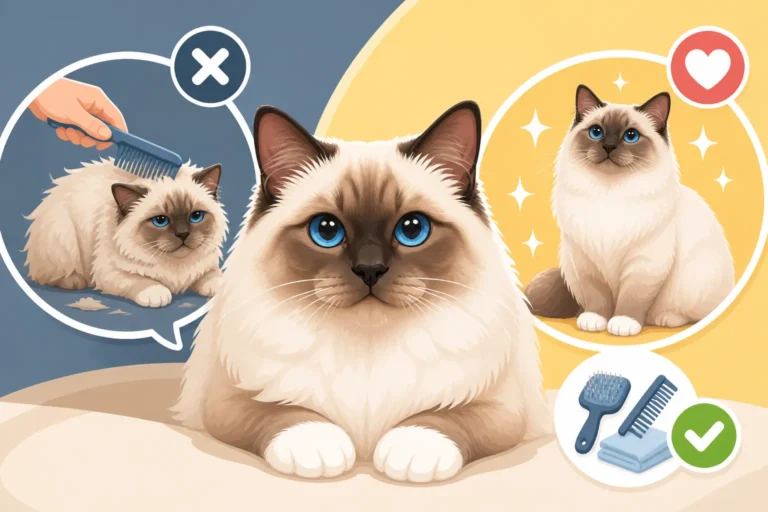
- Soft Brushing: Their beautiful silky coat may still be easy to manage, but an older Birman might not be as flexible to reach all areas. Incorporate gentle brushing into your routine, especially around their ruff and britches. Not only does it help with grooming, but it's also a wonderful bonding experience and a chance for physical touch.
- Respect Their Cues: Pay close attention to their signals. If they turn their head away, twitch their tail, or try to move, it means they've had enough for the moment. Respecting their boundaries is crucial for maintaining trust and making them feel safe in your presence. Why a Quiet Birman Is Easy to Misread means you need to be extra vigilant for these subtle cues. They won't always tell you loudly when they're uncomfortable.
- Verbal Reassurance: Even if their hearing isn't what it used to be, the tone of your voice can be very comforting. Speak to your Birman in soft, loving tones. Let them hear your presence, especially if their vision is declining.
Monitoring Health Through Proximity
The increased closeness of an aging Birman offers a unique opportunity to monitor their health more closely. Because they are often right next to you, you can observe changes that might otherwise go unnoticed.
- Subtle Changes: Keep an eye out for any changes in their breathing, coat condition, or general demeanor. Are they suddenly reluctant to be touched in a certain spot? Is their purr weaker than usual? Is their weight fluctuating? How to Tell a Quiet Birman From an Unwell One can be challenging, but proximity makes it easier.
- Regular Checks: While petting, gently feel along their body for any lumps, bumps, or areas of tenderness. Observe their paws for overgrown claws or signs of irritation. Notice if their eyes are clear or if there’s any discharge.
- Appetite and Water Intake: Because they're often near you, you can more easily gauge their interest in food and water. Are they eating less? Drinking more? These subtle shifts can be early indicators of underlying health issues, such as kidney problems or hyperthyroidism, both common in older cats.
- Veterinary Visits: While this increased closeness allows for better home monitoring, it's not a substitute for regular veterinary check-ups. Even if your Birman seems perfectly content lying by your side, routine vet visits become even more critical as they age to catch issues early. Discuss any observations you've made with your vet. What a Birman Stops Doing Once It Passes Ten can sometimes be an early indicator of issues that need veterinary attention.
Embracing this new phase with your senior Birman is about appreciating their enduring affection and providing them with the quiet, reassuring comfort they deserve in their twilight years. It’s a testament to the strong bond you’ve built, and a beautiful final chapter in your shared journey.
Disclaimer
This article is for general informational purposes only and does not constitute professional advice. Laws, prices and regulations vary by location and change over time. Consult a qualified professional for guidance on your specific situation.