Why Early Grooming Habits Decide a Birman’s Life
Bringing a new Birman kitten home is a whirlwind of fluffy joy, tiny purrs, and endless cuddles. But amidst all that adoration, it's easy to overlook one of the most foundational aspects of their long-term well-being: establishing positive grooming habits right from the start. Neglecting this early training can lead to a lifetime of stress, discomfort, and even significant health issues for your beloved feline companion. This guide will walk you through why those first few months are so critical for grooming and how to set your Birman up for a lifetime of comfortable care.
The Foundation of a Lifetime: Why Early Grooming Matters So Much for Your Birman
You might think a kitten is too young to worry about grooming, or that its soft, short coat doesn't need much attention yet. This couldn't be further from the truth. The early weeks and months of a Birman's life are a prime window for socialization and habit formation, including how they perceive being handled and groomed. What happens during this period largely dictates their willingness to cooperate with necessary care as they grow.
Building Trust and Positive Associations from the Start
Imagine trying to introduce a toothbrush to a fully grown cat that has never had its mouth touched. It's an uphill battle, often met with resistance, fear, and even aggression. Now picture a tiny, curious Birman kitten. Their natural inclination is to explore and adapt. If grooming is introduced gently, consistently, and with plenty of positive reinforcement, they learn to associate these sessions with comfort, affection, and even treats. This early exposure transforms grooming from a potential struggle into a routine, even enjoyable, part of their day.
It's not just about getting the job done; it's about building an unbreakable bond of trust. When your Birman learns that your hands are gentle, that grooming sessions bring pleasant sensations and rewards, they will relax and allow you to perform the necessary care. This trust extends beyond grooming, making veterinary visits, medication administration, and general handling far less stressful for everyone involved. A placid Birman is often easier to handle, but don't let their calm nature fool you into thinking you can skip the introductions. They need to learn to accept handling as much as any other cat.
Preventing Matting and Skin Issues Before They Begin
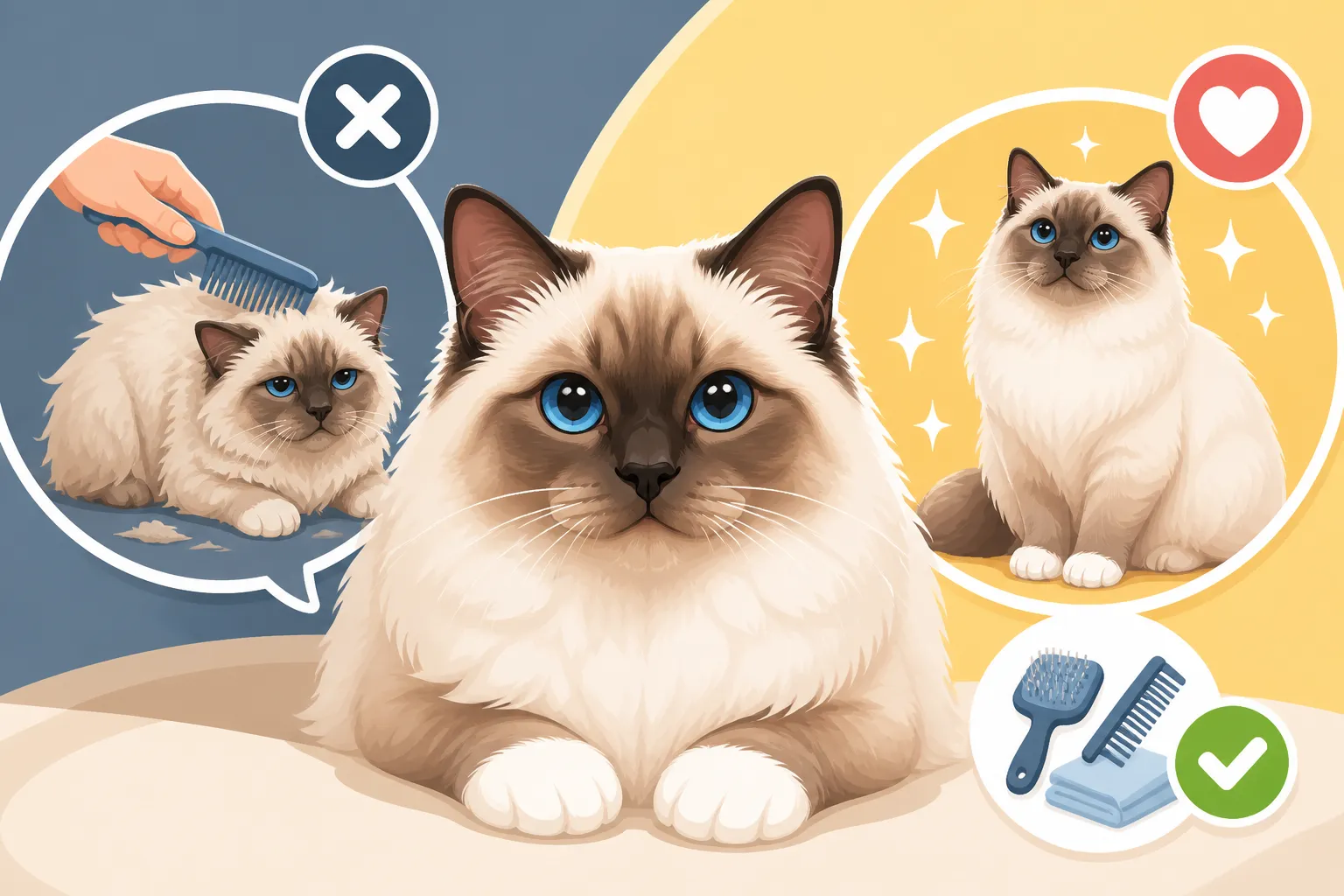
The Birman's stunning, silky coat, while lacking a dense undercoat, is still long and prone to tangles if not regularly maintained. While a kitten's coat is generally shorter and less likely to mat, starting a combing routine early teaches them to accept the sensation of a brush or comb gliding through their fur. This is crucial because as they mature, their coat will grow longer and thicker, especially their magnificent ruff and britches. If they haven't learned to tolerate combing by then, tackling mats can become a painful and traumatic experience.
Early grooming also allows you to regularly inspect their skin. You can catch minor irritations, fleas, or dry patches before they escalate into serious problems. A quick check of their paws, ears, and belly during a relaxed grooming session can become a habit for both of you, leading to prompt detection of any issues. This preventative approach saves you stress, your cat discomfort, and potentially expensive vet bills down the line. Remember, a single coat on a Birman doesn't mean no mats; it just means fewer mats than some other long-haired breeds, and prevention is always better than cure.
Essential Early Grooming Routines for Birman Kittens
Establishing these routines isn't about lengthy, arduous sessions. It's about short, positive interactions that gradually build tolerance and enjoyment. Consistency is far more important than duration in these early days.
Gentle Brushing and Combing Sessions
Begin with very short sessions, just a minute or two, using a soft brush or a wide-toothed metal comb. The goal isn't to get every single strand, but to create a pleasant experience. Stroke their fur gently, always in the direction of hair growth. Pay special attention to areas that will eventually grow longer and are prone to matting, like behind the ears, under the "armpits," and around their britches. Many owners find a fine-toothed metal comb is excellent for getting through the Birman's silky coat without snagging. You can find many suitable options on Amazon, often in sets that include various comb types.
Always follow up with praise, a favorite treat, or a short play session. This positive reinforcement is key. If your kitten shows signs of discomfort, stop, reassure them, and try again later, or shorten the session even more. Never force them or make it a battle. Over time, as they become more comfortable, you can gradually increase the length of the sessions. You'll be surprised how quickly they learn to enjoy it. To learn more about getting your Birman comfortable, read How to Get a Birman Used to a Comb.
Introducing Nail Trims and Ear Checks
Nail trimming might seem daunting, but starting young makes it much easier. Again, short and sweet is the way to go. Hold your kitten gently and press lightly on a paw pad to extend a claw. Clip only the very tip, avoiding the quick (the pink part visible through the nail, which contains blood vessels and nerves). If you're unsure, ask your vet or a professional groomer to show you the first time. Even just holding their paw and gently touching their toes without clipping can be a good first step. Reward immediately. Regular, gentle handling of their paws will make future trims a breeze and keep their white "gloves" looking pristine. Trimming the Claws Inside a Birman's White Gloves is a great resource to help you with this specific task.
Ear checks are also vital. Simply lift their ear flap and take a quick peek inside. You're looking for cleanliness, a lack of redness, and no foul odor. If their ears look dirty or irritated, consult your vet. Just like with paws, early gentle handling of their ears makes future inspections or cleaning much easier. Remember, you can check for concerns without ever needing to insert anything into their ear canal yourself.
The Crucial Role of Dental Care
This is often the most overlooked aspect of kitten grooming, yet it's incredibly important for a Birman's long-term health. Periodontal disease is rampant in adult cats, and Birmans, with their somewhat narrower jaws, can be particularly susceptible to overcrowding and subsequent dental issues. Starting a dental routine early, even if it's just getting your kitten used to having your finger in its mouth, is a game-changer.
Begin by gently rubbing your finger, wrapped in a piece of gauze, along their gums. Once they tolerate this, introduce a finger brush or a very soft, small cat toothbrush with pet-safe toothpaste. There are excellent options for cat toothbrushes and enzymatic toothpastes available on Amazon that are specifically designed to be appealing and effective for felines. Don't worry about brushing every tooth perfectly; focus on the outer surfaces of their teeth, especially the canines and molars. Like all other grooming tasks, keep sessions short and positive, ending with a treat. This early habit can significantly reduce the risk of painful dental extractions and other complications later in life. For a deeper dive into this, check out Introducing a Toothbrush to a Birman Kitten.
| Grooming Task | Frequency (Kitten) | Key Benefit |
|---|---|---|
| Brushing/Combing | 3-4 times a week | Prevents mats, distributes oils, builds trust |
| Nail Trimming | Every 2-4 weeks | Prevents painful overgrown claws, protects furniture |
| Ear Checks | Weekly | Early detection of infections, mites |
| Dental Care | Daily or every other day | Prevents periodontal disease, fresh breath |
| Paw/Rear Checks | Weekly | Keeps white gloves clean, detects irritations |
The Long-Term Benefits of Consistent Grooming
The effort you put into those early grooming habits pays dividends throughout your Birman's entire life, far beyond just a shiny coat. It truly "decides a Birman's life" in terms of comfort, health, and relationship.
Maintaining Coat Health and Preventing Future Problems
A Birman with a beautiful, healthy coat is a joy to behold, but it's also a sign of a well-cared-for cat. Regular combing, especially with a good quality comb like those found on Amazon, helps remove loose hair, preventing hairballs and reducing shedding around your home. More importantly, it prevents mats. Mats are not just unsightly; they can be incredibly painful, pulling on the skin, causing skin infections underneath, and severely restricting movement. A cat that is used to being groomed will tolerate you getting out a knot if one forms, whereas an uncooperative cat might need sedation at the vet for mat removal, which is stressful and costly.
Furthermore, consistent grooming keeps the skin healthy. Brushing stimulates blood circulation and distributes natural oils, which are vital for a lustrous coat. It also allows you to keep an eye on your Birman's white "gloves," ensuring they stay clean and free from discoloration, something Keeping a Birman's White Gloves White can help you with. Without an undercoat, Birmans don't get as many mats as some other breeds, but they still benefit hugely from regular care. Why a Birman's Single Coat Never Developed a Woolly Layer gives more insight into their unique coat structure.
Early Detection of Health Issues
This might be the most crucial, yet often overlooked, long-term benefit of early grooming habits. When your Birman is accustomed to being handled and examined, you naturally become more attuned to their physical condition. During regular grooming sessions, you're running your hands over their entire body. This means you are far more likely to notice:
- Lumps or Bumps: A new lump under the skin, however small, can be detected early, increasing the chances of successful treatment if it's something serious.
- Skin Irritations or Lesions: Redness, flakes, scabs, or bald patches can indicate allergies, parasites, or other dermatological problems that need vet attention.
- Weight Changes: Feeling their ribs and spine during grooming can give you an early warning if your cat is gaining or losing weight, even before it becomes visually obvious. This is crucial as a change in weight can be an early indicator of underlying health issues.
- Pain or Discomfort: If your cat suddenly flinches or resists touch in a certain area, it could be a sign of pain from arthritis, an injury, or another medical condition. Why a Placid Birman Hides Pain explains why Birmans are so good at concealing illness, making your proactive checks even more vital.
- Dental Problems: Regular tooth brushing makes you aware of any changes in their mouth, such as red gums, broken teeth, or unusual odors, prompting earlier vet visits.
These early detections can be life-saving. Many conditions are much easier and less expensive to treat when caught in their initial stages. Your hands, trained by consistent grooming, become a powerful diagnostic tool.
Strengthening Your Bond and Reducing Stress for Both of You
Beyond the physical benefits, regular, positive grooming sessions are a wonderful way to deepen the connection with your Birman. It's dedicated one-on-one time where you are focused entirely on them, providing gentle touch and positive attention. Many Birmans come to cherish these moments, even purring through their combing or nail trims.
A cat that is relaxed and cooperative during handling will experience far less stress during routine vet visits, emergency examinations, or when you need to administer medication. Think about the difference between trying to give a pill to a cat that panics when touched versus one that trusts your hands. The reduction in stress for both owner and cat is immeasurable. This bond, built on trust and gentle care, truly lasts a lifetime.
Common Pitfalls and How to Avoid Them
Even with the best intentions, grooming can present challenges. Knowing these pitfalls and how to navigate them can save a lot of frustration.
The Dangers of Neglecting Grooming
The most common pitfall is simply not starting early enough or not being consistent. Life gets busy, and grooming can seem like a low priority when your kitten is healthy and happy. However, skipping sessions, especially in the formative months, can mean that your Birman never truly accepts the process. When mats inevitably form or dental issues arise, you'll be faced with a stressed, resistant cat and a potentially painful situation.
Neglecting grooming also means missing those crucial early signs of health problems. A Birman's luxurious coat can hide a multitude of issues underneath, from skin conditions to changes in body condition. Regular Combing a Birman Three Times a Week is a reasonable schedule that can prevent many problems. If you consistently put it off, you're not just risking a tangled coat; you're risking your cat's health and comfort. Remember, it's easier to maintain a clean coat than to deal with a matted one. For serious mats, even a gentle Birman may need professional help, as detailed in How to Get a Mat Out of a Birman's Coat.
Overcoming Resistance and Fear
Sometimes, despite your best efforts, a kitten might still be resistant or fearful of grooming. This could be due to a previous negative experience (perhaps before you adopted them), sensitivity, or simply a stubborn personality. The key here is patience, persistence, and positive reinforcement.
- Go Slow: If your Birman resists, scale back. Just one gentle stroke with a comb, then a treat. Build up very gradually.
- Choose the Right Tools: Ensure your comb or brush isn't pulling or scratching. A good quality, comfortable tool from a reputable brand like those found on Amazon can make a huge difference. Which Comb Gets Through a Birman's Ruff Without Pulling provides excellent guidance.
- Timing is Everything: Choose a time when your cat is relaxed, perhaps after a meal or a good play session when they're sleepy. Avoid trying to groom them when they're energetic or stressed.
- Distraction: Sometimes a lickable treat or a favorite toy can distract them long enough for a quick brush or nail clip.
- Professional Help: If you're truly struggling, don't hesitate to consult your veterinarian or a professional cat groomer. They can offer tips, demonstrate techniques, or even help with the initial desensitization process. They might also be able to diagnose if underlying pain is causing the resistance.
Never punish your Birman for resisting. This will only reinforce negative associations and make future grooming even harder. Your goal is always to make grooming a calm, positive, and stress-free experience for both of you. By instilling these habits early, you are truly giving your Birman the gift of a comfortable, healthy, and happy life by your side.
Disclaimer
This article is for general informational purposes only and does not constitute professional advice. Laws, prices and regulations vary by location and change over time. Consult a qualified professional for guidance on your specific situation.