Why a Birman Breeder Holds Back the Best Marked Kitten
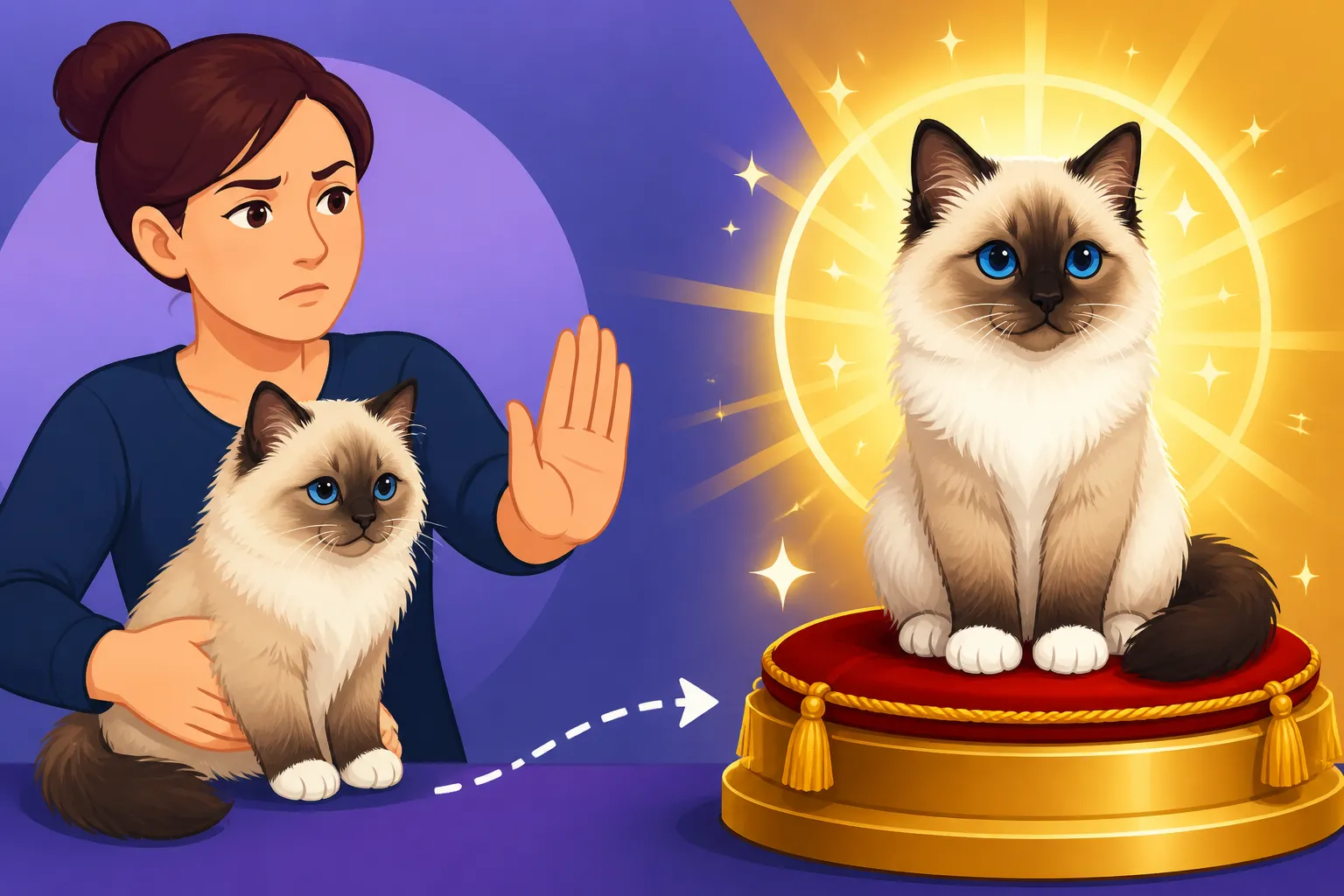
It's completely understandable to wonder why a Birman breeder might hold back certain kittens from a litter, especially when you've fallen in love with a picture of a perfectly marked little floof. You might be thinking, "Just tell me the price, I'll take him!" But a responsible breeder isn't just selling pets; they're safeguarding a legacy, and that often means making careful decisions about which kittens go where. This guide will walk you through the fascinating reasons behind a Birman breeder's choice to retain specific kittens, often the ones they deem "best marked," shedding light on the dedication and discernment involved in ethical Birman breeding.
The Nuance of "Best Marked" in the Birman World
When a Birman breeder talks about a "best marked" kitten, they aren't just referring to cuteness (though, let's be honest, they're all adorable!). They're talking about how closely a kitten adheres to the breed standard set by feline registries. This standard is a blueprint for the ideal Birman, covering everything from head shape and eye color to, crucially, the distinctive white "gloves" and "laces" on their paws. Achieving these markings perfectly is incredibly challenging, and spotting a kitten that comes close is a significant event for a breeder.
What the Breed Standard Demands: Gloves and Laces
The hallmark of the Birman cat, what truly sets them apart from other pointed longhairs, are their pristine white paws. These aren't just random white socks; they have very specific requirements. The front paws should have symmetrical white "gloves" ending in an even line, ideally at the articulation or bend of the paw. They shouldn't extend too high up the leg, nor should they be mere tips. It's a delicate balance. What a Birman's Front Gloves Should Look Like
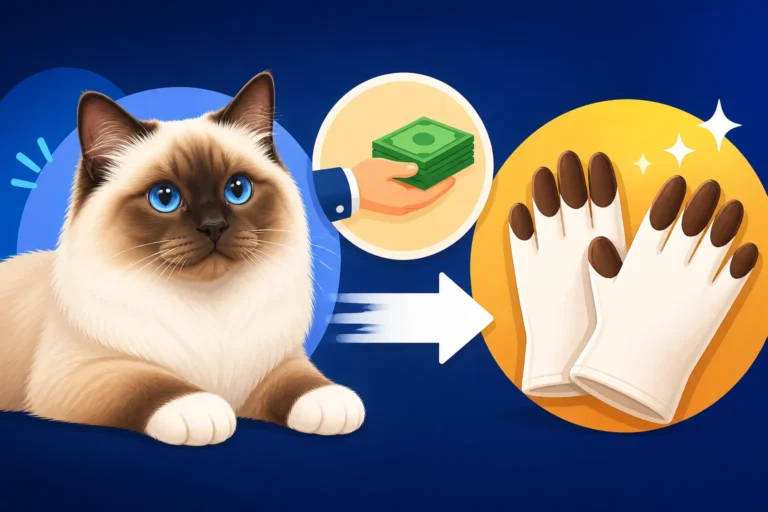
Then we move to the back paws, which are even more complex. Here, the white not only forms gloves but also extends up the back of the leg into what are called "laces." These laces should be symmetrical, well-defined, and ideally end in a point or an inverted "V" shape, stopping at the hock or slightly above it. They should not wrap around the entire leg, forming gauntlets, nor should they be entirely absent. The precision required to breed kittens consistently with these markings is immense. What Laces and Gauntlets Mean on a Birman's Price Tag A kitten born with four perfectly gloved and laced paws is a rare jewel, a testament to years of careful breeding and a bit of genetic luck.
The Unpredictable Canvas of Genetics
You might assume that if you breed two perfectly marked Birmans, you'll get a litter of equally perfect offspring. Oh, if only it were that simple! Birman genetics, especially concerning the gloving, are far more intricate than that. While every Birman carries two copies of the gloving gene, the expression of these white markings is influenced by a multitude of other genes, often referred to as "modifier genes." These modifiers can dictate the height, symmetry, and overall appearance of the gloves and laces. How the Gloving Gene Works in a Birman
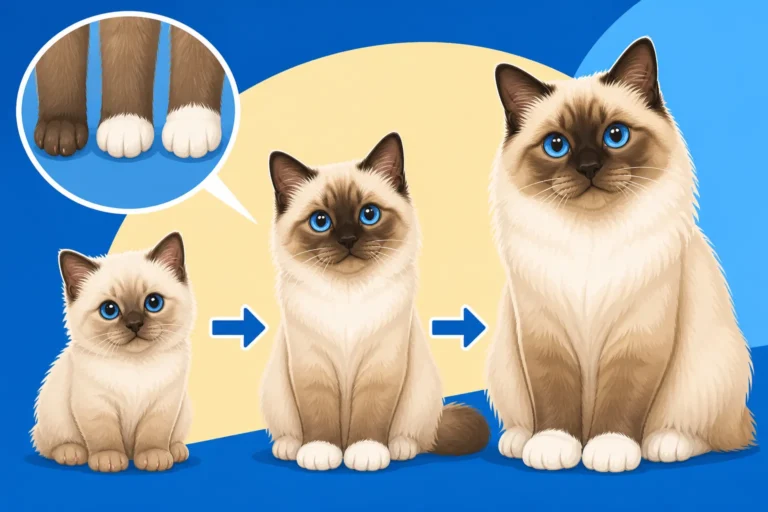
This means that even within the same litter, you can see a huge variation. One kitten might have stunning, show-quality gloves and laces, while a sibling might have a "mismark" – perhaps uneven gloves, white creeping too high, or laces that are too short or too long. Breeders often refer to this as the "gloving lottery." A kitten is born pure white, and their points and gloves develop over weeks. How a Birman Kitten's Gloves Change as It Grows It's a waiting game, and even at eight to twelve weeks, when a breeder typically evaluates kittens for placement, they're making a calculated prediction based on their experience and the kitten's lineage. This genetic variability is precisely why "holding back" a truly exceptional kitten is so important; they are not easily replicated.
The Breeder's Mission: Protecting and Advancing the Birman Breed
Holding back a kitten isn't about hoarding the "best" ones; it's a critical part of responsible breeding, driven by a deep commitment to the Birman breed itself. Ethical breeders aren't just running a business; they are custodians of a genetic heritage, working tirelessly to ensure the health, temperament, and appearance of future generations.
Safeguarding the Birman Breed Standard
The primary reason a breeder will hold back a "best marked" kitten is its potential to contribute positively to the breed's future. This kitten might represent years of careful selective breeding coming to fruition – combining desirable traits from both parents in an almost ideal package. If a breeder consistently aims for excellence, they increase the likelihood of producing more well-marked, healthy, and typical Birmans in the future.
This isn't just about pretty paws, either. The breed standard encompasses overall type, including head shape, eye color, coat texture, and body conformation. A truly exceptional kitten will embody these traits along with impeccable markings. By retaining such a kitten, a breeder ensures that these strong genetics and ideal characteristics are passed on, preventing the breed from drifting away from its established standard. What the CFA Birman Standard Weights Most This dedication helps maintain the Birman's unique identity for generations to come.
Identifying Potential Show and Breeding Stock
When a breeder holds back a kitten, it's often because they see "show potential" or "breeding potential." These are the kittens that might excel in the show ring, demonstrating the ideal Birman to judges and the public, thereby promoting the breed. A champion title adds prestige and validates the breeder's efforts in adhering to the standard.
Beyond the show ring, these kittens are assessed for their suitability as future breeding cats. This involves a much deeper look than just markings. The breeder considers the kitten's temperament (Birmans are known for their placid nature), health history of the entire lineage (including test results for genetic conditions like FOXN1 Is the Birman's Own Genetic Disease and HCM in a Birman Has No DNA Test, Only an Echo), and how well their genetics would complement other cats in the breeding program. It’s about building upon strengths and carefully mitigating any potential weaknesses. Sometimes, even a kitten with a slight mismark but an otherwise exemplary pedigree and temperament might be held back if it brings valuable new genetics or strengthens a particular line for future breeding. How Many Litters It Takes to Get a Well Gloved Birman
Managing Demand and Ethical Placement
Because "best marked" kittens are rarer, they are often highly sought after. Responsible breeders usually have waiting lists, sometimes years long, for their kittens. A breeder will generally prioritize placing these exceptional kittens either within their own breeding program or with other reputable, established breeders who share the same ethical values and commitment to the breed. This ensures that the kitten's genetic potential isn't lost or misused in an irresponsible breeding situation.
For pet-only homes, a breeder will often offer kittens with "mismarks" or those that don't quite meet the stringent show standard, but are otherwise perfectly healthy and delightful Birmans. These kittens are still gorgeous and possess the wonderful Birman temperament; they simply don't have the "perfect" white gloves or laces. Why a Mismarked Birman Is a Pet Price Cat The breeder's job is to match the right kitten to the right home, ensuring a lifetime of happiness for both cat and family, regardless of whether it's destined for the show ring or a comfy sofa.
The Journey of a Held-Back Birman Kitten
So, what exactly happens to a Birman kitten that a breeder decides to hold back? It's not a short process, and it involves continued observation, specialized care, and a clear vision for its future role.
Extended Observation and Evaluation
While most pet kittens might go to their new homes around 12 to 16 weeks of age, a kitten held back for show or breeding often stays with the breeder much longer. This extended period allows the breeder to observe the kitten's development more thoroughly. Birman cats mature slowly, often not reaching their full size and coat development until they are three years old. Their point colors deepen, their coat length increases, and their overall conformation continues to develop. How Long a Birman Keeps Adding Coat and Weight
During this time, the breeder closely monitors how the gloves and laces "set." Sometimes, what looked like a promising marking at 12 weeks might shift slightly as the kitten grows. They also assess the kitten's temperament as it interacts with other cats and people, ensuring it has the calm, gentle nature characteristic of the breed. This intensive observation helps confirm whether the kitten truly has the potential the breeder initially saw. It's a significant investment of time and resources.
Show Ring Debut or Strategic Breeding Decisions
If the kitten continues to develop beautifully and meets the breeder's high standards, its journey might take one of two paths: the show ring or directly into a breeding program. For the show ring, the kitten will be carefully prepared, accustomed to travel, and trained to present itself confidently to judges. Success in the show ring validates the breeder's efforts and helps maintain the breed's visibility and reputation.
For breeding, the kitten will undergo comprehensive health testing, including DNA tests for conditions like PKD1 and FOXN1, and regular cardiac screenings (echocardiograms) to check for HCM. Which Tests Belong on a Birman Panel These health clearances are paramount, as an ethical breeder would never knowingly breed a cat that could pass on serious genetic health issues. Only once all health checks are clear and the cat is deemed mature and suitable for breeding will it be introduced into the program.
Pet vs. Show/Breeding Contracts and Responsible Ownership
When a "best marked" kitten is eventually placed outside the original cattery, it's usually under very specific contracts. A pet contract will typically require spaying or neutering by a certain age and may include clauses about returning the cat to the breeder if the owner can no longer care for it. This protects the cat from ending up in a shelter and prevents accidental breeding. A mismarked Birman is often sold on a neuter contract. Why a Mismarked Birman Is Sold on a Neuter Contract
For a kitten sold as breeding or show stock, the contract will be far more detailed, outlining expectations for health testing, breeding practices, show participation, and sometimes even co-ownership agreements. These contracts reflect the significant value and responsibility attached to a cat that carries the potential to influence the breed's future. Reputable breeders will always prioritize the health and welfare of their cats above all else, and this often means that their kittens, regardless of marking, come with comprehensive health guarantees and lifetime support. Providing a healthy, happy life for a Birman might also involve a good pet insurance plan from a company like Healthy Paws to cover any unexpected vet costs.
Ensuring a Loving Home for Every Birman
It's important to remember that every Birman kitten, whether it has perfect show markings or a charming mismark, is a precious life deserving of a loving home. Breeders are dedicated to finding the right match for each kitten's personality and needs. Sometimes, a kitten with “pet quality” markings might have an absolutely stellar temperament that makes it the ideal companion for a family with children, or an older couple. These kittens are often sold at a “pet price” and bring just as much joy and companionship as their show-quality siblings. When it comes to everyday care, a wide range of Birman-appropriate food and supplies is available, including premium nutrition options. The breeder's goal is ultimately to ensure that every kitten thrives in its new environment, regardless of its markings.
Here's a quick overview of how breeders might categorize kittens:
| Trait Category | Pet Quality Birman Kitten | Show/Breeding Quality Birman Kitten |
|---|---|---|
| Glove Markings | May have uneven gloves, high gloves, or missing laces. | Symmetrical, even white gloves on front paws, distinct laces on back. |
| Body Conformation | Good overall health and structure, but not strictly to standard. | Closely adheres to breed standard for size, bone, and muscle. |
| Head Type | Pleasant appearance, but may have minor deviations from ideal. | Ideal "Roman nose," good ear set, strong chin. |
| Eye Color | Beautiful blue, but may not be the deepest sapphire shade. | Deep, vivid sapphire blue, large and expressive. |
| Temperament | Excellent, gentle, and affectionate. | Excellent, gentle, calm, and confident for handling. |
| Price | Generally lower due to markings. | Higher, reflecting potential and rarity of ideal markings. |
| Contract | Usually spay/neuter clause. | May include breeding rights, show requirements, or co-ownership. |
| Placement Time | Typically 12-16 weeks. | Often held longer for evaluation (up to 6 months or more). |
Ultimately, a Birman breeder's decision to hold back a "best marked" kitten is a testament to their passion and responsibility towards the breed. It’s a choice made not for personal gain, but for the betterment and preservation of the beautiful, sacred Birman cat for all future generations. So, next time you see that perfectly marked Birman, remember the thought, care, and dedication that likely went into its very existence.
Disclaimer
This article is for general informational purposes only and does not constitute professional advice. Laws, prices and regulations vary by location and change over time. Consult a qualified professional for guidance on your specific situation.