Why a Birman Deposit Is Paid Before the Gloves Are Final
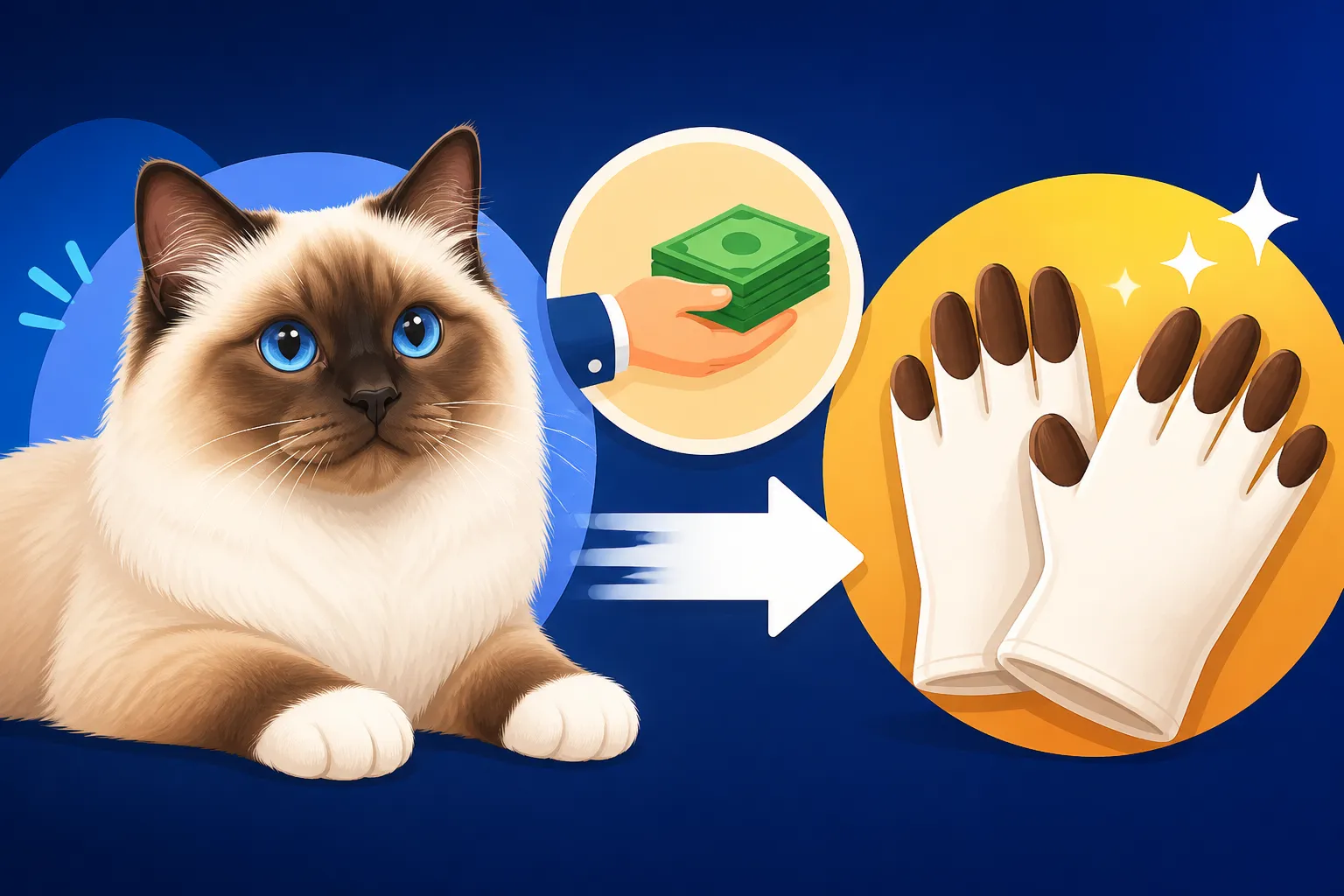
One of the most common anxieties for aspiring Birman cat owners is the moment you fall in love with a tiny, fluffy kitten, still weeks away from coming home, and the breeder asks for a deposit. You look at those little paws, not yet fully developed, and wonder: how can I commit financially before those iconic white gloves are even final? It feels like a leap of faith, and it can be confusing. This guide is here to shed light on why reputable Birman breeders request a deposit before the kitten's unique glove markings are perfectly defined, helping you navigate this exciting, yet sometimes uncertain, part of bringing a Birman into your family.
The Early Days: Why Birman Kittens Are Reserved So Young
It’s completely understandable to feel a bit antsy about committing to a kitten whose signature features aren’t yet fully formed. You’ve probably spent hours poring over pictures of adult Birmans, admiring their striking blue eyes and those pristine white 'gloves' on their paws. So, when a breeder asks for a deposit on a tiny, almost all-white kitten, it can feel counterintuitive. However, there are very good reasons for this practice, deeply rooted in the realities of Birman breeding and the natural development of these magnificent cats.
The Unpredictable Nature of Birman Markings
First off, it's crucial to understand that Birman kittens are not born with their adult coloration or markings. They emerge from the womb almost pure white, and their "points" – the darker coloration on their ears, face, paws, and tail – only begin to develop as they grow and are exposed to cooler temperatures. This process takes weeks, sometimes even months, to fully declare itself. The delicate white gloves are a specific genetic trait that, while present, needs time to manifest clearly and symmetrically.
Even the most experienced breeders can't definitively predict perfect glove markings in a newborn kitten. There's a fascinating interplay of genes, including the core colorpoint gene and several modifier genes, that determine how those white 'gloves' will ultimately appear. It's not a simple switch; it's a nuanced genetic dance. This means that while a breeder can assess a kitten's potential based on its parents' lines and early indicators, they can't offer a 100% guarantee on glove perfection in those first few weeks. It's part of the charming mystery of the breed, but it does mean a certain degree of waiting and watching is involved. For a deeper dive into this, you might find Why Glove Genetics Are Unpredictable in a Birman quite insightful.
Breeder Investment and Planning
Secondly, consider the immense investment a reputable Birman breeder pours into their cattery and each litter. This isn't just a hobby; it's a passion that demands significant time, effort, and financial resources. From ensuring the health of the queen before breeding to providing top-notch veterinary care throughout pregnancy and after birth, the costs add up quickly. This includes high-quality nutrition for the mother, regular vet check-ups, vaccinations, and essential genetic health screenings for both parents to rule out hereditary conditions like HCM and PKD. For instance, testing for issues like FOXN1 and PKD1 alone can be a considerable expense, as detailed in What Testing a Birman for FOXN1 and PKD1 Together Costs.
A deposit serves as a vital commitment from the buyer, helping to offset some of these initial costs and, more importantly, securing the breeder's time and effort dedicated to that specific kitten. It weeds out casual inquiries from serious prospective owners, ensuring that the precious time spent nurturing and socializing the kittens isn't wasted. Breeders are planning months, sometimes years, in advance, and deposits help them manage their breeding programs responsibly.
Managing Demand and Waitlists
Finally, Birmans are a highly sought-after breed, cherished for their gentle temperament, stunning looks, and affectionate nature. Reputable breeders often have extensive waitlists, sometimes spanning months or even a year, for their healthy, well-socialized kittens. People are willing to wait for a Birman from a proven line, knowing they are getting a cat with a solid foundation in health and behavior.
Placing a deposit secures your spot on that waitlist, or for a specific kitten once the breeder deems them available for reservation. Without deposits, managing such demand would be chaotic, and serious buyers might miss out on a kitten they've been waiting for. It’s particularly true for kittens with promising conformation or rare point colors; a deposit ensures that once a kitten is identified as a good match, it's reserved specifically for you. This competitive demand is why Why a Birman Waitlist Is Longer for a Well Marked Kitten is a common topic of discussion in Birman circles.
Understanding the Birman's Unique "Gloves"
The Birman's "gloves" are more than just white paws; they are a defining characteristic, a mark of distinction that sets the breed apart. It's this unique feature that often draws people in, yet it's also the source of much curiosity and, sometimes, concern when it comes to early kitten reservations. Let’s unravel the specifics of these enchanting markings.
What Makes Birman Gloves So Special
The ideal Birman glove, as described in breed standards worldwide, is a marvel of feline genetics. On the front paws, the white should be perfectly symmetrical and stop at an even line, resembling actual gloves. On the back paws, the white extends further up the hocks, forming what are known as "laces" or "gauntlets," which should also be symmetrical and end in a V-shape. This pristine white must be devoid of any colored spots or "smudges." The contrast between the pure white and the rich point color is what gives the Birman its regal, almost ethereal appearance.
Achieving this level of perfection is incredibly difficult, which is why even small deviations can affect a kitten's "show quality" status. It’s a testament to the art and science of selective breeding. While perfect gloves are highly prized in the show ring, it's vital to remember that a Birman with slightly uneven gloves or a minor mismark is still 100% a Birman, with the same loving temperament and beauty. The love and companionship they offer are in no way diminished by a less-than-perfect glove line. For those curious about the specifics, you can explore What a Birman's Front Gloves Should Look Like and Where a Birman's Back Lace Should End.
The Stages of Glove Development
As mentioned, Birman kittens start life as tiny, white fluff balls. Their points – the mask, ears, legs, and tail – begin to darken first, usually within the first few weeks, giving you a hint of their eventual color (seal, blue, chocolate, lilac, etc.). However, the gloves often take longer to fully declare themselves.
Initially, a kitten's paws might appear entirely white, or have only a faint indication of the eventual glove pattern. As the kitten grows and its coat matures, the pigment cells migrate, and the cooler extremities encourage color development. The white 'gloving' gene acts to suppress this color on the paws. This delicate balance means that the final appearance of the gloves, their crispness, symmetry, and length, can evolve over the first three to six months of a kitten's life. A breeder will observe a kitten closely during this period, making an educated assessment around 8-12 weeks, but acknowledging that slight shifts can still occur. It's a continuous process, and sometimes, a kitten that looked promising early on might have a slight imperfection later, and vice-versa. How a Birman Kitten's Gloves Change as It Grows provides more detail on this fascinating transformation.
Show vs. Pet Quality and Pricing
This brings us to the distinction between show quality and pet quality Birmans, which is directly tied to those elusive perfect gloves. A "show quality" Birman kitten is one that the breeder believes closely adheres to the breed standard, particularly in its markings, and has the potential to excel in cat shows. These kittens are rare and command a higher price due to the immense effort and careful breeding that goes into producing them.
A "pet quality" Birman, on the other hand, is a healthy, beautiful cat that might have a minor imperfection in its glove markings – perhaps one glove is slightly higher than the other, or a "lace" on a back paw isn't perfectly V-shaped. These slight deviations do not impact the cat's health, temperament, or its ability to be a wonderful companion. They are simply not ideal for the competitive show ring. Because of this, Why a Mismarked Birman Is a Pet Price Cat is a common scenario. Kittens with more significant mismarks, such as those with "gauntlets" (white extending too far up the leg) that disqualify them from showing, will also be priced as pets. You can learn more about specific faults by looking at Why a Birman With Gauntlets Cannot Be Shown. The deposit, therefore, is placed on a kitten that the breeder anticipates will fall into one of these categories, with the understanding that final pricing might adjust slightly once the gloves are fully assessed closer to pickup.
The Purpose and Implications of a Birman Deposit
Now that we’ve explored why markings aren't final at the time of deposit, let’s delve into the practicalities and implications of placing that all-important commitment. It’s a two-way street, establishing expectations and responsibilities for both you and the breeder.
Securing Your Place and the Breeder's Commitment
A deposit fundamentally serves as a mutual commitment. For you, it secures your place in line for a highly desired Birman kitten, preventing others from claiming the specific kitten you've chosen or ensuring you get a kitten from an upcoming litter. For the breeder, it signifies that you are a serious buyer, invested in the process, and less likely to back out at the last minute. This commitment allows the breeder to plan their cattery operations, allocate resources, and continue providing the best care for your future feline family member without fear of sudden cancellations.
Often, at the time of deposit, you'll be asked to sign a contract. This isn't just paperwork; it's a critical document that outlines everything from the purchase price and health guarantees to spay/neuter agreements (for pet-quality kittens) and what happens if unforeseen circumstances arise. This contract is your safety net and the breeder's, ensuring clarity and transparency in the transaction.
What Happens if the Gloves Aren't "Perfect"
This is a common worry, and it's essential to understand how reputable breeders handle this. If you reserved a kitten with the hope of it being show quality, and as its gloves develop, it becomes clear it's truly pet quality due to a minor marking imperfection, the breeder will typically adjust the final price accordingly. They will communicate this honestly with you, explaining why the classification has changed. You would then pay the pet price, reflecting the cosmetic difference, but still get the healthy, well-socialized Birman you fell in love with.
In some rare cases, if a significant and unexpected marking fault occurs, some breeders might offer to transfer your deposit to a kitten from a future litter if you are truly unhappy, but this is less common for pet homes. It's vital that the contract you sign details these possibilities. Most buyers, especially those looking for a companion, understand that minor mismarks are part of the genetic lottery and cherish their Birman regardless. It’s worth noting that What Happens If Your Birman Kitten's Gloves Come In Wrong is a topic breeders address directly in their contracts to ensure fairness for both parties.
Health First: Beyond the Markings
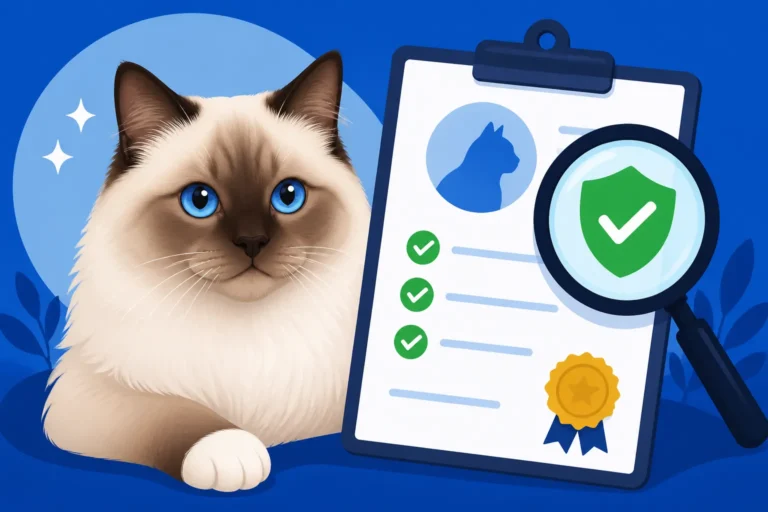
While the beauty of a Birman's gloves is undeniable, it's absolutely crucial to remember that health and temperament should always be the top priorities. A stunningly marked cat with underlying health issues is far less desirable than a healthy, well-adjusted Birman with slightly imperfect gloves. Reputable breeders prioritize the health of their lines above all else. They meticulously screen their breeding cats for hereditary diseases like Hypertrophic Cardiomyopathy (HCM) and Polycystic Kidney Disease (PKD).
You should always ask for proof of these health screenings for both parents before placing a deposit. For instance, understanding What to Ask About a Birman Line's Heart Scans and knowing Why a Birman Breeder Still Tests for PKD are non-negotiable questions. A breeder who is transparent about their health testing and willing to share results is a breeder you can trust. The deposit secures not just a kitten, but a kitten from a carefully managed breeding program focused on genetic health and robust well-being. This commitment to health means you’re more likely to have a long, happy life with your Birman, which is far more valuable than perfectly symmetrical paws.
Navigating the Deposit Process
Placing a deposit for your Birman kitten is a significant step, one that should be approached with careful consideration and thorough research. It’s about building a trusting relationship with your breeder and ensuring you bring home a healthy, happy companion.
Researching and Choosing a Reputable Breeder
This is perhaps the most critical step in the entire process. Before you even think about placing a deposit, you need to do your homework on potential breeders. A reputable breeder will be transparent, knowledgeable, and genuinely passionate about their cats. They will welcome your questions, invite you to visit their cattery (or provide extensive video tours if an in-person visit isn't feasible), and readily provide health testing results for their breeding cats.
Look for breeders who are affiliated with recognized cat registries and breed clubs. They should provide a written contract, a health guarantee, and be available for support throughout your cat's life. Red flags include breeders who:
- Refuse to provide health certificates for parents.
- Don't allow you to see where the kittens are raised.
- Offer kittens at unusually low prices (often a sign of skipped health testing or poor care).
- Are vague about vaccination schedules or weaning.
- Don't ask you many questions about your living situation, which shows they don't care about placing their kittens in good homes.
If you encounter any of these, it’s a warning sign. You might find our guide on How to Spot a Birman Breeder Selling Untested Kittens extremely helpful in your search. A good breeder cares deeply about their cats and the homes they go to.
Understanding the Deposit Agreement
Always, always get a written agreement for your deposit. This document should clearly state:
- The deposit amount: How much you are paying.
- Refundability: Is the deposit refundable? If so, under what circumstances? Most deposits are non-refundable unless the breeder cancels the sale or cannot provide a kitten within a reasonable timeframe. This compensates the breeder for their time and for potentially turning away other buyers.
- Transferability: Can the deposit be transferred to another kitten or another litter if circumstances change (e.g., the specific kitten develops an unforeseen issue, or you change your mind about a particular marking type)?
- Selection process: When and how will you select your kitten? Some breeders assign kittens, others allow you to choose in order of deposit received.
- What the deposit secures: Is it for a specific kitten, or a place on a waiting list for an upcoming litter?
Reading and understanding every clause is vital. Don't be afraid to ask for clarification on anything that isn't clear. This agreement protects both you and the breeder.
What to Expect After Placing Your Deposit
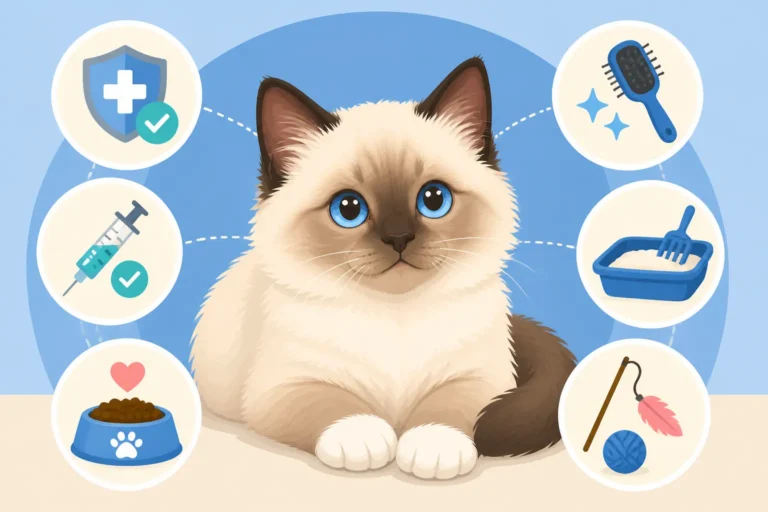
Once your deposit is placed and the contract signed, the waiting game begins! A good breeder will keep you updated regularly with photos and videos of your chosen kitten as it grows. They'll share milestones, describe their developing personalities, and provide information on their diet and socialization efforts. This period is crucial for bonding, even from afar. You can start preparing your home for your new arrival by looking for cat-friendly products and supplies from reputable online retailers like Chewy.
Your kitten will typically stay with the breeder until it's between 12 and 16 weeks old. This extended time with its mother and siblings is critical for its social development, ensuring it learns proper cat manners and is fully weaned, vaccinated, and well-socialized. This is also the period when those gloves will be much more defined, giving you a clearer picture of your Birman’s final markings. To understand the importance of this timing, you can read Why a Birman Kitten Leaves at Thirteen Weeks.
You should continue to communicate with your breeder during this time, asking questions about litter training, diet (many breeders recommend specific foods), and any other concerns you might have. Think about pet insurance early too; providers like Healthy Paws can offer peace of mind should unexpected health issues arise down the road. This open line of communication is a hallmark of a responsible breeder and ensures a smooth transition for your Birman into its new home.
| Aspect of Deposit | Pros for Buyer | Cons for Buyer | Pros for Breeder | Cons for Breeder |
|---|---|---|---|---|
| Securing Kitten | Guarantees a specific kitten or spot on waitlist. | Commit to a kitten before full development (gloves, personality). | Reduces frivolous inquiries and ensures serious buyers. | None (as it's standard practice) |
| Breeder Costs | Encourages responsible breeding and upfront investment. | Funds breeder costs regardless of final outcome (e.g., mismark). | Helps cover significant costs (vet, food, testing). | None (as it's standard practice) |
| Transparency | Deposit contract outlines terms, expectations, and guarantees. | May involve non-refundable clauses. | Formalizes commitment and manages expectations. | Time spent on contracts and managing expectations |
| Waitlist Mgmt. | Shorter wait for desired kitten/line. | Limited flexibility if desired traits don't materialize. | Efficiently manages high demand for the breed. | Still manages queries/updates for waitlisted clients |
| Health Focus | Breeder prioritizes health, ensuring a sound kitten. | Health issues may still arise after deposit, requiring insurance. | Shows commitment to ethical breeding and health standards. | Responsibility for kitten's health during the deposit period |
Disclaimer
This article is for general informational purposes only and does not constitute professional advice. Laws, prices and regulations vary by location and change over time. Consult a qualified professional for guidance on your specific situation.