Why a Birman Kitten Leaves at Thirteen Weeks
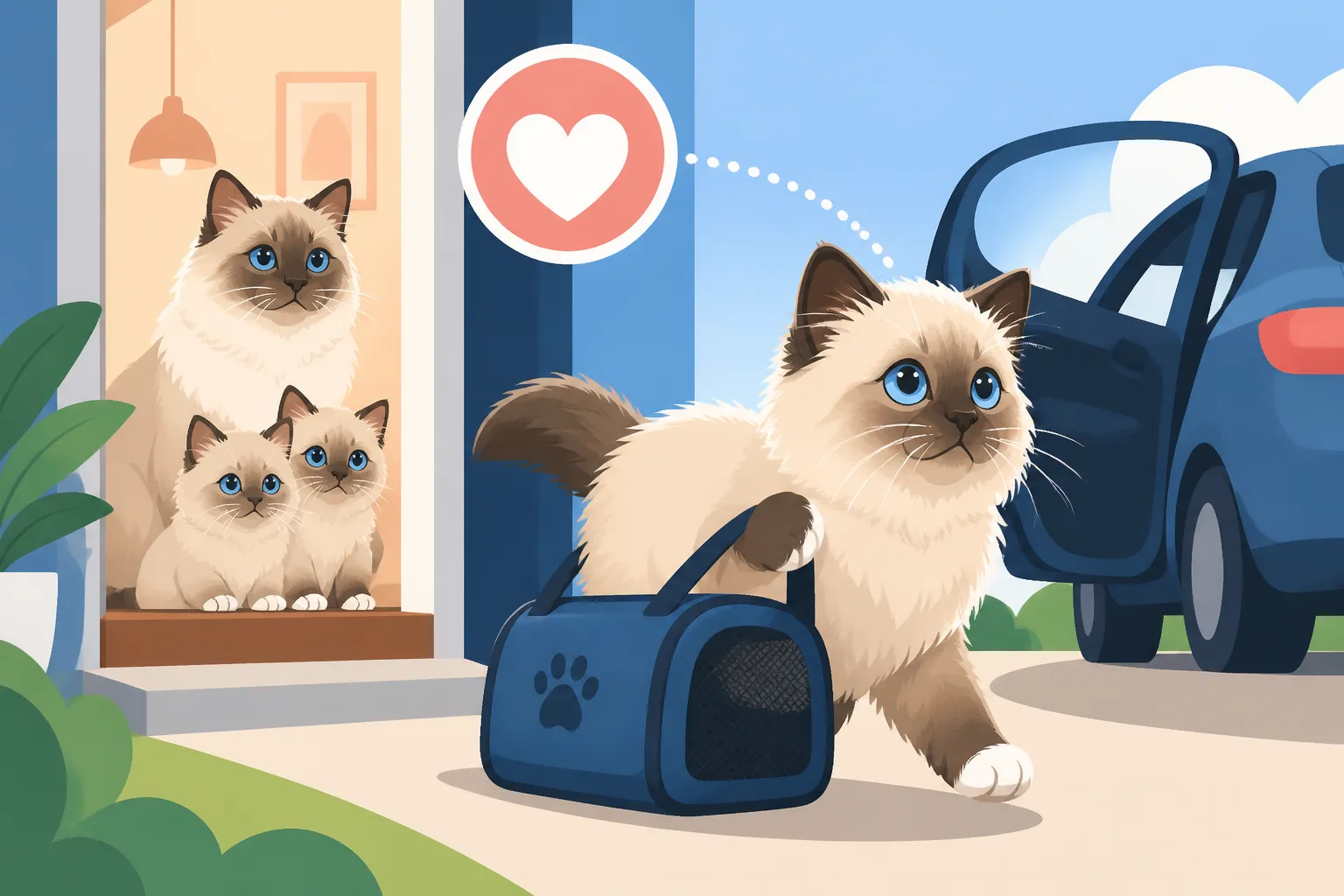
It’s a common frustration for eager new Birman owners: you’ve found the most adorable kitten, fallen head over heels, and now you’re being told you have to wait until it’s at least thirteen weeks old before you can bring it home. This isn't just some arbitrary number; there are incredibly important developmental milestones, critical health checks, and essential socialization experiences that a Birman kitten needs to complete during those crucial first weeks to ensure it grows into a well-adjusted, healthy, and happy companion. This guide will walk you through all the vital reasons why reputable Birman breeders insist on this timeline, helping you understand the immense benefits for both you and your future feline family member.
The Crucial Developmental Stages a Birman Kitten Needs to Complete
Bringing a kitten home is exciting, but doing it too early can lead to a host of problems. Those first thirteen weeks are a whirlwind of rapid physical and psychological development for a Birman, laying the groundwork for their entire personality and well-being. A responsible breeder knows that rushing this process is simply not worth the long-term consequences.
Why Socialization with Littermates and Mom is Non-Negotiable
From birth, a Birman kitten learns invaluable lessons from its mother and siblings. This isn't just cute playtime; it's intense schooling in cat etiquette. Think of it as their foundational education in how to be a cat.
During weeks 4-12, kittens learn bite inhibition through wrestling with their littermates. If a bite is too hard, the other kitten will yelp and stop playing, teaching the aggressor to moderate their force. Without this vital feedback, a kitten might grow up not understanding that their playful nips are actually painful to humans, leading to scratched hands and frustrated owners. They also learn how to communicate through body language and vocalizations, understanding boundaries and social cues that are essential for living harmoniously in a multi-pet household or even just with you. How a Birman Kitten Bites Less Than Most is often a direct result of proper early socialization. If you've ever wondered why some cats are perfectly content playing gently and others seem to use their claws for everything, this early period is a huge part of the answer.
Beyond sibling interactions, the queen (mother cat) plays a crucial role. She teaches them proper grooming habits, how to use the litter box effectively, and even helps them develop confidence and independence. She sets boundaries, disciplines them gently, and provides a secure base from which they can explore the world. A kitten removed from its mother too early can often suffer from anxiety, poor litter box habits, excessive chewing, or even aggression, as they missed out on those fundamental lessons only a feline mother can impart. These learned behaviors are critical for the placid, gentle temperament Birmans are known for, and they simply don't come pre-installed.
Building Immunity and Physical Strength
Just like human babies, Birman kittens are born with developing immune systems that need time and specific interventions to become robust. The timing of vaccinations is directly tied to this biological process.
When kittens are born, they receive antibodies from their mother's milk, known as maternal antibodies. These provide a temporary shield against common diseases. However, these antibodies also interfere with the effectiveness of vaccines. As the maternal antibodies wane, the kitten becomes more susceptible to illness, but also more capable of responding to vaccinations. This delicate balance means there's a specific window when vaccinations are most effective. Breeders typically administer the first set of vaccines around 8-9 weeks, followed by a booster around 11-12 weeks. This schedule ensures the kitten develops its own robust immunity before being exposed to a new environment, which is exactly why What a Birman Kitten Has Had Done by Thirteen Weeks is so important. Sending a kitten home at 8 or 10 weeks, before that second booster has had time to take effect, leaves them vulnerable, and that’s a risk no responsible breeder wants to take.
Beyond vaccines, those extra weeks allow a kitten to grow physically stronger. Their bones develop, muscles strengthen, and they refine their motor skills. They learn to navigate obstacles, jump confidently, and generally become more resilient. A kitten still wobbly on its feet or struggling with coordination isn't ready for the stresses of a new home. The breeder observes them daily, ensuring they are eating well, playing vigorously, and showing no signs of illness, giving them the best possible start to a healthy life.
Health Checks and Veterinary Care: What Happens Before They Go Home
The journey from tiny, helpless newborn to confident, ready-to-go kitten involves a lot of professional oversight. Reputable Birman breeders work closely with veterinarians to ensure every kitten is not just cute, but truly healthy from the inside out.
Comprehensive Vet Examinations and Vaccinations
Before a Birman kitten ever sets paw in its new home, it should have undergone at least two comprehensive veterinary examinations. These aren't just quick peek-and-poke sessions; they are thorough health checks. During these visits, the vet will assess everything from nose to tail: checking eyes, ears, teeth, and gums, listening to the heart and lungs, palpating the abdomen, and examining joints and coat condition. Why a Birman Kitten's First Exam Includes Its Heart is especially critical for breeds like the Birman, which can be prone to certain cardiac conditions. Any sniffles, coughs, or digestive upsets are addressed, ensuring the kitten is in peak condition.
As mentioned, the vaccination schedule is meticulously followed. Typically, kittens receive their first core vaccinations around 8-9 weeks and then their booster around 11-12 weeks. This covers common feline diseases such as feline panleukopenia (distemper), feline herpesvirus, and feline calicivirus. Some vets may also recommend a rabies vaccine, depending on local regulations and the kitten's intended lifestyle, though this is often done a bit later. By the time your Birman kitten is 13 weeks old, they've not only received these crucial shots but have also had a few weeks for their immune system to fully respond to the booster, providing a robust level of protection.
Parasite Control and Microchipping
Another vital part of a kitten's early health care is a robust parasite control program. Kittens are highly susceptible to internal parasites like roundworms and hookworms, which can lead to poor growth, dull coats, and compromised immune systems. External parasites like fleas and mites are also a concern.
Reputable breeders will have a consistent deworming schedule, often starting as early as 2-3 weeks and repeating every two weeks until the kittens are well past 8 weeks old. This ensures any parasites passed from the mother or acquired in the environment are eradicated. They will also implement flea prevention, often using vet-prescribed topical treatments that are safe for young kittens. This comprehensive approach means your kitten arrives free from these common pests, reducing the risk to your home and any other pets you might have.
Finally, microchipping is a standard practice for identification. Most breeders will have the kitten microchipped around 10-12 weeks. This tiny chip, inserted painlessly under the skin between the shoulder blades, provides a permanent form of identification. It's a lifesaver if your Birman ever gets lost, increasing the chances of a happy reunion. Importantly, the breeder should provide documentation of the microchip and guide you on how to register it in your name, linking you directly to your new companion. What to Check on a Birman Kitten in Its First Week Home should include verifying this chip.
The Breeder's Role: Ensuring a Smooth Transition for Your Birman Kitten
A good Birman breeder isn't just someone who produces kittens; they are truly their first caretaker, teacher, and advocate. Their commitment extends far beyond the sale, focusing on the long-term health and happiness of each kitten they place.
Early Training and Acclimation to Household Life
Think about everything a kitten needs to learn before it can integrate seamlessly into a human home. A responsible breeder starts this training early, making the transition to your house much smoother. This includes consistent litter box training from the moment kittens are mobile enough to use one. By 13 weeks, a Birman kitten from a good cattery will be reliably using the litter box, minimizing accidents in your home. This is crucial for keeping those beautiful white gloves pristine, as Why Litter Discolors a Birman's White Feet is a common problem with dusty or poorly managed litter.
They also introduce kittens to a variety of household sounds and experiences – the vacuum cleaner, the doorbell, children's voices, other pets, and being handled gently. This early exposure helps desensitize them to common domestic noises, preventing them from becoming overly skittish or fearful adults. Breeders will spend time handling the kittens daily, getting them used to being picked up, cuddled, and examined. This makes future vet visits, grooming sessions, and even just casual snuggles much easier. How to Get a Birman Used to Grooming starts with the breeder, familiarizing them with combs and gentle touch. They even start introducing a toothbrush (Introducing a Toothbrush to a Birman at Twelve Weeks), a crucial habit for long-term dental health.
Comprehensive Paperwork and Support
When you pick up your Birman kitten at 13 weeks, a reputable breeder will provide you with a comprehensive package of paperwork and ongoing support. This typically includes:
- Pedigree and Registration Papers: These prove the kitten's lineage and purebred status.
- Vaccination Records: A detailed history of all vaccines administered, including dates and types.
- Health Certificates: Proof of recent vet checks and sometimes specific genetic health screenings for the parents, such as What Testing a Birman for FOXN1 and PKD1 Together Costs.
- Microchip Information: Details for transferring ownership.
- A Sales Contract and Health Guarantee: This document outlines the terms of sale, any health guarantees (often covering congenital conditions for a specified period), and sometimes a spay/neuter clause for pet-priced kittens.
- Kitten Care Guide: Many breeders provide their own detailed guides on feeding, litter, grooming, and common kitten issues.
This transparency and documentation are hallmarks of an ethical breeder. They aren't just handing over a pet; they're providing a complete history and a foundation of care. Furthermore, a good breeder will offer ongoing support, often encouraging new owners to reach out with questions or concerns long after the kitten has settled in. This mentorship can be invaluable, especially for first-time Birman owners.
| Milestone / Check | Typical Age Range (Weeks) | Importance for 13-Week Go-Home |
|---|---|---|
| Eyes Open | 7-10 days | Basic sensory development |
| Walking & Exploring | 3-4 | Essential for physical development and play |
| First Deworming | 2-3 | Essential for health and preventing parasite spread |
| Solid Food Introduction | 4-5 | Crucial for weaning and nutritional independence |
| Litter Training Begins | 4-5 | Teaches proper hygiene habits |
| Intense Socialization | 4-12 | Develops bite inhibition, communication, confidence |
| First Vet Check & Shots | 8-9 | Initial health assessment, builds core immunity |
| Second Vet Check & Shots | 11-12 | Boosts immunity, final health check |
| Microchipping | 10-12 | Permanent identification, safety |
| Spay/Neuter Consultation | 12+ (often later for surgery, but discussion happens) | Discuss future care and population control |
Why a Longer Stay Benefits Everyone: The Kitten, the Breeder, and You
While the wait can feel excruciating, every extra week a Birman kitten spends with its breeder is an investment in its future happiness and your peace of mind. This isn't just about meeting minimum requirements; it's about optimizing for a successful, lifelong companionship.
Reduced Stress and Smoother Transition for the Kitten
Imagine being a tiny, still-developing creature suddenly plucked from everything familiar and thrown into a brand-new world. That's what an early departure can feel like for a kitten. By waiting until 13 weeks, the kitten is significantly more resilient both emotionally and physically. They have fully weaned from their mother, established solid eating and litter habits, and developed a stronger immune system.
This increased maturity allows them to handle the stress of a new environment much better. They are less likely to experience separation anxiety, digestive upsets, or behavioral regressions (like suddenly forgetting how to use the litter box). A 13-week-old kitten has a more robust immune system to ward off any new germs it might encounter, and its confidence is higher. This makes their adjustment period shorter and less traumatic, leading to a happier, healthier start in their forever home. The difference between an 8-week-old and a 13-week-old kitten in terms of self-sufficiency and emotional stability is truly remarkable.
Greater Peace of Mind for New Owners
For you, the new Birman owner, waiting those extra weeks translates directly into peace of mind. You're bringing home a kitten that is not only healthier but also far more prepared for life with humans. You'll worry less about behavioral problems or early health scares, allowing you to focus on bonding and enjoyment.
Furthermore, a kitten that has received its full initial course of vaccinations means fewer immediate vet visits for you, saving time and money. While ongoing vet care is always important, especially for a breed with a specific health history like the Birman (you'll want to discuss things like How Often HCM Shows Up in Echo Scanned Birman Lines with your vet), reducing immediate medical needs right after adoption is a huge benefit. You'll also benefit from the breeder's careful observation of the kitten's personality over a longer period. This allows them to better match the right kitten to the right family, ensuring a good fit for everyone involved. For example, some kittens might be bolder, others more reserved, and the breeder can help guide you to the kitten whose temperament aligns best with your household dynamics.
Strengthening the Birman Breed's Reputation
Finally, strict adherence to a 13-week minimum departure age strengthens the Birman breed's reputation as a whole. It signifies a commitment to ethical breeding practices, prioritizing the welfare of the animals above all else. Breeders who send kittens home too early are often prioritizing profit over health and well-being, which can lead to a host of problems for the kittens and their unsuspecting new families. This is why How to Spot a Birman Breeder Selling Untested Kittens is so important—they are often the ones cutting corners.
By choosing a breeder who follows this standard, you're supporting responsible breeding and helping to ensure the long-term health, temperament, and integrity of the Birman cat. This collective commitment helps to minimize the incidence of behavioral issues and preventable health problems in the breed, contributing to a better experience for everyone who chooses to welcome one of these wonderful cats into their home. Whether you're considering a brand like Chewy for your kitten's first supplies or thinking about future pet insurance options like Healthy Paws, knowing your kitten comes from a solid foundation is invaluable. And if you're exploring premium food choices, you'll be feeding a kitten that's already had the best possible start in life.
Disclaimer
This article is for general informational purposes only and does not constitute professional advice. Laws, prices and regulations vary by location and change over time. Consult a qualified professional for guidance on your specific situation.