How Long a Birman Breeder Stands Behind a Kitten
Bringing home a Birman kitten is an exciting time, but it also comes with a natural concern: what if something goes wrong with their health? It's a completely valid worry, especially when you're investing emotionally and financially in a new family member. This guide will walk you through what to expect regarding a Birman breeder's commitment to their kittens after they leave for their new homes, covering everything from initial health to long-term genetic assurances, and what "standing behind" a kitten truly means.
Understanding Breeder Guarantees and Contracts
When you bring a Birman kitten into your life, you're not just buying a pet; you're often forming a relationship with the breeder. A responsible breeder sees themselves as a steward of the breed, and their commitment extends far beyond the day you pick up your kitten. This commitment is typically formalized through a written contract and health guarantee, which is absolutely crucial for your peace of mind.
What a Standard Health Guarantee Covers
Most reputable Birman breeders will provide a health guarantee that covers your kitten for a specific period against certain immediate health issues, like common viruses or parasites that might develop shortly after arriving home. This initial period is vital because stress from a new environment can sometimes make kittens susceptible to ailments they might have been fighting off. For example, a breeder might guarantee against upper respiratory infections for the first week or two, requiring a vet check-up within 48-72 hours of purchase to validate this. If your vet finds an issue within that timeframe, the breeder will usually step in to cover treatment costs up to a certain amount, or in severe cases, offer a replacement.
Beyond these initial general health issues, a good breeder's guarantee will also address genetic conditions that are known in the Birman breed. These are often the biggest concern for new owners, as genetic diseases can be costly and heartbreaking. Common genetic conditions that might be covered include Polycystic Kidney Disease (PKD1) and Hypotrichosis (FOXN1), for which DNA tests exist. The guarantee might state that if a kitten is diagnosed with a severe, untreatable genetic condition within a certain timeframe (often one to two years, sometimes even longer for life-limiting conditions), the breeder will offer a replacement kitten or a partial refund. It’s important to understand the specifics of each breeder’s terms, as they can vary greatly. Some might also have clauses about how a confirmed diagnosis needs to be made by a veterinary specialist. What an Ageing Birman Slows Down From
The Importance of a Written Contract
Never, ever rely on verbal promises when it comes to purchasing a purebred kitten. A written contract is your legal safeguard and outlines the responsibilities of both the buyer and the breeder. This document should detail everything from the purchase price and deposit to the kitten's identification (microchip number, registration number), vaccination status, and neuter/spay agreement if the kitten is sold as a pet. Crucially, it will contain the full terms of the health guarantee, including what conditions are covered, the duration of the coverage, and the specific steps you need to take if an issue arises.
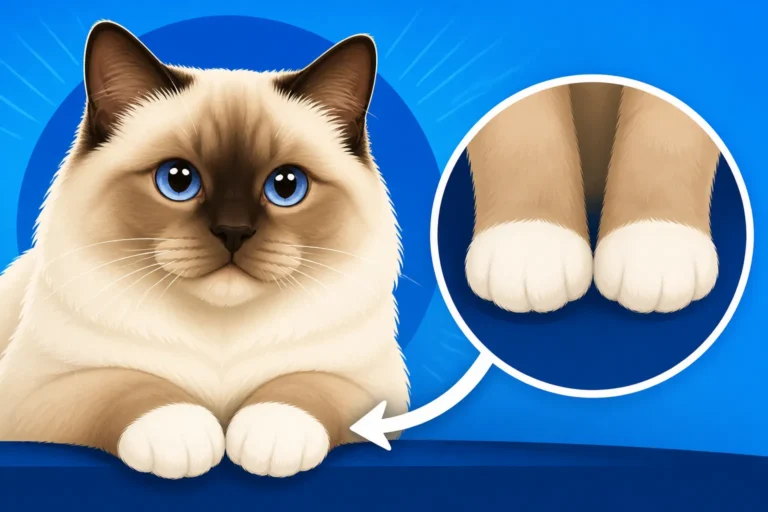
A comprehensive contract will also clarify what constitutes a "mismark" for a Birman, which can affect price but not health. For instance, a kitten might have less-than-perfect white gloves, but this is a cosmetic fault, not a health one. What a Mismarked Birman Is a Pet Price Cat It should also detail expectations for the kitten's care, often specifying dietary recommendations, veterinary care schedules, and whether the kitten is to be kept indoors. These clauses aren't just for the breeder's benefit; they're often put in place to ensure the kitten lives a long, healthy life, helping to protect your investment in their well-being.
Common Timeframes for Guarantees
The duration of a breeder's guarantee can differ based on the type of issue. For immediate concerns, like acute illness or parasites, guarantees might last from 48 hours to a couple of weeks, contingent on a vet visit shortly after purchase. This initial check is non-negotiable for most breeders, as it confirms the kitten was healthy upon leaving their care.
For genetic diseases with clear DNA tests, such as FOXN1 or PKD1, some breeders offer a "lifetime" guarantee, meaning if the kitten ever develops the disease, the guarantee holds. However, this is less common and often tied to proving lineage from clear parents. More often, a guarantee for genetic conditions might extend for a year or two, sometimes up to five years, especially for conditions like Hypertrophic Cardiomyopathy (HCM) which can develop later in life. It's rare to find a breeder offering a full lifetime guarantee for all conditions, simply because so many variables outside of genetics can impact a cat's health over a 15-year lifespan. Always read the fine print to understand exactly what the timeframes are for each specific health concern.
| Health Concern | Typical Guarantee Timeframe | What It Means |
|---|---|---|
| Acute Illness | 48 hours – 14 days | Covers infections (e.g., upper respiratory, parasites) found shortly after purchase, usually requiring immediate vet confirmation. |
| Congenital Defects | 1 year – 2 years | Covers defects present at birth but perhaps not immediately obvious, often leading to significant health issues. |
| Genetic Diseases (DNA-tested) | 1 year – 5 years / Lifetime | For conditions like FOXN1 or PKD1, if the parents were tested clear, some breeders offer extended or lifetime guarantees against the kitten developing the disease. |
| Hypertrophic Cardiomyopathy (HCM) | 1 year – 3 years | Often limited, as HCM can develop later. Guarantees usually apply to early onset and require specialist cardiac scans. |
| FIV/FeLV | Often 48 hours – 7 days | Guarantees the kitten is negative at the time of sale, requiring retesting by the new owner. |
Navigating Genetic Health Guarantees for Birmans
The Birman breed, like all purebreds, has certain genetic predispositions that responsible breeders actively work to screen for and minimize. This is where a breeder's commitment truly shines, offering assurances that go beyond basic health checks.
FOXN1 (Hypotrichosis) and PKD1 (Polycystic Kidney Disease)
For conditions like FOXN1 (also known as Birman Hypotrichosis or 'short life expectancy') and PKD1 (Polycystic Kidney Disease), genetic DNA tests are available. This means a reputable breeder will have tested their breeding cats to ensure they are clear or, in the case of carriers, that they are not mating two carriers together, which could produce affected kittens. Why Two Birman Carriers Should Never Be Mated
A strong guarantee for these conditions usually states that the kitten is clear by parentage or has been individually tested and found clear. If a kitten sold as "clear" (either by parentage or individual test) were to somehow develop one of these conditions, or be found to carry the genes if re-tested, the breeder would typically offer a remedy. This could be a full refund of the purchase price, a replacement kitten, or assistance with veterinary costs, depending on the severity and the specific terms of the contract. It's incredibly important to see copies of the parent's genetic test results before committing to a kitten. What Testing a Birman for FOXN1 and PKD1 Together Costs
Hypertrophic Cardiomyopathy (HCM) Guarantees
Hypertrophic Cardiomyopathy (HCM) is a heartbreaking heart condition that can affect Birmans, and unlike FOXN1 or PKD1, there isn't a simple DNA test for it. Instead, breeders rely on regular cardiac ultrasound screenings (echos) by a board-certified veterinary cardiologist to monitor the heart health of their breeding cats. HCM in a Birman Has No DNA Test, Only an Echo
Because HCM can develop later in a cat's life, guarantees related to it are often more complex and time-limited. A breeder cannot guarantee a kitten will never develop HCM, as even cats from clear lines can sometimes be affected. However, an ethical breeder will guarantee that both parents (and often several generations back) have been regularly screened by a cardiologist and found clear of HCM at the time of breeding. The guarantee might then extend for a limited period, perhaps until the kitten is 1, 2, or even 3 years old, against a diagnosis of severe, early-onset HCM. If a kitten from their line is diagnosed with HCM within that timeframe, with a confirmed report from a specialist, the breeder usually offers a replacement or partial refund. This is a critical area where transparency from the breeder about their screening practices and results (e.g., publicizing results from the Orthopedic Foundation for Animals, OFA) is paramount. How Long a Birman Lives After Its Heart Is Diagnosed
What Happens If an Issue Arises
If you suspect your Birman kitten has a health issue that falls under the breeder's guarantee, the first step is always to contact your veterinarian immediately. It’s crucial to document everything – symptoms, vet visits, diagnostic tests, and invoices. Most breeder contracts will require a confirmation of diagnosis by a licensed veterinarian, often specifying that it needs to be from a specialist for serious conditions like HCM.
Once you have a confirmed diagnosis, you would then contact your breeder with all the documentation. A responsible breeder will want to understand the situation and will guide you through the next steps according to your contract. This might involve:
- Reimbursement for vet costs: Up to a specified amount for covered conditions.
- Replacement kitten: Offering another kitten from a future litter.
- Partial or full refund: Depending on the severity of the condition and contract terms.
- Taking the cat back: Especially if the condition is life-limiting and the owner feels unable to cope.
It's a distressing situation for any owner, and a good breeder will approach it with empathy and a commitment to their contract. They understand the emotional toll and want to ensure the best outcome for the cat and the owner. This is where pet insurance, like plans from Healthy Paws, can also play a vital role, helping to cover unforeseen veterinary costs that might extend beyond or fall outside the breeder's specific guarantee, providing an extra layer of financial security. Whether a Birman Guarantee Covers HCM
Beyond the Formal Guarantee: Breeder Support and Ethical Practices
While the written contract is a legal document outlining specific obligations, an ethical and responsible Birman breeder's commitment often goes far beyond the letter of the law. They are invested in the lifelong well-being of every kitten they bring into the world.
Lifelong Support and Advice
One of the most invaluable aspects of buying a kitten from a truly dedicated breeder is the access to lifelong support and advice. These breeders are passionate about Birmans and have years, sometimes decades, of experience in their care. They are a treasure trove of information regarding:
- Nutrition: What kind of food works best for the breed, how to transition diets, and what to do if your Birman develops sensitivities. For instance, a breeder can often guide you on the best high-quality food choices for your cat's specific needs, perhaps even recommending specialized diets for optimal health. What Feeding a Birman for Coat Condition Costs
- Grooming: Tips on maintaining that glorious, silky Birman coat without mats, how often to comb, and how to keep those famous white gloves pristine. Combing a Birman Three Times a Week
- Behavior: Understanding Birman quirks, how to introduce them to other pets, or dealing with common feline behaviors like scratching or litter box issues. Why a Birman Follows You Without Demanding Anything
- Health Maintenance: Reminders for routine vet visits, signs to watch for, and even recommendations for trusted veterinary specialists.
This mentorship can be incredibly reassuring for new owners, especially first-timers. It means you always have an experienced resource to turn to, even years down the line, long after any formal health guarantee has expired. It's a sign of a breeder who genuinely cares about their cats and the families they go to.
Rehoming Assistance
A truly responsible Birman breeder understands that life happens. Circumstances change – people get divorced, jobs move them overseas, or health issues make it impossible to care for a pet. In these unfortunate situations, an ethical breeder will always, always be willing to take their cat back, regardless of its age, or at least help facilitate its rehoming. They will never want one of their Birmans to end up in a shelter or in an unsuitable home.
This "take-back" clause is often written into the contract and is a huge indicator of a breeder's long-term commitment. It demonstrates that they take full responsibility for the lives they create and want to ensure their cats are always safe and loved. This means you have a safety net, knowing that if the unthinkable happens, your beloved Birman won't be without a safe place to go. Why a Retired Birman Queen Needs Rehoming
Red Flags to Watch Out For
While many Birman breeders are wonderful, dedicated individuals, it's essential to be aware of red flags that might indicate a less-than-ethical operation. These signs suggest that a breeder might not stand behind their kittens in the way you need.
- No Written Contract or Guarantee: This is a non-starter. If a breeder isn't willing to put their promises in writing, walk away. Verbal agreements are worthless if an issue arises.
- No Health Testing Documentation: A breeder who can't or won't provide verifiable documentation of health screenings for the parents (especially for FOXN1, PKD1, and regular HCM echos) is a serious concern. They should be transparent about these critical tests. What to Ask About a Birman Line's Heart Scans
- Kittens Available Too Young: Birmans, like most purebreds, should stay with their mothers until at least 12 weeks of age, sometimes 13 weeks. This allows for proper socialization, weaning, and the completion of initial vaccinations. A breeder pushing to sell kittens earlier is prioritizing profit over kitten welfare. Why a Birman Kitten Leaves at Thirteen Weeks
- Lack of Interest in Your Home Life: A good breeder will ask you many questions about your living situation, experience with cats, and plans for the kitten. They want to ensure their kittens go to loving, suitable homes. If they don't seem to care about where their kitten is going, it's a warning sign. Why a Birman Breeder Asks Whether You Are Home All Day
- Multiple Litters/Breeds: While some experienced breeders might have two breeds, a "breeder" with many different breeds or constantly available litters could be a kitten mill disguised as a reputable cattery.
- Vague Answers or Evasiveness: If you ask direct questions about health testing, parentage, or guarantees and receive vague or defensive answers, be wary. A transparent breeder has nothing to hide.
Choosing a Birman kitten is a significant decision that carries with it the hope of many years of companionship. A breeder's commitment, formalized through a comprehensive contract and demonstrated through ongoing support and ethical practices, is as important as the kitten itself. It ensures that you have a safety net for potential health issues and a valuable resource for all aspects of your Birman's life. Do your homework, ask plenty of questions, and choose a breeder who truly stands behind their kittens, not just for a few weeks, but for their entire cherished lifetime.
Disclaimer
This article is for general informational purposes only and does not constitute professional advice. Laws, prices and regulations vary by location and change over time. Consult a qualified professional for guidance on your specific situation.