What the PKD1 Test Costs for a Birman
The anxiety of bringing a new furry family member home is often mixed with a secret worry about their health, especially when it comes to inherited conditions. For Birman cat owners and prospective owners, Polycystic Kidney Disease type 1 (PKD1) is one of those conditions that casts a long shadow. Understanding the cost associated with the PKD1 test is crucial, not just for your wallet, but for the long-term well-being and peace of mind for you and your beloved Birman. This guide will walk you through what the PKD1 test entails, why it's so important for the Birman breed, and what financial investment you can expect for this vital screening.
The Shadow of PKD1 in Birmans: Why Testing Matters
Polycystic Kidney Disease, or PKD, is a truly insidious genetic condition that can affect many cat breeds, and unfortunately, the Birman is among them. It’s an inherited disorder where fluid-filled cysts form in the kidneys, gradually growing over time and eventually leading to kidney failure. The frustrating part is that these cysts can be present for years without showing any outward signs, slowly but surely damaging the kidneys from within. For a breed known for its placid temperament, subtle signs of illness can be easily missed until the disease is quite advanced, making proactive testing an absolute game-changer. Why a Birman Hides Illness Behind a Placid Temperament
What PKD1 Actually Does to Your Birman
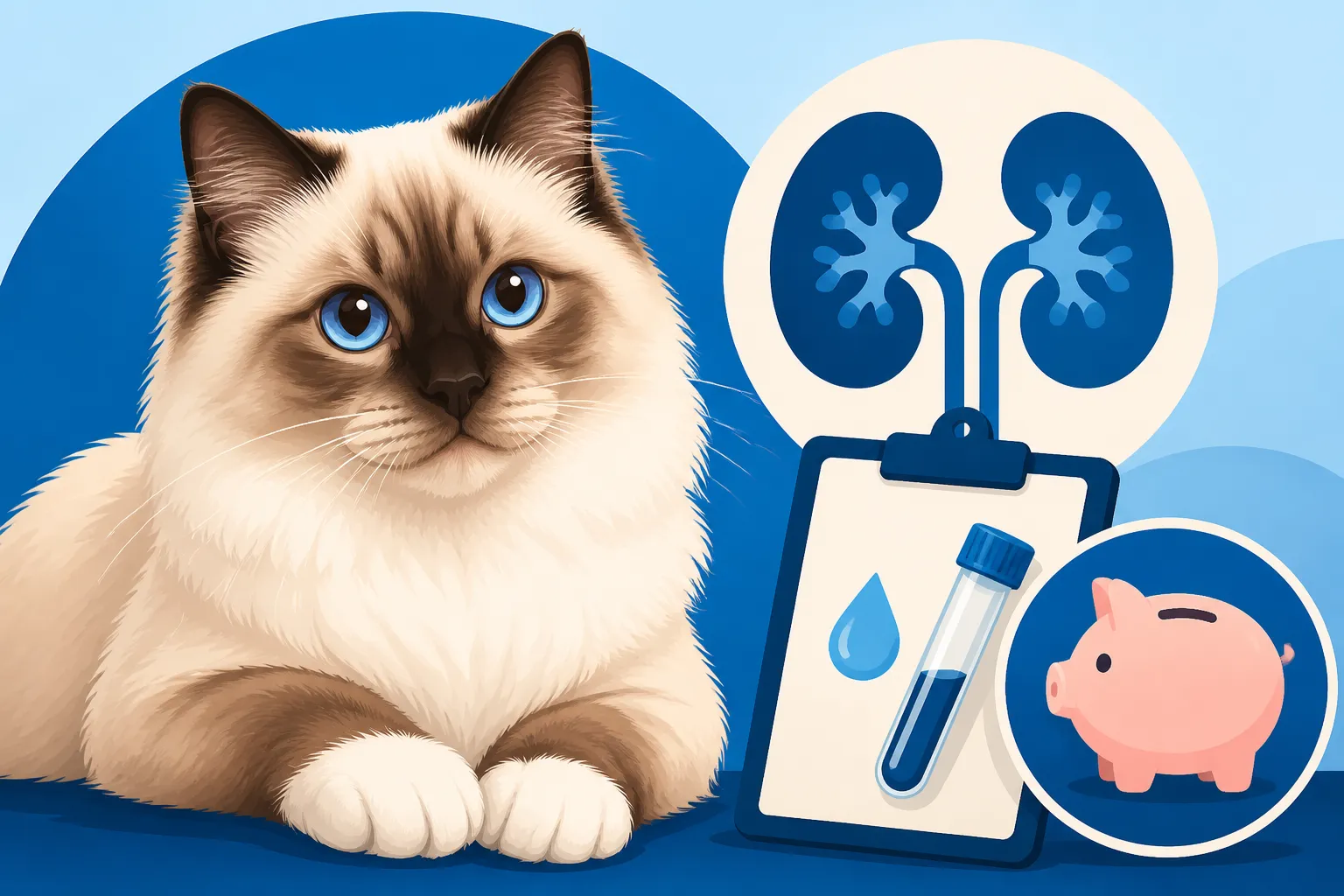
Imagine tiny, benign bubbles slowly multiplying and enlarging inside an organ vital for filtering waste from the blood. That's essentially what happens with PKD1. These cysts start off microscopic, often present from birth, and continue to grow throughout a cat's life. As they expand, they take up more and more space, reducing the healthy kidney tissue available to do its job. Eventually, this progressive destruction leads to chronic kidney disease, which is irreversible and ultimately fatal. Symptoms like increased thirst and urination, weight loss, lethargy, and a dull coat only tend to appear when significant kidney function has already been lost.
Why the Persian Outcross Left PKD in the Birman
The story of how PKD1 came to the Birman breed is a historical tale rooted in necessity and resilience. After World War II, the Birman breed faced near extinction, with only a handful of individuals left. To save the breed, dedicated fanciers had to undertake careful outcrossing with other longhaired breeds, most notably the Persian. While this effort successfully rebuilt the Birman population and preserved its unique characteristics, it also inadvertently introduced certain genetic vulnerabilities. The PKD1 gene, common in Persians, was one such trait. This is precisely Why PKD Reached the Birman Through the Persian, making genetic testing for this condition a non-negotiable step for responsible Birman breeding and ownership today. It’s a stark reminder that even the most well-intentioned breeding efforts can have unintended long-term consequences that we must now manage with modern science.
Decoding the PKD1 Genetic Test
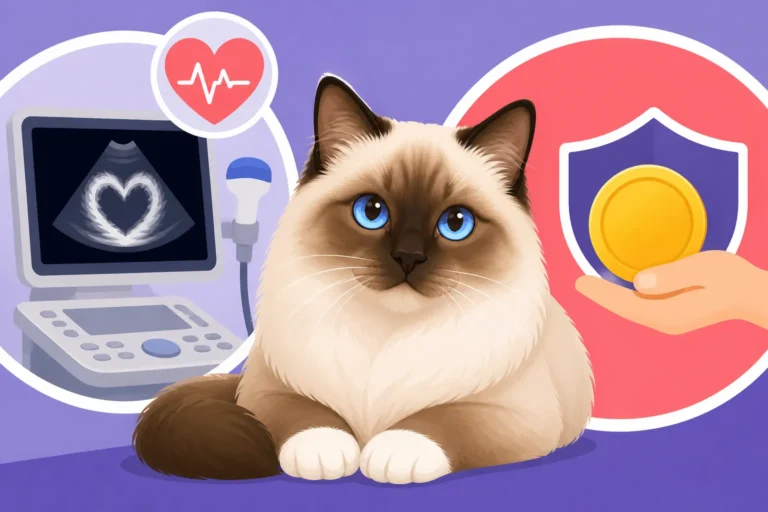
When you consider PKD1 for your Birman, it’s important to understand that there are generally two ways to screen for kidney issues: genetic testing for the predisposition to PKD1, and ultrasound scanning to diagnose the presence of cysts. For PKD1, we're talking about the genetic test, which is a definitive "yes" or "no" for carrying the specific gene mutation. It's a remarkably straightforward process that provides invaluable information about your cat's genetic makeup.
How the PKD1 Test Works for Your Birman
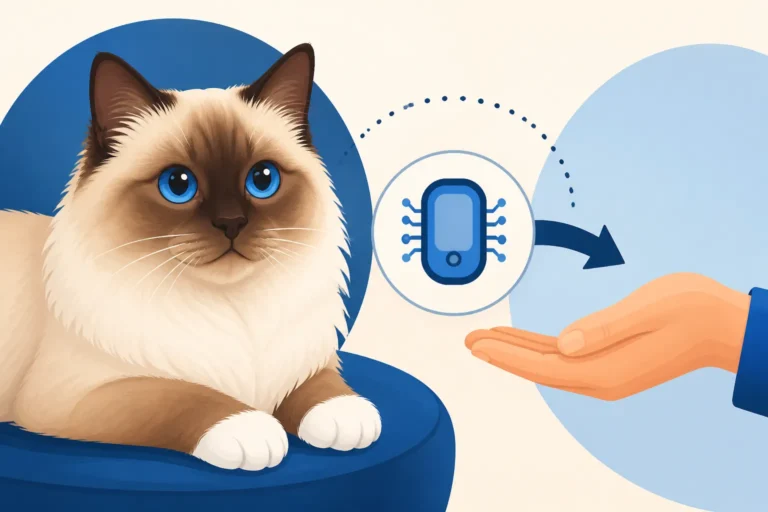
The beauty of the PKD1 genetic test is its simplicity and non-invasiveness. Typically, the test is performed using a buccal swab – essentially a large Q-tip that collects cells from inside your Birman's cheek. Sometimes, a small blood sample might be collected by your veterinarian. These samples, containing your cat's DNA, are then sent to a specialized veterinary genetic testing laboratory. The lab then analyzes the DNA specifically for the known PKD1 gene mutation. The entire process for collecting the sample at home is quick and stress-free for your cat, often taking just a minute or two. If your vet collects it, it's just part of a routine visit. This ease of testing means there's really no reason to skip this crucial screening. How the PKD1 Test Clears a Birman is a direct, scientific way to know.
Understanding Your Birman's PKD1 Results
Once the lab has analyzed your Birman's DNA, you'll receive a report that typically shows one of three results:
- N/N (Negative/Clear): This is the best news! It means your Birman does not carry the PKD1 gene mutation and will not develop PKD1 due to this specific genetic cause. They also cannot pass the gene on to any offspring.
- N/P (Heterozygous/Carrier/Affected): This means your Birman carries one copy of the PKD1 gene mutation. Because PKD1 is an autosomal dominant condition, a cat with even one copy will develop PKD. The term "carrier" can be a bit confusing here, as it implies they just carry the gene without being affected. However, for dominant conditions like PKD1, carrying even one copy means they are affected and will eventually develop the disease, though the severity and onset can vary. They will also pass the gene on to approximately 50% of their offspring.
- P/P (Homozygous/Affected): This means your Birman carries two copies of the PKD1 gene mutation. While rare, a cat with two copies would typically develop severe, early-onset PKD and would pass the gene to all of its offspring.
Understanding these results is vital, especially for breeders. A clear cat can be safely bred, while an N/P cat should ideally not be bred, or at least only bred with a clear cat with careful consideration and rigorous testing of all kittens to ensure no affected offspring are passed on. Knowing your cat's status empowers you to make informed decisions about their health care and any potential breeding plans.
The Investment: What the PKD1 Test Really Costs
When we talk about the cost of the PKD1 test for a Birman, it's not a single, fixed price. Several factors come into play, and it’s important to consider them all to get a realistic picture of the investment you're making in your cat’s health. While I can't give you exact figures, I can tell you about the elements that make up the total expense.
Factors Influencing the Price of a PKD1 Test
The overall cost will typically be a combination of a few different services:
- Veterinarian Visit Fees: If you opt for your veterinarian to collect the sample (which is often recommended for accuracy and peace of mind), you'll incur their consultation fee. This covers their time, the proper collection of the cheek swab or blood, packaging, and often the shipping of the sample to the designated laboratory. These fees can vary significantly depending on your geographical location and the specific veterinary practice.
- Laboratory Fees: This is the direct cost charged by the genetic testing laboratory for analyzing your Birman's DNA. Different labs may have different pricing structures, and some may offer discounts if you're testing multiple cats or if you're a breeder. The lab fee covers the scientific analysis and the generation of your Birman's genetic report.
- Bundled Testing Panels: Many reputable genetic testing laboratories offer comprehensive panels that screen for multiple inherited diseases relevant to specific breeds. For Birmans, this often means you can test for PKD1 alongside other important conditions like FOXN1 (Birman Hypotrichosis). What Testing a Birman for FOXN1 and PKD1 Together Costs can sometimes be more cost-effective than ordering individual tests separately. This is definitely something to ask your vet or the lab about, as it can be a smart way to get a broader health picture for your Birman without breaking the bank on multiple submissions.
- Geographical Variations: Just like almost everything else, the cost of veterinary services and even lab processing can see regional differences. What you might pay in a large metropolitan area could be different from a rural setting.
When you're looking at the total, expect it to be a modest investment. It's a one-time cost for a lifetime of crucial information, and it's far less than the ongoing expenses associated with managing kidney disease.
The True Value of PKD1 Testing: Preventing Future Heartbreak and Expense
While there's a definite upfront cost to the PKD1 test, it’s truly an investment that pays dividends in the long run, both financially and emotionally. Consider the alternative: unknowingly owning a Birman destined to develop PKD1.
- Financial Burden of Managing PKD1: If your Birman develops PKD, the costs of managing the disease can be substantial and continuous. This includes regular veterinary check-ups, specialized blood tests to monitor kidney function, medications to manage symptoms like nausea and dehydration, and often prescription renal diets. Specialized cat foods can be quite beneficial for cats with kidney issues, but these often come at a higher price point than standard kibble. Imagine the monthly food bill for a cat on a specific renal diet from a trusted supplier, coupled with daily medications. These expenses quickly add up over months and years, far exceeding the one-time cost of the genetic test. Which Prescription Diet a PKD Positive Birman Ends Up On is a reality many owners face.
- Emotional Toll: Beyond the financial aspect, there's the emotional heartache of watching your beloved Birman slowly decline from a chronic illness. Their placid nature might mean they hide symptoms until they're quite unwell, making their suffering difficult to witness. The stress and worry of caring for an ill pet can be immense.
- Breeding Responsibility: For breeders, the value of PKD1 testing cannot be overstated. Producing a kitten that will eventually develop PKD1 not only leads to heartbreaking situations for new owners but can severely damage a breeder's reputation. The cost of the test is negligible compared to the ethical responsibility and the long-term impact on a breeding program. Whether a PKD Clear Birman Line Exists is a testament to the hard work of ethical breeders.
- Pet Insurance Considerations: Many owners wisely consider pet insurance from providers like Healthy Paws for unexpected health issues. However, it's crucial to understand that genetic conditions that are known or suspected at the time a policy is taken out are often considered "pre-existing conditions" and may not be covered. Knowing your Birman's PKD1 status before issues arise allows you to make informed decisions about insurance and potential future care.
In essence, the PKD1 test is a small price to pay for the invaluable knowledge it provides, allowing for early intervention, responsible breeding, and ultimately, a better quality of life for your Birman.
Beyond the Test: Responsible Ownership and Breeding
Understanding the cost of the PKD1 test is just one piece of the puzzle. What you do with that information, and how you approach sourcing your Birman kitten, is equally critical for the health and happiness of your cat.
Ensuring Your Birman Comes From PKD1-Clear Lines
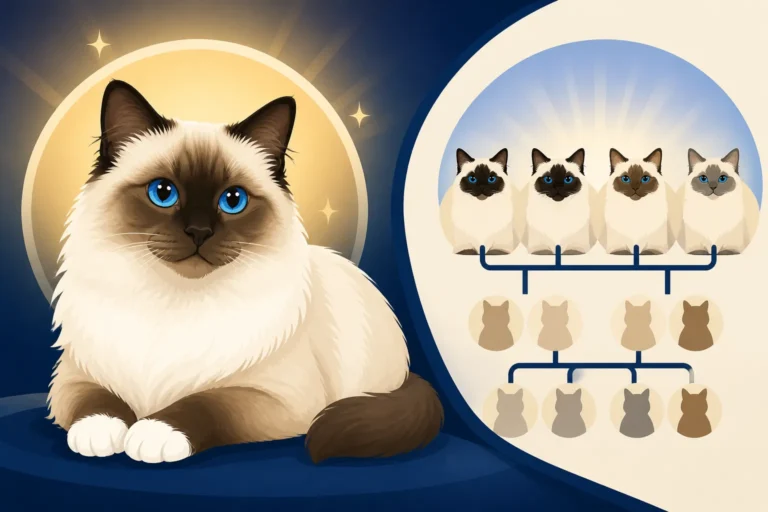
If you're in the market for a Birman kitten, doing your homework on breeders is absolutely paramount. A reputable Birman breeder will be transparent about their health testing protocols, and this must include PKD1. They should be able to provide clear documentation of PKD1 genetic test results for both parent cats. Don't be shy about asking to see these certificates; a good breeder will be proud to share them. Why a Birman Breeder Still Tests for PKD is because they care deeply about the health of their lines. If a breeder makes excuses or says they don't test because PKD isn't "common" in their lines, that's a huge red flag. Remember, the gene only needs to be present in one parent to be passed on. While How Many Birmans Still Carry PKD1 varies, the risk is always there without testing.
Living with a PKD-Positive Birman (If Testing Was Missed or Adopted)
Sometimes, circumstances mean you discover your Birman is PKD-positive later in life, perhaps through adopting an adult cat or if early testing was unfortunately missed. While the genetic test tells you if they have the gene, an ultrasound is typically used to confirm the presence of cysts and track their progression. If your Birman is indeed PKD-positive, all is not lost, but it does mean a more vigilant approach to their health care.
You'll need to work closely with your veterinarian to monitor their kidney health regularly. This often involves routine blood work to track kidney values and potentially dietary management. How a Birman's Kidney Numbers Are Tracked From Middle Age becomes incredibly important. The goal is to support kidney function for as long as possible, keeping your Birman comfortable and prolonging their quality of life. Unfortunately, PKD is progressive, and ultimately, How Long a PKD Positive Birman Lives With Its Cysts depends on the individual cat and the severity of the disease, but early and consistent management can make a significant difference. Proactive conversations with your vet about managing symptoms and dietary needs, including specialized foods, will be key.
The PKD1 test is a small but mighty tool in ensuring the health of your Birman cat. It provides clarity, prevents suffering, and empowers both owners and breeders to make the best decisions for this beautiful breed. While there's a cost involved, it pales in comparison to the potential expenses and heartache of dealing with a preventable genetic disease.
PKD1 Testing for Birmans: Cost and Value at a Glance
| Aspect | Description | Cost Implication (Shape of Cost) | Benefit/Value |
|---|---|---|---|
| Test Method | DNA test from cheek swab or blood sample. | Modest lab fee + potential vet collection fee. | Definitive "clear" or "affected" status for life. |
| Results | N/N (Clear), N/P (Carrier/Affected), P/P (Homozygous/Affected). | No direct cost, but dictates future decisions. | Peace of mind, informed breeding decisions, early health planning. |
| Lab Fees | Cost for genetic analysis by specialized laboratory. | Varies between labs; often more economical in a panel. | Accurate, scientific determination of genetic status. |
| Vet Consultation | Time and service for sample collection, packaging, and shipping. | Standard vet visit fee; varies by location. | Professional collection, reduced error, vet guidance. |
| Bundled Panels | Combining PKD1 with other relevant genetic tests (e.g., FOXN1). | Can be more cost-effective per test than individual tests. | Comprehensive genetic health profile for your Birman. |
| Future Vet Care | Management of kidney disease (diets, meds, monitoring) if positive. | Significant, ongoing costs over lifetime if affected. | Avoids potentially enormous medical bills and emotional distress. |
| Pet Insurance Impact | Pre-existing genetic conditions may not be covered if diagnosed post-policy. | Minimal upfront test cost protects against future non-coverage. | Ensures eligibility for future coverage of unrelated conditions. |
| Breeder Reputation | Transparency in testing ensures ethical breeding practices. | Protects against financial and reputational damage. | Upholds breed integrity and supports healthy lines. |
Disclaimer
This article is for general informational purposes only and does not constitute professional advice. Laws, prices and regulations vary by location and change over time. Consult a qualified professional for guidance on your specific situation.