How to Spot a Birman Breeder Selling Untested Kittens
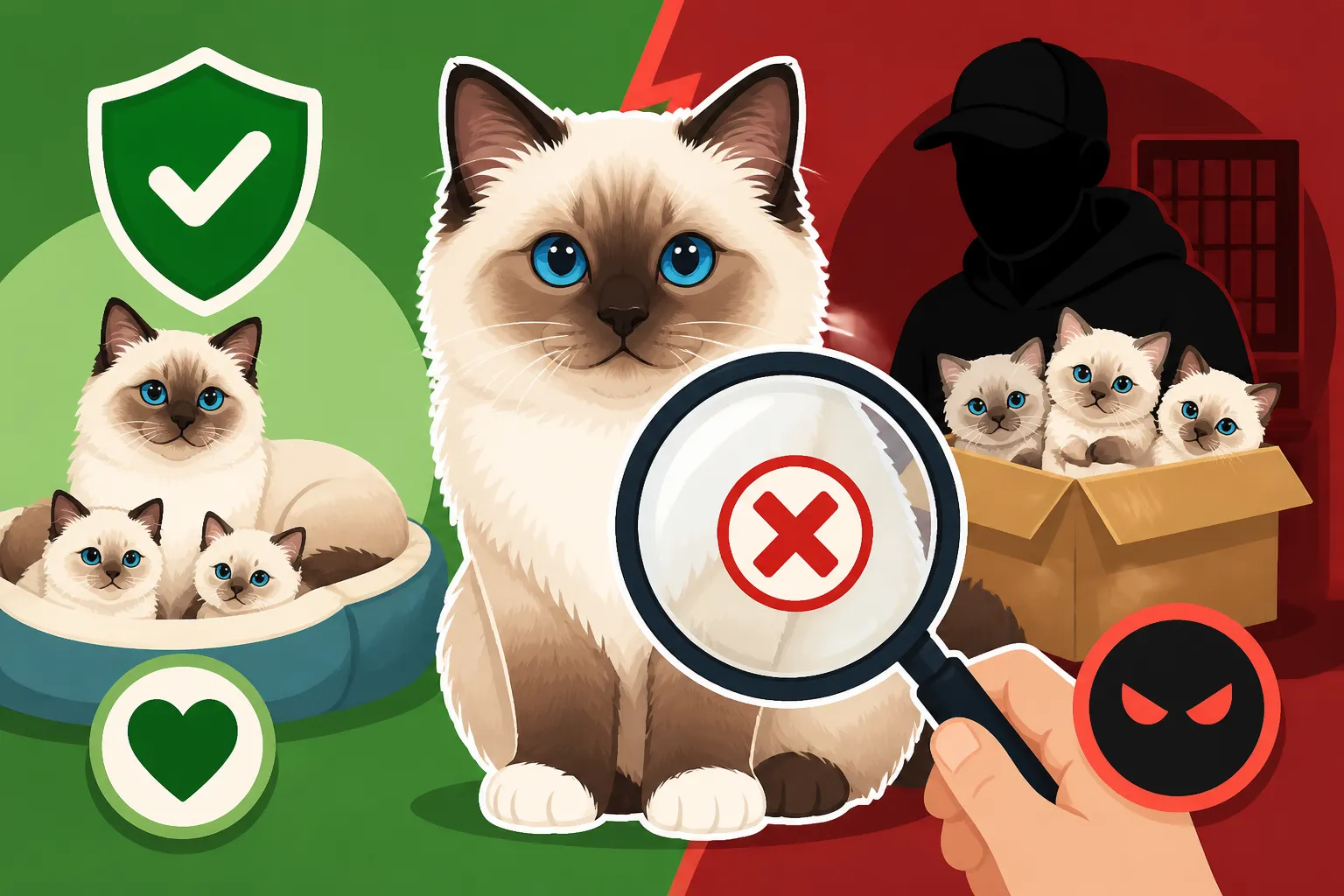
Bringing a beautiful Birman kitten home is a dream for so many of us, but the excitement can sometimes overshadow the crucial steps needed to ensure your new family member is truly healthy. Sadly, not all breeders operate with the highest ethical standards, and falling for a breeder selling untested kittens can lead to heartbreaking health issues and astronomical vet bills down the line. This guide is here to empower you with the knowledge to identify and avoid irresponsible breeders, ensuring you find a healthy, well-cared-for Birman that will thrive.
Understanding the Importance of Health Testing in Birmans
When you’re looking for a Birman, you’re not just buying a cute face; you’re investing in a lifetime of companionship, and that companionship should be as long and healthy as possible. The sad reality is that without proper health testing, you could inadvertently be bringing home a kitten predisposed to serious genetic conditions that will cause immense suffering and expense. Responsible breeders understand this deeply and see health testing as a non-negotiable part of their commitment to the breed.
The Birman's Unique Health Vulnerabilities
Like many purebred cats, Birmans have certain genetic predispositions that make health testing incredibly important. You might hear terms like Hypertrophic Cardiomyopathy (HCM), Polycystic Kidney Disease (PKD), and even a rare condition called Feline Hypotrichosis with Thymic Aplasia, also known as FOXN1. These aren't just fancy names; they represent serious health threats. For instance, FOXN1 Is the Birman's Own Genetic Disease, a condition where kittens are born bald and have a compromised immune system, often leading to a very short and tragic life.
HCM, a thickening of the heart muscle, has no DNA test in Birmans, meaning a specialized cardiac ultrasound (echo) is the only way to screen breeding cats. PKD, on the other hand, is a nasty inherited kidney disease that causes cysts to form in the kidneys, eventually leading to kidney failure. While these conditions can be devastating, the good news is that responsible breeders can, and do, take steps to minimize their occurrence through diligent testing and careful breeding practices. Understanding these risks is your first line of defense.
Ignoring these potential issues doesn't make them go away; it just pushes the problem onto unsuspecting families. A kitten from untested parents might seem perfectly fine at eight or ten weeks, but the genetic time bomb could be ticking. Imagine the heartbreak of realizing your beloved companion is suffering from a condition that could have been prevented with a simple test on its parents. This is why thorough, breed-specific health testing is not just a recommendation, it's an ethical imperative for anyone serious about the welfare of Birmans.
Why Responsible Breeders Prioritize Testing
Responsible breeders aren't just in it for the aesthetics or the profit; they are passionate custodians of the Birman breed. Their primary goal is to produce healthy, well-adjusted kittens that embody the breed standard, and central to this is rigorous health testing. They invest significant time, effort, and money into screening their breeding cats for known genetic conditions. This isn't a cheap endeavor, but it’s an essential one, demonstrating their commitment to the breed's future and the well-being of every kitten they bring into the world.
A breeder who truly cares will openly discuss their testing protocols, share results, and explain what each test means for the health of their lines. They understand that by testing, they are not just protecting their own cattery, but also contributing to the overall health and genetic diversity of the Birman breed globally. They know that a healthy cat is a happy cat, and a healthy lineage means a sustainable future for the breed. This dedication is often reflected in the comprehensive health guarantees they offer, a testament to their confidence in their practices.
For example, when it comes to Why a Birman Breeder Still Tests for PKD, even though many lines are now clear, a responsible breeder knows that vigilance is key. They understand that genetic diseases can resurface or spread if not carefully monitored. They might work closely with veterinary cardiologists for HCM screenings, ensuring their cats receive regular echocardiograms. This proactive approach minimizes the chances of passing on genetic problems, giving you peace of mind and your kitten the best possible start in life.
Red Flags in Breeder Communication and Transparency
When you're interacting with a potential breeder, pay very close attention to how they communicate. Their willingness (or unwillingness) to provide specific information and answer questions openly can tell you a lot about their integrity and breeding practices. Red flags often appear early in these conversations, long before you even see a kitten.
Evasiveness Around Health Certificates
One of the biggest warning signs is when a breeder is vague or outright dismissive about providing health certificates for the parent cats. If you ask about specific tests like HCM echocardiograms, PKD DNA tests, or FOXN1 screenings, and the breeder responds with "Oh, our vet says they're perfectly healthy," or "They've all been vet checked," that's a huge red flag. A general vet check-up, while important for routine care, does not replace specific genetic health screenings. You need to see actual, verifiable documentation of these tests.
A responsible breeder will not only readily provide copies of these certificates but will often offer to walk you through them, explaining the results for each parent. They'll have detailed records for their breeding cats, showing 'clear' results for genetic DNA tests and normal cardiac findings from a certified veterinary cardiologist for HCM. If a breeder hedges, changes the subject, or claims the paperwork isn't readily available, it's a strong indication that the testing might not have been done, or the results aren't favorable. Remember, you're looking for proof, not just assurances.
It’s also crucial to understand the nuances of these results. For instance, How the PKD1 Test Clears a Birman involves a simple DNA test, and the result should clearly state 'N/N' or 'Homozygous Normal' for both parents, indicating they are completely free of the PKD1 mutation. For HCM, you'll want to see recent echocardiogram reports from a board-certified cardiologist, with specific measurements and a clear statement that no signs of HCM were found. Don't be shy about asking for this level of detail; it's your right as a prospective owner.
Lack of Information on Parent Cats
Another concerning sign is when a breeder provides very little information about the kitten's parents, or only offers details about one. A good breeder will be proud to introduce you to both the queen (mother) and the stud (father), whether in person, via photos, or detailed descriptions. They should be able to tell you about their parents' temperaments, health histories, and how they fit into the cattery's breeding program. If the father is an outside stud, the breeder should still have all his health certificates and pedigree information readily available.
When a breeder seems hesitant to share photos or videos of both parents, or can't articulate their personality traits beyond a superficial level, it suggests a lack of deep engagement with their breeding stock. They should be able to discuss the lineage, temperament, and even how the parents' characteristics are expected to influence the kittens. This transparency is a cornerstone of ethical breeding, demonstrating a breeder's long-term investment in their cats and their offspring.
It's particularly important to ask about What Two Founder Cats Did to the Birman's Inbreeding Figure and how the breeder manages genetic diversity within their lines. This shows their awareness of the breed's history and potential for inherited traits. If a breeder deflects questions about the sire or dam, or makes excuses about their availability, it might mean they are trying to hide something, perhaps a less-than-ideal temperament, an unknown health issue, or simply a lack of connection to their own breeding program.
No Clear Breeding Goals or Philosophy
Responsible breeders operate with a clear vision and a well-defined philosophy, not just a casual interest in breeding. They have specific goals for improving the Birman breed, whether it's enhancing temperament, refining physical characteristics according to the breed standard, or eliminating specific health issues from their lines. If a breeder cannot articulate their breeding goals beyond "making cute kittens" or "just loving cats," that should raise a serious eyebrow.
They should be able to tell you how they select their breeding pairs, what traits they are aiming to preserve or improve, and how their chosen cats contribute to the overall health and quality of the breed. This isn't just about sounding fancy; it’s about a deliberate, thoughtful approach to breeding that sets them apart from casual backyard breeders who often overlook crucial aspects like genetic health and temperament. A true custodian of the breed is always looking towards the future, striving for betterment.
Furthermore, a responsible breeder will also have a philosophy when it comes to vetting potential kitten buyers. They will ask you a lot of questions – about your home environment, your experience with cats, your lifestyle, and your intentions for the kitten. This isn't an interrogation; it's a sign that they care deeply about where their kittens go and want to ensure a good match. If a breeder seems indifferent to your suitability as an owner and is just eager to make a sale, it’s a strong indication that their priorities might not align with the welfare of their animals. Think about Why a Birman Breeder Asks Whether You Are Home All Day – it's because they care about the kitten's social needs.
Scrutinizing the Breeder's Environment and Practices
When you visit a breeder, or conduct a thorough virtual tour, the environment itself can provide crucial insights into their practices. A clean, well-organized, and stimulating environment speaks volumes about a breeder's care and dedication. Conversely, certain visual cues and operational habits are immediate red flags.
Unsanitary or Overcrowded Conditions
A visit to a breeder's home or cattery should ideally reveal a clean, well-maintained, and odor-free environment. While it's a home with cats, and a stray hair or toy is to be expected, pervasive strong odors, visible grime, or multiple cats crammed into small spaces are huge warning signs. Overcrowding is a particular concern because it exacerbates stress, allows diseases to spread rapidly, and often indicates a breeder who is prioritizing quantity over quality and welfare.
Look for clean litter boxes, fresh water bowls, and easily accessible food. The kittens themselves should appear clean, well-fed, and active, with bright eyes and clear noses. If you notice kittens that are lethargic, have discharge from their eyes or nose, or seem fearful and withdrawn, these are signs of potential health issues or poor socialization, both of which are common in unsanitary or overcrowded conditions. A good breeder ensures each cat has adequate space, enrichment, and individual attention.
Remember, a breeder's primary residence should feel like a loving home for their cats, not a commercial facility, unless they have a dedicated, professional cattery structure that is maintained to impeccable standards. If you feel uncomfortable with the hygiene or the sheer number of animals present, trust your gut. These conditions not only pose immediate health risks to the kittens but also reflect a fundamental lack of care and respect for the animals they are breeding.
Kittens Available Too Young
This is a critical red flag: a breeder who is willing to let kittens go to their new homes before they are at least 12 to 13 weeks old. While a kitten might seem adorable and independent at 8 or 9 weeks, this period between 8 and 12-13 weeks is absolutely vital for their development. During this time, kittens learn crucial social skills from their mother and littermates, such as bite inhibition, appropriate play, and litter box etiquette. They also receive essential vaccinations and deworming treatments.
Allowing kittens to leave too early can lead to a host of behavioral problems down the line, including aggression, anxiety, and difficulty litter training. It also means they may not have received their full course of kitten vaccinations, leaving them vulnerable to serious illnesses. A responsible breeder understands the immense importance of these formative weeks and will never rush a kitten out the door. They will prioritize the kitten's long-term health and well-being over a quick sale.
Be very wary of any breeder who pushes you to take a younger kitten, or claims that their kittens are "ready to go" at 8 or 9 weeks. This often indicates they are trying to cut corners on care or simply don't understand the developmental needs of young felines. The extra few weeks a kitten spends with its littermates and mother in the breeder's care are an investment in its future health and temperament, and a good breeder will ensure this critical window is fully respected.
Multiple Breeds or "Designer" Crosses
When you visit a breeder, assess whether they specialize in Birmans or if they have a menagerie of different breeds, especially if they are also dabbling in "designer" crossbreeds. A dedicated Birman breeder typically focuses solely on one or perhaps two closely related breeds that they are deeply knowledgeable about. This specialization allows them to concentrate their efforts on maintaining the health, temperament, and specific standards of the Birman breed.
Breeders who have numerous different breeds, or who promote "rare" or "designer" crosses, often lack the in-depth knowledge and resources necessary to properly manage the health and genetics of each individual breed. This can lead to diluted breeding efforts, a lack of specific health testing for each breed's particular vulnerabilities, and a focus on novelty rather than quality. They might be more interested in chasing market trends than in upholding breed integrity and health.
Consider the potential for genetic problems to be inadvertently spread or overlooked when a breeder is juggling multiple breeds. Each breed has its own set of concerns, and managing them all effectively requires immense dedication. A true Birman enthusiast will pour their passion into their Birmans, ensuring they understand every aspect of The Birman Was Rebuilt From Two Cats and It Shows and how to maintain the health and beauty of this unique lineage. If a breeder seems more like a pet shop than a dedicated cattery, it's a sign to proceed with extreme caution.
Warning Signs in Pricing and Contract Details
While price shouldn't be the sole determining factor when choosing a kitten, it's certainly a significant indicator of a breeder's practices. Similarly, the contract you sign (or don't sign) is a vital piece of the puzzle, revealing how much protection and assurance the breeder offers.
Unusually Low Prices
We all love a good deal, but when it comes to purebred kittens, an unusually low price should be a blaring alarm bell, not a tempting offer. Responsible breeding is an expensive endeavor. It involves significant costs for health testing (DNA tests, vet visits, HCM echoes, PKD screenings), high-quality food, vaccinations, deworming, stud fees (if applicable), proper facilities, registration fees, and providing excellent care for the queen and kittens for at least 12-13 weeks. These costs add up quickly.
When a breeder sells a Birman kitten for significantly less than the prevailing average for the breed in your area, it almost always means they have cut corners somewhere. These cuts typically come at the expense of health testing, proper veterinary care, or quality nutrition for the parent cats and kittens. A "bargain" kitten often ends up being the most expensive in the long run, as new owners face unexpected veterinary bills for easily preventable genetic diseases, parasites, or behavioral issues stemming from poor early care.
For example, What the FOXN1 Test Costs and What the PKD1 Test Costs for a Birman are investments in preventing severe, lifelong suffering. A breeder who skips these to offer a lower price is not prioritizing the animals' well-being. Think of it this way: the price of a well-bred kitten reflects the breeder's investment in its health and future. If the price seems too good to be true, it almost certainly is, and you'll likely be paying the true cost (and more) in vet bills and heartache down the road.
Vague or Non-existent Contracts
A comprehensive, written contract is a hallmark of a responsible breeder. It protects both you and the breeder, outlining responsibilities, guarantees, and expectations. If a breeder offers a kitten with no contract at all, or only a vague, one-page agreement, walk away. This lack of formality leaves you with no recourse if issues arise, and it signals a breeder who isn't committed to ethical standards or accountability.
A robust contract should include:
- Health Guarantee: Clearly stating what congenital conditions are covered, for how long, and what the breeder's responsibility is if a condition arises. This might cover conditions like HCM or PKD within a certain timeframe.
- Spay/Neuter Clause: For pet kittens, this is crucial. It ensures the kitten will be desexed by a certain age and not used for breeding, protecting the breed from indiscriminate breeding.
- Return Policy: What happens if you can no longer keep the cat, or if a serious health issue arises that the breeder guaranteed against? Responsible breeders often require kittens to be returned to them rather than surrendered to a shelter.
- Identification: Details about the specific kitten, its parents, birth date, registration numbers, and microchip number.
Table: Responsible vs. Irresponsible Birman Breeders
| Feature | Responsible Breeder | Irresponsible Breeder (Untested Kittens) |
|---|---|---|
| Health Testing | Provides verifiable results (DNA, Echo) for specific breed conditions (FOXN1, HCM, PKD). | Vague "vet checked," avoids specific test questions, no documentation. |
| Parent Information | Proudly shares photos, health, and temperament details for both parents. | Little to no info on parents, only shows one, or makes excuses. |
| Environment | Clean, well-maintained, spacious, enriching. Kittens well-socialized. | Unsanitary, overcrowded, strong odors, fearful/sickly kittens. |
| Kitten Age | Kittens leave at 12-13 weeks or older (fully vaccinated, socialized). | Offers kittens at 8-10 weeks, pushes for early pickup. |
| Breeding Focus | Specializes in Birmans (or 1-2 related breeds) with clear goals. | Multiple breeds, "designer" mixes, no clear breeding philosophy. |
| Pricing | Reflects high cost of responsible care, testing, and quality. | Unusually low prices, often signaling cut corners. |
| Contract | Comprehensive, written document with health guarantee, spay/neuter, return policy. | No contract, or a vague, inadequate one. |
| Support | Offers lifetime support, available for questions post-purchase. | Becomes unresponsive after sale, no ongoing guidance. |
This type of detailed contract is a reflection of a breeder's confidence in their breeding program and their commitment to the welfare of their kittens throughout their lives. If a breeder minimizes the importance of a contract, it's a huge red flag.
No Neuter/Spay Clause for Pet Kittens
A crucial part of any responsible breeder's contract for a pet-quality kitten is a mandatory spay/neuter clause. This clause requires you, the new owner, to have your kitten desexed by a certain age, usually between 6 months and a year old. Sometimes, the breeder might even include the cost of the spay/neuter in the purchase price or arrange for the procedure to be done before the kitten leaves, if age-appropriate and agreed upon. This isn't about controlling your pet; it's about protecting the breed.
The purpose of this clause is twofold:
- Preventing Indiscriminate Breeding: It stops pet-quality kittens from being used for accidental or intentional breeding by inexperienced owners, which can introduce unknown genetics into the population, create more untested kittens, and potentially contribute to pet overpopulation.
- Maintaining Breed Standards and Health: By ensuring only carefully selected, health-tested cats are bred, responsible breeders safeguard the Birman's unique characteristics and work to minimize the prevalence of genetic diseases.
If a breeder sells you a kitten without any mention of a spay/neuter agreement, or if they offer breeding rights for a pet-priced kitten without extensive questioning about your breeding plans and experience, be extremely wary. This suggests they are indifferent to the long-term health and integrity of the Birman breed. It's a sign that they might not be breeding for the right reasons, potentially indicating a focus on profit over responsible stewardship.
Verifying Health Claims and Pedigree
Trust but verify, especially when it comes to the health of your future Birman companion. A responsible breeder will be transparent, but it's always wise to understand what to look for and how to confirm the information you're given. This due diligence is paramount for peace of mind.
Understanding Birman-Specific Genetic Tests
To truly verify a breeder's health claims, you need to know what tests are relevant to Birmans. We've touched on them, but let's dive a little deeper.
- FOXN1 (Feline Hypotrichosis with Thymic Aplasia): This is a rare, but devastating, genetic condition specific to Birmans. Kittens inheriting two copies of the faulty gene are born bald or with sparse hair and lack a thymus gland, making them severely immunodeficient. They rarely survive past eight months. This is a DNA test, so breeders should have clear results for their breeding cats, indicating 'Clear' or 'Carrier.' Why a Birman Kitten Born Bald Will Not Reach Eight Months is a stark reminder of why this test is so important.
- Hypertrophic Cardiomyopathy (HCM): This is a common heart disease in many cat breeds, including Birmans, where the heart muscle thickens over time. Unfortunately, for Birmans, there is no DNA test for HCM. Screening involves regular echocardiograms performed by a board-certified veterinary cardiologist. Breeding cats should be screened yearly or bi-yearly, and breeders should provide recent, clear echo reports. As mentioned, HCM in a Birman Has No DNA Test, Only an Echo.
- Polycystic Kidney Disease (PKD): This condition causes cysts to form in the kidneys, leading to eventual kidney failure. PKD is more prevalent in Persian-derived breeds, and because the Birman lineage includes outcrossings with Persians, PKD testing is essential. There is a reliable DNA test for PKD (PKD1), and breeding cats should be 'Clear' or 'N/N.'
It’s not enough for a breeder to say they "test for everything." You need to know what they test for and how they test. Ask specific questions about each of these conditions and what their screening protocols are.
How to Request and Interpret Test Results
When a breeder presents you with health test results, don't just glance at them. Take the time to understand what you're looking at. You're looking for official documents from accredited veterinary laboratories or board-certified specialists, not just handwritten notes from a general vet. For DNA tests like FOXN1 and PKD1, the reports should clearly state the names of the parent cats, their microchip numbers, the date of the test, the laboratory that performed it, and the definitive result (e.g., "Clear," "N/N," "Carrier").
For HCM, you’ll be looking for echocardiogram reports signed by a board-certified veterinary cardiologist. These reports should include specific measurements of the heart walls and chambers, and a conclusion stating that no evidence of HCM was found. The report should also specify the date of the echo, and ideally, these should be recent for active breeding cats. Ask to see reports for both parents of the kitten you are interested in. If a breeder only shows you one parent's results, or outdated results, that’s a concern.
Remember that a 'carrier' result for a DNA test like FOXN1 doesn't necessarily mean the cat is unwell, but it means the breeder must be extremely careful with mating choices. A responsible breeder would never mate two carriers together, as this carries a 25% risk of producing affected kittens. They would typically mate a carrier with a clear cat to ensure no affected offspring. Your understanding of these reports empowers you to ask informed questions and verify the breeder's claims. For specific guidance, you can always ask your own trusted vet to review the documents with you.
Checking Registries and Pedigrees
Beyond health tests, verifying a breeder's claims also involves looking into their registration and pedigree. Reputable Birman breeders will register their cats and litters with recognized cat registries such as the Cat Fanciers' Association (CFA), The International Cat Association (TICA), or the Governing Council of the Cat Fancy (GCCF) in the UK. These registries maintain pedigrees, which are essentially family trees for the cats, documenting their lineage over generations.
A pedigree serves multiple purposes. Firstly, it verifies that the cat is indeed a purebred Birman. Secondly, a well-documented pedigree often provides a glimpse into the health history of the ancestors. While it doesn't replace individual health testing, it shows a commitment to documented lines and can sometimes highlight if certain health issues have appeared in earlier generations. You can ask the breeder to provide the registration papers for the parents and the pedigree for your kitten. Often, you can even verify a cat's registration directly with the registry if you have the registration number.
Look for a long, consistent pedigree that traces back several generations, showing consistent Birman lineage. Be cautious if a breeder claims their cats are purebred but cannot provide registration papers or a detailed pedigree. This could indicate they are breeding unregistered cats, or that the lineage is not as pure as claimed, potentially hiding unknown outcrossings that could introduce unforeseen health issues. Which Certificates a Birman Breeder Hands Over With the Kitten should always include official registration documents and proof of pedigree.
Post-Purchase Red Flags and What to Do
The relationship with a responsible breeder doesn't end the moment you take your kitten home. In fact, that's often when a different kind of support truly begins. If a breeder disappears or your kitten develops issues, it's a clear indication that you've encountered an irresponsible operation.
Breeder Becomes Unresponsive
One of the most disheartening post-purchase red flags is when a breeder, who was once communicative and friendly, suddenly becomes unresponsive after the sale is complete. A reputable breeder sees themselves as a lifelong resource for their kitten owners. They want updates, they want to answer your questions, and they are genuinely invested in the well-being of the cats they've brought into the world. They understand that bringing home a new kitten can come with a learning curve and are ready to offer advice on everything from diet to behavioral quirks.
If you find yourself with questions about your kitten's care, behavior, or health, and your breeder is ignoring your calls or emails, it's a clear sign of a transactional mindset rather than a responsible one. This is especially alarming if your kitten starts exhibiting any signs of illness or unusual behavior within the first few days or weeks. This lack of support can leave new owners feeling isolated and overwhelmed, struggling to navigate unforeseen challenges without the guidance they were led to expect.
This unresponsiveness also means that if your kitten does develop a health issue covered by a hypothetical health guarantee, you might have little recourse. A responsible breeder would want to know immediately if their kitten was sick and would work with you to find solutions, honoring their guarantee. Their continued engagement is a critical part of the ethical breeding process, ensuring the kittens they produced are truly thriving in their new homes.
Kitten Develops Health Issues Soon After Arrival
Despite your best efforts in vetting a breeder, sometimes issues can still arise. However, if your Birman kitten develops significant health problems shortly after coming home, especially those related to common kitten ailments or genetic predispositions, it's a major red flag against the breeder. Common issues in poorly bred kittens can include persistent upper respiratory infections, severe gastrointestinal parasites, or lethargy that points to more serious underlying conditions. Why a Birman Hides Illness Behind a Placid Temperament means you might not even spot these issues immediately, but a good breeder should ensure a strong, healthy start.
Even more concerning are early signs of congenital or genetic conditions, which underscore the importance of proper parent testing. While no breeder can guarantee a kitten will never get sick, a rash of problems within the first few weeks suggests inadequate vet care, exposure to disease in the cattery, or a failure in health screening. This can lead to immense emotional distress and significant financial strain, as you rush to get your new companion the necessary veterinary attention. Pet insurance providers like Healthy Paws can help manage these unexpected costs, but prevention through responsible breeding is always the best approach.
Should your kitten fall ill soon after arrival, contact your breeder immediately. Document everything: vet visits, diagnoses, treatments, and all communications with the breeder. If the issue is covered by your contract's health guarantee, the breeder should be proactive in addressing it, whether through reimbursement for vet care, offering a replacement kitten, or accepting the kitten back. A breeder who dismisses your concerns or refuses to honor their contract is unequivocally irresponsible.
When to Walk Away or Report a Breeder
Knowing when to walk away is one of the hardest but most important decisions you can make in the kitten search. If, at any point during your interactions, you feel uncomfortable, encounter too many red flags, or simply have a gut feeling that something isn't right, it's okay to step back. Don't let emotion or the desire for a kitten override your judgment. It's far better to wait for the right breeder and the right kitten than to rush into a potentially heartbreaking situation.
If you've already acquired a kitten and are experiencing severe issues with the breeder or the kitten's health, and the breeder is unresponsive or refusing to honor their contract, you might need to consider reporting them. Reputable cat registries (CFA, TICA, GCCF) have ethics committees or complaints departments that investigate reports of unethical breeding practices. Animal welfare organizations in your area might also be able to offer guidance or accept reports, especially if you suspect animal neglect or abuse.
Gather all your evidence: communications with the breeder, the contract, veterinary records, and any health certificates you received. While reporting may not always lead to immediate action or solve your individual problem, it contributes to holding irresponsible breeders accountable and protects future potential buyers and, most importantly, future kittens. Protecting the Birman breed means supporting those who uphold its health and integrity, and identifying those who do not. Good food and supplies help owners care for their pets effectively, but they cannot replace the due diligence needed at the breeder selection stage.
Disclaimer
This article is for general informational purposes only and does not constitute professional advice. Laws, prices and regulations vary by location and change over time. Consult a qualified professional for guidance on your specific situation.