Which Certificates a Birman Breeder Hands Over With the Kitten
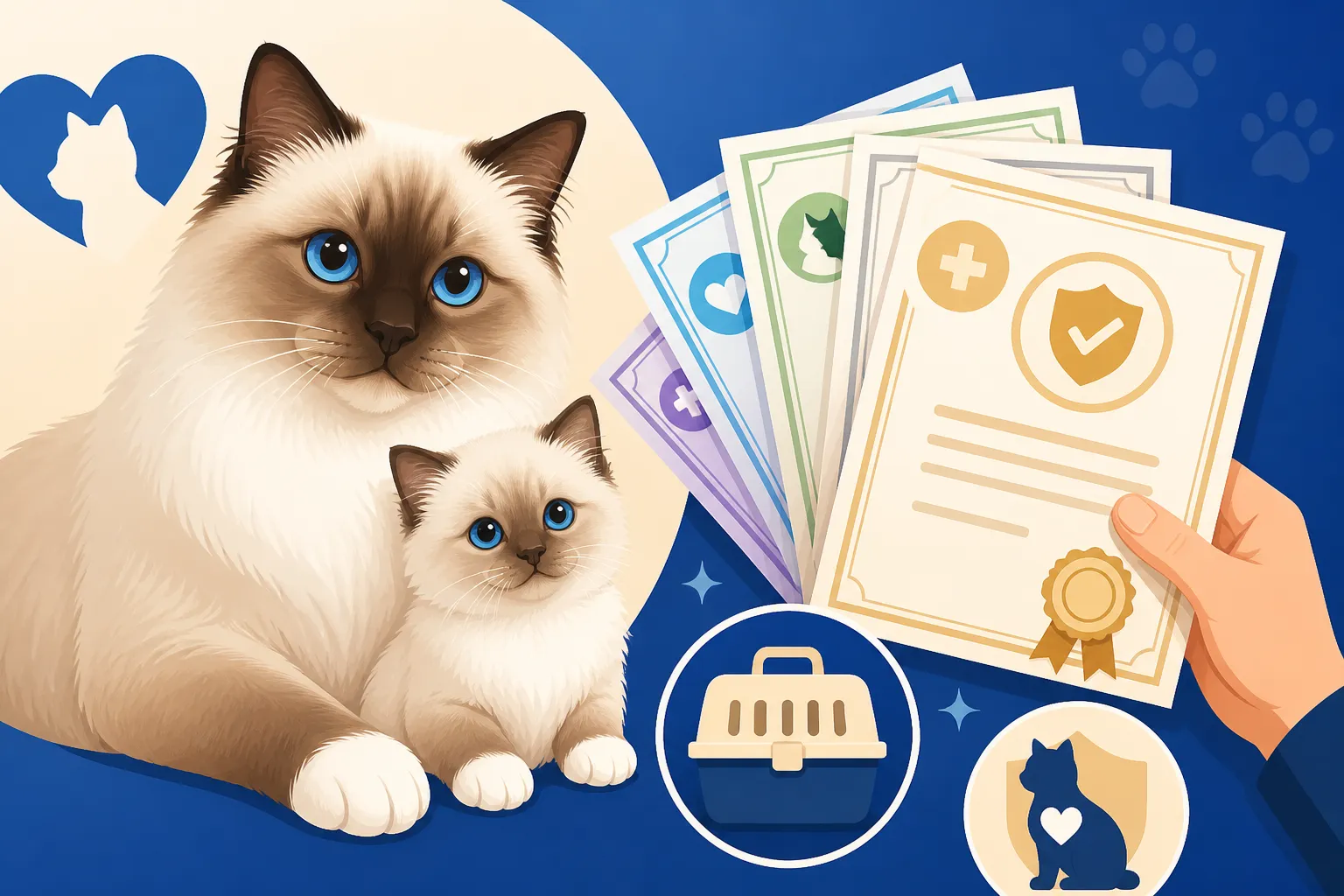
Bringing a new Birman kitten into your home is such an exciting time, full of anticipation and joy! But let's be honest, it can also feel a little overwhelming when you consider all the paperwork and official documents involved. You want to make sure you're getting a healthy, well-bred kitten from a responsible person, and the certificates a Birman breeder hands over are your first line of defense in confirming that. This guide is here to walk you through exactly what you should expect to receive, why each document matters, and what questions to ask to ensure you're starting your journey with your new companion on the best possible footing.
The Foundation of Your Birman's Identity: Registration Papers
When you welcome a Birman kitten into your family, you're not just getting a furry friend; you're adopting a tiny representative of a long and storied lineage. The registration papers are more than just fancy bits of paper; they are the official record of your Birman's heritage, confirming its breed purity and tracing its ancestry.
What Registration Papers Actually Mean
At its heart, a registration certificate from a recognized cat association proves that your kitten is indeed a Birman. It lists your kitten's official name, birth date, color, and most importantly, the names and registration numbers of its parents. This isn't about snobbery; it's about transparency and accountability. A registered Birman means its parents were registered Birmans, and their parents before them, ensuring a known lineage that adheres to breed standards. This lineage is often detailed in a pedigree, which is a family tree stretching back multiple generations. For a breed like the Birman, which famously went through a severe bottleneck after World War II, a comprehensive pedigree is fascinating and incredibly important for understanding its genetic history. You want to see that your kitten's ancestors trace back to the foundations of the breed, helping you appreciate Why a Birman's Pedigree Should Reach the Post War Founders. This deep dive into their past helps ensure the breed's integrity and gives you peace of mind about your kitten's true heritage. Without these papers, you really have no verifiable proof of breed.
Furthermore, a pedigree offers crucial insights beyond mere ancestry. It allows you to see common ancestors, giving you a glimpse into potential genetic predispositions or strengths within the line. Reputable breeders use pedigrees to carefully plan their matings, avoiding close relatives and striving to improve the breed's health and temperament. Think of it as your Birman's genetic resume, showcasing generations of careful breeding decisions. It’s also a point of pride for a breeder to show the depth and quality of their lines, demonstrating their commitment to the breed's future. These documents ensure that your kitten comes from a background that has been thoughtfully preserved and developed, rather than a casual or unverified breeding.
Understanding Your Birman's Registry and Breeder's Responsibilities
Globally, there are several major cat registries, such as The Cat Fanciers' Association (CFA) and The International Cat Association (TICA) in North America, or The Governing Council of the Cat Fancy (GCCF) in the UK, among others. Each of these organizations sets breed standards and maintains databases of registered cats. When a breeder registers a litter, they are essentially submitting proof that the parents are registered, healthy, and meet the breed criteria. You should always ask your breeder Which Registry Body Issues a Birman's Papers for your kitten. They should be able to tell you upfront which registry they use and show you copies of the parents' registration.
Once your kitten is ready to go home, the breeder has the responsibility to transfer the kitten's registration into your name. This usually involves a form you both sign, which is then sent to the registry. Sometimes, there's a small fee for this transfer, which might be included in the kitten's price or be your responsibility. It's crucial that this transfer happens, especially if you ever need to prove ownership or participate in cat shows (though pet kittens are usually sold on a non-breeding contract). The registration also dictates breeding rights; kittens sold as pets typically come with a limited registration or a spay/neuter agreement, meaning they cannot be used for breeding. This protects the integrity of the breed and ensures that only cats meeting strict health and conformation standards are used to perpetuate the line.
The breeder should guide you through this entire process, making sure you understand what each document means and how to complete any necessary transfer forms. A transparent breeder will have no problem explaining their chosen registry's rules and showing you their own registration certificates for their breeding cats. This level of professionalism is a strong indicator that you are dealing with someone who prioritizes the welfare and genetic health of their Birmans. Don't be shy about asking questions; a good breeder will appreciate your thoroughness and commitment to understanding your new family member's background.
Health Clearances and Genetic Testing Documentation
Beyond ancestry, the health of your Birman is paramount. Responsible Birman breeders invest significant time and resources into health screening their breeding cats to minimize the risk of passing on inherited diseases. The documentation of these health clearances is non-negotiable and provides crucial insight into your kitten's potential long-term health.
Proof of Parental Health Screening HCM and PKD
One of the most concerning health issues in many cat breeds, including Birmans, is Hypertrophic Cardiomyopathy (HCM), a thickening of the heart muscle that can lead to heart failure. Polycystic Kidney Disease (PKD), where cysts form on the kidneys, is another condition found in breeds with Persian ancestry, and indeed, Why PKD Reached the Birman Through the Persian. While there's no DNA test for HCM in Birmans, breeders should provide echocardiogram (heart scan) certificates for both parents, showing they are clear of the condition. These certificates should be from a board-certified veterinary cardiologist and ideally be current, as HCM can develop over time. Ask to see the actual reports, not just a verbal assurance. You want to see "normal" or "no evidence of HCM" on those documents.
For PKD, there is a reliable DNA test (PKD1), and a responsible breeder will have tested all their breeding Birmans to ensure they are negative. They should provide you with copies of these DNA test results for both parents. This test is a simple cheek swab, and it gives a clear "clear," "carrier," or "affected" result. You want to see "clear" for both parents. If one parent is a carrier, they must be bred only to a "clear" cat to ensure no kittens are affected, though the ethics of breeding carriers are debated. Understanding How the PKD1 Test Clears a Birman is important for any prospective owner. These documents aren't just for peace of mind; they are critical tools for preventing heartbreaking diseases and demonstrating the breeder's dedication to health.
FOXN1 Hypotrichosis Test Results
Another serious genetic condition specific to Birmans is FOXN1-related hypotrichosis, which can lead to a Birman kitten being born bald or with very sparse hair, alongside a severely compromised immune system due to a missing or underdeveloped thymus gland. This condition, sometimes referred to as 'short life expectancy,' is autosomal recessive, meaning a kitten must inherit two copies of the defective gene to be affected. If a kitten inherits two copies, it's often fatal within months because the kitten's immune system cannot fight off common infections, explaining Why a Birman Kitten Born Bald Will Not Reach Eight Months.
Reputable Birman breeders will have tested their breeding cats for the FOXN1 gene. You should receive documentation confirming that both parents are either "clear" (meaning they don't carry the gene) or, at the very least, that their status is known and they have been bred responsibly. For example, a "carrier" parent, who only has one copy of the gene and is perfectly healthy themselves, should only be bred with a "clear" cat to ensure no affected kittens are born. You must ask for these certificates and understand How a Birman Carrier Is Identified. Furthermore, it is absolutely paramount that you understand Why Two Birman Carriers Should Never Be Mated. A responsible breeder will never mate two carriers together, as this carries a 25% risk of producing affected kittens. The test results should be clearly documented from a reputable veterinary genetic testing lab, often showing the specific gene marker. This documentation is your assurance that your kitten comes from a line where this devastating disease is carefully managed and avoided.
| Document Type | Purpose | What to Look For | Why It's Important |
|---|---|---|---|
| Registration/Pedigree | Proof of breed purity and ancestry. | Registry name, kitten details, parent details, multiple generations. | Confirms true Birman lineage; aids in understanding genetic background. |
| HCM Echo Certificate | Proof of heart health for breeding parents. | "Normal" or "No evidence of HCM" from board-certified cardiologist. | Screens for Hypertrophic Cardiomyopathy, a serious heart condition. |
| PKD1 DNA Test | Proof of kidney health for breeding parents. | "Clear" result for both parents. | Screens for Polycystic Kidney Disease, a hereditary kidney disorder. |
| FOXN1 DNA Test | Proof of immune system/coat health for breeding parents. | "Clear" for both parents, or responsible carrier pairing. | Screens for Birman Hypotrichosis, a fatal immune deficiency/baldness condition. |
| Vaccination Record | Official record of kitten's immunizations. | Dates of vaccinations, vaccine types, vet's signature/stamp. | Ensures kitten is protected from common diseases and ready for boosters. |
| Microchip Certificate | Proof of microchip implantation and identification number. | Microchip number, date implanted, transfer instructions. | Essential for identification and reuniting if lost. |
| Sales Contract | Legal agreement outlining terms of sale, health guarantee, neuter clauses. | Clear terms, signatures of buyer/seller, health guarantee specifics. | Protects both parties; defines responsibilities and kitten's health warranty. |
| Kitten Care Guide | Breeder's specific advice on feeding, grooming, and general care. | Detailed feeding plan, litter type, grooming tips, socialization advice. | Ensures smooth transition for kitten; provides consistent care recommendations. |
Vaccination and Microchip Records
Bringing a new kitten home is a vulnerable time for them, especially as they adjust to a new environment and new people. Ensuring they have a solid start with vaccinations and a form of permanent identification is crucial for their well-being and your peace of mind.
The Vaccination Booklet: Your Kitten's Health Passport
Just like human babies, kittens need a series of vaccinations to protect them from common and potentially deadly diseases. Your Birman kitten should arrive with a vaccination record, often a small booklet, detailing all the immunizations they've received. This record should clearly state the type of vaccine administered (e.g., FVRCP for Feline Viral Rhinotracheitis, Calicivirus, and Panleukopenia), the date of administration, and crucially, the signature and stamp of the veterinarian who administered it. This isn't just a formality; it's a legal and medical document that serves as your kitten's health passport. It tells you exactly what protection your kitten has and when its next booster shots are due.
A responsible breeder ensures that their kittens receive their initial rounds of core vaccinations before they go to their new homes, typically starting around 8 weeks of age and continuing every 3-4 weeks until they are around 16 weeks old. Your vet will need this record when you take your kitten for its first check-up and subsequent boosters. Without this documentation, your vet might recommend restarting the entire vaccination course, which can be an added expense and stress for your kitten. It's also vital for understanding Which Vaccines a Birman That Never Goes Out Needs, as even indoor cats benefit from protection against airborne viruses or those carried on clothing. This booklet is a testament to the breeder's commitment to your kitten's early health and is a document you'll refer to throughout your Birman's first year.
Microchip Documentation and Transfer of Ownership
No matter how vigilant you are, there's always a slight chance your Birman could slip out an open door or window. This is where a microchip becomes a lifesaver. A microchip is a tiny, rice-grain-sized transponder inserted painlessly under your kitten's skin, usually between the shoulder blades. It contains a unique identification number that can be scanned by any vet clinic or animal shelter, linking your cat back to you. Your breeder should provide you with the microchip documentation, which includes the microchip number, the date it was implanted, and often instructions on how to register it in your name.
It's absolutely critical that you transfer the microchip registration from the breeder's name to your own as soon as possible. The breeder should initiate this process, providing you with the necessary forms or online portal information. If the microchip is still registered to the breeder, and your Birman ever gets lost and found, it will be returned to them, not to you. Understanding Why a Birman's Chip Details Must Be Transferred to You is vital for your peace of mind and your kitten's safety. This transfer ensures that you are the legal and contact owner associated with that unique identification number. Many reputable breeders will even pay the initial transfer fee as part of their commitment to ensuring their kittens are safely linked to their new families, but always clarify this detail.
The Sales Contract and Health Guarantee
While the joy of a new kitten is mostly emotional, the exchange of a Birman kitten is also a legal transaction. A reputable breeder will always provide a detailed sales contract and a health guarantee, acting as protective documents for both you and them. Don't let the formality scare you; these papers are there to ensure clear expectations and peace of mind.
Deciphering the Sales Agreement
A sales contract is a legally binding document outlining the terms and conditions of your kitten's purchase. It should clearly state the purchase price, the kitten's details (breed, color, date of birth, registration number if applicable), and the responsibilities of both the breeder and the buyer. Most importantly, it will include clauses regarding whether the kitten is being sold as a pet or with breeding rights. For pet Birmans, this almost always means a mandatory spay/neuter clause, often requiring you to have the procedure done by a certain age (e.g., 6-8 months) and provide proof to the breeder. This is particularly common for kittens that might have minor "mismarks" in their gloving or points, which, while not affecting their health or charm, mean they don't meet strict show standards for breeding. This explains Why a Mismarked Birman Is Sold on a Neuter Contract and protects the integrity of the breed standard.
Beyond the basics, the contract might also specify what happens if you can no longer care for the cat (often requiring the cat to be returned to the breeder), any restrictions on declawing (which no reputable Birman breeder would allow), and sometimes even dietary recommendations. It's crucial to read this document thoroughly, ask questions about anything you don't understand, and ensure all promises or agreements are in writing. This contract is your legal safeguard and a reflection of the breeder's ethical practices. Never rush through signing it; take your time to ensure you are comfortable with all stipulations.
Understanding the Health Guarantee
A health guarantee is a critical component of the sales contract. It's the breeder's promise regarding the kitten's health at the time of sale and often for a specified period afterward, particularly concerning genetic or congenital diseases. Typically, a guarantee will state that the kitten is free from infectious diseases (like upper respiratory infections) at the time of sale, usually requiring you to have your kitten examined by your own vet within a few days of bringing it home. If any immediate health issues are found, the contract should outline the breeder's responsibility – whether it's a refund, a replacement kitten, or covering vet costs.
More robust health guarantees extend to genetic conditions. For instance, a breeder might guarantee against fatal genetic diseases for one or two years, or even up to the point where an echo scan would typically detect HCM (around 2-3 years of age for many breeds). This is where discussions about Whether a Birman Guarantee Covers HCM become particularly important. Since HCM can manifest later in life, a guarantee that acknowledges this shows significant commitment from the breeder. Be realistic about what a guarantee can cover; no breeder can promise a cat will never get sick, but they can guarantee against known inherited conditions from their lines. This guarantee is not just a gesture; it's a financial and ethical commitment from the breeder to the well-being of the kitten they have brought into the world, offering you a layer of protection and demonstrating their confidence in their breeding program. Many owners opt for pet insurance, like plans offered by Healthy Paws, to further protect against unforeseen health issues that may arise over their Birman's lifetime.
Pedigree and Ancestral Health History
Digging deeper into your Birman's lineage offers not just a glimpse into their beautiful family tree, but also invaluable information about their genetic health and temperament predispositions. A truly dedicated breeder sees this as essential transparency.
Going Beyond the Parents: Multi-Generational Pedigree
While the immediate parents' health tests are vital, a multi-generational pedigree provides a much broader picture. Instead of just listing the parents, it will typically show three, four, or even five generations of ancestors. This allows you to see common names in the lineage, identify potential line breeding, and observe the patterns of traits and, crucially, health records throughout the generations. A good pedigree is a testament to consistent breeding practices and careful selection. For a breed like the Birman, which has a relatively contained gene pool due to its rebuilding after the wars, seeing a well-documented pedigree helps to understand What a Narrow Founder Base Left in the Birman and how responsible breeders manage this.
When you receive a multi-generational pedigree, you're not just looking at names; you're looking for indicators of responsible breeding. Are there any instances of very close relatives being bred? Is there a history of titles (like Grand Champion) which indicate conformation to breed standards, suggesting the breeder values quality? While it might seem like a lot of names and numbers, a deep pedigree offers insight into the consistency and foresight of the cattery's breeding program. It also serves as a beautiful historical document, connecting your kitten to the very earliest Birman lines, making its heritage truly palpable.
Publicly Available Health Information and Databases
In the era of information, transparency is a hallmark of ethical breeding. Many reputable breeders go beyond simply providing individual test results; they actively participate in public health databases or prominently display health information on their websites. While there isn't one universal, mandatory public database for cat health in the same way there might be for some dog breeds, breeders often list their cats and their health clearances through specific breed clubs or international health registries.
Don't hesitate to ask your breeder how they share their health information. They should be able to direct you to their website, a specific database, or provide you with direct links to the health pages of their parent cats. This public visibility reinforces their credibility and demonstrates a commitment not just to their own lines, but to the health of the entire Birman breed. If a breeder is evasive or reluctant to provide comprehensive health information, it's a red flag. You should be able to ask for specific health testing results, verification of those results (e.g., direct lab reports or cardiologist letters), and feel confident that you are getting a kitten from a line of thoroughly screened Birmans. This level of transparency makes verifying claims much easier and fosters trust between you and the breeder.
Kitten Care Guide and Feeding Instructions
Beyond the official documents, a truly caring breeder understands that bringing home a new kitten means a world of new questions and adjustments for you. They won't just hand you paperwork; they'll hand you guidance, ensuring your Birman's transition is as smooth as possible.
Detailed Feeding Schedule and Dietary Advice
One of the most immediate concerns for any new kitten owner is what, when, and how much to feed their new furry family member. Your breeder should provide you with a comprehensive feeding guide that details the exact brand and type of food your Birman kitten has been eating, the quantity per meal, and the feeding schedule. Consistency is key during these first few weeks in a new home; abruptly changing a kitten's diet can lead to digestive upset, which is the last thing you want when they're already adjusting. This guide ensures a seamless transition.
The breeder should also offer advice on how to gradually transition to a different food, should you choose to. They might recommend specific high-quality kitten foods that support a growing Birman's needs. Remember, a Birman's beautiful, silky coat and developing body require excellent nutrition. Your breeder will likely emphasize the importance of high-protein, balanced diets, possibly suggesting a mix of wet and dry food to ensure adequate hydration, especially considering the Birman's history with Why a Birman's PKD History Makes Water Intake Matter. This personalized advice is invaluable, helping you establish healthy eating habits for your kitten right from day one, understanding Feeding a Birman Kitten While Its Points Come In.
Grooming and Socialization Tips Tailored for Birmans
While Birmans are known for their relatively low-maintenance coats compared to some other long-haired breeds (thanks to their lack of an undercoat), they still require regular grooming. Your breeder should provide specific tips on how to introduce grooming routines gently and effectively, ensuring your Birman grows up to enjoy being combed. They might recommend certain types of combs that won't damage their silky hair, and explain how often you should be combing, probably around three times a week, to prevent mats, especially in areas like their ruff and britches. This initial guidance on How to Get a Birman Used to Grooming can make a huge difference in avoiding future struggles.
Beyond grooming, Birmans are known for their gentle, placid, and affectionate temperaments, thriving on companionship. Your breeder should offer insights into continued socialization, explaining how to introduce your kitten to new sounds, people, and experiences in a positive way. They might suggest specific toys that appeal to a Birman's quieter play style and advise on litter box management, perhaps recommending a low-dust, non-staining litter to help with Keeping a Birman's White Gloves White. These tips are not just general pet advice; they are tailored to the unique needs and personality of a Birman, helping you nurture a well-adjusted, happy companion who truly thrives in your home.
Additional Important Documents and Information
Sometimes, the most valuable information comes in less formal packages or covers aspects of ownership that aren't strictly "certificates." These additional items and discussions from your breeder further underscore their dedication.
Proof of Spay/Neuter or Desexing Agreement
For most pet Birman kittens, the sales contract will include a clause requiring you to have your kitten spayed or neutered by a certain age, typically between 5 to 8 months. This is a standard practice for reputable breeders who sell kittens as "pets" rather than for breeding. It helps prevent accidental litters, reduces certain health risks (like mammary tumors in females or prostate issues in males), and curbs undesirable behaviors like spraying or roaming. Your breeder will usually require proof from your veterinarian that the procedure has been completed, often in the form of a vet certificate or a receipt for the operation.
In some cases, particularly if you are acquiring a slightly older kitten or a retired breeding cat, the breeder may have already had the procedure done. In such instances, they should provide you with the veterinary certificate confirming the spay or neuter. This ensures there's no ambiguity about the cat's breeding status and fulfills the ethical obligation of ensuring pets don't contribute to unwanted populations. Understanding When to Neuter a Birman and What It Costs is also a good question to discuss with your breeder, so you can budget appropriately for this essential procedure. This aspect of the kitten's paperwork ensures that the future of the Birman breed is carefully managed and that your pet Birman lives a healthy, contented life without the stresses associated with reproduction.
Pedigree, Photo, and "Go-Home" Pack
Beyond the official paperwork, many dedicated Birman breeders go the extra mile to provide thoughtful "go-home" packs designed to make your kitten's transition as smooth and stress-free as possible. This often includes a printed copy of the kitten's pedigree, sometimes beautifully presented, allowing you to proudly display its ancestry. They might also include a lovely photo of the parents, or even a kitten photo album documenting your little one's early weeks. These personal touches emphasize the breeder's pride in their cats and their commitment to you as a new owner.
The "go-home" pack might also contain a small bag of the food the kitten has been eating, a favorite toy, or a blanket imbued with the comforting scent of its mother and littermates. These familiar items are incredibly helpful in reducing stress and making your Birman feel secure in its new environment. Some breeders even provide a few days' supply of the specific litter they've been using. These thoughtful inclusions, though not formal certificates, speak volumes about the breeder's care and their desire for your kitten to thrive. They show that your breeder views their role as extending far beyond the point of sale, offering continued support and resources as you embark on this wonderful journey with your new Birman.
Disclaimer
This article is for general informational purposes only and does not constitute professional advice. Laws, prices and regulations vary by location and change over time. Consult a qualified professional for guidance on your specific situation.