Why a Mismarked Birman Is Sold on a Neuter Contract
It's incredibly frustrating when you're looking for a specific purebred kitten, maybe a beautiful Birman, and you come across terms like "mismarked" or "pet-only contract." You might wonder if there's something wrong with the kitten, or if you're getting a lesser version of the breed. This comprehensive guide will explain exactly what a mismarked Birman is, why they are sold on neuter contracts, and why these contracts are a hallmark of responsible breeding practices, ensuring you understand the value and joy of welcoming such a cherished companion into your home.
Understanding the Birman Standard and "Mismarks"
When you picture a Birman cat, certain striking features likely come to mind: their piercing blue eyes, luxurious silky coat, and, of course, those pristine white "gloves" on their paws. These characteristics are what define the breed standard, but sometimes, nature throws a delightful curveball.
The Ideal Birman Look: What Judges Seek
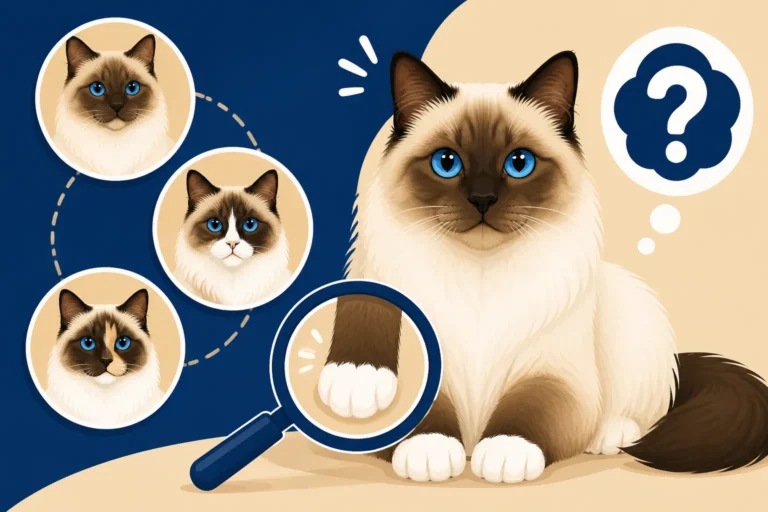
Breed standards are essentially a blueprint for what a perfect example of a particular breed should look like. For the Birman, this isn't just about beauty; it’s about preserving the unique traits that set them apart. Judges in cat shows are meticulously looking for very specific things, especially when it comes to the Birman's paws. The ideal Birman should have pure white "gloves" on its front paws, ending in a perfectly even line across the paw, like dainty little socks. On the back paws, these white markings, known as "laces," should extend further up the hock, forming a point or a V-shape, again with a clean, even line. The symmetry and purity of these white markings are highly valued. Beyond the paws, judges assess head shape, ear set, eye color, body length, and coat texture, all contributing to the overall Birman ideal. You can learn more about these specific requirements by looking into What Judges Look For on a Birman's Paws First. Breeders invest years of dedication and careful planning into trying to produce kittens that meet these exacting standards, a truly challenging endeavor.
Defining a "Mismarked" Birman: Beyond the Show Ring
A "mismarked" Birman, then, is simply a cat that doesn't quite conform to every tiny detail of that strict breed standard. This doesn't mean the cat is any less healthy, intelligent, or affectionate. It simply means its cosmetic appearance has some variations. Common mismarks include uneven gloves (one glove might be higher or lower than the other), "runners" (streaks of white running up the leg from the glove), "gauntlets" (white markings extending too far up the back of the hind legs), or a lack of clear definition in the "laces." Sometimes, the white might extend up into the colored points of the leg, or there might be colored spots on the white areas. These are all considered deviations from the ideal. Crucially, these are purely aesthetic differences; they have no bearing on the cat's health, temperament, or its ability to be a loving family member. In fact, many people find these unique markings charming and distinctive. For a deeper dive into these variations, you might be interested in What Counts as a Mismarked Birman.
The Genetic Lottery of Birman Gloving
You might wonder why, if breeders are so careful, mismarked kittens still appear. The truth is, the genetics behind the Birman's iconic white gloves are surprisingly complex. While every Birman carries two copies of the "gloving gene," responsible for the white feet, there are also various "modifier genes" that influence exactly how those white markings express themselves. These modifiers can dictate the height, symmetry, and clarity of the gloves and laces. It’s not as simple as a dominant or recessive gene; it’s a polygenic trait, meaning many different genes contribute to the final look. This is why even two perfectly marked, show-quality Birman parents can produce a litter with a mix of ideal, near-ideal, and mismarked kittens. It’s a bit like the human lottery of hair color or height; you can predict general trends, but precise outcomes are often a beautiful surprise. This unpredictable nature of the gloving gene is why ethical breeders recognize that while they strive for the ideal, they also cherish every kitten, knowing each is a unique expression of the breed. Understanding Why Glove Genetics Are Unpredictable in a Birman helps put these variations into perspective.
The Purpose of a Neuter Contract for Mismarked Birmans
So, if mismarks are just cosmetic, why the fuss about neuter contracts? It all comes down to responsible breeding and the preservation of the breed's integrity, not just its looks.
Protecting the Breed Standard
Responsible breeders operate with a fundamental commitment to the health, temperament, and adherence to the breed standard for the Birman. Their goal isn't just to produce kittens, but to produce better Birmans, improving the breed with each generation. This means making careful choices about which cats to breed. When a kitten is born with markings that deviate from the breed standard, even if they are otherwise perfect in health and temperament, allowing it to be bred would be seen as diluting the standard. A neuter contract ensures that these cosmetic variations are not passed on, helping to maintain the distinct characteristics that make a Birman a Birman. It's a way of saying, "This cat is a wonderful pet, but its specific markings aren't what we want to perpetuate in the breeding lines." This is why a kitten with less-than-perfect markings is often designated as a "pet price" cat, as detailed in Why a Mismarked Birman Is a Pet Price Cat.
Focusing on Pet Quality vs. Show/Breeding Quality
In the world of purebred cats, kittens are often categorized into different "qualities" based on how closely they meet the breed standard. "Show quality" kittens are those deemed exceptional examples of the breed, suitable for exhibition. "Breeding quality" kittens possess the desired traits to contribute positively to future generations. Then there are "pet quality" kittens. These are just as healthy, just as loving, and just as much a Birman as their show-quality siblings, but they might have a minor cosmetic fault, like a mismark. Neuter contracts clearly designate these cats as beloved companions, destined for a life of cuddles and play rather than a breeding program. They might not win ribbons in the show ring for their markings, but they'll win your heart with their personality. In many cases, these pet-quality kittens are sold for a slightly lower price than their show-potential siblings, making them more accessible to families who simply want a beautiful, healthy Birman to cherish. This doesn't diminish their value; it merely reflects their intended role. In fact, for many owners, a slightly unique marking makes their Birman even more special, and a near-perfectly gloved pet Birman can still command a good price because of its overall quality, as explored in Why Near Perfect Gloves Raise a Pet Birman's Price.
Preventing Irresponsible Breeding and Backyard Operations
Perhaps one of the most critical reasons for neuter contracts is to prevent irresponsible breeding. Without these contracts, someone might acquire a mismarked Birman, see its beauty (which it undoubtedly possesses!), and decide to breed it without understanding the genetics, health implications, or the breed standard. This can lead to "backyard breeding" where cats are bred without proper health testing, without knowledge of pedigrees to avoid inbreeding, and often without adequate care for the mother and kittens. This practice not only undermines the efforts of ethical breeders but can also introduce or perpetuate genetic health issues within the breed. Neuter contracts are a vital tool to ensure that every Birman kitten sold for pet companionship remains just that – a cherished pet – and doesn't inadvertently become part of a detrimental breeding cycle. Responsible breeders will always have paperwork and health certificates for their cats, and knowing How to Spot a Birman Breeder Selling Untested Kittens is crucial for any prospective owner. These contracts safeguard the future health and integrity of the Birman breed.
The Breeder's Perspective: Why Neuter Contracts Are Essential
From the breeder's point of view, neuter contracts aren't just a formality; they're an integral part of their ethical commitment to the Birman breed.
Investment in Health and Pedigree
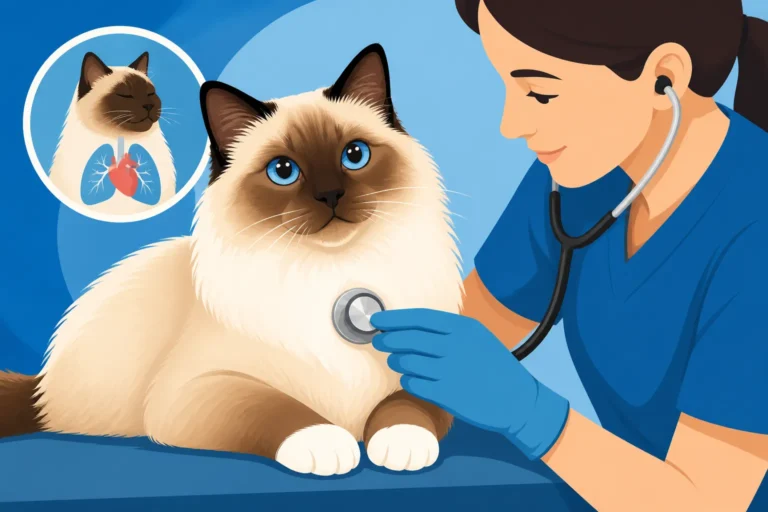
Becoming a responsible Birman breeder is a significant undertaking, requiring a massive investment of time, money, and emotional energy. Breeders spend years studying pedigrees, genetics, and breed standards. They invest heavily in high-quality food, veterinary care, and facilities for their breeding cats. Crucially, they conduct extensive health testing to screen for genetic conditions prevalent in the breed, such as Hypertrophic Cardiomyopathy (HCM), Polycystic Kidney Disease (PKD), and Feline Hypotrichosis (FOXN1). Tests like What the FOXN1 Test Costs and What the PKD1 Test Costs for a Birman are recurring expenses. They also pay for regular cardiac scans to monitor heart health, which can be quite costly. This rigorous health screening ensures that only the healthiest cats are part of the breeding program, reducing the risk of passing on inheritable diseases to future generations. When a breeder places a mismarked kitten on a neuter contract, they are protecting this immense investment in health and pedigree. They're ensuring that their carefully selected, health-tested lines continue to produce healthy Birmans, even if a particular kitten's markings aren't show-perfect.
Ethical Breeding Practices and Reputation
A reputable Birman breeder's reputation is built on their ethical practices and their commitment to the welfare and improvement of the breed. This means being transparent about their breeding goals, their health testing protocols, and the placement of their kittens. Selling mismarked cats on neuter contracts is a clear indication of this ethical stance. It demonstrates that the breeder prioritizes the breed standard and the health of the cats over simply selling kittens for maximum profit. They are not trying to pass off a "pet quality" cat as breeding stock. A good breeder will proudly share all relevant documentation, including health certificates, pedigrees, and even results of genetic tests, as outlined in Which Results a Birman Breeder Must Put in Writing. This transparency builds trust and assures buyers that they are supporting someone who genuinely cares about the future of the Birman breed. It's a testament to their dedication to responsible animal husbandry.
Managing the Gene Pool Responsibly
One of the greatest responsibilities of a breeder is to manage the gene pool of their chosen breed effectively. This involves carefully selecting breeding pairs to enhance desirable traits and minimize genetic risks. The Birman breed, like many purebreds, has faced challenges due to a relatively small founder base, which can lead to higher levels of inbreeding if not managed carefully. Understanding What a Narrow Founder Base Left in the Birman is crucial for breeders. By placing mismarked kittens on neuter contracts, breeders ensure that cats with minor cosmetic deviations from the standard do not accidentally contribute to the breeding pool. This helps to channel genetic traits in a controlled, purposeful direction, focusing on those cats that most closely embody the breed ideal in both health and appearance. It's a long-term strategy to ensure the vitality and integrity of the Birman for generations to come, preventing the proliferation of traits that, while harmless, are not characteristic of the breed's established standard.
What a Neuter Contract Entails for Owners
For you, the prospective owner, a neuter contract is a straightforward agreement that comes with specific responsibilities and clear benefits. It’s all about ensuring the long-term well-being of your new family member.
The Legal Aspect and Your Responsibilities
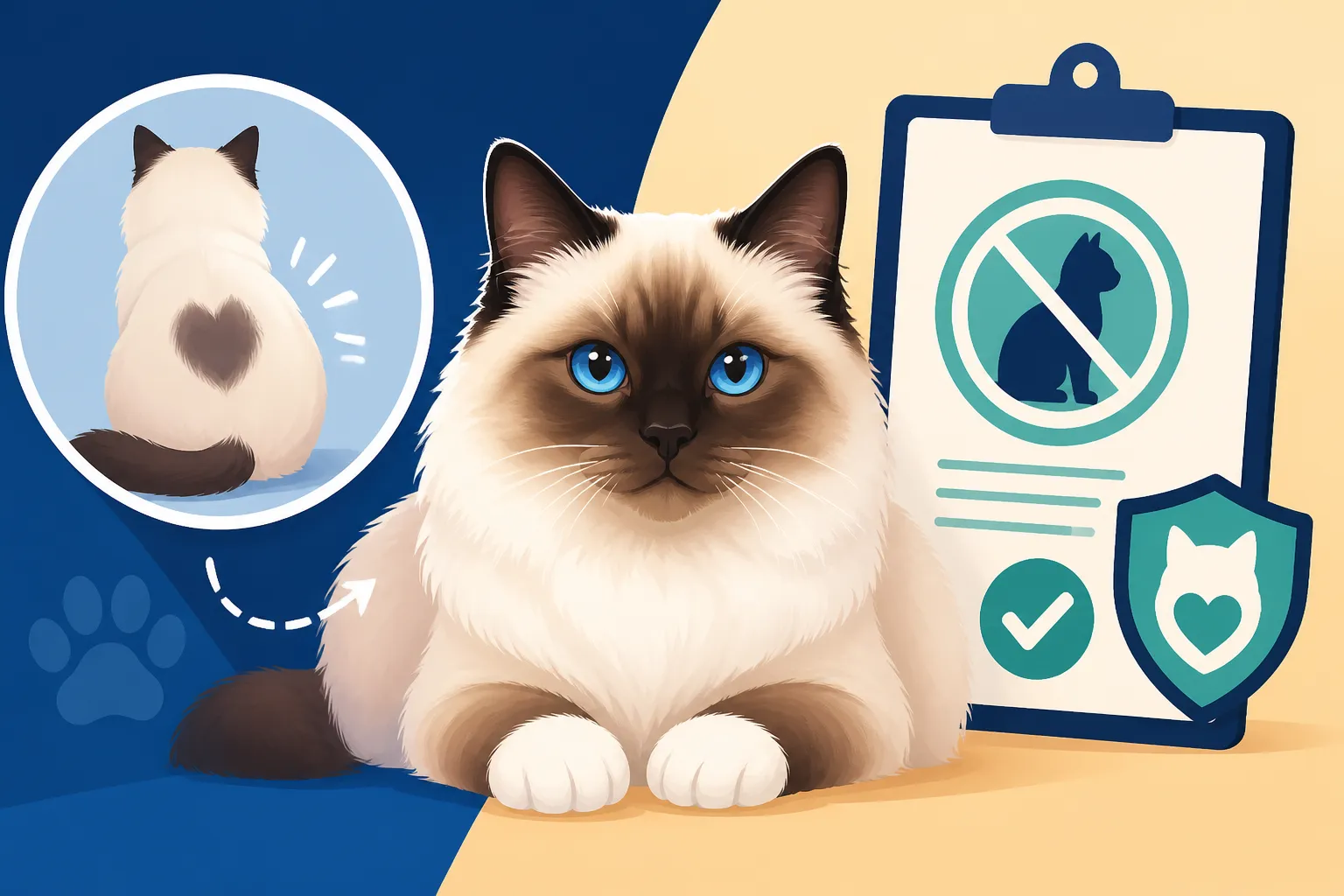
A neuter contract is a legally binding document between you and the breeder. When you sign it, you are agreeing to have your Birman kitten spayed or neutered by a certain age, often between 4 and 6 months, or by a veterinarian-recommended timeline. The contract will typically require you to provide proof of the procedure from your veterinarian, such as a certificate or a letter confirming the spay/neuter. While it might sound formal, it's really there to protect both the kitten and the integrity of the breed. Failing to adhere to the terms of the contract can have consequences, which might be outlined in the document, such as financial penalties or even the potential for the breeder to reclaim the cat (though this is rare and usually a last resort). It's crucial to read and understand every part of the contract before you sign it, and don't hesitate to ask the breeder any questions you may have.
Benefits of Early Neutering for Your Birman
Beyond the contractual obligation, there are numerous health and behavioral benefits to spaying or neutering your Birman. From a health perspective, early neutering significantly reduces the risk of certain cancers, such as mammary tumors in females and testicular cancer in males. It also eliminates the risk of pyometra, a life-threatening uterine infection in unspayed females. Behaviorally, neutered males are far less likely to spray urine to mark territory, roam in search of mates, or engage in aggressive behaviors with other cats. Females will not experience heat cycles, which can be noisy and messy, and will avoid unwanted pregnancies. Your Birman will generally be a calmer, more contented housecat, less driven by hormonal urges. Many breeders recommend specific timings for the procedure; you can investigate When to Neuter a Birman and What It Costs to get an idea of what to expect and discuss the best approach with your vet and breeder. It’s a procedure that contributes to a longer, healthier, and happier life for your companion.
The Difference in Price: Pet vs. Breeding Rights
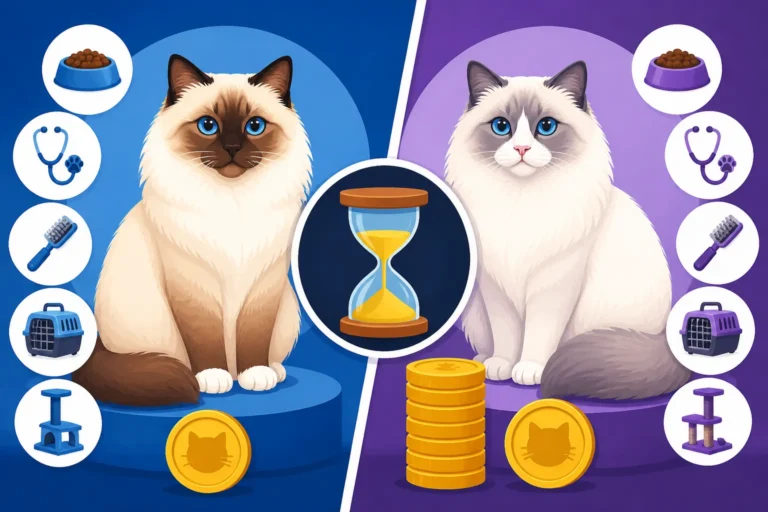
It’s common to see a significant difference in the price of a Birman kitten depending on whether it's sold as a "pet-only" or with "breeding rights." A mismarked Birman on a neuter contract will almost always fall into the pet-only category and, consequently, will have a lower purchase price than a show or breeding quality kitten. This difference isn't arbitrary. Breeders invest more time, money, and expertise into identifying and raising kittens with the potential to be part of a breeding program. Breeding cats themselves are subject to more extensive health testing, veterinary care, and ongoing evaluation. When a kitten is sold with breeding rights, it means the breeder trusts the buyer to continue the same high standards of care, testing, and ethical practice. Essentially, you're paying for the genetics and the potential future generations that cat can produce. In contrast, when you buy a pet-only Birman, you're investing solely in a loving companion, and the price reflects the cost of raising that kitten to a healthy, well-socialized age, without the added premium for its genetic contribution to the breed. You can read more about Why Breeding Rights on a Well Gloved Birman Cost Most to understand the financial aspects more clearly.
Living with a Mismarked Birman: A Cherished Companion
Ultimately, a mismarked Birman is a Birman through and through – a loyal, affectionate, and beautiful cat that will bring immense joy to your life. The superficial differences in their markings do not define their spirit or their ability to be an extraordinary pet.
Personality and Health Remain Unaffected
It’s worth repeating: a mismarked Birman is just as healthy and possesses the same wonderful temperament as a perfectly marked one. The "mismark" is purely a cosmetic variation, a unique birthmark if you will. The Birman breed is renowned for its gentle, sweet, and placid nature. They are known to be intelligent, affectionate, and wonderfully social, often following their humans from room to room just to be near them. They adapt well to family life, are usually good with children and other pets, and possess a soft, melodious voice. These defining personality traits are inherent to the breed and are completely unaffected by whether their gloves are perfectly symmetrical or their laces run a little too high. They will still be the "Sacred Cat of Burma," embodying all the legendary charm and grace, as celebrated in The Birman Is the Sacred Cat of Burma, and the Story Is a Legend. You're bringing home a cherished soul, not a showpiece.
Finding a Responsible Breeder
When seeking any Birman, whether perfectly marked or gloriously mismarked, the most crucial step is finding a responsible and ethical breeder. A reputable breeder will prioritize the health and temperament of their cats above all else. They will be transparent about their breeding practices, health testing, and the specific traits of their lines. Don't be shy about asking questions! Inquire about the health testing done on the parents (e.g., for HCM, PKD, and FOXN1), ask to see the facilities where the kittens are raised, and request to see the kitten's parents if possible. A good breeder will also ask you plenty of questions to ensure their kitten is going to a good home. They should provide a written health guarantee, a detailed contract, and all necessary registration papers once the spay/neuter proof is provided. Always ensure you can How to Verify a Birman's Test Certificates to confirm the health claims. These breeders are passionate about the Birman and will often serve as a lifelong resource for advice and support.
Celebrating Your Unique Birman
Embrace the individuality of your mismarked Birman! Their unique markings are part of what makes them special. They are a one-of-a-kind furry family member, and their slight deviation from the show standard in no way diminishes their inherent beauty or their capacity for love. Providing your Birman with high-quality nutrition, regular veterinary care, and a stimulating home environment are far more important than any cosmetic detail. And don't forget the importance of pet insurance; companies like Healthy Paws can offer peace of mind, covering unexpected veterinary costs, regardless of your Birman's markings. Your unique Birman will bond deeply with you, offering years of companionship, quiet purrs, and gentle head nudges that are truly priceless.
| Feature | Show Quality Birman | Pet Quality (Mismarked) Birman |
|---|---|---|
| Glove Markings | Perfectly even white gloves; symmetrical laces | Uneven gloves, "runners," "gauntlets," color on white |
| Breed Standard | Meets all aspects of the official breed standard | Minor cosmetic deviations from the breed standard |
| Price | Higher, reflecting show/breeding potential | Lower, reflecting "pet-only" status |
| Contract | May include breeding rights (higher price) | Always includes a neuter contract |
| Breeding | Suitable for responsible breeding programs | Not to be used for breeding |
| Health | Excellent, with extensive health testing | Excellent, with extensive health testing |
| Temperament | Typical Birman: gentle, affectionate, placid | Typical Birman: gentle, affectionate, placid |
| Value to Owner | Esteemed show/breeding animal, cherished companion | Cherished companion, no less loved or beautiful |
Disclaimer
This article is for general informational purposes only and does not constitute professional advice. Laws, prices and regulations vary by location and change over time. Consult a qualified professional for guidance on your specific situation.