Whether a Birman Guarantee Says Anything About the Heart
Bringing a beautiful Birman kitten into your home is a joyous occasion, but it's also a significant investment, and naturally, you want peace of mind about their health. One common frustration many new owners face is trying to decipher what exactly a breeder's health guarantee actually covers, especially when it comes to serious, often silent, conditions like heart disease. This guide will walk you through the typical scope of a Birman health guarantee, focusing on heart-related assurances, so you can navigate this important aspect of ownership with confidence.
Decoding the Birman Health Guarantee: What's Usually Covered?
When you get a Birman kitten from a reputable breeder, you'll almost always receive a written health guarantee. This isn't just a nice-to-have; it's a critical document that outlines the breeder's responsibility for the kitten's health for a specific period after you take them home. It’s designed to protect both you and the breeder, ensuring a certain baseline of health at the point of sale. However, the specifics can vary wildly, and it’s important not to assume anything.
Common Assurances in Birman Contracts
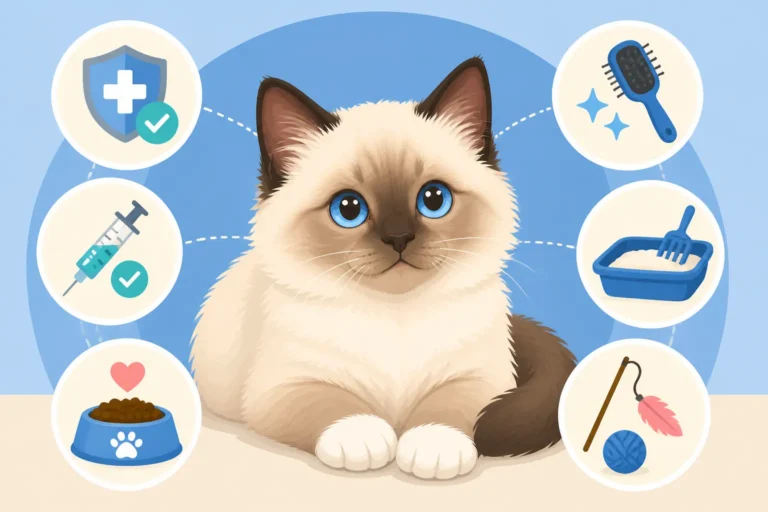
Most health guarantees will provide assurance against infectious diseases for a short period, typically a few days to a week. This is because kittens are vulnerable when they first change environments, and this window allows you to get your new family member checked by your own veterinarian. If, for instance, your kitten presents with an upper respiratory infection or parasitic issue shortly after coming home, a good guarantee might cover the initial vet costs or offer a replacement. This is usually straightforward because these conditions are relatively easy to diagnose and treat. The guarantee also often covers congenital defects that are immediately obvious and life-threatening, such as severe neurological issues or profound deformities, though these are thankfully rare in well-bred Birmans. Breeders understand that these immediate issues can be devastating, and they want to stand behind the health of their kittens.
Genetic Disease Guarantees and Their Limitations
Beyond the initial "wellness check" period, most guarantees extend to cover certain genetic or hereditary diseases for a longer term, often one to three years, sometimes even longer for specific conditions. For Birmans, this commonly includes conditions for which there are DNA tests, like Polycystic Kidney Disease (PKD1) and Feline Hypotrichosis with Thymic Aplasia (FOXN1). A reputable breeder will always provide evidence that the kitten's parents are clear of these genetic markers, and often the kitten itself will have been tested. If, despite this, a kitten develops one of these DNA-testable conditions within the guarantee period, the contract usually outlines a remedy, such as a replacement kitten or a refund. However, it’s crucial to understand that even with DNA tests, these guarantees are tied to the specific diseases for which tests exist. Conditions without a clear genetic marker or those that manifest later in life can be a different story. You can learn more about why a Birman breeder still tests for PKD and What FOXN1 Does to a Birman Kitten to appreciate the value of these specific tests.
The Heart of the Matter: HCM and the Birman Guarantee
Now, let's get to the crux of the matter: Hypertrophic Cardiomyopathy (HCM) and its place in a Birman's health guarantee. This is where things can get a bit more complex and where many owners find themselves feeling confused or frustrated. HCM is a significant concern in many purebred cats, including Birmans, and its silent nature makes it particularly insidious.
Why HCM Presents a Unique Challenge for Guarantees
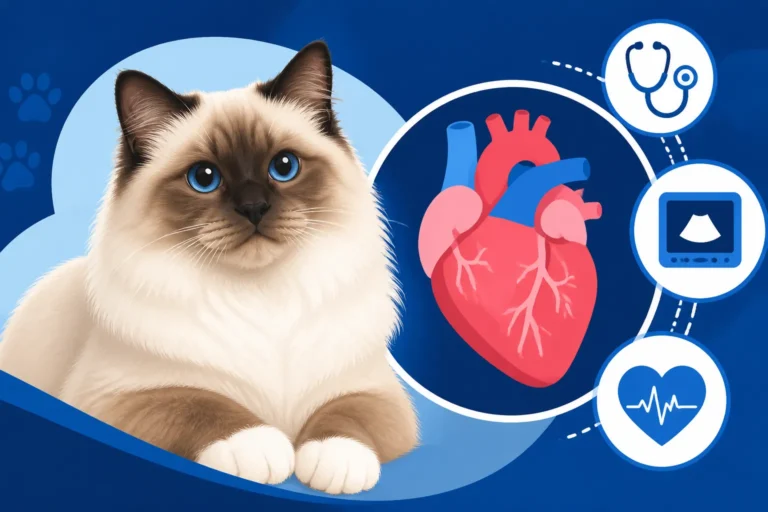
HCM, or hypertrophic cardiomyopathy, is a thickening of the heart muscle that can lead to heart failure. The frustrating part is that for Birmans, unlike some other breeds, there isn't a definitive DNA test to identify carriers or affected cats. This means breeders rely heavily on regular cardiac ultrasounds (echocardiograms) of their breeding cats to screen for the condition. Since HCM can develop later in life, even a cat with a clear echo at a young age might develop signs later. This inherent unpredictability makes it incredibly difficult for breeders to offer an iron-clad, lifelong guarantee against HCM development. The fact that HCM in a Birman has no DNA test, only an echo, is a critical piece of information here. Many guarantees will specify that they do not cover HCM that develops after a certain age, or they might offer a limited period of coverage based on the breeding parents' latest clear scans.
Typical HCM Coverage (or Lack Thereof)
What you’ll often find in a Birman health guarantee regarding HCM is not a promise that your cat will never develop it, but rather an assurance that the parents of your kitten have been screened clear of HCM at the time of breeding, or within a specific recent timeframe. Some breeders might extend this to a limited guarantee, say for the first year or two, where if HCM is diagnosed by a board-certified veterinary cardiologist through an echocardiogram, they will offer a partial refund or a replacement kitten. However, this is not universal. Many guarantees explicitly state that HCM is excluded, particularly if the diagnosis occurs outside a very short window or after the cat has reached maturity. This isn't necessarily a sign of a bad breeder, but rather a reflection of the challenges in guaranteeing a complex, multifactorial disease with no simple genetic test. It also highlights why How Often a Breeding Birman Needs Scanning is such a vital part of a reputable breeding program.
What an Echo Is the Only Way to Screen a Birman
Since there’s no DNA test for HCM in Birmans, the only reliable way to screen breeding cats is through regular echocardiograms performed by a veterinary cardiologist. This is a specialized ultrasound of the heart that allows the cardiologist to measure the thickness of the heart walls and assess its function. Reputable breeders invest significantly in these screenings for their entire breeding stock, often annually or bi-annually, depending on the cat's age and the specific line's history. When considering a kitten, it's paramount to ask for copies of the parents' most recent clear echo results. This demonstrates the breeder's commitment to reducing the risk, even if it can't be entirely eliminated by a simple DNA test. A murmur in a Birman sends you straight to an echo for this very reason.
Beyond the Contract: Understanding the Nuances of Health Protection
While a written guarantee is essential, the true spirit of health protection for your Birman goes far beyond the legal text. It involves a breeder's long-term commitment and an owner's proactive approach to care.
Breeder Responsibility vs. Owner Responsibility
A responsible Birman breeder’s commitment to health extends beyond the papers they hand you. They meticulously research pedigrees, test their breeding cats for known genetic issues, and continuously strive to improve the health of the breed. They should be transparent about any health issues in their lines and open about their testing protocols, including how often a breeding Birman needs scanning for HCM. However, once the kitten is in your care, a large part of their ongoing health becomes your responsibility. This includes providing a high-quality diet, regular veterinary check-ups, appropriate exercise, and a loving, low-stress environment. An owner's lifestyle choices can significantly impact a cat's health, and no guarantee can cover neglect or inadequate care.
The Role of Pet Insurance in Covering Health Issues
This is where pet insurance often steps in to bridge the gap that guarantees cannot. While a breeder's guarantee might offer a replacement or partial refund for certain conditions, it typically doesn't cover the ongoing veterinary costs associated with managing a chronic illness like HCM, should it develop. Pet insurance, on the other hand, is designed to help with these unexpected veterinary expenses. Many owners choose to enroll their Birman in a pet insurance plan, often before their first veterinary visit, to ensure coverage for illnesses and accidents. Providers like Healthy Paws are popular options. It's crucial to understand that pet insurance generally has waiting periods and, critically, does not cover pre-existing conditions. So, if your Birman is diagnosed with HCM before you get insurance or during a waiting period, it won't be covered. This makes early enrollment a wise decision for any purebred cat owner. You can explore whether a Birman policy is worth it once HCM is excluded, but many still find value in it for other health concerns.
Proactive Measures: Safeguarding Your Birman's Cardiac Health
Given the complexities around HCM guarantees, taking proactive steps as an owner is the best way to safeguard your Birman's heart health. This means being vigilant and working closely with your veterinarian.
Regular Vet Check-ups and Early Detection
Routine veterinary check-ups are paramount. Even if your Birman seems perfectly healthy, yearly visits allow your vet to listen to their heart, check their overall condition, and discuss any subtle changes you might have noticed. Your vet can perform auscultation, listening for heart murmurs, which can be an early indicator of a potential cardiac issue. While a murmur doesn't automatically mean HCM, it's a red flag that would warrant further investigation, typically with an echocardiogram. Early detection, even without a formal guarantee, can significantly improve the management and prognosis for many heart conditions. The age a Birman starts needing yearly heart checks is an important consideration for your vet.
Dietary and Lifestyle Support for a Healthy Heart
A balanced, high-quality diet plays a vital role in your Birman's overall health, including their cardiac well-being. Look for foods with good protein sources, moderate fat, and essential nutrients like taurine, which is crucial for feline heart health. Many premium cat foods offer formulas designed to meet these needs. Maintaining a healthy weight is also critical; obesity puts extra strain on the heart. Encourage moderate play and activity to keep your Birman fit, but always respect their naturally placid temperament. A Birman is not a high-energy cat, but regular, gentle play sessions are beneficial. You can consider what feeding a Birman for coat condition costs, knowing that a good diet supports overall health.
Understanding the Signs of Cardiac Distress
As a Birman owner, being aware of the subtle signs of cardiac distress can be life-saving. Birmans are known for their placid temperament and tendency to hide illness, so you need to be observant. Watch for changes in activity levels, such as decreased play or reluctance to jump onto furniture. Difficulty breathing, rapid breathing, coughing, or open-mouthed breathing are emergency signs. Other indicators might include reduced appetite, lethargy, or a distended abdomen. If you notice any of these symptoms, seek veterinary attention immediately. Remember, why a Birman hides illness behind a placid temperament makes vigilant observation even more important.
Navigating the Fine Print: What to Ask and Verify
When you're speaking with a Birman breeder, don't be afraid to ask detailed questions about their health guarantee and practices. This isn't being pushy; it's being a responsible future pet parent.
Specific Questions to Ask Your Birman Breeder
Before committing to a kitten, have a candid conversation with the breeder about their health guarantee, especially regarding HCM. Ask them:
- What is the exact duration of the health guarantee for genetic conditions?
- Does the guarantee specifically cover HCM? If so, for how long, and what are the conditions for activation (e.g., diagnosis by a board-certified cardiologist)?
- Can I see copies of the sire and dam's most recent echocardiogram results, preferably from a board-certified cardiologist?
- What is your policy if a kitten develops HCM within the guarantee period? Is it a replacement, a refund, or something else?
- Are you transparent about any history of HCM in your lines, even if it's several generations back?
- Which tests belong on a Birman panel in your cattery?
A reputable breeder will be happy to discuss these points openly and provide documentation. They understand your concerns and want you to feel confident in your choice. You might also ask how many years a Birman from echo scanned lines lives, as this indicates the success of their breeding program.
Verifying Health Certificates and Pedigrees
Always ask for copies of all health certificates for the kitten's parents, particularly their current HCM echocardiogram results and DNA test results for PKD1 and FOXN1. These should clearly state the names of the cats, the date of the test, the testing veterinarian or lab, and the results. Don't just take a breeder's word for it; verify the documentation. A complete pedigree will also show you the kitten's lineage, allowing you to research health trends in those lines, if possible. This transparency is a hallmark of an ethical breeder. You can also ask for Which results a Birman breeder must put in writing.
| Feature | Typical Breeder Guarantee | What Pet Insurance Covers |
|---|---|---|
| Infectious Disease | Covers initial few days/weeks | Covers diagnosis & treatment (after waiting period) |
| DNA-Testable Genetic Conditions (e.g., PKD1, FOXN1) | Covers for 1-3+ years, may offer replacement/refund | Covers diagnosis & treatment (if not pre-existing) |
| Hypertrophic Cardiomyopathy (HCM) | Often limited or excluded; may cover if parents recently clear | Covers diagnosis & treatment (if not pre-existing) |
| Accidents/Injuries | Not usually covered | Covers emergency care, surgeries, etc. |
| Wellness/Preventative Care | Not covered | Optional add-on for routine exams, vaccines |
| Ongoing Treatment for Chronic Illnesses | Not covered | Covers recurring vet visits, medications, therapies |
The Value of a Lifetime Breeder Resource
Finally, consider the breeder's willingness to be a lifetime resource. A truly dedicated Birman breeder will be there for you for the entire life of your cat, offering advice, support, and guidance on health, behavior, and care. This ongoing relationship is often more valuable than any written guarantee, especially for a complex condition like HCM. If your Birman does develop a health issue, having a breeder who is willing to discuss their lines, offer insights, and provide emotional support can be invaluable. This long-term commitment is a sign of a breeder who genuinely cares about the well-being of the cats they produce.
Disclaimer
This article is for general informational purposes only and does not constitute professional advice. Laws, prices and regulations vary by location and change over time. Consult a qualified professional for guidance on your specific situation.