Why FOXN1 Results Belong on a Birman’s Paperwork
Bringing a beautiful Birman kitten into your home is an incredibly exciting time, full of dreams of cuddles and playful antics. But sometimes, behind that adorable fluffy face, lurk potential genetic health issues that can turn those dreams into heartbreaking realities if you’re not prepared. One of the most critical pieces of information you absolutely must have on your Birman’s official paperwork is their FOXN1 genetic test result, a simple piece of data that can prevent immense suffering for a kitten and significant emotional and financial strain for you. This guide will walk you through exactly why these results are non-negotiable and what you need to look for to ensure your furry family member has the best possible start in life.
Understanding FOXN1: The Birman's Unique Genetic Challenge
The Birman breed, like many purebred cats, carries a specific genetic quirk that can have serious implications. This isn't about scaremongering; it's about being informed and empowered as a pet owner. Understanding the FOXN1 gene is foundational to ensuring your Birman's long-term health and happiness.
What is FOXN1 and Why it Matters for Birmans
FOXN1 stands for Forkhead Box N1, and it's a gene that plays a crucial role in the development of the thymus gland and skin in mammals, including our beloved Birmans. The thymus is a small but mighty organ that is absolutely essential for a healthy immune system, especially in young animals. It's where T-cells, a vital component of the immune response, mature. When this gene has a specific mutation, it can lead to a condition known as hypotrichosis with thymic aplasia.
For a Birman, this means a kitten might be born without a functioning thymus gland, leaving it severely immunocompromised. It also often manifests as hypotrichosis, which means a lack of hair or a very sparse coat. Imagine a tiny, vulnerable kitten that, through no fault of its own, is completely unequipped to fight off even the simplest infections. This condition is not just a cosmetic issue; it's a profound health challenge that almost always leads to a very short and difficult life. Without proper FOXN1 testing, breeders might unknowingly pass this genetic mutation down, perpetuating a cycle of illness.
The Devastating Impact of Hypotrichosis with Thymic Aplasia
When a Birman kitten inherits two copies of the mutated FOXN1 gene, the results are devastating. These kittens are typically born bald or with extremely thin, wispy coats. While the lack of fur is noticeable, the real danger lies beneath the surface: the underdeveloped or absent thymus gland. This condition is medically termed hypotrichosis with thymic aplasia. The absence of a functioning thymus means the kitten cannot produce the T-cells necessary to fight off common pathogens.
From the moment they are born, these little ones are highly susceptible to every infection imaginable. They might struggle to thrive, constantly battling bacterial, viral, or fungal infections that a healthy kitten would easily shrug off. The struggle is relentless, and their immune system simply cannot cope. Sadly, these kittens rarely survive beyond their first few months, often succumbing to overwhelming infections. It's a truly heartbreaking situation for breeders and owners alike, a stark reminder of Why a Birman Kitten Born Bald Will Not Reach Eight Months. Preventing such outcomes is the very reason why diligent genetic testing for FOXN1 is paramount.
How the FOXN1 Gene is Inherited
Understanding the inheritance pattern of FOXN1 is key to preventing this tragic condition. It's an autosomal recessive trait. This means a kitten must inherit two copies of the mutated gene (one from each parent) to be affected by hypotrichosis with thymic aplasia.
Here's a simplified breakdown:
- Clear (N/N): This cat has two normal copies of the gene and cannot develop the condition or pass the mutated gene to its offspring.
- Carrier (N/P): This cat has one normal copy and one mutated copy of the gene. It will not develop the condition itself, as the normal gene copy compensates. However, it can pass the mutated gene to its offspring. This is why How a Birman Carrier Is Identified is so important.
- Affected (P/P): This cat has two mutated copies of the gene and will develop hypotrichosis with thymic aplasia.
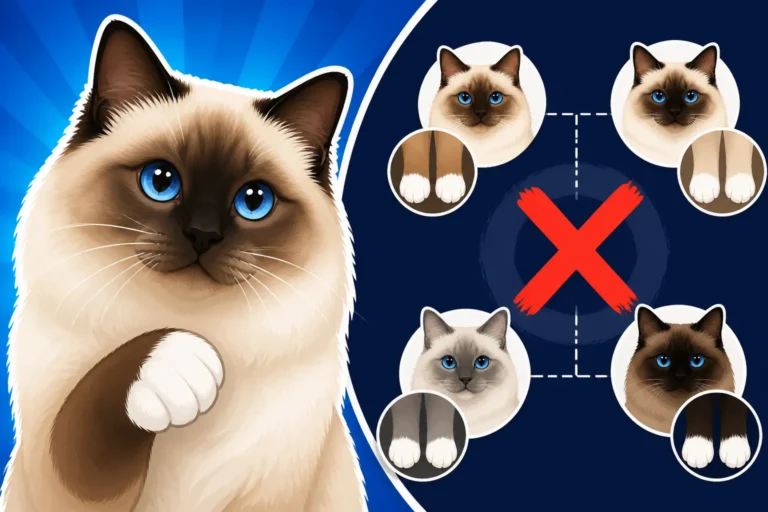
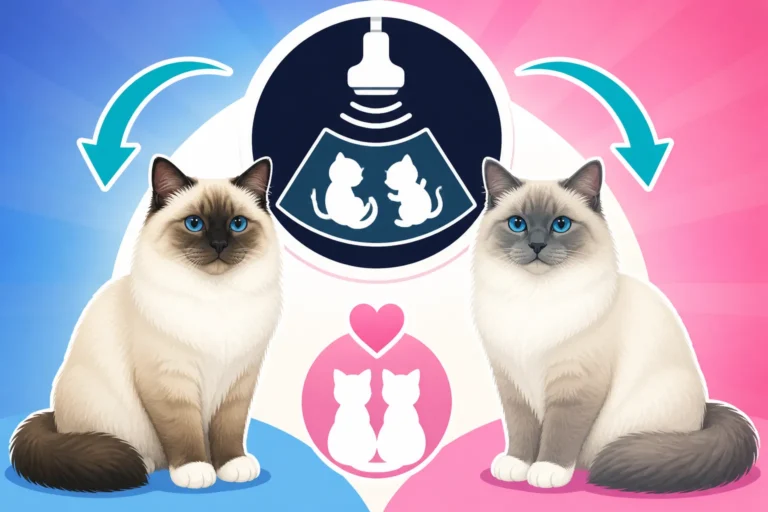
The real challenge lies with carriers. They appear perfectly healthy, making it impossible to know they carry the gene without a specific DNA test. If two carriers are bred together, there's a 25% chance with each kitten born that it will be affected, a 50% chance it will be a carrier, and a 25% chance it will be clear. This is precisely Why Two Birman Carriers Should Never Be Mated, as it directly risks the health and life of the kittens.
The Breeder's Responsibility and Transparency
When you’re looking for a Birman, the breeder isn’t just selling you a kitten; they’re providing a lifetime companion whose health depends heavily on their choices. Their commitment to transparency, particularly regarding genetic testing, speaks volumes about their ethics and dedication to the breed.
Why Testing is Non-Negotiable for Breeding Birmans
For any responsible Birman breeder, genetic testing for FOXN1 isn't just a suggestion – it's an absolute requirement. It's an ethical imperative to ensure the health and well-being of every kitten born into their care. Breeders have a responsibility to know the genetic status of their breeding cats before ever considering a mating pair. This means every potential queen and stud should be tested for the FOXN1 mutation to determine if they are clear, a carrier, or affected.
By performing these tests, breeders can make informed decisions. A clear cat can be bred to a carrier, and while some kittens might be carriers themselves, none will be affected. Two clear cats will only produce clear kittens. The only pairing that should never happen is two carriers, as this directly risks producing affected kittens. This diligent testing ensures that the future generations of Birmans are as healthy as possible, protecting the breed from unnecessary suffering and maintaining its genetic integrity. It's a testament to a breeder's dedication to animal welfare and a foundational aspect of responsible breeding.
Identifying a Reputable Breeder Through Documentation
A truly reputable Birman breeder will be an open book when it comes to the health of their cats. They understand that their honesty builds trust and ensures the kittens go to informed homes. When you visit a breeder or discuss a potential kitten, you should expect to see comprehensive documentation for the parents, not just the kitten itself. This includes official certificates for genetic tests. Beyond pedigrees and registration papers, you need to see proof of FOXN1 status for both parents.
Look for official reports from recognized veterinary genetic laboratories, clearly stating the names of the parent cats and their FOXN1 status (Clear, Carrier, or Affected). These aren't just pieces of paper; they are assurances of a breeder’s commitment to healthy genetics. A breeder who hesitates, makes excuses, or claims testing isn't necessary should raise a significant red flag. Which Certificates a Birman Breeder Hands Over With the Kitten should always include these crucial genetic results, giving you peace of mind that your kitten's lineage has been thoroughly checked.
The Ethical Implications of Not Testing for FOXN1
The decision not to test for FOXN1 carries profound ethical weight and can have devastating consequences. A breeder who skips this vital step, whether due to ignorance, negligence, or a desire to cut costs, is gambling with the lives of innocent kittens. They risk producing litters where up to 25% of the kittens could be born with a fatal genetic condition. Imagine the emotional toll on a family who brings home a seemingly healthy kitten, only to watch it decline rapidly due to a compromised immune system, unable to fight off infections.
Beyond the individual kittens, neglecting FOXN1 testing harms the entire Birman breed. It allows the mutated gene to continue circulating in the gene pool, making it harder for responsible breeders to eliminate it over time. It undermines the reputation of ethical breeders who invest significant time and resources into health screening. Ultimately, the ethical imperative is clear: every Birman breeder has a responsibility to test their breeding stock for FOXN1. To do otherwise is to prioritize profit or convenience over the welfare of the animals they claim to love and protect.
Deciphering Your Birman's Health Paperwork
Navigating the stacks of paperwork that come with a purebred kitten can feel overwhelming. Pedigrees, registration documents, vaccination records – it’s a lot! But knowing exactly what to look for regarding FOXN1 results can make all the difference for your Birman’s future.
What FOXN1 Test Results Look Like
When a Birman is tested for FOXN1, the results will typically come from a specialized veterinary genetic testing laboratory. These reports are usually clear and straightforward, detailing the specific gene tested and the cat's individual result. You'll generally see one of three designations:
- N/N (Normal/Clear): This means the cat has two normal copies of the FOXN1 gene. It is genetically clear, will not develop the disease, and will not pass the mutated gene to any offspring. This is the ideal status for both parents in a breeding pair, or for any pet Birman.
- N/P (Carrier): This indicates the cat has one normal copy and one mutated copy of the FOXN1 gene. The cat itself is healthy and will not suffer from hypotrichosis with thymic aplasia. However, it carries the mutated gene and can pass it on to its kittens. Breeding two N/P cats together is where the risk lies.
- P/P (Affected): This means the cat has two mutated copies of the FOXN1 gene. This cat would develop the severe, often fatal, condition. Responsible breeders ensure this outcome is prevented through careful breeding practices.
Which Lab Runs the Birman FOXN1 Test can vary, but reputable ones will provide a clear, easy-to-read document for each cat tested. Don't be shy about asking to see these detailed reports, not just a verbal assurance.
Why Results Must Be on the Official Pedigree or Health Certificate
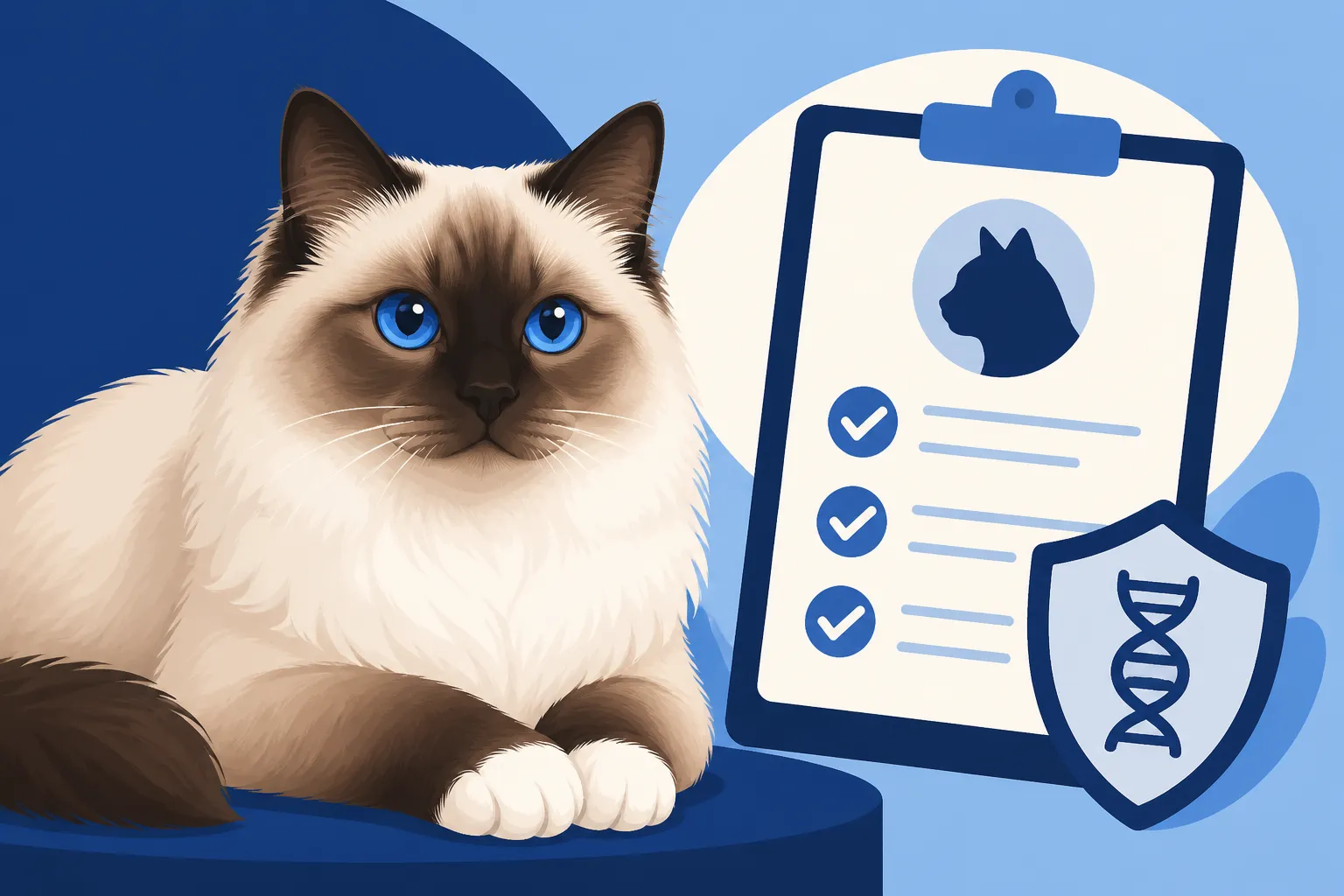
It's one thing for a breeder to tell you their cats are tested, but it's an entirely different thing to see it in black and white on official documentation. Verifiable proof is paramount. Ideally, the FOXN1 test results should be explicitly noted on the kitten's pedigree certificate, or at the very least, on a separate, official health certificate issued by a veterinarian or the genetic testing lab itself. This ensures a permanent, traceable record of the kitten's genetic health status and, by extension, that of its parents.
Having these results on official paperwork isn't just about peace of mind; it's about accountability. It protects you as the buyer and confirms the breeder's commitment to ethical practices. Without it, you're relying on hearsay, which is simply not enough when it comes to preventing a serious genetic disease. This crucial detail acts as a verifiable stamp of approval for your kitten's lineage, confirming that due diligence was performed to safeguard its health. It becomes part of the kitten’s permanent health record, something you can share with your vet and future caregivers.
Verifying the Authenticity of Genetic Test Certificates
In today's digital age, it’s unfortunately possible for documents to be altered. While most breeders are honest, it’s wise to know how to verify the authenticity of genetic test certificates. Most reputable genetic testing laboratories provide unique identification numbers for each test and often have an online portal where results can be looked up using these numbers.
Don't hesitate to ask the breeder for the name of the laboratory and the specific ID number for the test done on the kitten's parents. You can then contact the lab directly or use their online verification tool to confirm the results match what the breeder has provided. A responsible breeder will have no problem with you taking this extra step; in fact, they should encourage it. This due diligence can save you from immense heartbreak and unexpected veterinary costs down the line. Remember, How to Spot a Birman Breeder Selling Untested Kittens often involves them being evasive about showing these specific, verifiable documents.
The Long-Term Impact on Your Birman's Lifespan and Well-being
Bringing a Birman into your life is a significant commitment. You want them to live a full, healthy life, and that starts with understanding how genetic screening impacts their long-term well-being and your journey as an owner.
Avoiding the Heartbreak of a Genetically Compromised Kitten
There’s truly nothing more devastating than falling in love with a tiny kitten, only to realize that it's fighting a losing battle against a genetic illness. The joy of a new pet can quickly turn into profound sorrow and worry. A kitten born with hypotrichosis and thymic aplasia due to unchecked FOXN1 genes will face a life of constant struggle against infections, discomfort, and ultimately, a premature end. This isn't just a hypothetical scenario; it's a very real risk when breeders fail to test.
Ensuring your Birman kitten comes from parents who are certified FOXN1 clear, or from a clear parent bred to a carrier with a guarantee of a clear kitten, is the most powerful step you can take to avoid this heartbreak. It allows you to focus on the joy of raising a healthy, playful companion, rather than spending their brief life battling illness. It’s about building a foundation of health from day one, so you can enjoy many happy years together.
Financial and Emotional Costs of Neglecting Genetic Screening
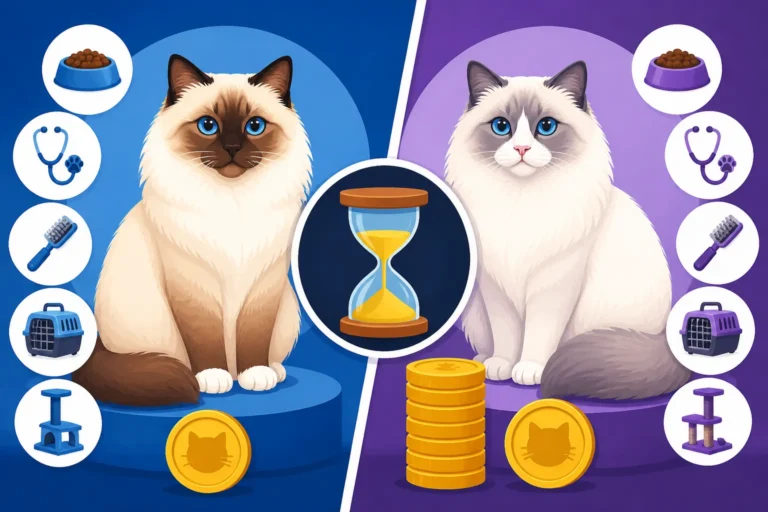
Beyond the emotional toll, the financial implications of caring for a genetically compromised kitten can be overwhelming. A kitten with hypotrichosis and thymic aplasia will require intensive veterinary care from a very young age. This can include frequent vet visits, diagnostic tests, antibiotics for recurring infections, immune support medications, and specialized diets. These costs can quickly add up to thousands of dollars, far exceeding the initial purchase price of the kitten. Even with the best care, the prognosis remains poor.
Consider the potential vet bills and the emotional exhaustion. While pet insurance providers like Healthy Paws can offer a safety net for unexpected illnesses, pre-existing genetic conditions might have limitations on coverage, or require you to purchase a policy very early on. Investing in a kitten from tested lines might seem like a higher initial cost, but it’s a preventative measure that saves you from far greater expenses and immense heartache in the long run. It's a choice for peace of mind, both for your wallet and your heart.
Building a Healthier Future for the Birman Breed
Every decision we make as pet owners, from choosing a breeder to advocating for proper documentation, contributes to the overall health and future of the Birman breed. By insisting on seeing verified FOXN1 results, you're not just protecting your own kitten; you're sending a clear message to the breeding community that health screening is valued and expected. This demand incentivizes breeders to maintain high standards and helps to gradually reduce the prevalence of genetic diseases within the breed.
The more owners prioritize health and genetic testing, the stronger the breed becomes. It encourages responsible breeding practices and ensures that the beautiful Birman cat continues to thrive for generations to come, known for its gentle nature and stunning looks, rather than for avoidable genetic ailments. It’s a collective effort, and your informed choice plays a vital role in shaping that healthier future for all Birmans.
Beyond FOXN1: A Holistic View of Birman Health Documentation
While FOXN1 is crucial, a truly comprehensive approach to Birman ownership extends to other potential genetic concerns and a broader spectrum of health documentation. Your goal should be to gather as much verifiable health information as possible.
Other Essential Genetic Tests for Birmans
While FOXN1 is a critical concern, it’s not the only genetic condition that can affect Birmans. Other important health screenings that responsible breeders typically undertake include:
- Hypertrophic Cardiomyopathy (HCM): This is a serious heart condition common in many cat breeds, including Birmans. It causes the muscular walls of the heart to thicken, making it harder for the heart to pump blood effectively. There isn't a DNA test for HCM in Birmans, so regular echocardiograms (heart scans) by a veterinary cardiologist are the gold standard for screening breeding cats. This is why it's important to ask What to Ask About a Birman Line's Heart Scans.
- Polycystic Kidney Disease (PKD): While less common in Birmans than in some other longhaired breeds, PKD can still occur due to historical outcrossing, particularly with Persian lines. This condition leads to the development of cysts in the kidneys, which can eventually lead to kidney failure. Thankfully, there is a DNA test (PKD1) that can definitively determine if a cat is clear or affected. Why a Birman Breeder Still Tests for PKD is to ensure this genetic issue is not passed on.
A breeder who is serious about health will provide documentation for these tests as well, showcasing a holistic approach to their breeding program.
Comprehensive Health Records: What Else to Expect from a Responsible Breeder
Beyond specific genetic tests, a truly responsible Birman breeder will provide a comprehensive health record for your kitten that covers much more. This includes:
- Vaccination Records: Documenting all vaccinations administered to the kitten, including dates and types of vaccines, to ensure they are protected against common feline diseases.
- Deworming Schedule: Details of all deworming treatments given, which is essential for young kittens.
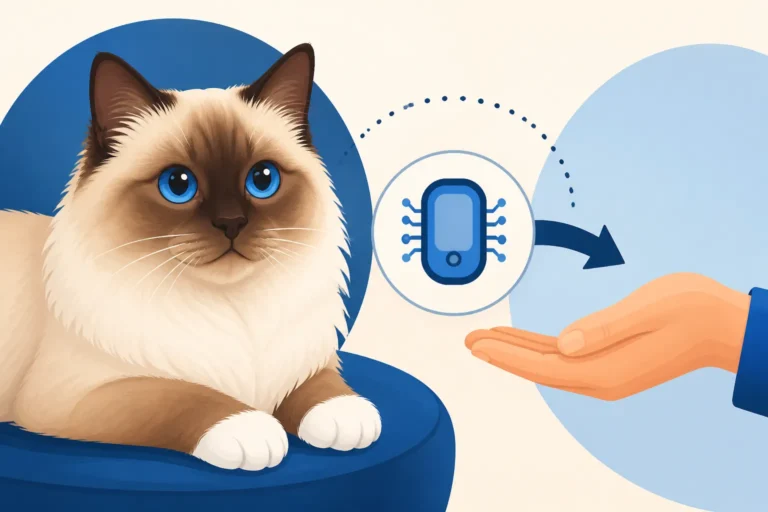
- Microchip Information: Proof of microchipping, along with instructions on how to transfer the chip registration into your name.
- Veterinary Health Check: A certificate from a licensed veterinarian stating that the kitten has undergone a thorough health examination and is deemed healthy prior to sale.
- Parental Health History: General health information on the parents, including any health issues they may have experienced, even if not genetic.
- Purchase Contract: A detailed contract outlining the terms of sale, health guarantees (often covering a certain period for genetic diseases), and neuter/spay agreements for pet kittens.
These documents collectively paint a full picture of your kitten's early health care and genetic background. Don’t settle for anything less, as they are a testament to the breeder’s care and your future Birman’s well-being.
Why a Full Health Panel is an Investment, Not an Expense
It’s tempting to look for the cheapest kitten, but as we’ve discussed, a low price often comes with hidden costs. A Birman kitten from a breeder who performs a full health panel – including FOXN1, HCM echocardiograms, and potentially PKD1 tests on their breeding stock – will undoubtedly have a higher initial price tag. However, viewing these costs as an investment rather than an expense changes the perspective entirely.
This investment buys you confidence, reduces the likelihood of costly and heartbreaking genetic health problems down the road, and supports ethical breeding practices. It ensures you’re bringing home a kitten that has the best possible chance at a long, healthy life. Thinking about the long term, the joy of a healthy cat far outweighs the potential savings of a cheap, untested kitten that might bring years of vet bills and emotional distress. Quality food and supplies matter, but no amount of premium kibble or toys can fix a foundational genetic issue. That initial investment in a well-bred, health-tested Birman sets the stage for a wonderful, worry-free companionship that can last for The Twelve to Sixteen Years a Birman Usually Gets.
| Genetic Test | Birman Relevance | Type of Test | What a "Clear" Result Means | What a "Carrier" Result Means | Impact on Paperwork |
|---|---|---|---|---|---|
| FOXN1 | Critical | DNA (swab) | Cat has two normal genes; will not get or pass on the disease. | Cat has one normal, one mutated gene; will not get the disease but can pass it on. | Mandatory for breeding records. |
| HCM | High | Echocardiogram (scan) | Heart appears normal; no thickening detected. | Not applicable (no carrier status for this test type; indicates current heart health). | Mandatory for breeding records (annual scans). |
| PKD1 | Moderate | DNA (swab) | Cat has two normal genes; will not get or pass on the disease. | Not applicable (affected if one gene inherited). | Recommended for breeding records. |
This article is for general informational purposes only and does not constitute professional advice. Laws, prices and regulations vary by location and change over time. Consult a qualified professional for guidance on your specific situation.