Why Both Birman Parents Should Be Echo Scanned
Bringing a beautiful Birman kitten into your home is an absolute joy, but the journey to finding that perfect, healthy companion can be fraught with hidden anxieties for many prospective owners. One of the biggest worries, often silently carried, is the fear of unexpected health issues down the line. This guide is here to shed light on a crucial step every responsible Birman breeder should take: echo scanning both parent cats to ensure the healthiest start for their kittens, and ultimately, for your peace of mind.
Understanding HCM in Birmans and the Genetic Link
When you fall in love with a Birman, you're not just falling for those captivating blue eyes and silky coat; you're often drawn to their calm, affectionate nature. But beneath that serene exterior, like in many beloved purebred cats, lies the potential for certain inherited health conditions. One of the most significant concerns for Birman owners and breeders alike is Hypertrophic Cardiomyopathy, or HCM.
What is HCM and How it Affects Birmans?
Hypertrophic Cardiomyopathy (HCM) is a heartbreaking heart condition where the muscular walls of a cat's heart, particularly the left ventricle, become abnormally thick. Imagine a muscle that works too hard and bulks up, but in this case, it's not a good thing. This thickening makes it difficult for the heart to pump blood effectively, reducing the chamber's capacity and eventually leading to heart failure. For a Birman, this isn't just a theoretical risk; it's a very real challenge within the breed, something that has been carefully monitored and researched over the years. HCM in a Birman Has No DNA Test, Only an Echo means that proactive screening is the only way to catch it.
While HCM can affect any cat breed, and even mixed breeds, certain purebreds like the Birman show a higher incidence, suggesting a genetic predisposition. What makes it particularly tricky is that the genetic markers are complex, often involving multiple genes or an unknown mode of inheritance in the Birman. This isn't like a simple "on/off" switch gene that a single DNA test can definitively check, making regular physical screening even more important. Understanding this complexity is the first step in appreciating why thorough screening of parent cats is so vital.
The Silent Threat: Why HCM is So Dangerous
One of the most insidious aspects of HCM is its "silent" nature. A cat can carry the disease for years, appearing perfectly healthy and displaying no outward symptoms whatsoever. You might have a Birman that's active, playful, and eating well, all while its heart muscle is silently thickening, inch by excruciating inch. This can be incredibly deceptive, lulling owners into a false sense of security. It's not uncommon for HCM to only be discovered during a routine vet check where a murmur is suddenly heard, or, tragically, when a cat experiences a sudden, severe event like congestive heart failure or a thromboembolism – a blood clot that can paralyze a cat's hind legs. How a Birman's Thickened Heart Throws a Clot to Its Legs is a devastating reality.
This silent progression means that by the time clinical signs become obvious – things like lethargy, difficulty breathing, or a decreased appetite – the disease is often quite advanced. For breeders, this presents a significant ethical challenge. Without proactive screening, they might unknowingly breed a cat carrying the predisposition, passing on this potential heartbreak to entire litters. Imagine the profound grief of an owner whose beloved, seemingly healthy Birman kitten, carefully chosen for its temperament and beauty, suddenly succumbs to heart failure at a young age because the parentage wasn't adequately screened. The emotional toll of this kind of loss is immense, and it’s why breeders committed to the welfare of the Birman go to such great lengths to screen.
The Role of Echo Scans in Breeding Programs
Given the silent and devastating nature of HCM, regular and thorough screening, especially echocardiograms, becomes the cornerstone of responsible Birman breeding. These scans aren't just a "nice to have"; they are a non-negotiable part of safeguarding the breed's future.
How an Echo Scan Detects HCM
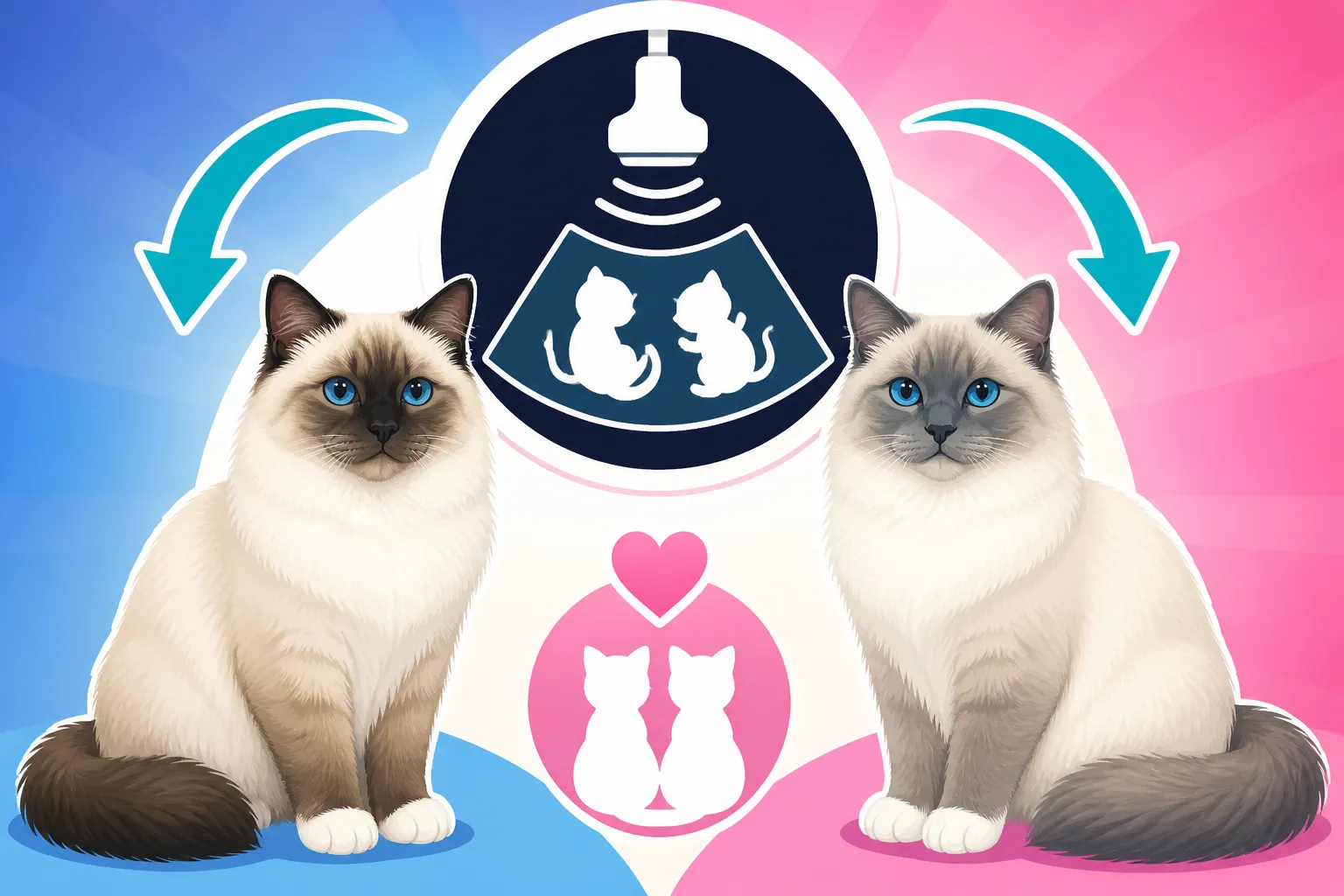
An echocardiogram, often simply called an "echo," is a specialized ultrasound of the heart. Think of it like a sophisticated, real-time movie of your cat's heart in action. During the procedure, a trained veterinary cardiologist uses a transducer (a small wand) to send sound waves into the chest. These sound waves bounce off the heart structures and return to the transducer, creating detailed images on a monitor. The cardiologist can then precisely measure the thickness of the heart walls, assess the size of the heart chambers, and observe how efficiently the valves are working and how blood is flowing. It's a comprehensive look at the heart's anatomy and function.
For a Birman, an echo scan is crucial because it allows the cardiologist to identify even subtle thickening of the heart walls long before any symptoms appear. They can spot early changes that might indicate a cat is developing HCM or is already affected. This early detection is vital for breeders, as it provides them with the concrete information needed to make informed decisions about their breeding lines. How Often a Breeding Birman Needs Scanning is a question that highlights the ongoing commitment required. It's a non-invasive procedure, usually well-tolerated by cats, often requiring only minimal sedation to ensure they lie still for the best images.
The Importance of Screening Both Parents
Now, here's where we get to the heart of the matter: why both Birman parents need to be echo scanned. In many cases, HCM is thought to be inherited as an autosomal dominant trait, meaning a cat only needs to inherit one copy of the affected gene from either parent to be at risk of developing the disease. Even if one parent appears perfectly healthy and has a clear echo, if the other parent carries the gene or has early, un-diagnosed HCM, there's still a risk of passing it on to the kittens. This means that a kitten could inherit the predisposition from a seemingly healthy carrier parent.
Consider a scenario: a breeder has a beautiful queen with a perfectly clear echo. If they mate her with a stud whose heart status is unknown or, worse, whose echo reveals subtle thickening, that stud could still pass on the genetic predisposition to the entire litter. Half of those kittens could potentially inherit the gene that causes HCM. This isn't a gamble any responsible breeder should take. By screening both parents, breeders drastically reduce the chance of producing affected kittens. It's about combining two "clear" or "low-risk" genetic profiles to maximize the health potential of their offspring, creating a double layer of protection. This due diligence ensures that when you consider a kitten from such a pairing, you have a much higher confidence in its long-term heart health.
Protecting Future Generations and Breeder Responsibility
The commitment to echo scanning both Birman parents isn't just about avoiding immediate problems; it's a long-term investment in the health and integrity of the entire breed. It's a clear marker of a breeder's dedication and ethical practice.
Minimizing Risk for Birman Kittens
When both Birman parents have undergone thorough echo scanning by a board-certified veterinary cardiologist and received clear results, the risk of their kittens developing HCM is significantly reduced. This doesn't offer a 100% guarantee, as genetics can sometimes surprise us, but it's the strongest proactive measure a breeder can take. For you, the prospective owner, this translates into a much higher likelihood of bringing home a kitten with a healthy heart, potentially sparing you years of worry, expensive veterinary treatments, and immense emotional pain. Brands like Healthy Paws can certainly help with the financial side if something does come up, but preventing issues from the start is always the ideal.
Responsible breeders understand that they are stewards of the breed. Their decisions impact not just their current litter, but the genetic health of the Birman for generations to come. By consistently breeding from echo-clear lines, they contribute to slowly weeding out the disease from the gene pool, making it rarer over time. This ethical approach also fosters trust between breeders and buyers, knowing that every effort has been made to ensure the kitten's well-being. Asking a breeder about their screening protocols, and specifically about the echo results of both parents, is one of the most important questions you can pose.
What to Look for in a Reputable Birman Breeder
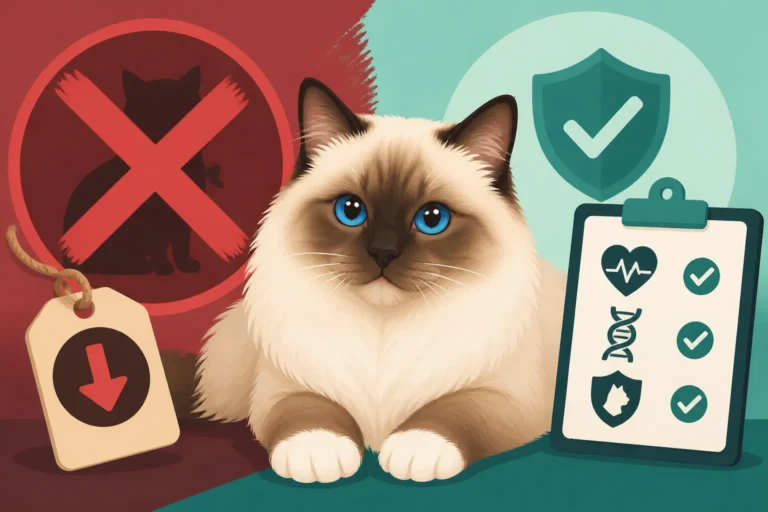
Finding a reputable Birman breeder is paramount, and their commitment to health screening, particularly echo scans for both parents, is a non-negotiable indicator. Don't just accept a breeder's word that their cats are "healthy." A truly responsible breeder will be transparent and eager to share verifiable documentation. This means showing you actual echocardiogram reports, signed by a board-certified veterinary cardiologist, for both the queen and the stud. These reports should clearly state the cat's name, date of birth, date of the scan, and the findings. They should be willing to discuss their screening schedule; typically, breeding cats are scanned annually until they are a certain age, then perhaps every 18-24 months thereafter, depending on their age and previous results. Why a Birman Breeder Publishes Echo Results is a sign of true transparency and commitment.
Be wary of breeders who:
- Claim their cats are "vet checked" but cannot provide specific echo results. A general vet check is not the same as a specialist cardiac scan.
- Are evasive or defensive when asked about health testing.
- Offer kittens at unusually low prices, as thorough health screening is an investment that contributes to the cost of a well-bred kitten.
- Only provide a health guarantee for a very short period that wouldn't cover the later onset of HCM.
Look for breeders involved with breed clubs, who often adhere to stricter codes of ethics regarding health testing. They should also be testing for other relevant genetic conditions like PKD1 (Polycystic Kidney Disease), even though Why a Birman Breeder Still Tests for PKD is a different genetic test from HCM. A breeder who has thoroughly screened both parents demonstrates a profound commitment not only to their cats but also to the families who will welcome their kittens into their homes.
The Lifelong Impact of Early Screening
The decisions made by a breeder regarding parental health screening have ripple effects that extend far beyond the initial purchase of a kitten. These choices ultimately shape the future health and happiness of your Birman companion.
Benefits for the Cat and Owner
For the Birman kitten, being born from echo-scanned, clear parents means a much higher chance of living a full, healthy life free from the ravages of HCM. It means a better quality of life, more energy for play, and less risk of sudden, debilitating illness. For the owner, this peace of mind is invaluable. You can cherish your Birman without the constant worry of an undiagnosed heart condition lurking in the background. It allows you to focus on the joy of companionship, the quirky behaviors, the quiet purrs, and the gentle presence that Birmans are so known for. It reduces the likelihood of stressful, urgent vet visits and the need for expensive medications, letting you spend your time and resources on enrichment and a happy life with your feline friend. You want your Birman to have The Twelve to Sixteen Years a Birman Usually Gets without the shadow of heart disease.
Knowing your cat comes from a carefully screened line can also make future health decisions clearer. While yearly vet check-ups are always crucial, and you'll want to ensure your Birman has access to quality nutrition from places like Chewy, a solid foundation of parental health screening removes one major unknown from the equation. It means you are starting from a position of strength, built on the breeder's diligent efforts.
Financial and Emotional Costs of Neglecting Screening
The upfront cost of a well-bred Birman kitten from health-tested parents might seem higher, but it pales in comparison to the potential financial and emotional costs of acquiring a kitten from unscreened lines. If a Birman develops HCM, treatment can be extensive and costly. This might include regular visits to a veterinary cardiologist, multiple echocardiograms over the cat's lifetime, various medications to manage heart function and prevent blood clots, and potentially emergency care if the disease progresses rapidly. These ongoing expenses can quickly add up, easily exceeding the initial savings from a “cheaper” kitten. Investing in high-quality food is a different kind of investment than unexpected, intensive medical care.
Beyond the financial burden, there's the profound emotional toll. Watching your beloved cat struggle with a progressive disease, experiencing its discomfort, and making difficult decisions about its care or quality of life can be devastating. The guilt and sadness that can accompany the loss of a young cat to a preventable or manageable inherited condition are immense. Choosing a kitten from echo-scanned parents isn't just a smart financial decision; it's an act of compassion and foresight that protects your heart as much as your cat's.
| Aspect | Parents Not Echo Scanned | Parents Are Echo Scanned |
|---|---|---|
| Risk of HCM in Kittens | Significantly higher due to unknown genetic predisposition. | Significantly lower; proactive measures reduce risk. |
| Breeder Transparency | Often lacking or evasive regarding health documentation. | Full transparency with verifiable cardiologist reports. |
| Owner Peace of Mind | High anxiety, potential for unexpected health crisis. | Greater confidence in kitten's long-term heart health. |
| Potential Vet Costs | High risk of expensive diagnostics and treatments for HCM. | Reduced risk of costly HCM-related treatments. |
| Ethical Breeding | Raises questions about commitment to breed health. | Demonstrates strong ethical commitment to breed welfare. |
| Breed Impact | Perpetuates HCM within the Birman gene pool. | Contributes to reducing HCM prevalence in the breed. |
Disclaimer
This article is for general informational purposes only and does not constitute professional advice. Laws, prices and regulations vary by location and change over time. Consult a qualified professional for guidance on your specific situation.