Why a Cheap Birman Is Usually Untested
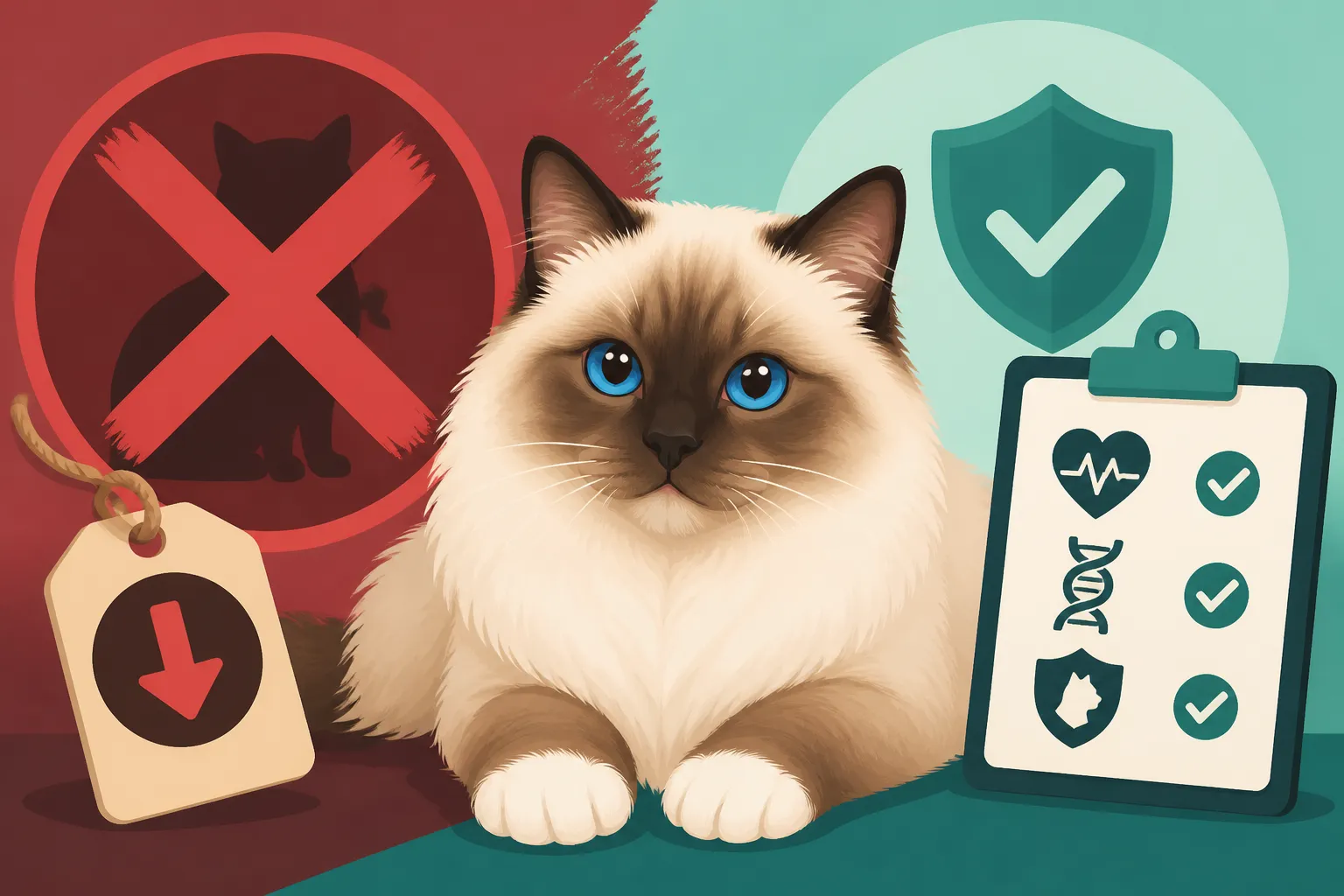
It’s a common scenario: you’re dreaming of bringing a beautiful Birman cat into your home, scrolling through listings, and suddenly, you see a price that seems almost too good to be true. While the idea of saving some money upfront is incredibly tempting, especially with the rising cost of living, a significantly cheaper Birman kitten often comes with a hidden and potentially heartbreaking price tag: a lack of essential health testing. This guide will walk you through why those initial savings can quickly evaporate into substantial veterinary bills and emotional distress, and why investing in a responsibly bred, health-tested Birman is always the wiser, more humane choice.
The Allure of a Lower Price Tag: What Makes a Birman Seem "Cheap"?
We've all been there, searching for a deal, especially when it comes to a significant purchase like a new family member. The Birman cat, with its striking blue eyes, silky coat, and sweet temperament, is a highly sought-after breed. This demand, combined with the extensive care and testing required by reputable breeders, means that a Birman kitten comes with a certain expected price point. So, when you encounter a listing significantly below the going rate, it naturally piques your interest.
Understanding the Birman Market
The market for purebred cats like Birmans operates on several factors. A breeder invests heavily in their cattery: ensuring excellent nutrition for their breeding cats, providing top-tier veterinary care, registering litters, and, critically, performing genetic health screenings. These efforts contribute to the price of a kitten. Lower prices often stem from breeders who cut corners in these areas. Sometimes, a "mismarked" Birman – one that doesn't quite meet the stringent show standards for its distinctive white "gloves" on its paws or "laces" on its hind legs – might be offered at a pet price, which can be slightly lower than a show-quality kitten. This isn't necessarily a red flag in itself, as a mismark doesn't affect health or temperament. However, a price that is drastically lower than even a typical pet-priced Birman usually indicates something more fundamental is amiss, something related to the overall health and well-being of the cat and its lineage. An older retired queen or stud might also be offered for rehoming at a much lower cost, which can be a wonderful option for someone seeking an adult cat, but this is a specific circumstance.
Red Flags: Too Good to Be True?
The immediate appeal of a lower cost is undeniable. Who wouldn't want to save money? However, if a Birman kitten is advertised at a price that seems significantly discounted compared to reputable breeders in your area, it's a major red flag. This isn't just about a slight difference; we're talking about hundreds or even thousands of dollars below the average. This kind of price usually means that essential, costly steps in responsible breeding have been skipped. For instance, the breeder might not have invested in quality food for the mother cat, crucial veterinary check-ups for the pregnant queen, or, most critically, health testing for the breeding pair. The logic is simple: if they're not spending money on these crucial aspects, they can afford to sell kittens for less. The "saving" you make upfront on the purchase price can quickly be overshadowed by the expenses of treating a sick kitten later on, transforming a supposed bargain into a financial nightmare.
The Hidden World of Untested Birmans
The concept of "untested" can sound vague, but for a breed like the Birman, it carries very specific and serious implications. These aren't just arbitrary checks; they are screenings for genetic diseases known to affect the breed, diseases that can lead to immense suffering for the cat and significant financial strain for the owner.
What "Untested" Really Means for a Birman
When a Birman comes from untested parents, it means that the breeder has not screened their adult cats for genetic conditions such as Hypertrophic Cardiomyopathy (HCM), Polycystic Kidney Disease (PKD), and Feline Hypotrichosis (FOXN1). FOXN1 Is the Birman's Own Genetic Disease is a particularly devastating condition for Birman kittens. These tests are not cheap, and they require a commitment from the breeder to the long-term health of their lines. Skipping these tests reduces the breeder's overhead, allowing them to offer kittens at a lower price. However, it essentially transfers all the risk of these serious genetic diseases onto the unsuspecting buyer. You might be bringing home a kitten that looks perfectly healthy but carries a ticking time bomb of genetic illness.
The Immediate Risks to the Kitten's Health
The lack of genetic testing has direct and often tragic consequences for the kitten. For example, if both parents are carriers of the FOXN1 gene, a kitten born to them has a 25% chance of being affected by severe hypotrichosis, meaning it will be born bald or with very sparse hair and a compromised immune system. What FOXN1 Does to a Birman Kitten explains the profound impact of this condition. Such a kitten, often appearing frail and sickly from birth, will likely face a very short and painful life, succumbing to infections due to its missing thymus. Why a Birman Kitten Born Bald Will Not Reach Eight Months highlights the grim prognosis. Similarly, if parents haven't been screened for HCM, kittens might develop this heart condition, which can manifest at any age and lead to sudden death or severe heart failure. Untested parents could also pass on PKD, a progressive kidney disease that, while often not showing symptoms until middle age, can still mean a lifetime of costly management and a shortened lifespan for your beloved cat.
The Long-Term Financial Burden of an Untested Birman
Bringing a pet into your life is a long-term commitment, and while everyone hopes for a healthy companion, the reality of medical issues can quickly escalate. With an untested Birman, the chances of encountering serious health problems are significantly higher, turning that initial "bargain" into a deep financial hole.
Escalating Vet Bills and Specialized Care
Imagine the scenario: your seemingly healthy Birman kitten starts showing signs of illness months or even a year or two down the line. Perhaps it's breathing difficulties from HCM, chronic kidney issues from PKD, or recurring infections if it's a FOXN1 carrier with a weaker immune system (though affected kittens rarely live long enough to become "pets"). Diagnosing these conditions requires specialized veterinary care, which includes advanced diagnostics like echocardiograms for HCM. HCM in a Birman Has No DNA Test, Only an Echo means ongoing scans are critical. Treatments can involve expensive medications, prescription diets, and frequent visits to veterinary specialists. You could be looking at a lifetime of managing a chronic illness, with bills that easily dwarf the initial savings you made on the purchase price. For example, monthly medication for heart or kidney disease can be substantial, and special foods, like those often recommended for kidney issues, can add up. Emergency vet visits for acute crises, such as blood clots from HCM, are incredibly costly and traumatic. This is where a good pet insurance plan from a provider like Healthy Paws can be a lifesaver, but even then, pre-existing conditions (which genetic diseases often become once diagnosed) might not be covered.
The Emotional Toll and Lifestyle Changes
Beyond the financial stress, owning an untested Birman that develops a severe genetic illness takes an enormous emotional toll. The heartbreak of watching your beloved companion suffer, knowing it might have been preventable, is immense. Caring for a chronically ill cat often means adjusting your entire lifestyle: scheduling medication times, monitoring symptoms closely, adhering to strict dietary requirements, and frequent trips to the vet. It means living with constant worry and the heavy burden of difficult decisions about their quality of life. This isn't the joyous, playful companionship you envisioned when you first decided to bring a Birman home. The emotional and time investment required can be far greater than anticipated, transforming what should be a source of comfort and joy into a source of ongoing anxiety and grief.
Essential Health Tests for Every Birman
Reputable Birman breeders don't just breed for looks; they breed for health and longevity. This commitment is demonstrated through rigorous genetic and health screenings of their breeding cats, ensuring that they are not passing on preventable diseases to their offspring.
Genetic Screening: FOXN1 (Hypotrichosis)
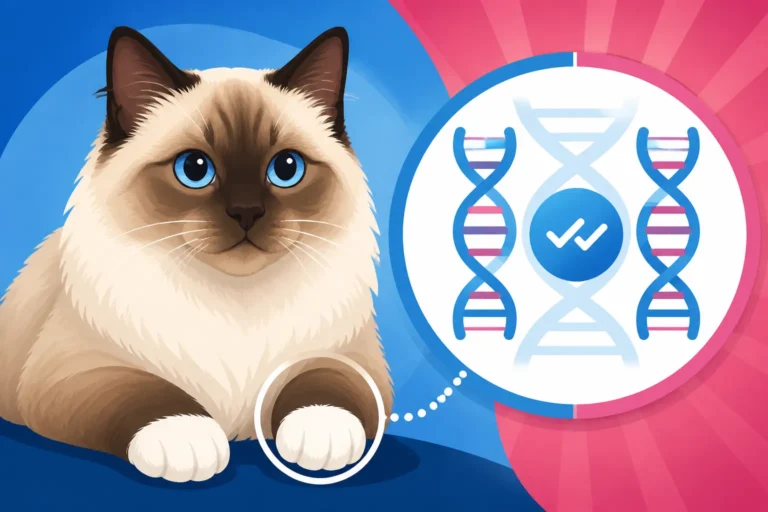
Feline Hypotrichosis, caused by a mutation in the FOXN1 gene, is a recessive genetic disorder unique to the Birman breed. If a kitten inherits two copies of this mutated gene (one from each parent), it will be born bald or with very sparse hair, have an underdeveloped or absent thymus gland, and consequently, a severely compromised immune system. How a Birman Carrier Is Identified is straightforward: a simple DNA test from a cheek swab can determine if a cat is clear, a carrier, or affected. Reputable breeders will always test their Birmans for FOXN1 before breeding. This way, they can avoid mating two carriers together, which is the only way an affected kitten can be produced. It’s a preventable tragedy that no responsible breeder would risk.
Cardiac Health: HCM Screening
Hypertrophic Cardiomyopathy (HCM) is the most common heart disease in cats, and the Birman, like several other purebreds, can be predisposed to it. HCM in a Birman Has No DNA Test, Only an Echo means that genetic DNA tests are not available for HCM in Birmans, unlike some other breeds. Instead, breeders rely on regular echocardiograms performed by a board-certified veterinary cardiologist. These ultrasound scans allow the cardiologist to measure the thickness of the heart muscle walls and assess heart function. How HCM Shows Up in a Birman is usually through a thickening of the left ventricle. Breeding cats should undergo these screenings regularly, often annually, to ensure their heart health. Why an Echo Is the Only Way to Screen a Birman for HCM cannot be stressed enough; it’s the gold standard for early detection and prevention. Kittens from HCM-screened lines have a much lower risk of developing this devastating condition.
Kidney Health: PKD Screening
Polycystic Kidney Disease (PKD) is another significant health concern for Birmans, primarily because of their historical outcrossing to Persian cats, a breed known for its high incidence of PKD. Why a Birman Breeder Still Tests for PKD is still important, even though DNA tests exist. PKD is a progressive genetic condition characterized by the development of multiple cysts in the kidneys, which grow over time and eventually lead to kidney failure. A DNA test, often called PKD1, can definitively determine if a cat is genetically predisposed to PKD. What Kidney Cysts Do to a Birman is essentially slowly destroy kidney function, leading to chronic illness. A breeder who truly prioritizes the health of their cats will test for PKD1 and only breed from clear lines, completely eradicating the risk for their kittens. Why PKD Reached the Birman Through the Persian provides crucial historical context for this risk.
Verifying a Breeder's Claims and Protecting Your Investment
You wouldn't buy a car without checking its history, and you shouldn't bring a living, breathing companion into your home without thorough due diligence. Verifying a breeder's claims is crucial for ensuring you bring home a healthy Birman.
Asking the Right Questions
When you contact a breeder, don't be shy about asking questions. A reputable breeder will welcome them. Ask to see the health certificates and genetic test results for both parents of the kitten you are interested in. This includes documentation for FOXN1, PKD1, and current echocardiogram results for HCM. You should be looking for "clear" or "negative" results for all genetic conditions and clear cardiac screenings. Ask about the frequency of their HCM screenings and the age at which they perform them. A transparent breeder will have these documents readily available and be happy to explain what they mean. They should also provide a written health guarantee in their contract. This guarantee is not just a piece of paper; it's a reflection of their confidence in the health of their breeding program. Furthermore, ask about the kitten's veterinary history, vaccination records, and deworming schedule.
The Importance of a Reputable Breeder
Choosing a reputable breeder is the single most important step you can take to ensure the long-term health and well-being of your Birman. A good breeder does more than just produce kittens; they act as custodians of the breed, striving to improve health and temperament with each generation. They will openly discuss health issues, demonstrate meticulous care for their animals, and often provide ongoing support and advice for the lifetime of your cat. They will also typically keep kittens until they are at least 12-14 weeks old, ensuring they are well-socialized and have received their initial vaccinations. How Many Years a Birman From Echo Scanned Lines Lives highlights the direct correlation between responsible breeding practices and the longevity of these cats. While the initial cost from a reputable breeder might be higher, it's an investment in a healthy, happy companion who is less likely to incur massive vet bills later on. They are committed to their cats and their buyers, often wanting updates and being available for questions years down the line.
Calculating the True Cost of Birman Ownership
When considering the cost of a Birman, it's vital to look beyond the initial purchase price. The financial commitment extends throughout the cat's lifetime, encompassing everything from daily needs to unexpected medical care.
Beyond the Purchase Price: Annual Expenses
The annual expenses for a Birman, like any cat, include food, litter, routine veterinary check-ups, vaccinations, and parasite prevention. Given the Birman's beautiful, silky coat, you'll also need quality grooming tools, though their single coat means No Undercoat Is What Makes a Birman Easy to Groom.
For food, quality nutrition is paramount, especially for a purebred cat. The difference in cost between a healthy Birman and one with chronic conditions becomes stark here. A healthy Birman might need regular check-ups and good quality food. An unhealthy one could require prescription diets, specialized medications, and frequent specialist visits, sometimes costing hundreds per month. This table illustrates the potential difference in a simplified way:
| Category | Healthy Birman (Estimated Annual) | Untested Birman (Potential Annual) |
|---|---|---|
| Food & Treats | Medium-High | High (prescription diets) |
| Litter | Medium | Medium |
| Routine Vet Care (Exams, Vax) | Medium | Medium-High (more frequent visits) |
| Genetic Disease Management | None | Very High (meds, specialists, tests) |
| Grooming Supplies | Low-Medium | Low-Medium (if able to self-groom) |
| Pet Insurance Premiums | Medium | High (or exclusions) |
| Total Projected Cost | Moderate | Potentially Astronomical |
Insurance and Emergency Funds
Pet insurance is a valuable safety net for any pet owner, but it becomes particularly crucial when considering an untested Birman. While companies like Healthy Paws offer comprehensive plans, it's important to understand that pre-existing conditions are typically not covered. If you purchase an untested Birman and it later develops HCM or PKD, those conditions will likely be excluded from your policy because they existed before the policy's effective date or the initial waiting period. This means you would be entirely responsible for all costs associated with managing a chronic illness. For this reason, it's always advisable to insure a healthy kitten from a reputable breeder early on. Beyond insurance, maintaining an emergency fund specifically for your pet's unexpected medical needs is a responsible practice. Even with a perfectly healthy, well-bred Birman, emergencies can happen, and having funds set aside provides peace of mind.
Ultimately, choosing a Birman isn't just about selecting a beautiful cat; it's about making a commitment to their health and happiness for many years to come. While a cheap initial price tag might seem appealing, it almost invariably translates to far greater financial and emotional costs down the road. Investing in a healthy, well-bred Birman from a reputable breeder is an investment in peace of mind, a longer, healthier life for your cherished companion, and a more joyful ownership experience overall.
Disclaimer
This article is for general informational purposes only and does not constitute professional advice. Laws, prices and regulations vary by location and change over time. Consult a qualified professional for guidance on your specific situation.