Why a Birman Advertised Without Papers Is a Risk
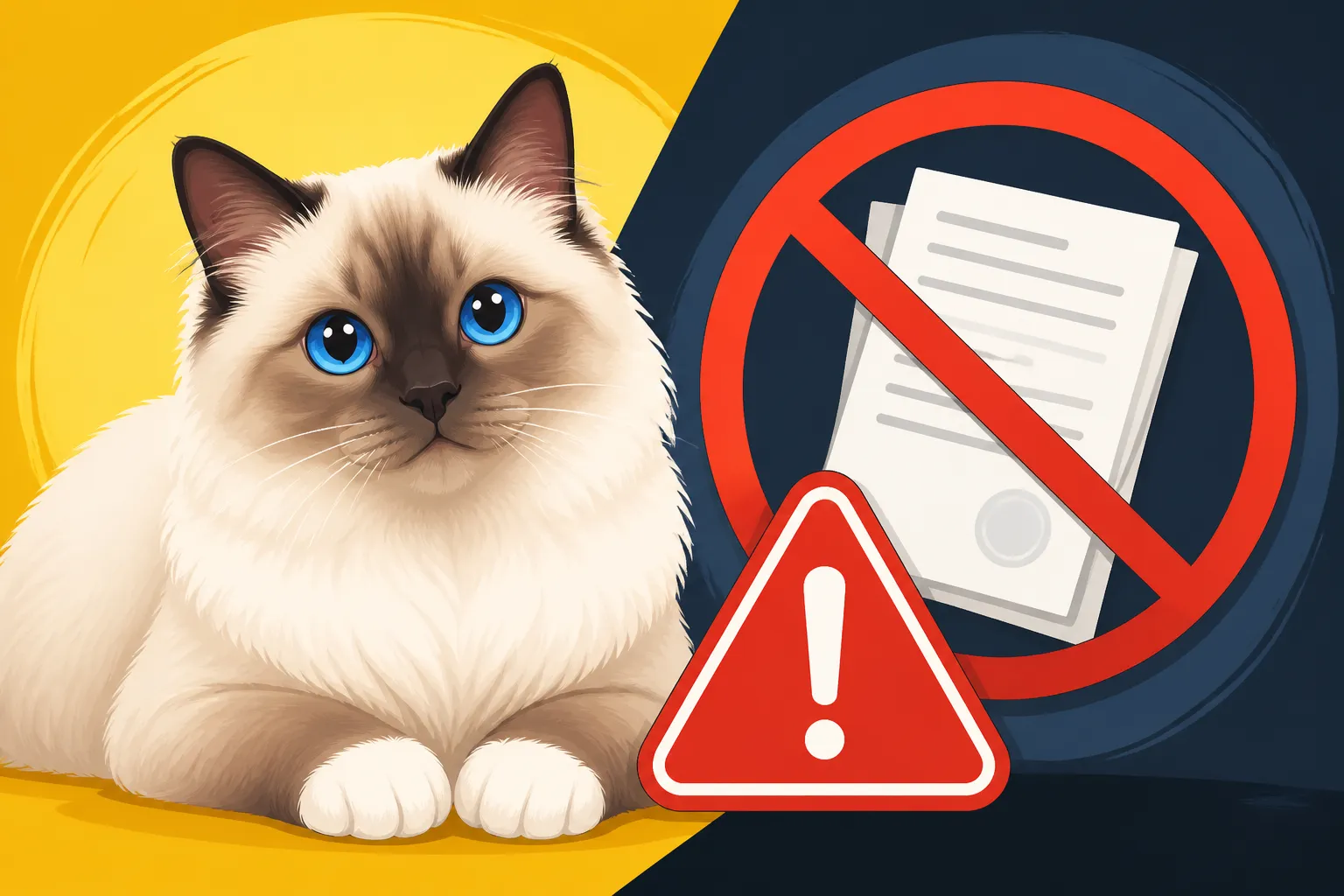
It’s incredibly exciting to consider bringing a gorgeous Birman cat into your home. Those stunning blue eyes, the silky coat, those perfect white "gloves" – it's easy to fall head over heels. But if you've come across an advertisement for a Birman kitten or cat without official registration papers, a small part of you might be wondering, "What's the big deal?" This guide is here to shed light on why purchasing a Birman advertised without papers is a significant risk, potentially leading to unforeseen health issues, behavioral surprises, and considerable emotional and financial strain down the line.
The Foundation of Purity and Pedigree
When you’re looking at a purebred cat like a Birman, the word "papers" isn't just about a fancy certificate to hang on the wall. It’s the official documentation that traces your cat's lineage, confirming its breed purity and providing a window into its genetic heritage and health history. Without these papers, you're essentially buying a mystery, no matter how cute the kitten might be.
Understanding Registration and What It Means for a Birman
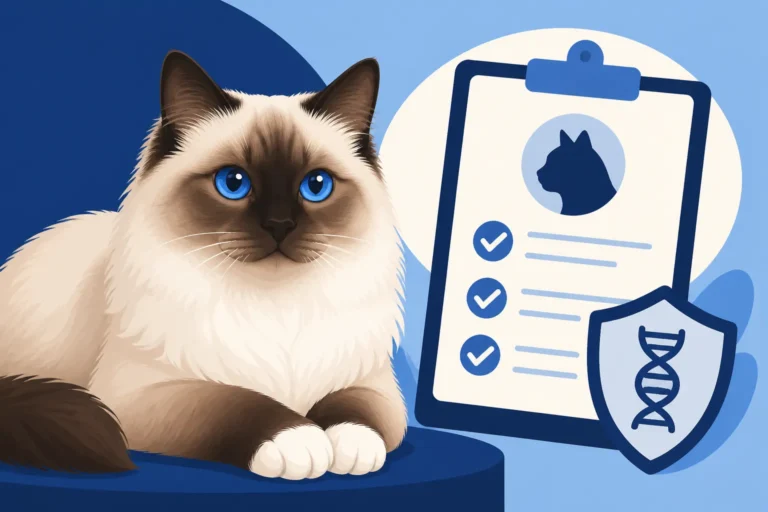
Registration papers, issued by reputable cat registries like the Cat Fanciers' Association (CFA) or The International Cat Association (TICA), are the bedrock of responsible breeding. They confirm that your Birman's parents, grandparents, and often generations beyond, are indeed Birmans. This isn't just for bragging rights; it's crucial for understanding the potential traits, health predispositions, and genetic makeup of your future companion. A registered Birman comes from a line where breeders are typically adhering to strict ethical guidelines, including health testing and maintaining accurate records. These papers are often the first thing a responsible breeder will hand over with the kitten, alongside other important documents mentioned in resources like Which Certificates a Birman Breeder Hands Over With the Kitten.
Without papers, that adorable "Birman" kitten might simply be a domestic longhair with similar markings, or a mix of breeds. While there's absolutely nothing wrong with a mixed-breed cat, you're usually paying a premium price for a purebred Birman – and without papers, you have no guarantee of what you’re truly getting. It's a bit like buying a designer handbag without any authenticity tags; it might look the part, but you don't know if it's the real deal or a clever imitation. For Birmans, this distinction is particularly important because their specific traits, from their physical appearance to their famously placid temperament, are carefully cultivated through generations of selective breeding.
The Importance of a Known Lineage
A Birman's pedigree, detailed in its registration papers, is a historical document. It allows you to trace your cat's ancestors, often reaching back to the post-war founders who rebuilt the breed. Understanding this lineage is vital for two main reasons: health and breed characteristics. Reputable breeders meticulously track their lines to avoid genetic problems and ensure desirable traits are passed down. This means they know if there's a history of certain health issues in the family tree, allowing them to make informed breeding decisions. As explored in What Two Founder Cats Did to the Birman's Inbreeding Figure, the breed has a relatively narrow founder base, making careful lineage tracking even more critical.
When a Birman comes with no papers, its lineage is unknown. You have no way of verifying its ancestry, and thus no way of knowing what genetic baggage might be lurking just a generation or two back. This isn't just about curious genealogy; it's about predicting potential health and temperament outcomes. A cat whose parents and grandparents are known to be healthy, well-tempered Birmans is far more likely to exhibit those same qualities than one whose background is completely opaque. You’re taking a gamble on genetics that could have serious long-term consequences for both the cat and your family.
The Difference Between "Purebred" and "Registered"
It’s common to hear breeders who don't provide papers claim their kittens are "purebred but not registered." This phrase often serves as a red flag. While a cat can technically be purebred (meaning both its parents were of the same breed) without being registered, there's usually a reason for the lack of papers, and it's rarely a good one for the buyer. It might mean the breeder isn't adhering to ethical breeding standards, perhaps cutting corners on health testing, or has had their registration suspended due to non-compliance.
A responsible breeder understands that registration is part of the commitment to the breed's integrity. They see it as essential to documenting health, maintaining breed standards, and ensuring the future well-being of the Birman. If a breeder avoids registration, they bypass the accountability that comes with it. This can lead to significant issues, as discussed further in How to Spot a Birman Breeder Selling Untested Kittens. You might be getting a cat that looks like a Birman, but without the official documentation, you're accepting all the potential risks that come with an unknown origin, without the benefits of a lower price typically associated with a mixed breed.
Unveiling Hidden Health Hazards
One of the most significant and heartbreaking risks of buying a Birman without papers lies in the realm of health. Responsible breeders invest heavily in genetic testing and veterinary screenings to ensure they are producing healthy kittens. Without papers, there’s often no verifiable record of these crucial tests, leaving you vulnerable to a host of inherited conditions.
Genetic Disease Risks in Unpapered Birmans
Birmans, like many purebred cats, have certain genetic predispositions that responsible breeders actively screen for. Two of the most talked-about are Hypertrophic Cardiomyopathy (HCM) and Polycystic Kidney Disease (PKD). HCM is a serious heart condition that can lead to heart failure, while PKD causes cysts on the kidneys, potentially leading to kidney failure later in life. There's also FOXN1, a rare but devastating genetic condition specific to Birmans, leading to hypotrichosis and immune deficiency. Understanding the genetic health of your cat’s lineage is paramount for a long, healthy life.
If a Birman breeder isn't providing papers, they are often not performing these vital genetic screenings. This means you could unknowingly bring home a kitten that carries or is affected by one of these conditions. Imagine falling in love with your new Birman, only to discover at a young age that it has a life-limiting genetic illness that could have been screened for and avoided. This is a very real scenario for those who cut corners on pedigree verification. The cost of diagnosis and ongoing treatment for such conditions can be astronomical, far outweighing any initial savings on the kitten’s price.
The Absence of Health Testing Documentation
Beyond genetic testing for specific diseases, reputable Birman breeders also conduct regular veterinary check-ups for their breeding cats, including echocardiograms to screen for HCM. These health records are usually transparently provided or easily verifiable when you purchase a registered kitten. For instance, knowing How Often HCM Turns Up in Echo Scanned Birman Lines can give you an idea of the importance of these screenings.
When papers are missing, it's highly probable that these essential health checks have been skipped entirely. A breeder who doesn't register their cats often isn't investing in expensive health screenings for their breeding stock. This isn't just about cutting costs; it's a disregard for the long-term well-being of the kittens they produce. You might be told the parents are "healthy," but without documented evidence, such claims are simply unsubstantiated. This lack of transparency puts your future Birman, and your heart, at significant risk.
Long-Term Vet Bills and Emotional Toll
The immediate savings of buying an unpapered Birman often evaporate rapidly when faced with the potential medical costs. Treating a chronic genetic condition like HCM or PKD can involve lifelong medication, specialized diets, and frequent veterinary visits. Diagnostic tests for these conditions, such as an echocardiogram for HCM or an ultrasound for PKD, are not inexpensive. What the FOXN1 Test Costs and What the PKD1 Test Costs for a Birman are examples of some of the tests that responsible breeders run. These are investments that save money and heartache in the long run.
Beyond the financial strain, there's the emotional toll. Watching your beloved cat suffer from an illness that could have been prevented through responsible breeding practices is devastating. The Birman’s naturally placid temperament, as discussed in Why a Birman Hides Illness Behind a Placid Temperament, means they often mask discomfort, making early detection of illness even harder unless you know what to look for based on their lineage’s health history. The joy of bringing a new companion home can quickly turn into anxiety and regret, turning what should be 12 to 16 years of companionship (as outlined in The Twelve to Sixteen Years a Birman Usually Gets) into a much shorter, more challenging journey.
Financial Pitfalls and Unexpected Expenses
The allure of a cheaper price tag for an unpapered Birman can be incredibly strong, especially when comparing it to the cost of a registered kitten from a reputable breeder. However, what initially seems like a bargain often turns into a much more expensive endeavor in the long run, loaded with hidden costs and limitations.
The "Bargain" That Isn't
That lower upfront price for an unpapered Birman kitten can feel like a steal. You might think you're getting the same beautiful cat for hundreds, if not thousands, less. But this initial saving is frequently a mirage. As we’ve discussed, the lack of papers often signals a lack of health testing, responsible breeding, and proper care in the early stages of the kitten's life. This means you're inheriting a higher risk of health problems, which translates directly into higher veterinary bills down the line. It's truly a situation where you pay for quality upfront, or you pay for it in treatment later.
Moreover, if the cat isn't truly purebred, you've overpaid for a mixed breed. While mixed breeds are wonderful companions, their value in the market is typically much lower than a well-bred, registered Birman. So, not only are you taking on significant health risks, but you're also likely paying more than the animal's actual "market value" as an unproven, potentially mixed-breed cat. This is why Why a Cheap Birman Is Usually Untested serves as such a critical warning for prospective owners.
Ineligibility for Breed-Specific Insurance Benefits
Pet insurance is a fantastic tool for managing unexpected veterinary costs, and many companies, like Healthy Paws, offer comprehensive plans. However, when you have a cat without papers, you might face limitations or exclusions for certain breed-specific conditions. Insurers rely on documented breed information to assess risk and tailor policies. Without proof of pedigree, your "Birman" might be classified as a domestic longhair, which could affect policy terms or coverage for conditions known to affect Birmans.
Even if you secure general pet insurance, any existing conditions – or conditions that develop soon after adoption that could be linked to an undocumented genetic history – might be deemed "pre-existing" and therefore excluded from coverage. This can leave you footing the entire bill for expensive treatments that a properly documented Birman, bred from health-tested lines, might have avoided or had covered by insurance. The small print truly matters here, and no papers means a bigger headache if your cat becomes ill.
Costs of Unknown Lineage
An unpapered Birman also comes with potential costs related to its unknown lineage in less direct ways. You might find yourself experimenting with various specialized diets or fresh food services, trying to manage digestive sensitivities or skin issues that stem from an undocumented genetic background. These trial-and-error feeding approaches can be expensive, as you try to find what works best for a cat whose nutritional needs aren't aligned with a typical Birman, simply because you don’t know its true genetic makeup.
Furthermore, if you ever wished to breed your Birman (though reputable breeders often sell pet-quality kittens on spay/neuter contracts), having no papers immediately disqualifies your cat from any official breeding programs. This can sometimes lead to frustration for individuals who, years down the line, might feel their Birman is so wonderful they want to share its genes, only to find they cannot legally or ethically do so within breed standards. For most pet owners, this isn't a concern, but it's another layer of limitation that comes with an unregistered cat.
Temperament, Type, and the True Birman Experience
Beyond health and finances, papers are your assurance of receiving a cat that truly embodies the Birman breed's renowned physical characteristics and gentle temperament. Without this documentation, you risk bringing home a cat that might look similar but behaves quite differently, potentially leading to disappointment or unexpected challenges.
Deviations from the Breed Standard
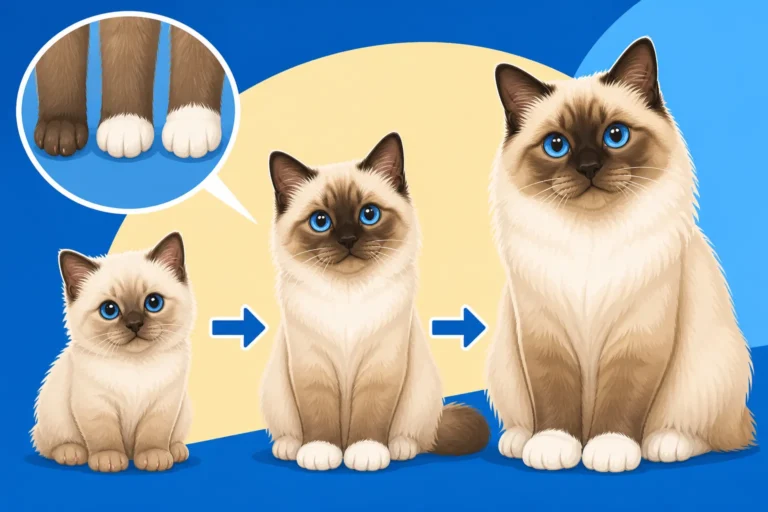
The Birman breed standard meticulously outlines what a Birman should look like – from the sapphire blue eyes to the specific "gloved" white paws with their characteristic "laces" at the back. When you purchase a registered Birman, you're buying a cat that has been selectively bred over generations to meet these precise aesthetic criteria. The breeder is striving for consistency and adherence to what makes a Birman distinctive.
An unpapered Birman might have some Birman-like features but could also display traits from other breeds, or simply not meet the accepted standards. For instance, its white markings might be uneven, its coat texture might be different, or its facial structure might not have the characteristic "Roman nose" profile. While these cosmetic differences don't affect a cat's ability to be a loving companion, if you're specifically seeking the iconic Birman look, an unpapered cat is a gamble. You're relying solely on visual assessment, which can be deceiving, especially in young kittens whose points and gloving are still developing.
Behavioral Surprises and Socialization Gaps
Birmans are celebrated for their incredibly sweet, gentle, and docile temperament. They are often described as the "middle-ground" cat, neither as intensely vocal as a Siamese nor as reserved as some Persians. They thrive on companionship and are known for being affectionate without being overly demanding, making them excellent family pets, as highlighted in Why a Birman Is the Cat Families Are Told to Get. This consistent temperament is a result of generations of selective breeding by ethical breeders who prioritize personality as much as physical traits.
When you purchase an unpapered Birman, you have no guarantee of this characteristic temperament. The cat could be a mix with other breeds that have very different behavioral tendencies, or it might come from a breeding background where temperament was not prioritized. This could mean a cat that is unexpectedly shy, aggressive, overly vocal, or simply not as calm and companionable as you expect from a Birman. Furthermore, breeders who don't bother with papers might also neglect crucial early socialization of kittens, which is essential for developing a well-adjusted cat. This lack of proper early handling and exposure can lead to lifelong behavioral issues, making it harder for the cat to adapt to a new home.
Why the Birman Persona Matters
For many Birman enthusiasts, it's the entire package – the striking appearance, the gentle nature, and the quiet companionship – that draws them to the breed. The Birman’s reputation as a calm, intelligent, and affectionate cat is hard-earned through decades of dedicated breeding. This persona is what makes them such cherished members of the family and so well-suited to households with children and other pets.
Choosing an unpapered Birman means letting go of the assurance that you're truly getting a cat that will embody these beloved qualities. You're essentially inviting uncertainty into your home regarding the very characteristics that attracted you to the breed in the first place. While any cat can bring joy, when you specifically seek a Birman, you're doing so for a reason. Having the assurance of papers means your new family member is more likely to grow into the kind of Birman you've dreamed of, a loyal and loving companion whose health and temperament are as predictable as can be, backed by a history of responsible breeding. Why a Birman's Pedigree Should Reach the Post War Founders really underscores the importance of this unbroken lineage.
Comparative Look: Papered vs. Unpapered Birman
To summarize the key differences and risks, here's a table outlining what you can expect when choosing between a Birman with and without official registration papers:
| Feature / Aspect | Birman with Papers | Birman without Papers |
|---|---|---|
| Breed Verification | Official registry documentation, verifiable lineage | Based on visual resemblance, lineage unverifiable |
| Health Assurance | Documented health testing (e.g., HCM, PKD, FOXN1) | Unknown genetic health status, significantly higher risk |
| Pedigree Clarity | Known ancestry for generations, transparent history | Ancestry is speculative or unknown, prone to misrepresentation |
| Temperament Predict. | Bred for consistent Birman traits (calm, gentle, quiet) | Temperament can be unpredictable, mixed traits possible |
| Physical Conformance | Adheres closely to recognized Birman breed standard | May have significant deviations from breed standard |
| Financial Costs | Higher initial cost, lower long-term health risks | Lower initial cost, potentially astronomical long-term vet bills |
| Insurance Eligibility | Generally easier to insure with full history, fewer exclusions | May face exclusions or higher premiums due to unknowns |
| Breeder Accountability | Breeder adheres to registry ethics, verifiable reputation | Breeder operates outside official oversight, less accountability |
Disclaimer
This article is for general informational purposes only and does not constitute professional advice. Laws, prices and regulations vary by location and change over time. Consult a qualified professional for guidance on your specific situation.