How a Breeder Prices a Birman at Twelve Weeks
Bringing home a Birman kitten is a dream for many, but the initial price tag can sometimes feel like a mystery. You see different numbers floating around, and it's easy to wonder why one kitten costs significantly more or less than another, especially when they're all just adorable little fluffballs at twelve weeks old. This guide is here to unravel those complexities, explaining exactly how reputable Birman breeders arrive at their pricing, ensuring you understand the value behind your potential new family member.
The Foundation of Birman Kitten Pricing: Breeder Investment
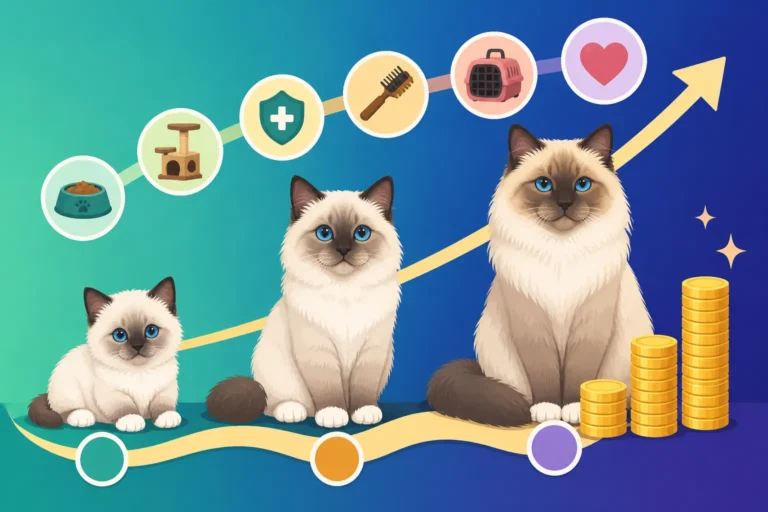
When you look at a Birman kitten, it’s easy to just see the cute face and fluffy paws. But behind that adorable exterior lies a significant amount of dedication, expertise, and financial investment from a responsible breeder. The price you pay for your twelve-week-old kitten isn't just for the kitten itself; it reflects all the effort and resources poured into ensuring healthy, well-socialized, and truly breed-standard offspring.
The Cost of Responsible Breeding
Let's be real, breeding Birmans isn't a get-rich-quick scheme; it's a passion project for dedicated individuals. A responsible breeder invests heavily long before any kittens are even conceived. This starts with acquiring high-quality breeding cats, which themselves come with a substantial initial cost, often involving importation from carefully selected lines to maintain genetic diversity and health. Beyond acquisition, these parent cats require top-notch veterinary care, including regular check-ups, vaccinations, and a premium diet to keep them in peak condition. Think about the comprehensive health testing involved: screening for Hypertrophic Cardiomyopathy (HCM) through cardiac ultrasounds, genetic testing for Polycystic Kidney Disease (PKD1), and most critically for Birmans, testing for the FOXN1 gene responsible for congenital hypotrichosis (the "bald kitten" syndrome). These tests aren't cheap, and they need to be done regularly, sometimes annually, especially for conditions like HCM. A breeder might spend a considerable sum just on diagnostics to ensure they are not passing on genetic predispositions. For instance, What Testing a Birman for FOXN1 and PKD1 Together Costs can add up quickly, but it’s a non-negotiable step for ethical breeding.
Beyond health, there's the effort to maintain and improve the breed standard. This often involves showing cats in competitions, which incurs entry fees, travel expenses, and grooming costs. These titles aren't just for bragging rights; they validate that the breeding cats meet the physical and temperament standards set by major registries. All these costs—vet bills, high-quality food, show expenses, genetic testing, stud fees if an outside male is used—are factored into the operational expenses of a cattery. When you consider that a female Birman might only have one or two litters in her lifetime, these cumulative costs are spread across a relatively small number of kittens, making a higher price tag an understandable reflection of the breeder's commitment to quality and health. It’s about more than just bringing kittens into the world; it’s about ensuring they thrive.
Time and Dedication: The Unseen Investment
Money isn't the only investment; time is perhaps the most valuable. From the moment of conception, a breeder dedicates countless hours to the well-being of their cats and kittens. Pregnancy monitoring, assisting with birth, and round-the-clock care for newborn kittens are incredibly demanding. Birman kittens, like all kittens, need constant supervision, especially in their early weeks. The breeder is essentially on call 24/7. This involves ensuring the queen is comfortable and healthy, carefully weighing kittens daily to monitor growth, and intervening if any kitten struggles to thrive. Then comes the critical period of socialization. A well-socialized Birman kitten, one that is confident, friendly, and used to human interaction, is the result of intentional effort.
For twelve weeks, these kittens are handled daily, exposed to various sights, sounds, and textures, and introduced to litter training and basic grooming. The breeder plays, cuddles, and observes each kitten's personality, matching them with suitable families. This isn't just a casual activity; it's a deliberate program designed to produce calm, affectionate companions that are ready to integrate seamlessly into a new home. Consider the gentle nature of the breed; Why a Birman Plays Gently is often a testament to early, positive human interaction. Furthermore, a breeder provides guidance and support to new owners, often for the cat's entire lifetime. This unseen labor of love, the sleepless nights, the endless cleaning, the educational conversations with prospective buyers, and the ongoing support, all contribute to the intrinsic value and, consequently, the price of a well-raised Birman kitten. Without this extensive hands-on care, a kitten simply wouldn't be as well-adjusted.
The Role of Markings and Conformation in Price
One of the most distinctive and highly valued characteristics of a Birman is its unique marking pattern: the pointed body with four perfectly white "gloves" and "laces" on the back paws. These markings, along with overall physical conformation, play a significant role in how a breeder prices a Birman at twelve weeks.
The Intricacies of Birman Gloves and Laces
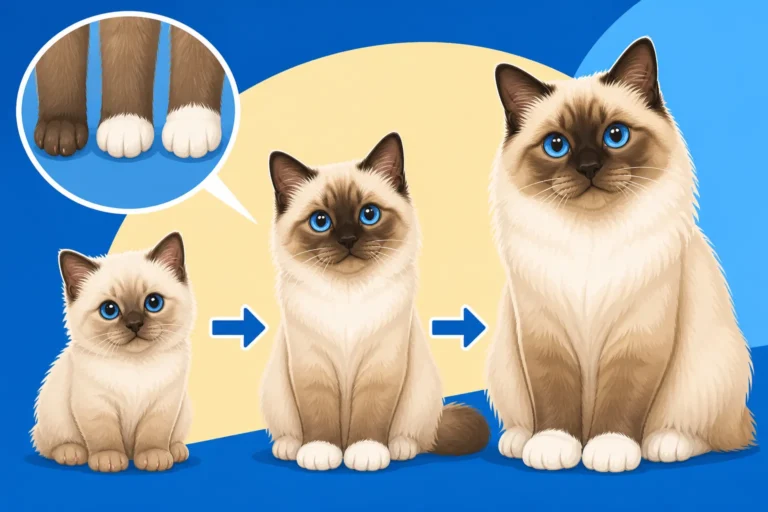
The Birman standard places immense importance on the white markings, often referred to as "gloves" on the front paws and "laces" on the back. For a show-quality Birman, these markings need to be symmetrical, pure white, and of a specific length. The front gloves should end in an even line just above the paw pad, while the back laces should extend up the hocks, tapering to a point. Why Perfect Birman Gloves Are Almost Impossible to Breed is a common lament among breeders, and it's this rarity that drives up the price for kittens that come close to perfection.
At twelve weeks, a breeder can already make a very good assessment of a kitten's glove and lace quality. Kittens with precise, symmetrical, and well-defined white markings will naturally command a higher price. These are the kittens with "show potential" or "breeding potential." On the flip side, kittens with "mismarks"—such as uneven gloves, too high or too low white, "runners" where the white extends too far up the leg, or splashes of color on the white—will generally be priced as "pet quality." While these variations in markings have absolutely no impact on the kitten's health, temperament, or ability to be a loving companion, they do affect its adherence to the strict breed standard. Why a Mismarked Birman Is a Pet Price Cat because it means they won't be competitive in the show ring. Breeders often use a nuanced grading system to evaluate each kitten's markings, and this evaluation directly influences their twelve-week price.
Point Color and Other Aesthetic Factors
While gloves are paramount, the Birman's point color also plays a role, albeit usually a secondary one to marking quality. Birmans come in a range of colors, including seal point, blue point, chocolate point, lilac point, red point, and various tortie and tabby points. Some colors are more common, while others are considered rarer or newer introductions to the breed standard. For example, a lilac or cream point Birman might occasionally carry a slightly higher price tag if it also boasts excellent markings, simply because those colors are seen less frequently. Why a Lilac or Cream Point Birman Costs More can be due to the time and effort a breeder has invested in establishing these rarer lines.
Beyond color and gloves, overall conformation contributes to the aesthetic value. Judges look for a strong, sturdy body, a broad, rounded head with a slightly Roman nose, medium-sized ears, and, crucially, deep sapphire blue eyes. A kitten that displays these characteristics strongly at twelve weeks, showing promising development towards the ideal Birman look, will be more valuable. Of course, a Birman kitten is still growing and developing at this age; How a Birman Kitten's Gloves Change as It Grows is a fascinating process to watch, but a skilled breeder can anticipate future development with a high degree of accuracy. The combination of pristine markings, desirable point color, and excellent overall structure creates a truly exceptional Birman, and the pricing reflects this adherence to the breed's aesthetic ideals.
Health Guarantees and Pedigree: Non-Negotiables for Value
When you're bringing a Birman kitten into your home, you're not just getting a pet; you're welcoming a new family member who you hope will share many happy years with you. The long-term health and verified lineage of your kitten are critical components of its value, and a reputable breeder will ensure these are thoroughly addressed, impacting the kitten's price at twelve weeks.
The Value of Health Screening and Guarantees
A significant portion of a Birman kitten's price is intrinsically linked to the health screenings performed on its parents and, often, on the kitten itself. Responsible breeders invest heavily in genetic testing and veterinary evaluations to minimize the risk of hereditary diseases. As mentioned earlier, conditions like Hypertrophic Cardiomyopathy (HCM), Polycystic Kidney Disease (PKD1), and the FOXN1 gene deletion (causing hypotrichosis) are key concerns in the Birman breed. Ensuring both parents are clear of these conditions, or at least that their breeding avoids producing affected kittens, provides immense peace of mind for prospective owners. How HCM Shows Up in a Birman is a scary prospect, and thorough screening helps mitigate that risk.
When a breeder offers a written health guarantee with their kitten, it signifies their confidence in their breeding program and their commitment to the kitten's well-being. This guarantee typically covers genetic health issues for a certain period, and some breeders even offer a lifetime guarantee against specific fatal genetic diseases. While you should always consider pet insurance from providers like Healthy Paws for comprehensive coverage, a solid breeder guarantee acts as an initial safety net. The price of the kitten reflects the cost of all those parental health checks, early kitten vet visits (first vaccinations, deworming, microchipping, and a thorough vet check before leaving), and the assurance that comes with a healthy start. Asking What a Birman Kitten Has Had Done by Thirteen Weeks is crucial, and a higher price often correlates with a more comprehensive health program. This proactive approach to health reduces the likelihood of heartbreaking and expensive vet bills down the line, ultimately offering better value.
Documenting a Birman's Lineage and Pedigree
Another cornerstone of a Birman kitten's value is its documented lineage and registration papers. When you purchase a Birman, you're not just buying "a pretty cat"; you're buying a member of a specific, recognized breed with a rich history. Reputable breeders will provide official registration papers from established cat registries, such as The Cat Fanciers' Association (CFA) or The International Cat Association (TICA). These papers confirm the kitten's purebred status and its family tree, often going back several generations. Why a Birman's Pedigree Should Reach the Post War Founders highlights the historical depth breeders aim for.
The pedigree is more than just a piece of paper; it's a record that allows you to trace your kitten's ancestors, verify health testing results for previous generations, and understand the lines from which your kitten descends. This transparency ensures you're getting a genuine Birman and not a mixed breed or a cat from an unverified background. The breeder also usually provides a sales contract outlining responsibilities, health guarantees, and often a spay/neuter clause for pet-quality kittens. The cost of registration, kennel fees, and the meticulous record-keeping required to maintain accurate pedigrees are all part of the breeder's overhead. Kittens from championship lines with well-documented, healthy ancestors will naturally command a higher price, reflecting the proven quality and heritage that comes with them.
Understanding "Pet Price" Versus "Show/Breeding Price"
One of the most common questions prospective Birman owners have is about the different price points for kittens within the same litter. Why might one kitten be significantly more expensive than its sibling? The answer usually lies in whether the kitten is being sold as a "pet," "show potential," or "breeding potential." This distinction is a cornerstone of how breeders price Birmans at twelve weeks.
What "Pet Price" Truly Means for a Birman
The vast majority of Birman kittens are sold at "pet price," meaning they are intended solely as companions for families, not for showing or breeding. These kittens are every bit as loving, beautiful, and healthy as their higher-priced siblings. The key difference lies in their adherence to the extremely strict breed standard for showing. As we discussed earlier, Birman markings—the white gloves and laces—are incredibly difficult to breed to perfection. A kitten sold at pet price might have minor "faults" in its markings, such as a glove that's slightly uneven, white that runs a little too high up the leg (a "gauntlet"), or a splash of color on a white paw. What Counts as a Mismarked Birman can vary, but these subtle differences, while not impacting the cat's health or temperament, prevent it from being a competitive show cat.
These pet-quality kittens are typically sold with a spay/neuter contract, meaning the new owner agrees to have the kitten desexed by a certain age. This is a crucial ethical practice for responsible breeders, designed to protect the breed standard and prevent irresponsible breeding. It ensures that only the very best examples of the breed are used for propagation. While a pet-price Birman might not grace the cover of a cat show program, it will still bring immense joy, companionship, and that signature Birman affection into your home. The price reflects its quality as a beloved companion, without the premium attached to meeting stringent show criteria. When you're looking for a family pet, these minor aesthetic differences are often irrelevant, and you're getting a wonderful cat at a more accessible price point.
The Premium for Show or Breeding Quality
On the other end of the spectrum are Birman kittens designated as "show potential" or "breeding potential." These are the rare gems within a litter that meet, or are expected to meet, the breed standard with exceptional precision. Their white gloves are perfectly symmetrical and positioned, their point color is rich, their eyes are a deep sapphire blue, and their overall conformation is exemplary. How Much a Birman Good Enough to Show Costs significantly more because they represent the pinnacle of the breeder's efforts and the potential future of the breed.
Breeders might hold back such kittens for their own cattery or sell them to other reputable breeders who aim to continue improving the breed. When sold for breeding, the price reflects not just the kitten's individual quality but also its genetic potential to produce high-quality offspring. These kittens typically come with full breeding rights, which is another significant factor in their higher price. For show potential kittens, the premium reflects their ability to compete and win titles, bringing prestige to their lineage and breeder. This isn't just about aesthetics; it's about the decades of careful selection and genetic stewardship that go into producing a cat that embodies the ideal Birman. It’s an investment in the future of the breed, and the price reflects that profound value.
Here’s a simplified breakdown of pricing factors for a Birman kitten at twelve weeks:
| Pricing Tier | Key Factors | Markings | Health & Pedigree | Typical Contract |
|---|---|---|---|---|
| Pet Quality | Family companion focus | Minor imperfections (uneven gloves, gauntlets) | Fully health-checked, registered pedigree | Spay/Neuter |
| Show Potential | Meets breed standard closely, excellent conformation | Near-perfect gloves, laces, ideal point color & eye color | Fully health-checked, registered pedigree | Show contract, often spay/neuter |
| Breeding Potential | Exceptional adherence to standard, strong genetic line | Flawless gloves, laces, excellent conformation, strong genetics | Fully health-checked, registered pedigree | Full breeding rights |
When you connect with a breeder, they should be transparent about how they classify and price their kittens, explaining the nuances of each factor. This transparency helps you make an informed decision and appreciate the careful thought that goes into bringing these magnificent cats into the world. You might also want to explore premium food options, which can contribute to their coat health and overall well-being. Keeping their environment clean is also key, so consider high-quality, low-dust litter options, perhaps sourced from Chewy, to prevent staining those beautiful white gloves.
Disclaimer
This article is for general informational purposes only and does not constitute professional advice. Laws, prices and regulations vary by location and change over time. Consult a qualified professional for guidance on your specific situation.