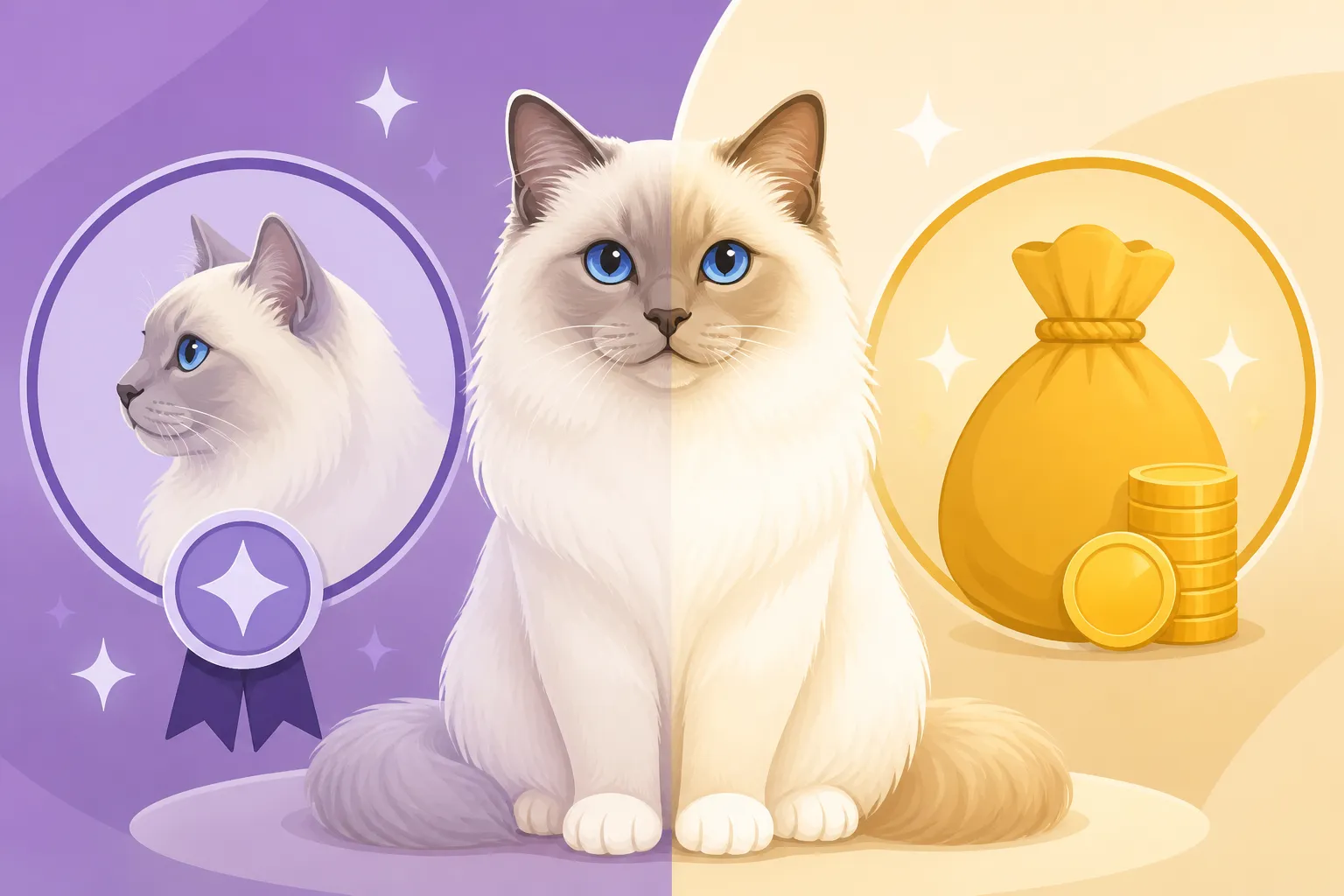
Why a Lilac or Cream Point Birman Costs More
It can be quite puzzling, can’t it? You’re scrolling through breeder websites, admiring those gorgeous Birman kittens, and you notice a significant price difference between a classic seal point and a delicate lilac or cream point. It’s not just your imagination; these lighter, softer hues often come with a steeper price tag. This guide will walk you through the fascinating reasons behind this variation, from the intricate genetics involved to the sheer effort breeders put into creating these sought-after colors.
The Foundation of Birman Kitten Pricing
Before we dive into the specifics of lilac and cream points, it’s crucial to understand what generally dictates the price of any Birman kitten. There's a lot more to it than just their pretty face, though that certainly helps!
The Baseline: Health, Temperament, and Pedigree
Every reputable Birman breeder starts with the fundamental commitment to health and temperament. This isn't just a nicety; it's an ethical imperative. A breeder invests heavily in health screening their breeding cats for genetic conditions like hypertrophic cardiomyopathy (HCM) and polycystic kidney disease (PKD). This means regular vet visits, specialist cardiac scans, and DNA testing. These proactive measures ensure that the kittens you adopt are as healthy as possible, reducing potential heartbreak and massive vet bills down the line. Beyond health, temperament is equally vital; Birmans are cherished for their gentle, affectionate nature, and ethical breeders work tirelessly to socialize their kittens, ensuring they grow into well-adjusted, confident companions. You're paying for generations of careful selection and dedicated care.
A kitten’s pedigree also plays a significant role. This isn't about snobbery; it’s about traceable lineage, ensuring you’re getting a purebred Birman with documented ancestry. A strong pedigree reflects the breeder's commitment to the breed standard and often indicates a line of cats known for good health, conformation, and desirable temperaments. These foundational costs are baked into the price of every Birman kitten, regardless of color. It's the assurance that your future furry family member has had the best possible start.
The "Glove Factor"
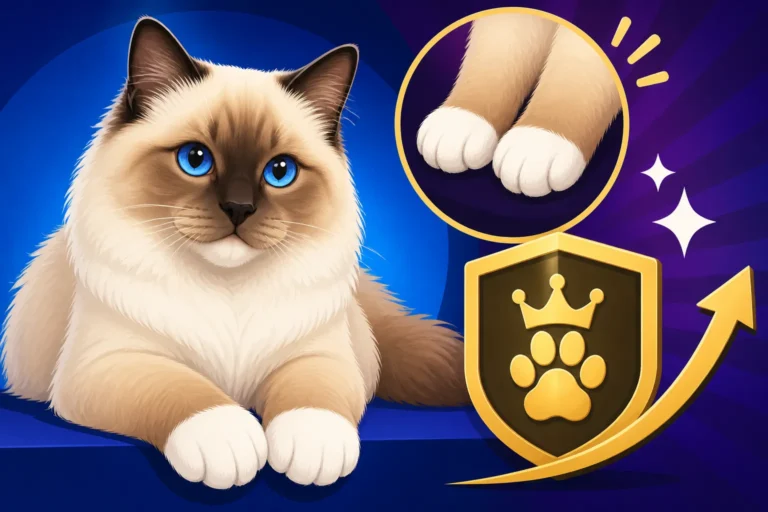
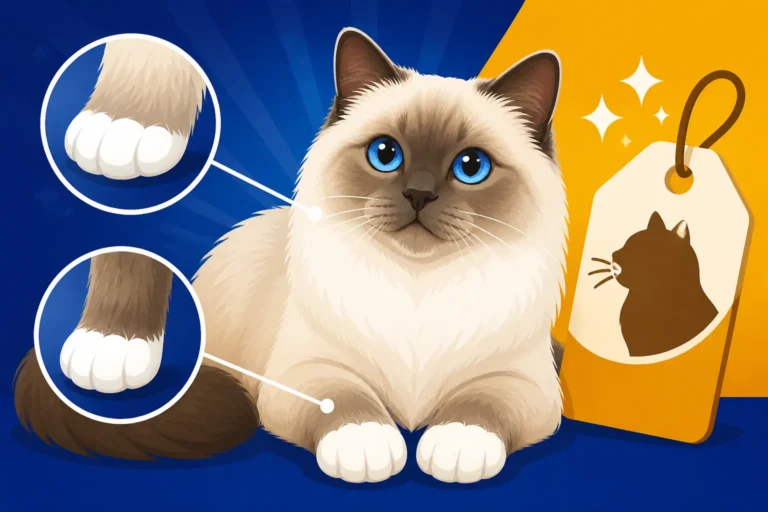
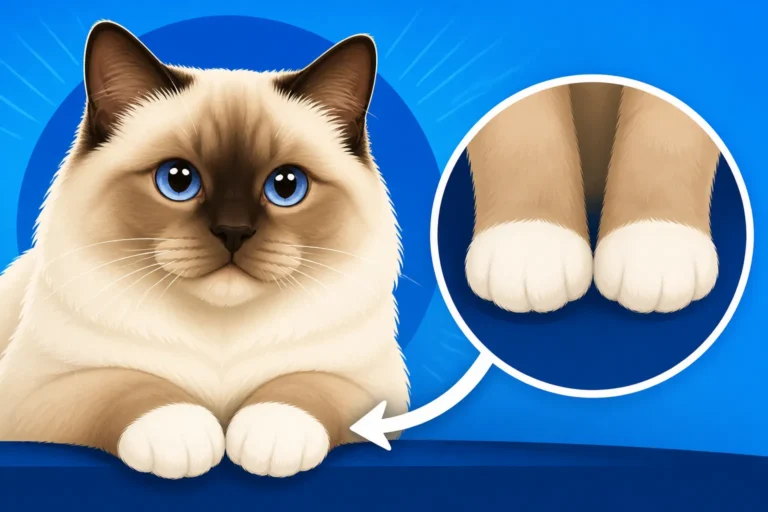
Ah, the Birman’s signature white gloves! This is perhaps the most defining characteristic of the breed, and it significantly impacts a kitten's price. The ideal Birman should have pure white "gloves" on its front paws, extending to a "lace" or "gauntlet" on the back paws, running up the hocks. Achieving this perfect symmetry is incredibly difficult, a true art form in breeding. Breeders spend years, if not decades, trying to consistently produce kittens with faultless gloving.
When a breeder evaluates a litter, the precision and balance of these white markings are often judged even more critically than the point color itself for show potential. A perfectly gloved seal point might command a higher price than a poorly gloved lilac point. A kitten with four even gloves and matching laces costs more because it represents the pinnacle of the breed's physical standard. If you want to dive deeper into this fascinating aspect, you can read more about The Gloves Decide What a Birman Kitten Costs. Slight mismarks, such as uneven gloves or "runners" (streaks of white up the leg), can classify a kitten as "pet quality," reducing its price, even if its color is rare. This intricate dance of genetics for gloving adds another layer of complexity and cost to the breeding process.
Beyond the Basics: What Adds Value
Beyond health, temperament, and impeccable gloving, other factors can push a Birman kitten's price higher. For instance, a kitten deemed "show quality" – meaning it perfectly adheres to the breed standard in every aspect – will naturally be more expensive. These kittens are often reserved for experienced exhibitors or sold with explicit agreements regarding showing. Similarly, if a kitten is sold with "breeding rights," allowing the new owner to breed from it, the price will be considerably higher, as this reflects the potential future value of its offspring.
The breeder's reputation and awards also play a role. A breeder with a long history of producing champions and healthy, well-adjusted cats often has a higher demand for their kittens, which can influence pricing. These breeders often have extensive waiting lists, and their prices reflect the years of dedication, experience, and success they've invested in the breed. Ultimately, the overall value is a combination of many intricate elements, with color being just one piece of a much larger puzzle.
Understanding Birman Point Colors and Genetics
To truly understand why lilac and cream points cost more, we need a little lesson in Birman color genetics. It's more complex than just "light" and "dark"!
The Classic Birman Palette
The most widely recognized Birman colors are the "full color" points: seal point, blue point, chocolate point, and less commonly, red (or flame) point. These colors are all variations of the "Siamese pattern," where the cat's extremities (face, ears, paws, tail) are darker than its body.
- Seal Point: This is the darkest and perhaps most classic Birman color. The points are a rich, dark brown, almost black, contrasted with a creamy body. If you’re curious, you can see What a Seal Point Birman Looks Like.
- Blue Point: This is a diluted version of seal point, resulting in slate gray points and a body that's a cool off-white or silvery blue. It’s a very popular and elegant color. For a visual, check out What a Blue Point Birman Looks Like.
- Chocolate Point: Here, the points are a warm, milky brown, often compared to milk chocolate, with an ivory body.
- Red (or Flame) Point: These Birmans have vibrant orange-red points, often with a creamy white body.
These colors are relatively common because the genes responsible for them are prevalent in the Birman gene pool, largely owing to the breed's history and its ancestral lines. Breeding for these colors, while still requiring careful attention to gloving, is generally more straightforward in terms of color genetics.
The Dilution Gene: Creating Lilac and Cream
Now, let's talk about those coveted lilac and cream points. These colors are essentially diluted versions of chocolate and red points, respectively.
- Lilac Point: This stunning color is a diluted chocolate. Instead of a warm brown, the points are a soft, cool, grayish-pink hue, sometimes described as a "frosty" or "dove" grey. The body is an even lighter, almost glacial white. It's incredibly elegant and subtle.
- Cream Point: This is a diluted red point. The vibrant red is softened to a pale, pastel cream or apricot, often with a hint of rose, and a pristine white body.
Both lilac and cream points require a specific recessive gene called the "dilution gene" to be present in two copies (one from each parent) to express itself. If a cat only carries one copy, it's a "dilute carrier" and will appear as a full-color cat (seal, blue, chocolate, or red), but it can pass the dilution gene on to its offspring. This is where the complexity begins for breeders.
The Rarity Factor: Why Some Colors Are Less Common
The rarity of lilac and cream points stems directly from the genetics of the dilution gene. For a kitten to be lilac, both parents must carry the dilution gene, and at least one parent must carry the chocolate gene (or both carry chocolate). For cream, both parents must carry the dilution gene, and at least one parent must carry the red gene.
Here’s why it makes them rarer:
- Recessive Inheritance: Because the dilution gene is recessive, it can be hidden for generations. Breeders need to know the genetic background of their cats meticulously to predict the likelihood of producing dilute colors. This means careful record-keeping and sometimes genetic testing of breeding stock.
- Specific Pairings: To get a lilac or cream kitten, you can't just pair any two Birmans. You need specific genetic combinations. For example, mating two blue points (diluted seal) will only ever produce blue point or lilac point kittens, but only if they both also carry chocolate. Mating a chocolate point carrier of dilution with a blue point carrier of dilution might produce seals, blues, chocolates, and lilacs – but the chances of any one specific color, particularly lilac, can be relatively low within that litter.
- Breeding Challenges: It's a game of chance and careful planning. Even with the right genetic pairings, the probability of getting a lilac or cream kitten in any given litter is often 25% or less. This means breeders might have to breed several litters to produce just a few kittens of these rare colors. This low yield naturally drives up their value due to scarcity. This is a big reason Why Rarer Birman Points Cost More.
This genetic complexity, combined with the desire for excellent gloving and health, means breeding for specific rare colors is a significant undertaking that fewer breeders specialize in, making those kittens more exclusive.
The Intricacies of Breeding for Lilac and Cream Points
Breeding Birmans for specific, rarer colors like lilac and cream is a much more involved process than just letting two cats mate. It requires deep knowledge, strategic planning, and a significant investment of time and resources.
The Genetic Puzzle for Breeders
Imagine you’re a breeder, and you want to produce lilac point Birmans. You can’t just go out and buy two lilac point parents and expect easy litters. You need to understand the full genetic makeup of your breeding cats, often going back generations. You might need to purchase breeding stock from specific lines known to carry the dilution gene, which can be more expensive. Then, you need to ensure these cats are also healthy, have excellent temperaments, and meet the breed standard for conformation and, crucially, gloving.
The challenge is that the genes for color and the genes for gloving are inherited independently. So, even if you successfully breed for a lilac point, there's no guarantee that kitten will also have perfect gloves and laces. This makes the "ideal" lilac or cream point Birman – one that is healthy, perfectly gloved, and the desired rare color – a true unicorn. It’s why Why Glove Genetics Are Unpredictable in a Birman is such a crucial factor in pricing. Breeders spend years studying pedigrees, sometimes utilizing genetic tests to identify carriers of the dilution gene, all to increase their chances of producing these specific, highly desirable combinations.
Increased Effort and Experience
The breeders who successfully produce lilac and cream points often possess a higher level of experience and expertise. They have typically spent more years in the breed, accumulating knowledge about various bloodlines and their genetic potentials. This isn't something you learn overnight; it's a deep dive into genetic charts, selective breeding programs, and careful observation.
Furthermore, the initial investment in breeding cats that carry these specific genes can be substantial. A breeder might import a cat from another country known for strong lilac or cream lines, incurring significant costs for purchase, transport, and quarantine. They might also keep certain cats in their breeding program for longer to get the desired genetic combinations, which means more years of feeding, veterinary care, and general upkeep. All this added effort and investment translates directly into the final price of the kittens.
Smaller Litters and Demand vs. Supply
Ultimately, the law of supply and demand plays a huge role here. Because of the genetic challenges, breeders generally produce fewer lilac or cream point Birmans than seal or blue points. Imagine a breeder who has spent years perfecting their lines, investing thousands in health testing and genetic mapping, and they finally produce a litter with a couple of exquisite lilac point kittens. Those kittens are the culmination of immense effort and expense.
This scarcity creates a higher demand. Many prospective owners are specifically looking for these unique, softer colors, leading to longer waiting lists. When supply is limited and demand is high, prices naturally increase. It’s simply how the market works, even in the world of cat breeding. For breeders, it's often a labor of love, but the costs associated with producing such special kittens are real. It often takes How Many Litters It Takes to Get a Well Gloved Birman to achieve specific desired outcomes.
The Impact of Demand and Market Trends
Beyond genetics and breeding effort, the sheer popularity and aesthetic appeal of certain colors significantly influence their market value. It's a reflection of what prospective owners are actively seeking.
The Appeal of Unique and Pastel Hues
There's something undeniably captivating about the softer, more unique hues of lilac and cream point Birmans. In a world often dominated by darker, more traditional cat colors, these pastel shades stand out. Lilac, with its delicate hint of pinkish-grey, and cream, with its warm, gentle apricot tones, offer a distinctive aesthetic that many find irresistible. They have an ethereal quality that appeals to those looking for something a little different, a cat that truly embodies elegance and grace.
This visual appeal taps into a desire for exclusivity and beauty. People are often drawn to what is less common, seeing it as more special or desirable. This isn't to say other Birman colors aren't beautiful, but lilac and cream possess a certain "je ne sais quoi" that catches the eye and captures the heart of many prospective owners, leading them to be willing to pay a premium for that specific look.
Waiting Lists and Exclusivity
The high demand for lilac and cream point Birmans is clearly evidenced by the waiting lists breeders maintain. It's not uncommon for a reputable breeder to have a waiting list that stretches for a year or more for these specific colors. People are willing to wait, and they understand that securing such a kitten might mean a longer timeline and a higher upfront cost. This creates an aura of exclusivity around these colors.
When you're waiting for a kitten, especially a specific color, you become part of a select group. This perceived exclusivity adds to the kitten's value. Breeders manage these waiting lists carefully, often requiring deposits well in advance. This ensures serious buyers and helps the breeder plan future litters. The existence of these long queues is a clear indicator that the market is willing to bear higher prices for these particular point colors. It is absolutely true that Why a Birman Waitlist Is Longer for a Well Marked Kitten for these rarer colors.
The "Fashion" Element in Cat Breeding
Just like in fashion, cars, or home decor, there are trends in pet preferences. Certain breeds or colors come into vogue, driven by social media, celebrity ownership, or simply a shift in aesthetic tastes. While classic Birman colors will always have their admirers, there's a definite "fashion" appeal to the lilac and cream points right now. Their softer appearance photographs beautifully and fits well with modern interior design aesthetics that favor lighter, more muted palettes.
This trend can influence pricing, much like how a certain brand of handbag or a specific car model might temporarily fetch a higher price due to its popularity. It’s a dynamic market, and breeders are attuned to these shifts in demand. While ethical breeders prioritize health and temperament above all else, they also understand the market for their kittens. The "fashion" element, combined with genuine rarity and breeding difficulty, creates a perfect storm for higher prices for lilac and cream point Birmans.
What to Expect When Buying a Lilac or Cream Point Birman
So, you’ve fallen in love with a lilac or cream point Birman and are ready to bring one home. Here’s what you should know to ensure a smooth, ethical adoption process.
The Importance of a Reputable Breeder
This cannot be stressed enough: always choose a reputable breeder. Especially when seeking a rarer color, there's a risk of encountering breeders who prioritize color over health or temperament. A responsible breeder will be transparent about their breeding practices, health testing, and genetic lines. They will readily share documentation for both parents, including health clearances for conditions like HCM and PKD. Don't be shy about asking questions about these tests, as the health of your future companion is paramount. For example, What Testing a Birman for FOXN1 and PKD1 Together Costs can be significant, and good breeders absorb these costs.
They will also be inquisitive about your home and lifestyle, ensuring their kittens go to loving, appropriate environments. They won't pressure you into a sale and will allow you to visit the cattery (or provide extensive video tours) to see the kittens and parents in their environment. Be wary of anyone offering a "deal" on a rare color without proper documentation or who seems to be rushing the process. If you want to know more about what to look for, here's How to Spot a Birman Breeder Selling Untested Kittens. A reputable breeder's higher price reflects their significant investment in the well-being of their cats and the integrity of the breed.
Understanding the Price Breakdown
When you're quoted a higher price for a lilac or cream point Birman, understand what that cost generally covers. It’s far more than just the kitten itself. It typically includes:
- Health Testing: As mentioned, extensive genetic testing (like What the FOXN1 Test Costs), vet check-ups, and screenings for potential inherited conditions in both parents.
- Vaccinations and Worming: Age-appropriate vaccinations, regular deworming, and often flea prevention for the kitten.
- Microchipping: The kitten will usually be microchipped before going home.
- Spay/Neuter Contract: Most pet-quality kittens are sold on a spay/neuter contract, meaning you agree to have them altered by a certain age. This prevents indiscriminate breeding and protects the breed.
- Registration Papers: Documentation with a recognized cat registry, proving its purebred status and lineage.
- Early Socialization: The breeder's time and effort in socializing the kitten, ensuring it's confident, friendly, and well-adjusted.
- A Kitten Pack: Often includes a small supply of their current food, a toy, and a blanket with mom's scent to help with the transition.
- Lifetime Support: A good breeder will offer ongoing advice and support for the lifetime of your cat.
While the color influences the price, the underlying quality of care and ethical breeding practices are the core reasons for the investment.
Beyond the Initial Cost: Ongoing Care for Any Birman
Remember, the purchase price is just the beginning of your journey with a Birman. These cats live long lives—often 12 to 16 years—and their ongoing care costs add up. Plan for annual vet check-ups, vaccinations, and potentially an echo scan, especially if your cat comes from lines that haven't been meticulously screened for heart issues. A Birman's silky coat, while less prone to matting than some longhairs, still requires regular combing, probably three times a week, and a special comb that won't pull. You might not ever need to book a professional grooming appointment; in fact, Why a Birman Owner Never Books a Grooming Appointment is a well-known fact among owners.
High-quality food is essential for maintaining their magnificent coats and overall health. There are fantastic fresh food options and a wide selection of premium dry and wet foods, as well as specialized litter that won't stain those precious white gloves. Investing in good pet insurance, perhaps from providers like Healthy Paws, can also provide peace of mind for unexpected vet emergencies. These ongoing expenses are part of the joy and responsibility of Birman ownership, regardless of their exquisite point color.
Birman Point Color Comparison
To help illustrate the differences and general rarity, here's a quick comparison of the main Birman point colors:
| Point Color | Genetic Basis | Appearance of Points | Body Color | Relative Rarity/Cost |
|---|---|---|---|---|
| Seal Point | Full color, Black gene | Dark brown/Black | Cream/Golden | Common |
| Blue Point | Diluted Seal (dilution gene on black) | Slate grey/Blue-grey | Off-white/Silvery | Common |
| Chocolate Point | Full color, Chocolate gene | Warm, milky brown | Ivory | Less Common |
| Red Point | Full color, Red/Orange gene | Vibrant orange-red | Creamy White | Less Common |
| Lilac Point | Diluted Chocolate (dilution gene on chocolate) | Soft, cool grayish-pink | Glacial white | Rare/Higher Cost |
| Cream Point | Diluted Red (dilution gene on red) | Pale, pastel cream/Apricot | Pristine white | Rare/Higher Cost |
| Tortie Point | Red/Cream points mixed with another color (e.g., Seal Tortie) | Patches of red/cream and other point color | Cream/White | Variable/Specialized |
| Tabby Point | Agouti gene (stripes within point color) | Striped points (e.g., Seal Tabby Point) | Lighter with stripes | Variable |
As you can see, the lilac and cream points truly stand out, not just in their beautiful appearance but also in the genetic journey and dedicated breeding effort required to bring them into the world.
Disclaimer
This article is for general informational purposes only and does not constitute professional advice. Laws, prices and regulations vary by location and change over time. Consult a qualified professional for guidance on your specific situation.