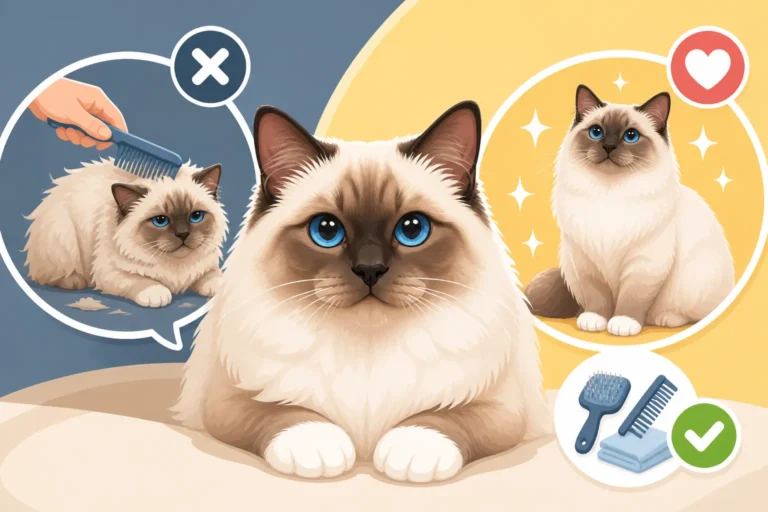
How to Handle a Birman Kitten From Day One
Bringing a new Birman kitten home is such an exciting time, filled with anticipation and joy! But let's be honest, it can also feel a little overwhelming trying to make sure you're doing everything right from the very first moment. This comprehensive guide will walk you through the nuances of handling your Birman kitten from day one, ensuring a smooth transition and building a foundation for a happy, well-adjusted companion who thrives on gentle interaction.
Understanding Your Birman Kitten's Gentle Nature
Before we even talk about how to handle them, it's really important to understand the unique personality traits that make Birmans so special. These aren't your typical aloof felines; they're known for their sweet, placid temperaments and their deep desire for companionship. Knowing this from the outset will shape every interaction you have.
The Birman Temperament: A Foundation of Calm
Birmans are famously gentle souls. They're often described as the "middle cat" – not as hyperactive as a Siamese, nor as utterly sedentary as some Persians. They strike a beautiful balance, offering playful moments without being destructive, and quiet cuddles without being demanding. This inherent calm means they're usually quite receptive to handling, provided it's done with respect and consistency. It’s why so many families are told to get them, and why they fit into busy households.
This calm nature, however, doesn't mean they don't need careful handling. Quite the opposite, their trusting disposition means that negative early experiences can be particularly impactful. If they learn that hands mean discomfort or fear, it can be harder to undo than with a more independent breed. Think of them as open books, ready to absorb whatever lessons you teach, good or bad. Their trusting eyes will look to you for guidance, and it’s a wonderful responsibility to nurture that bond right away. This is also why Why a Birman Picks One Person and Still Likes Everyone is true – their affection is widespread but they do form a deep primary bond.
Why Early Socialization is Crucial for Birmans
Even with their naturally good temperaments, socialization is still key. Birman kittens need to be exposed to a variety of sights, sounds, smells, and people in a positive, controlled way during their critical developmental period. This helps them grow into confident adults who aren't easily startled or stressed by new experiences. It's about building resilience and curiosity, rather than fear.
A well-socialized Birman is a joy to live with. They'll greet visitors, adapt to new environments (like a visit to the vet!), and be unfazed by the vacuum cleaner. Without this early exposure, even a naturally calm Birman can become timid or fearful. Imagine a kitten who has only known the quiet confines of its breeder's home suddenly thrust into a bustling family environment. They might retreat, hide, or even develop behavioral issues. You want your kitten to explore their new world with confidence, not trepidation. Think about all the different textures and sounds your home offers; let them investigate safely, always under your watchful eye.
Creating a Safe and Welcoming Environment
The first few days and weeks in a new home are foundational for a Birman kitten. A safe, secure, and predictable environment will reduce stress and encourage them to form positive associations with you and their new surroundings.
Setting Up the Kitten's Sanctuary Space
When your Birman kitten first arrives, they'll likely feel a mix of curiosity and apprehension. Imagine being picked up from everything you know and dropped into an entirely new, huge world! To ease this transition, set up a dedicated "sanctuary space" for them. This should be a quiet, contained room (like a spare bedroom or a large bathroom) where they can decompress and get used to their new smells and sounds without being overwhelmed. This isn't about isolating them; it's about giving them a secure base.
In this sanctuary, include all their essentials: a cozy bed, food and water bowls, a litter box, and a few appealing toys. Make sure the bed is soft and warm, perhaps with a blanket that smells faintly of their previous home if the breeder provided one. Place the litter box far enough from the food and water to respect their natural instincts for hygiene. This dedicated space provides a sense of security and control, allowing them to explore at their own pace. Consider a cat tree or some vertical space, even if small; Birmans don't typically climb to the ceiling, but they do appreciate mid-height perches to observe their surroundings, as discussed in Why a Birman Stops Halfway Up the Cat Tree.
Gradual Introductions to Family and Other Pets
Once your kitten seems comfortable in their sanctuary – perhaps after a day or two of quiet exploration – you can begin very gradual introductions to other family members and, if applicable, other pets. This process needs to be slow and supervised to prevent any stressful or negative encounters. For children, teach them how to approach the kitten gently and respectfully, explaining that the kitten isn't a toy.
When introducing them to other pets, especially dogs, do it carefully. Start with scent swapping (e.g., exchanging blankets) before allowing any visual contact. Then, use a baby gate or carrier to allow them to see and smell each other without direct interaction. Always supervise these initial meetings closely, keeping them short and positive. Your Birman's placid nature makes them quite adaptable, but patience is still paramount. Remember that Why a Birman Settles Next to a Dog Within a Week refers to gradual, positive introductions, not just throwing them in together!
| Aspect | Ideal Setup for a Birman Kitten | Why it Matters |
|---|---|---|
| Sanctuary Room | Small, quiet, secure area | Reduces stress, provides safe haven |
| Bedding | Soft, warm, familiar scents | Comfort, security, aids transition |
| Food & Water | Separate, easily accessible bowls | Promotes good hygiene, hydration |
| Litter Box | Low-sided, unscented litter, away from food | Encourages proper use, prevents aversion |
| Toys | Variety of textures, interactive | Mental stimulation, positive outlets for play |
| Hiding Spots | Cardboard box or tunnel | Essential for feeling safe and secure |
| Scratching Post | Sturdy, sisal or cardboard | Directs natural scratching instinct |
Gentle Introduction to Touch and Handling
This is where the real bonding begins. Learning how to touch, hold, and interact with your Birman kitten in a way that builds trust and positive associations is vital for their development and your future relationship.
The Art of Gentle Petting and Holding
Birmans generally love attention, but they appreciate a gentle approach. When you first interact, don't just grab them. Instead, let your kitten initiate contact. Offer a finger for them to sniff, and if they rub against you, that's their invitation. Start by stroking their head and cheeks, areas where most cats enjoy being petted. Avoid forcing contact if they pull away, and always be mindful of their body language. A flicking tail, flattened ears, or tensed body are all signs to back off.
When holding your Birman kitten, support their entire body, especially their long back. Scooping them up gently with one hand under their chest and the other supporting their hindquarters will make them feel secure. Hold them close to your body, offering reassurance through your warmth and a soft voice. Short, positive holding sessions are better than long, uncomfortable ones. Imagine holding a tiny, fragile cloud – that's the level of gentleness you're aiming for. This early handling will also help later when you need to handle them for grooming or vet visits.
Desensitization to Common Handling Procedures
Beyond just petting, you'll need to prepare your Birman for practical handling procedures like nail trims, ear cleaning, and brushing. Start these early and make them positive experiences. For example, when you're petting your kitten, gently touch their paws, one at a time. Don't immediately try to trim a nail; just hold the paw for a few seconds, praise them, and offer a tiny treat. Gradually increase the duration and intensity of the touch over several days or weeks. This is a crucial step towards making grooming sessions stress-free later on.
Similarly, gently lift their ears to peek inside, and briefly touch a soft brush to their coat. The goal is to make these touches feel normal and even pleasant, not a source of fear. Many breeders start this process, but it's vital for you to continue it consistently. You can even find very soft, kitten-sized brushes and combs on Amazon to make these initial sessions comfortable. Remember, a Birman's coat, while silky and beautiful, still needs regular grooming, as detailed in Combing a Birman Three Times a Week. Starting early makes this a lifelong pleasure rather than a struggle.
Positive Reinforcement and Socialization
Positive reinforcement is your best friend when raising a Birman kitten. It encourages good behavior and builds a strong, loving bond based on trust and mutual respect.
Using Treats and Praise Effectively
Birmans are highly intelligent and respond wonderfully to positive reinforcement. When your kitten does something desirable – whether it’s letting you handle their paws, using the litter box, or coming when called – reward them immediately with a small, delicious treat and enthusiastic praise. This immediate connection helps them understand exactly what behavior earned the reward.
Avoid punishment, as it can be counterproductive and damage the bond of trust. Instead of scolding a kitten for scratching the furniture, redirect them to a scratching post and reward them when they use it. You'll be surprised how quickly they learn when you make the desired behavior more rewarding than the undesirable one. A simple "good kitty!" in a happy tone, paired with a small piece of their favorite dried chicken or salmon, goes a long way. This gentle motivation works wonders for Birmans, as Why Praise Motivates a Birman More Than Food explains.
Incorporating Play into Handling Sessions
Playtime isn't just for fun; it's a vital part of socialization and helps your kitten develop confidence and physical coordination. Incorporate gentle play into your handling sessions. Use wand toys or feather teasers to encourage them to chase and pounce, which simulates hunting behavior and provides mental and physical exercise. Since Birmans play gently, these sessions are usually calm and interactive.
Let them "catch" the toy frequently to build their confidence. Avoid using your hands as toys, as this can inadvertently teach them that biting is okay. If they do nip during play, immediately stop playing and redirect them to a toy. This teaches them appropriate play boundaries. Structured play sessions several times a day will not only burn off kitten energy but also strengthen your bond and make them associate your presence with fun and positive interaction. Consider checking Amazon for a wide variety of interactive toys that will keep your Birman kitten engaged without using your hands directly.
Addressing Common Kitten Handling Challenges
Even with the gentlest approach, you might encounter some bumps in the road. Knowing how to troubleshoot common issues with patience and understanding will help you overcome them.
Overcoming Shyness or Fear
If your Birman kitten is particularly shy or fearful, remember that patience is key. Some kittens take longer to adjust than others. Don't force interaction. Instead, spend time quietly in their sanctuary space, reading a book or gently talking to them without trying to touch them. Let them approach you on their own terms. Offer treats from a distance, gradually shortening the distance as they become more comfortable.
Creating predictable routines can also help. Cats thrive on routine, and knowing when to expect food, playtime, and quiet interaction can reduce anxiety. A Birman's natural placid temperament means they want to be close to you, even if fear is holding them back initially. Give them the time and space to understand that you are a source of comfort and safety, not a threat. Remember, a withdrawn Birman might be telling you something important, as discussed in What a Withdrawn Birman Is Telling You.
Managing Nipping and Biting Behavior
Birman kittens, like all kittens, will go through a stage of nipping and biting as they explore their world and learn about boundaries. While Birmans tend to bite less than most breeds, it's still crucial to teach them appropriate behavior. The key is to never tolerate rough play with your hands. If your kitten nips you, immediately withdraw your hand and let out a sharp "ouch!" or "no!" Then, ignore them for a few minutes. This teaches them that biting results in the immediate end of fun and attention.
Always redirect their biting to appropriate toys. Keep a variety of chew toys and wand toys on hand. If they're particularly persistent, a quick squirt from a water bottle (aimed near them, not directly at their face) can sometimes interrupt the behavior without causing fear. Consistency is vital here. Every family member needs to be on the same page regarding how to handle nipping to ensure clear communication with your kitten. This consistent approach will help your Why a Birman Kitten Bites Less Than Most continue through adolescence.
Establishing Routines for Lifelong Comfort
The habits and routines you establish now will benefit your Birman throughout their entire life, ensuring they remain a well-adjusted, happy, and healthy companion.
Grooming as a Bonding Experience
Regular grooming is essential for a Birman's beautiful, silky coat, which, despite having no undercoat, still needs attention to prevent matting. Start a grooming routine early, making it a positive and relaxing experience. Use a soft, wide-toothed comb and gently work through their fur. Focus on short sessions, praising and rewarding them throughout. This isn't just about preventing mats; it's about strengthening your bond. Your Birman will learn to associate grooming with your gentle touch and affection.
Pay special attention to areas prone to matting, like behind the ears, under the "armpits," and on their britches. Gently handling their paws during these sessions also helps with future nail trims. Make it a calming ritual, perhaps even incorporating a calming spray if your vet recommends one. Many owners find a comfortable cushion on their lap, or a special grooming mat, makes the process more enjoyable for both of you. You can find excellent grooming tools on Amazon specifically designed for long-haired cats. How to Get a Birman Used to Grooming delves deeper into this important aspect of care.
The Importance of Regular Vet Visits and Carrier Training
Regular veterinary check-ups are paramount for your Birman's health. From day one, you want them to associate the carrier and vet visits with positive, or at least neutral, experiences. Introduce the carrier as a normal piece of furniture. Leave it out in the house with the door open, maybe even put a soft blanket and some treats inside. Let your kitten explore it on their own terms.
Practice short trips in the carrier around the house, then brief car rides, gradually increasing the duration. Reward them for calm behavior in and around the carrier. When it's time for a vet visit, speak in a calm, reassuring voice. Choose a vet practice known for being cat-friendly. Positive early vet experiences can prevent a lifetime of stress for both you and your Birman. Your vet will perform vital checks, including listening to their heart, as discussed in Why a Birman Kitten's First Exam Includes Its Heart, setting a baseline for lifelong health monitoring.
| Handling Aspect | Key Tips for Birman Kittens | Long-Term Benefit |
|---|---|---|
| Gentle Petting | Let kitten initiate, support body, soft voice | Builds trust, reinforces bond |
| Paw Touches | Start brief, reward calm behavior | Prepares for stress-free nail trims |
| Ear Checks | Gentle peeks, avoid deep cleaning | Accustoms to ear exams, prevents wax buildup fears |
| Brushing | Soft comb, short sessions, treats & praise | Prevents mats, reduces shedding, strengthens bond |
| Carrier Training | Leave open, treats inside, short practice trips | Reduces vet visit stress, safer travel |
| Teeth Brushing | Introduce toothbrush slowly, flavored paste | Promotes dental health, prevents future disease |
| Playtime | Use wand toys, let them "catch," no hands as toys | Builds confidence, good behavior outlets |
Disclaimer
This article is for general informational purposes only and does not constitute professional advice. Laws, prices and regulations vary by location and change over time. Consult a qualified professional for guidance on your specific situation.