What a Stressed Birman Does
It’s truly heartbreaking when you notice your sweet, placid Birman suddenly acting… off. One day they're their usual purring, following-you-room-to-room self, and the next they're hiding under the bed, refusing their favorite meal, or maybe even peeing where they shouldn't. This sudden shift can leave you scratching your head, wondering what on earth happened to your gentle companion. This guide is here to walk you through the often subtle, yet deeply concerning, signs of stress in a Birman cat, helping you understand their quiet distress and offering practical ways to bring peace back into their lives.
Recognizing the Subtle Signs of Stress in Your Birman
Birmans are famously easygoing, serene, and not prone to dramatic outbursts. This wonderful temperament, while making them fantastic companions, also means they tend to internalize stress and show it in subtle, less obvious ways than a more vocal or overtly energetic breed might. They aren’t likely to yowl or tear up your furniture in a fit of pique. Instead, their distress often manifests as quiet changes in their daily habits, which can be easy to miss if you're not paying close attention. It's like they're trying to whisper their worries, and it's our job as their devoted humans to listen carefully.
Changes in Appetite and Eating Habits
One of the first indicators that something isn't quite right with your Birman can be seen in their food bowl. These are cats who generally enjoy their meals, often eating with a quiet dignity that belies their inner enthusiasm for a tasty morsie. When stress enters the picture, however, this can dramatically change. You might notice them turning up their nose at a food they usually adore, walking away from a full bowl, or simply eating far less than their usual portion. It’s not a sudden, dramatic starvation often seen in truly sick cats, but a gradual decline in interest or quantity.
Conversely, some stressed Birmans might actually overeat, finding comfort in food. They might gobble down their meal much faster than usual, or perhaps even become more demanding around mealtimes, which is quite out of character for a breed that rarely begs for food. If you've ever had a long day and found yourself reaching for comfort food, you can understand that this behavior stems from a similar emotional place for our feline friends. The key is that it's a change from their normal pattern. Why a Birman's Appetite Goes First When It Is Unsettled explains more about how sensitive their eating can be to emotional upset. Always remember that any significant, unexplained change in appetite warrants a conversation with your vet to rule out underlying medical issues first.
Altered Grooming Behaviors
Birmans are generally meticulous groomers. Their long, silky single coat, while not prone to matting as much as some other longhairs, still requires regular attention from them to stay pristine. When a Birman is stressed, their grooming habits can go one of two ways, both signaling trouble. On one hand, they might start overgrooming. This isn't just a bit more licking; it can become obsessive, leading to bald patches on their belly, legs, or flanks. You might even notice skin irritation or redness from the constant attention. This compulsive licking is a self-soothing mechanism, similar to how a person might bite their nails when anxious.
On the flip side, a stressed Birman might completely neglect their grooming. Their beautiful, flowing coat might start to look dull, greasy, or even develop small mats, particularly in areas they usually manage easily, like behind their ears or on their britches. This undergrooming is a sign that they're too withdrawn or overwhelmed to perform their usual self-care. It's a sad sight to see a cat renowned for its luxurious coat looking anything less than perfect. Pay close attention to their fur, especially if they have white gloves, as dirty or discolored paws might be an early indicator of neglect, hinting that their usual meticulous cleaning routine has fallen by the wayside.
Hiding and Seeking Isolation
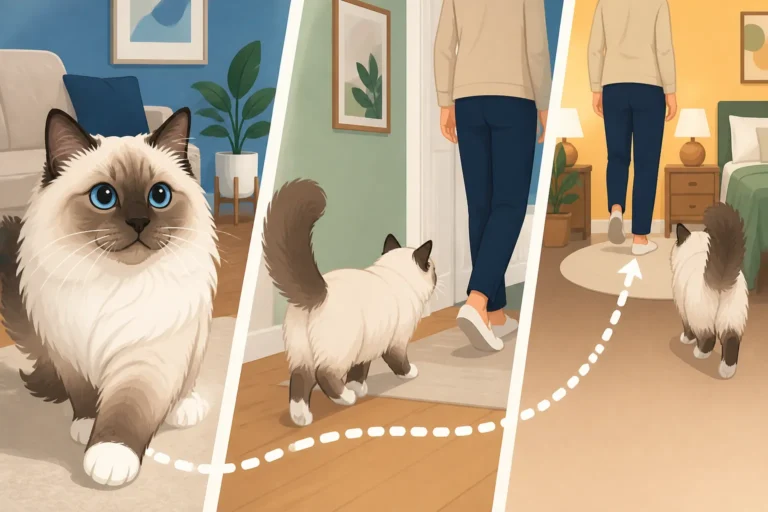
Your Birman is known for being a companion animal, often following you from room to room, preferring to be near you rather than on your lap. They thrive on company and can become quite attached to their human family. So, when a Birman starts to actively seek isolation, it's a huge red flag. This isn't just finding a quiet sunny spot for a nap; this is purposeful hiding. They might disappear under beds, deep inside closets, or behind furniture, staying there for hours or even days, only emerging reluctantly for food or a quick trip to the litter box.
This behavior is particularly concerning because Birmans are not typically solitary creatures. While they appreciate their independence, they usually want to be part of the household ebb and flow. A Birman that is stressed may try to make themselves invisible, retreating from the perceived threat or overwhelming situation. It's their way of trying to cope with an environment that feels too loud, too busy, or too unpredictable. If your usually social companion is suddenly spending all their time in a secluded spot, it’s a clear indication that something is causing them significant distress. It's important to differentiate this from a naturally shy cat's behavior; for a Birman, this is a distinct change from their affectionate and present nature.
Behavioral Shifts: More Than Just a Bad Mood
Beyond the subtle physical changes, stress can dramatically alter a Birman's personality and typical interactions. Their usually calm and accepting demeanor can give way to behaviors that are startlingly out of character, leaving you wondering if this is even the same cat you know and love. These shifts aren't just temporary grumpiness; they are deep expressions of an internal struggle, trying to communicate discomfort in the only ways they know how. Understanding these changes is crucial for intervening effectively and compassionately.
Increased Vocalization or Unusual Silence
Birmans are generally quiet cats. They don't typically have the boisterous "Siamese voice" that some other point-colored breeds possess. Instead, they often communicate with soft trills, gentle chirps, or almost imperceptible meows when they want attention or have something to say. They are masters of the subtle request. When a Birman is stressed, this vocal pattern can shift dramatically. You might notice them becoming unusually vocal, letting out soft, repetitive cries or trills that seem to express anxiety rather than a specific desire. It's less about demanding food and more about an underlying whine of discomfort.
Conversely, and perhaps even more concerning for a Birman, is an unusual silence. If your cat typically greets you with a soft trill, follows you with quiet purrs, or offers a little "mew" when you enter the room, a complete lack of these sounds can be a powerful indicator of stress. It's as if they've gone completely inward, shutting down their usual forms of communication. They might stop purring even when petted, or their usual greeting upon your return home might be absent. A Birman that is quiet is normal, but a Birman that is unusually silent, especially when paired with other behavioral changes, is likely telling you they are deeply troubled. What a Birman Is Saying With That Short Trill explores their typical vocalizations further.
Changes in Interaction and Affection
One of the most endearing qualities of the Birman is their gentle, companionable nature. They love to be near you, to participate in your activities from a respectful distance, and to offer quiet affection. They're not typically demanding lap cats, but they thrive on closeness. When a Birman is stressed, their desire for, or tolerance of, human interaction can change profoundly. They might actively avoid you, ducking away from a gentle hand, or refusing to settle near you as they usually would. If your Birman stops following you from room to room, it's a strong signal that they are feeling vulnerable and unsettled.
In more severe cases, a stressed Birman might even become uncharacteristically irritable or fearful. A cat that normally tolerates handling might swat or hiss if approached, or they might flinch away from sudden movements or noises. This isn't aggression for aggression's sake, but a desperate attempt to create space and protect themselves from something that feels overwhelming. On the other hand, some stressed Birmans might become clingier, seeking constant reassurance, almost as if they're trying to regain a sense of security from their human. The key again is the deviation from their established baseline. If their way of interacting with you, the person they trust most, has shifted, it’s a clear sign of internal conflict.
Inappropriate Elimination
Perhaps one of the most frustrating and often misunderstood signs of stress in any cat, including the Birman, is inappropriate elimination. This means peeing or pooping outside the litter box. For a Birman, who typically has impeccable litter box habits, this is almost always a cry for help rather than an act of defiance. It's crucial to understand that they are not doing this to be "bad"; they are doing it because something in their world feels fundamentally wrong, and they are expressing their distress in a way that gets your attention, albeit inconveniently.
There could be many triggers for this behavior. It might be related to the litter box itself – maybe it's not clean enough, the type of litter has changed, or the box is in a location that feels too exposed. For a white-gloved cat, dirty litter can easily stain their pristine paws, which can be a deterrent to using the box. They might be marking territory due to a perceived threat from a new pet or a neighborhood cat outside. Sometimes, the stressor is as simple as a new piece of furniture that blocks their usual route to the box, or too much commotion in the area where their box is kept. Before anything else, rule out a medical issue like a urinary tract infection with your vet, but once that's cleared, inappropriate elimination is a strong indicator that your Birman is experiencing significant stress and needs your help to regain a sense of security and comfort in their home.
Physical Manifestations of Birman Stress
While we've touched on appetite and grooming, stress in Birmans can also manifest in other physical ways that are important to observe. Their elegant, calm demeanor can sometimes mask these internal struggles, but a careful owner will pick up on subtle cues their body is sending. It’s their silent way of saying, "I'm not okay," and these physical signs should never be dismissed as mere quirks. They often point to a deeper emotional or even medical concern that needs to be addressed promptly.
Digestive Upset
The gut is often called the "second brain," and in cats, just like in humans, stress can wreak havoc on the digestive system. A stressed Birman might experience a range of gastrointestinal issues. This could manifest as sporadic vomiting, not necessarily linked to eating, or bouts of diarrhea. You might notice their stools becoming softer, or perhaps they start straining more than usual in the litter box. It’s an involuntary physical reaction to the hormones released during stress, tightening up their system or speeding things through.
This can be particularly concerning because Birmans, like all cats, need a healthy digestive system to absorb nutrients and maintain their beautiful coats and overall vitality. Persistent digestive upset can lead to weight loss, dull fur, and a general decline in health over time. If you notice your Birman regularly experiencing vomiting or diarrhea, especially without a clear dietary change, it's crucial to consult your veterinarian. While stress might be the root cause, it’s always important to rule out parasites, food intolerances, or other medical conditions first. A vet can help distinguish between stress-induced symptoms and something more serious, guiding you toward the best course of action.
Lethargy and Restlessness
A healthy Birman is a picture of serene activity. They enjoy their naps, but they also have periods of gentle play, exploration, and quiet interaction. When stress sets in, this balance can be completely thrown off, leading to either excessive lethargy or uncharacteristic restlessness. A lethargic stressed Birman might sleep more than usual, seem uninterested in their favorite toys, or just generally lack their typical spark. They might move slower, respond less enthusiastically to your calls, and spend more time simply "existing" rather than engaging with their surroundings. This isn't just an extra nap; it's a profound lack of energy and engagement.
Conversely, some Birmans might become restless and unable to settle. They might pace aimlessly, constantly shift sleeping spots without truly resting, or seem agitated and on edge. You might notice them grooming excessively in one spot, or perhaps staring intently at nothing specific. This internal agitation prevents them from relaxing and finding comfort, even in their most cherished sleeping places. Imagine trying to relax when your mind is racing with worries; that's often what a restless Birman is experiencing. Both lethargy and restlessness are signals that their internal equilibrium is off, and they're struggling to cope with their emotional state. What a Withdrawn Birman Is Telling You touches upon the deeper meanings behind such behavior.
Increased Vigilance and Reactivity
Normally, Birmans are quite confident and composed. They meet new visitors with curiosity rather than fear and generally take changes in stride, once they've had a moment to assess the situation. However, a stressed Birman can become hyper-vigilant and reactive. This means they might startle easily at sudden noises, even familiar ones like the doorbell or a dropped item. Their pupils might be dilated more frequently, giving them a wide-eyed, anxious look, and their body language might appear tense, with a lowered head, tucked tail, or flattened ears.
You might observe them constantly scanning their surroundings, as if expecting danger. This heightened state of alert is exhausting and indicates that they don't feel safe in their environment. A usually placid Birman might react defensively or even aggressively if surprised, which is completely out of character for this gentle breed. This isn't malicious; it's a fear-based response, a desperate attempt to protect themselves when they feel threatened and vulnerable. Observing these signs of hyper-vigilance means your Birman is living in a state of constant low-level fear, and it's essential to identify and mitigate the stressors causing this anxiety.
Common Stress Triggers for Birmans
Understanding what a stressed Birman does is only half the battle; the other, equally crucial half is figuring out why. Birmans, despite their calm nature, can be surprisingly sensitive to changes in their environment and routine. They thrive on predictability and a sense of security, and anything that disrupts this can become a significant source of stress. Identifying these triggers is the first step toward creating a more peaceful and harmonious home for your beloved companion.
Environmental Changes and Novelties
Birmans are creatures of comfort and habit, and they generally appreciate their home turf remaining consistent. Major environmental changes are often huge stress triggers for them. Moving house, for example, can be incredibly disorienting. Everything is new: the smells, the sounds, the layout, and even the echoes are different. It takes time for them to establish their new territory and feel secure. How a Birman Takes to Settle After a Move delves into how to ease this transition.
Beyond moving, even smaller changes can be unsettling. Rearranging furniture, bringing in new large items, or undergoing renovations can disrupt their sense of familiarity and safety. A new baby, a new roommate, or another pet can also drastically alter their perceived territory and social dynamics. While Birmans are known for being adaptable and generally welcoming to new family members, the introduction process, if not handled carefully, can be very stressful. They might feel their resources are threatened, or simply be overwhelmed by the new sounds, smells, and activity levels. Think of it like someone suddenly changing your entire living room layout without warning – it can be jarring, even if the new setup is ultimately fine.
Lack of Routine or Solitude
Consistency is incredibly comforting to a Birman. They appreciate a predictable schedule for feeding, playtime, and quiet cuddle time. When this routine is disrupted, it can cause anxiety. For instance, if their meal times suddenly become erratic, or if their favorite human's work schedule changes dramatically, leaving them alone for much longer periods than they're used to, it can create a feeling of insecurity. What a Lonely Birman Does highlights the potential impact of extended solitude on this social breed.
Conversely, while Birmans love company, they also need their moments of peace and quiet. A household that is constantly busy, loud, or full of unpredictable activity can be just as stressful as being left alone too much. They need safe, quiet spaces where they can retreat and feel completely undisturbed, away from children, other pets, or general household commotion. If they don't have these sanctuaries, or if their quiet spots are constantly being invaded, they can become perpetually on edge. It’s a delicate balance to strike, providing companionship without overwhelming their need for serene downtime.
Health Issues Masked by Stress
It's a frustrating chicken-and-egg scenario: sometimes, stress causes physical symptoms, but sometimes, an underlying physical ailment causes the stress. Birmans are known for their stoic and placid temperament, which, while endearing, also means they are incredibly adept at hiding illness or discomfort. Why a Placid Birman Hides Pain is a must-read for Birman owners, as it emphasizes this very point. A cat in chronic pain, even mild discomfort from dental issues, arthritis, or an undetected organ problem, will inevitably feel stressed. They might not be able to articulate their pain, but their body and behavior will react to it.
For example, a Birman with painful dental disease might refuse to eat or groom less because of mouth discomfort, leading to stress-related behavioral changes. A cat with early kidney disease might drink more and feel generally unwell, expressing this as withdrawal or inappropriate elimination. It's why any persistent or dramatic change in a Birman's behavior or physical habits always warrants a trip to the vet. A thorough examination, and potentially blood work or other diagnostics, can rule out medical causes for stress. Once any physical ailments are addressed, you might find that many of the stress symptoms miraculously disappear, or at least become much easier to manage. Never assume a behavioral change is "just stress" without first getting a clean bill of health from a professional.
Helping Your Stressed Birman Find Calm
Once you've identified the signs of stress and, hopefully, pinpointed some potential triggers, the next crucial step is to help your Birman find their way back to a state of calm and security. It’s not an overnight fix, but with patience, empathy, and consistent effort, you can make a significant difference in their well-being. Remember, your Birman relies on you to be their advocate and provide a safe haven in a world that can sometimes feel overwhelming.
Creating a Stable and Predictable Environment
The cornerstone of reducing stress in a Birman is establishing and maintaining a stable, predictable environment. This means sticking to a consistent daily routine as much as possible. Feed them at the same times each day, have regular play sessions, and establish predictable cuddle or quiet times. This predictability creates a framework of security, allowing them to anticipate what's coming next and reducing anxiety. Cats thrive on knowing what to expect.
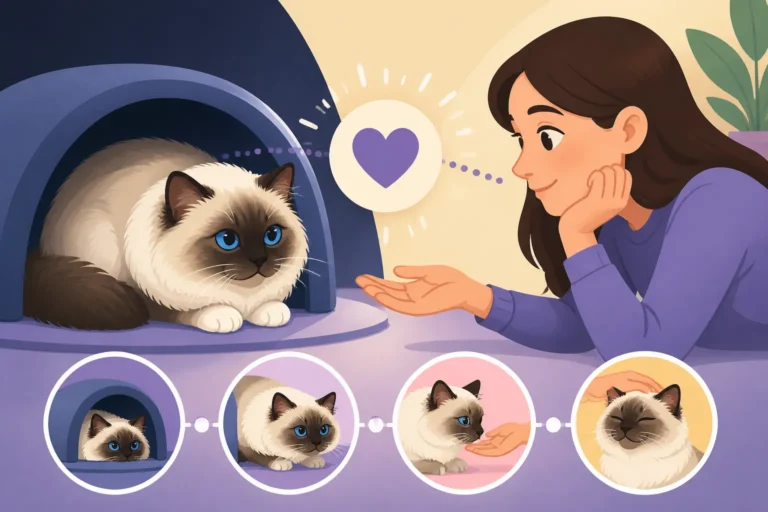
Beyond routine, ensure your Birman has ample access to comfortable, quiet retreats where they can escape and feel safe. This might be a cozy bed under a table, a high perch away from foot traffic (though Birmans tend to prefer mid-heights), or even a designated room with their essentials. Consider their personal space, especially for their litter boxes and food/water bowls. These should be in low-traffic, private areas. For litter, especially with their long coat and white paws, investing in low-dust, non-tracking litter that won't stain their gloves is a game-changer. Brands often available on Amazon, such as World's Best Cat Litter or Dr. Elsey's, are popular choices for their low dust and natural ingredients, reducing potential irritation and mess. Remember, a Birman that feels secure in its physical space is much less likely to feel stressed. What Calms a Stressed Birman offers more ideas for creating this sanctuary.
Gentle Reassurance and Engagement
Your Birman's unique temperament means they respond best to gentle, consistent reassurance rather than overt, forceful attention. When they're stressed, avoid trying to pick them up or force cuddles if they're retreating. Instead, offer them space while still being present. Sit quietly in the same room, speak in soft tones, and let them come to you on their own terms. Gentle petting, if they initiate it, can be very soothing.
Engaging them in quiet, interactive play can also be a wonderful way to reduce stress. Birmans aren't usually high-energy players, preferring gentle games that involve chasing a wand toy or batting at a soft plush toy. Think about toys that mimic prey movement without being overly aggressive. You can find a fantastic array of suitable toys on Amazon, from feather wands to quiet crinkle balls. Puzzle feeders, also readily available from Amazon, can provide mental stimulation and a sense of accomplishment without being too demanding. They encourage their natural hunting instincts in a low-stress way, giving them a constructive outlet for their energy. Which Toys Suit a Birman That Plays Quietly provides excellent suggestions. The goal is to reconnect with them through positive, calm interactions, reinforcing their sense of security and your bond.
Seeking Professional Guidance
Sometimes, despite your best efforts, stress behaviors persist or even worsen. This is when professional intervention becomes absolutely essential. Firstly, if you haven't already, a visit to your veterinarian is paramount. As discussed, many stress behaviors can mask underlying medical conditions, and ruling these out is always the priority. Your vet can perform a thorough physical examination, blood tests, or other diagnostics to ensure your Birman isn't suffering from an untreated illness. They can also offer advice on calming supplements or, in some cases, temporary medication to help manage severe anxiety while you work on environmental and behavioral changes.
If medical causes are ruled out, your vet might recommend consulting a certified feline behaviorist or a veterinary behaviorist. These professionals specialize in understanding cat behavior and can help you identify subtle triggers you might have missed, develop a tailored behavior modification plan, and teach you strategies to reduce your Birman's stress. They can guide you through techniques like counter-conditioning and desensitization. Additionally, products like pheromone diffusers, such as Feliway (which you can easily find on Amazon), can be incredibly helpful in creating a calming atmosphere. Whether Pheromone Diffusers Help a Birman goes into more detail about how these work and when they might be beneficial. Remember, asking for help is a sign of a responsible pet owner, not a failure.
Preventing Stress: A Proactive Approach
The old adage "prevention is better than cure" certainly applies to Birman stress. Being proactive in managing their environment and understanding their needs can significantly reduce the likelihood of them becoming stressed in the first place. Given their sensitive yet stoic nature, setting them up for success from day one, and maintaining that supportive environment throughout their lives, is the best gift you can give your Birman. It’s about building a fortress of calm around them.
Thoughtful Introductions of Newness
Since Birmans can be sensitive to change, how you introduce new elements into their lives is critical. Whether it’s a new piece of furniture, a new person moving in, or another pet, gradual introductions are key. For new items, bring them into the house slowly, allowing your Birman to investigate at their own pace. Use positive reinforcement (treats, praise) to create positive associations with the new item. For new people, advise them to approach your Birman calmly, allowing the cat to initiate contact. Respecting your Birman’s boundaries will build trust.
When it comes to introducing another pet, particularly another cat, a slow, scent-swapping, and gradual visual introduction process over days or weeks is essential. Never just put two animals together and expect them to instantly bond. Start by confining the new cat to one room, allowing them to exchange scents under the door. Then, gradually allow short, supervised visual interactions. Bringing a Second Cat Home to a Birman That Wants One elaborates on the best practices for introducing a companion. Remember, Birmans thrive on harmonious relationships within their home, so investing time in thoughtful introductions pays dividends in long-term peace.
Maintaining a Consistent Home Life
The more predictable your Birman’s world is, the more secure they will feel. Strive to maintain a consistent daily routine for feeding, play, and grooming. If you have to make a change, try to do so gradually. For example, if your work schedule shifts, gradually adjust their meal times over a week or two rather than an abrupt change. Providing regular, gentle play sessions – typically 10-15 minutes, a few times a day – helps them burn off energy and satisfy their predatory instincts in a constructive way. How Much Play a Birman Needs Daily can guide you on the right amount of engagement.
This consistency also extends to their environment. While life happens and changes are inevitable, try to minimize unnecessary upheaval. If you’re going on vacation, consider having a trusted sitter come to your home, as Birmans often prefer the familiarity of their own territory over the disruption of a boarding facility. Ensuring their resources – food, water, litter boxes, scratching posts – are always accessible and kept in their preferred locations further reinforces their sense of security. A consistent home life is like a steady anchor for your Birman, preventing them from drifting into anxiety.
Regular Health Check-ups
As we’ve discussed, a healthy Birman is a happy Birman, and sometimes underlying health issues are the true root of stress. Therefore, regular veterinary check-ups are not just for senior cats; they are vital throughout your Birman’s life. Annual visits, even for seemingly healthy younger cats, allow your vet to catch potential problems early, before they escalate into painful or debilitating conditions that could cause significant stress. These check-ups often include a thorough physical exam, dental assessment, and sometimes routine blood work, especially as they approach middle age. Why a Birman's Kidney Numbers Are Tracked From Middle Age points out how essential monitoring certain aspects of their health becomes as they get older.
For Birmans, specifically, regular dental care is incredibly important due to their somewhat narrower jaws, which can make them prone to dental disease. Pain in the mouth can be a huge, silent stressor. Your vet will also listen to their heart, as certain breeds have a predisposition to heart conditions, and early detection is key. By being proactive with their health, you're not just preventing physical illness; you're also preventing the stress and anxiety that comes with it, ensuring your Birman lives the fullest, most comfortable life possible. It's an investment in their overall well-being and peace of mind.
Here’s a quick summary to help you keep track of potential stress indicators and what might be causing them:
| Category | Signs of Stress in Birmans | Potential Triggers | What You Can Do (Initial Steps) |
|---|---|---|---|
| Appetite | Refusing food, eating less than usual, sudden overeating, unusual begging. | Changes in food type/brand, disrupted feeding schedule, new bowls, new pet, underlying health issue, general anxiety. | Maintain consistent feeding times, gradual food changes, ensure fresh food/water, rule out medical issues with a vet. |
| Grooming | Excessive licking leading to bald patches or skin irritation (overgrooming), dull/greasy coat, mats (undergrooming). | Anxiety, boredom, fleas/allergies, pain, lack of personal space, uncomfortable grooming tools, skin condition. | Provide calming environment, engage in gentle play, check for parasites/skin issues, use soft brushes for grooming. |
| Hiding | Spending excessive time under furniture, in closets, or out of sight; avoiding interaction. | Feeling unsafe, new people/pets, loud noises, lack of secure resting spots, illness, environmental changes. | Create safe, quiet retreats; respect their space; gradual introductions of newness; vet check. |
| Vocalization | Increased soft trills/chirps of anxiety, unusual silence/lack of typical greetings. | Feeling ignored, seeking attention (in anxious way), feeling threatened, physical discomfort, environmental changes. | Offer gentle, consistent attention; maintain routine; ensure needs are met; vet check. |
| Interaction | Avoiding touch, not following you, sudden irritability/fearfulness, uncharacteristic clinginess. | Overwhelm, feeling vulnerable, lack of predictability, pain, fear of specific individuals/pets. | Respect boundaries, offer gentle reassurance, positive interactions, ensure safety. |
| Elimination | Urinating or defecating outside the litter box. | Dirty litter box, litter type change, litter box location change, new pet, anxiety, underlying urinary/digestive issue, feeling unsafe during elimination. | Clean litter box daily, appropriate litter type, private box location, vet check for UTIs/illness. |
| Digestion | Vomiting, diarrhea, soft stools. | Stress hormones, dietary changes, parasites, food sensitivities, underlying organ disease. | Consult vet immediately to rule out medical issues; gradual dietary changes; ensure fresh water. |
| Energy Levels | Excessive lethargy/sleeping, lack of interest in play, or restless pacing/inability to settle. | Illness, pain, depression, overstimulation, boredom, lack of routine. | Vet check, consistent play routine, mental enrichment (puzzle feeders), calming environment. |
| Reactivity | Startling easily, dilated pupils, tense body language, heightened scanning of environment, defensive reactions. | Feeling threatened, unpredictable environment, loud noises, lack of secure viewpoints, pain. | Create secure perches, quiet environment, minimize sudden noises, use pheromone diffusers, consult vet/behaviorist. |
Disclaimer
This article is for general informational purposes only and does not constitute professional advice. Laws, prices and regulations vary by location and change over time. Consult a qualified professional for guidance on your specific situation.