Whether Pheromone Diffusers Help a Birman
It's incredibly tough when your beloved Birman, usually the picture of serene elegance, starts acting a little… off. You know something's not quite right when their routine changes, or they seem withdrawn, and the last thing you want is for them to be unhappy or stressed. This guide is here to explore whether pheromone diffusers can genuinely help ease your Birman's anxieties, examining how they work, when they're most effective, and how to use them to support your beautiful companion.
Understanding Your Birman's Unique Emotional Landscape
Birmans are famously gentle, often described as the "Sacred Cat of Burma," and they tend to carry themselves with a calm, almost regal demeanor. This placid nature, while wonderful, can actually make it harder for us, their human companions, to spot when they're truly feeling stressed or anxious. They aren't usually the type to vocalize loudly or lash out dramatically, which means their distress signals can be incredibly subtle and easily missed.
The Birman's Placid Temperament and Hidden Stress Signals
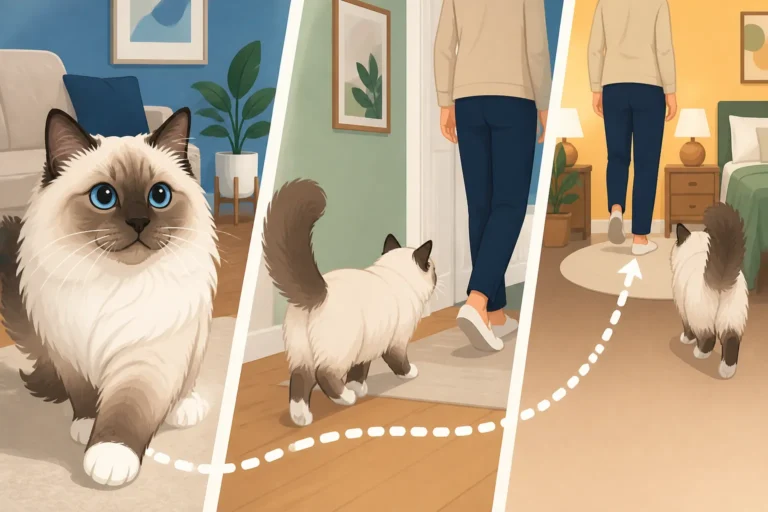
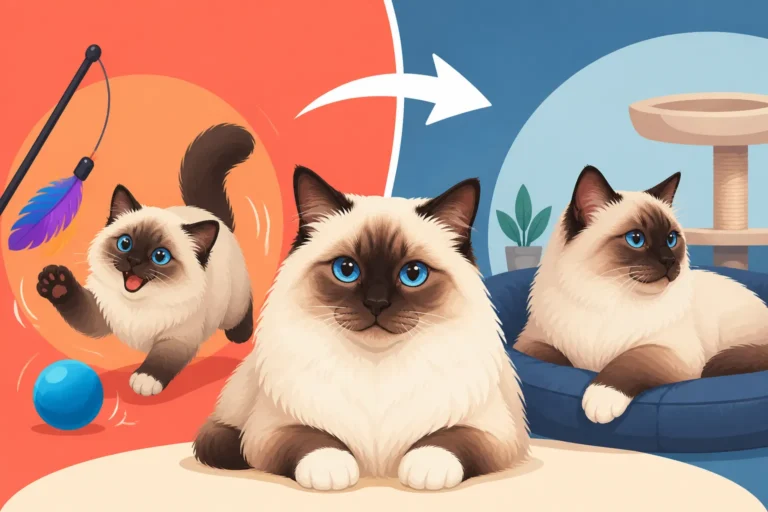
Unlike some more boisterous breeds, a Birman often internalizes stress, making their discomfort less obvious. You might not hear loud yowling or see overt aggression. Instead, a stressed Birman might become even quieter than usual. They might spend more time hidden away, perhaps under a bed or in a closet, rather than lounging in their usual favorite spots. Their appetite might decrease, or you might notice a change in their grooming habits—either over-grooming, leading to bare patches, or neglecting their luxurious coat altogether. Sometimes, the only clue is a slight shift in their routine: perhaps they stop greeting you at the door, or they seem less interested in their usual playtime. It’s a bit like they’re trying to be polite about their misery, which is heartbreaking to witness once you recognize it. You might notice they're avoiding eye contact, flattening their ears slightly more often, or even showing subtle changes in their litter box habits. These are all signs that your calm Birman is actually struggling. For more on this, consider What a Stressed Birman Does.
Common Stressors for a Birman in the Home
Even in the most loving homes, Birmans can encounter situations that trigger stress. They thrive on routine and stability, so any disruption can throw them off. Common culprits include:
- Changes in the household: This could be a new baby, a new pet, a houseguest, or even a house move. Moving can be particularly jarring for a sensitive Birman. How Long a Birman Takes to Settle After a Move delves deeper into this.
- Environmental changes: Rearranging furniture, bringing in new scents, or even loud noises from building work nearby can be unsettling. Imagine how jarring How a Birman Reacts to Building Work might be for a cat that loves peace and quiet.
- Social isolation: While Birmans aren't typically demanding, they do crave company and interaction. Being left alone for long periods, especially if they are an only cat, can lead to loneliness and stress. They're often happier with a companion, whether human or feline; Why a Birman Does Badly as an Only Cat explains this further.
- Perceived threats: This could be a strange cat outside the window, an unfamiliar smell brought in on your shoes, or even tension between family members. Their keen senses pick up on far more than we realize.
- Physical discomfort or illness: Sometimes, behavioral changes are a sign of an underlying health issue. A cat in pain or discomfort might become withdrawn or irritable. A Birman's placid nature means they often hide illness, making it even more crucial to be observant. Why a Quiet Birman Is Easy to Misread is a useful read on this topic.
Recognizing these stressors is the first step. The next is figuring out how to help your feline friend navigate these choppy emotional waters.
How Feline Pheromones Work and What They Mimic
When we talk about pheromone diffusers, we're really talking about a fascinating aspect of feline communication. Cats naturally release chemical signals called pheromones, which are odorless to humans but convey a wealth of information to other cats – and sometimes, even to themselves. These diffusers aim to replicate specific types of these natural calming messages.
The Science Behind Feliway and Other Diffusers
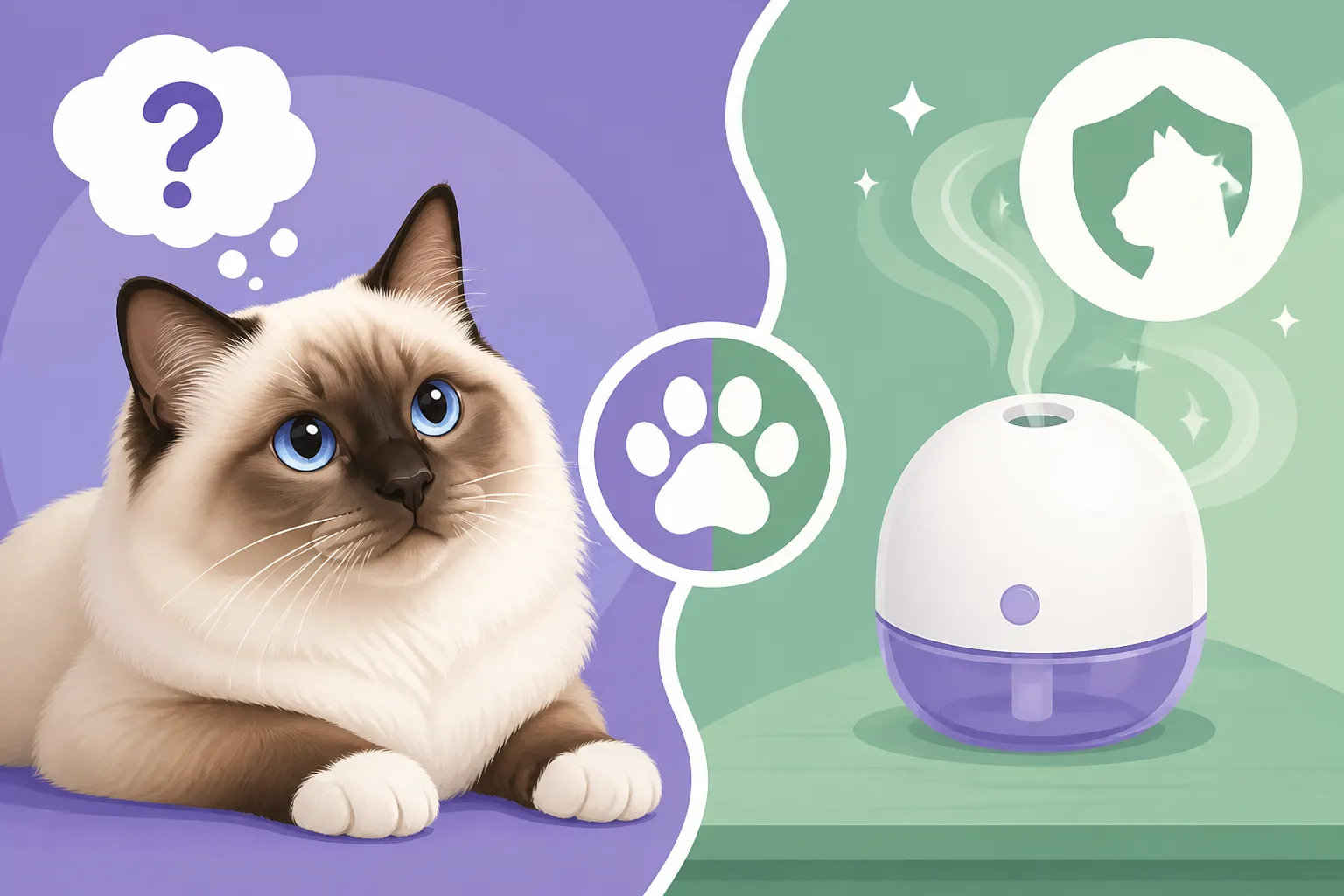
Pheromone diffusers, like those offered by brands such as Feliway or Comfort Zone (which you can often find readily available on platforms like Amazon), work by releasing synthetic versions of these natural calming pheromones into the air. The idea is that these synthetic pheromones mimic the feeling of security and well-being that cats associate with their natural counterparts. These diffusers plug into a standard electrical outlet, gently warming a liquid solution that then disperses the pheromone analogue into the immediate environment. They're designed to be a continuous, subtle presence, rather than a strong, immediate scent. The scientific backing suggests that these synthetic signals interact with specific receptors in a cat's vomeronasal organ (a special sensory organ located in the roof of their mouth, accessed by their Jacobson's organ through sniffing and the flehmen response), triggering a calming response without sedating them. It's a physiological signal, not a drug.
Natural Feline Facial Pheromones vs. Calming Pheromones
Cats produce various types of pheromones for different purposes. The most commonly mimicked pheromone in diffusers is the feline facial pheromone (specifically, the F3 fraction). This is the "happy" pheromone your Birman deposits when they rub their cheeks against furniture, doorframes, or even your legs. It's their way of marking their territory as safe and familiar, creating a sense of contentment and security. When they rub their face, they're essentially saying, "This place is mine, it's safe, and I feel good here."
Another type of pheromone that some diffusers target is a synthetic analogue of the feline appeasing pheromone (often referred to as FAP or "cat appeasing pheromone" in some products). This is the pheromone that mother cats release when nursing their kittens, helping them feel secure and bonded. This particular pheromone is thought to foster harmony between cats and reduce social stress, making it potentially useful in multi-cat households or when introducing a new pet. The goal of these diffusers is to create an environment saturated with these positive, reassuring chemical signals, helping your Birman feel more at ease in their surroundings.
Assessing the Efficacy of Pheromone Diffusers for Birmans
So, do these magical little plugs actually work for our Birmans? The answer, like with many things feline, isn't a simple yes or no. Their effectiveness often depends on the specific situation, the individual cat, and whether other factors contributing to stress are also being addressed.
Scenarios Where Diffusers May Offer Relief
Pheromone diffusers can be a really helpful tool, particularly in situations where stress is environmental or social, and not due to an underlying medical condition. Here are some scenarios where they might genuinely make a difference for your Birman:
- New Home or Major Changes: Moving house is a huge upheaval for any cat, especially one as comfort-loving as a Birman. Plugging in a diffuser in their main living areas a week or two before and during the move can help create a sense of familiarity and safety in the new environment. Similarly, bringing in a new piece of furniture, or even just painting a room, can be unsettling, and a diffuser can help smooth the transition.
- Introducing New Pets or People: If you're bringing a new kitten, another cat, or even a dog into the household, a diffuser can help reduce inter-cat tension and facilitate a smoother introduction. The calming pheromones can help reduce territorial anxieties and promote a more harmonious atmosphere. For families welcoming a new baby, a diffuser can help your Birman cope with the dramatic shifts in scent, routine, and attention.
- Separation Anxiety: While Birmans generally tolerate being alone, some can develop separation anxiety, especially if they're particularly bonded to their owners or are only cats. If your Birman shows signs of distress when you leave (e.g., inappropriate urination, excessive vocalization, or destructive behavior), a diffuser can help them feel more secure in your absence. What a Lonely Birman Does can shed more light on signs of separation anxiety.
- Vet Visits and Travel: While a diffuser won't fit in a carrier, a pheromone spray (often from the same brands, available on Amazon) can be used to treat the inside of a carrier or the car. This can make the journey to the vet less stressful, or help them cope with holiday travel.
- Fearful or Shy Birmans: Some Birmans, even with their generally friendly nature, can be a bit more timid than others. If your Birman tends to hide from visitors, or is easily spooked by sudden noises, a diffuser might help them feel more confident and secure in their surroundings, encouraging them to come out and interact more.
- Minor Behavioral Issues: Things like inappropriate scratching or spraying (after a vet has ruled out medical causes) can sometimes stem from stress or insecurity. By reducing anxiety, a diffuser might help alleviate these behaviors. For issues like overgrooming, which can be a stress response, a calmer environment fostered by pheromones could also be beneficial. What Overgrooming Means in a Birman provides more context here.
It’s important to remember that diffusers aren't a magic bullet; they're a tool to support your Birman's emotional well-being. They work best when combined with a stable, loving home environment and efforts to remove or reduce known stressors.
Limitations and When to Seek Veterinary Advice
While pheromone diffusers can be very helpful, it's crucial to understand their limitations. They are not a cure-all, and there are definitely situations where they simply aren't enough, or even appropriate, as a primary solution.
Firstly, pheromone diffusers are designed to address anxiety and stress, not aggression, illness, or deeply ingrained behavioral problems that require more intensive intervention. If your Birman is showing signs of severe aggression towards other pets or people, or if their behavior is suddenly and dramatically out of character, a diffuser is unlikely to be the sole answer.
Secondly, if your Birman's stress is stemming from an underlying medical condition, a pheromone diffuser will only mask the symptoms, not treat the root cause. Changes in appetite, litter box habits (like urinating outside the box), increased hiding, or changes in grooming can all be signs of pain, discomfort, or illness. For instance, Why a Birman's Appetite Goes First When It Is Unsettled could be due to stress, but it could also be a symptom of something more serious. If you suspect any health issue, or if the behavioral changes are persistent or worsening, the absolute first step should always be a visit to your veterinarian. They can rule out medical problems and provide a proper diagnosis.
Here’s a table outlining when a diffuser might help versus when you definitely need to call the vet:
| Situation/Behavior | Pheromone Diffuser Likely Helps? | Veterinary Visit Absolutely Needed? |
|---|---|---|
| Mild withdrawal after new furniture | Yes | No (monitor) |
| Increased hiding after moving house | Yes | No (monitor, but consider visit if prolonged) |
| Reluctance to interact with a new pet (mild) | Yes | No (monitor, careful introduction) |
| Occasional stress vocalizations when left alone | Yes | No (monitor) |
| Over-grooming (mild, no skin irritation) | Yes | Yes (rule out medical skin issues) |
| Urinating outside litter box (after ruling out medical) | Sometimes | Yes (always rule out UTIs first) |
| Sudden, unexplained aggression | Unlikely | Yes |
| Loss of appetite lasting more than 24 hours | Unlikely | Yes |
| Diarrhea/vomiting | No | Yes |
| Persistent lameness or pain | No | Yes |
| Unexplained weight loss or gain | Unlikely | Yes |
Remember, pheromones are part of a holistic approach to cat well-being. They can complement environmental enrichment, consistent routines, and positive reinforcement, but they cannot replace a thorough veterinary examination when health is in question. Don't delay a vet visit if your gut tells you something more serious is at play.
Practical Application: Integrating Pheromone Diffusers into Your Birman's Environment
So, you've decided to give pheromone diffusers a try to help your Birman feel more at ease. Great! Now, let's talk about how to get the most out of them. It's not just about plugging it in; strategic placement and careful observation are key.
Choosing the Right Diffuser and Placement
There are several brands on the market, but Feliway is probably the most well-known and often recommended by vets. You can easily find these products on Amazon or at most pet supply stores. When choosing, consider if you need a specific type:
- Feliway Classic (or similar "calming" products): These mimic the feline facial pheromone (F3) and are best for general stress, fear, marking, or adapting to new environments. This is often the go-to for most common stressors.
- Feliway Friends (or similar "multi-cat" products): These mimic the feline appeasing pheromone (FAP) and are specifically designed to reduce tension and conflict between multiple cats in a household. If you have more than one Birman, or other cats, and they're not getting along, this might be a better choice.
Once you have your diffuser, placement is crucial. Pheromones are heavier than air and tend to travel upwards and outwards. Here are some tips:
- Primary Living Areas: Place the diffuser in the room(s) where your Birman spends the most time. This is usually the living room, a bedroom, or any central area where they relax, eat, or interact with you.
- Avoid Obstructions: Don't place the diffuser behind furniture, curtains, or in a drafty area near an open window. This will impede the diffusion of the pheromones and make it less effective. It needs open air circulation.
- Proximity to Stressors: If the stress is localized, such as near a new pet's bedding or a specific area where spraying occurs, placing the diffuser closer to that spot can be beneficial.
- Covering Large Areas: One diffuser typically covers an area of 500-700 square feet. If your home is larger or has multiple levels, you might need more than one diffuser to ensure adequate coverage. Don't try to stretch one diffuser too thin across a big house; it won't be effective.
- Continuous Use: Pheromone diffusers are most effective when used continuously for at least 30 days. The refills typically last about a month, so factor that into your planning and budget. You can often purchase multi-packs of refills on Amazon for better value.
Remember, the goal is to create a consistent, calming presence in your Birman's environment.
Monitoring Your Birman's Response
After plugging in your diffuser, it’s not just a set-it-and-forget-it situation. You need to become a keen observer of your Birman's behavior to see if it's making a difference. Give it time – sometimes it can take a few days or even a couple of weeks to see noticeable changes.
Keep a mental (or even a written) log of your Birman's behavior before and after introducing the diffuser. Look for:
- Reduced Hiding: Is your Birman spending less time tucked away under the bed or in quiet corners? Are they more visible and engaged in household activities?
- Increased Sociability: Are they more willing to approach you, sit near you, or tolerate being petted? If you have multiple cats, are they showing fewer signs of tension or conflict?
- Normal Grooming: Is their magnificent coat looking well-maintained, without signs of excessive licking or neglect?
- Improved Appetite and Litter Box Habits: Are they eating consistently and using their litter box reliably? Why a Birman's Appetite Goes First When It Is Unsettled is a key indicator to watch.
- Relaxed Body Language: Look for signs of a calm cat: ears forward or slightly to the side, tail held high or gently curled, soft blinking, and a relaxed posture. Less tail lashing or flattened ears.
- Engagement with Environment: Are they exploring, playing gently with toys, or showing interest in their surroundings? Even a placid Birman should still have moments of play, and How Often a Birman Notices a Toy Has Changed might give clues to their level of engagement.
It’s important to manage your expectations. A pheromone diffuser won't turn a shy cat into a social butterfly overnight, nor will it solve deep-seated behavioral issues or replace proper training and a secure environment. It's about subtle shifts towards greater comfort and reduced anxiety. If you don't see any improvement after a month or two, or if your Birman's behavior worsens, it's definitely time to re-evaluate and seek professional advice from your vet or a certified feline behaviorist. They can help identify other potential stressors or underlying issues that the diffuser isn't equipped to handle.
Pheromone diffusers offer a gentle, non-pharmacological way to support your Birman's emotional well-being, especially when dealing with environmental stress or social anxieties. They can be a valuable addition to your toolkit for keeping your beautiful, serene companion happy and comfortable in your home. Remember, a calm cat often means a happier household for everyone.
Disclaimer
This article is for general informational purposes only and does not constitute professional advice. Laws, prices and regulations vary by location and change over time. Consult a qualified professional for guidance on your specific situation.