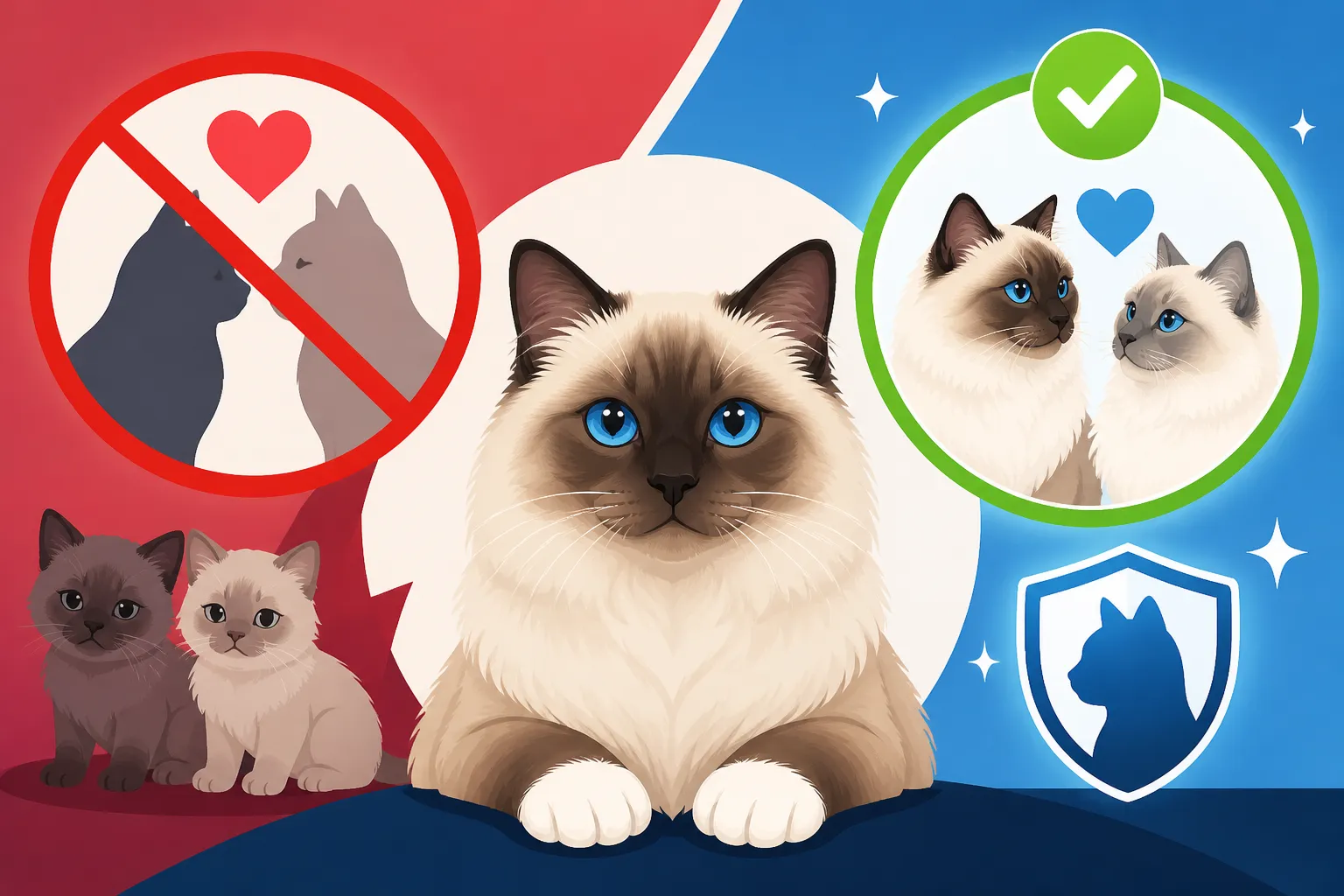
Why a Birman Contract Restricts Breeding to Registered Mates
It's completely normal to feel a bit confused, or even a little restricted, when you first read through a Birman kitten contract and see those firm clauses about breeding. Maybe you have no intention of breeding, but the wording can still make you wonder why it's such a big deal and what all the fuss is about. This guide is here to shed light on exactly why Birman breeding contracts place strict restrictions on mating only with registered cats, explaining the history, the health implications, and the future of this beautiful breed.
Understanding the Foundation: Why Breeding Contracts are Essential for Purebred Birmans
When you bring a beautiful Birman cat into your home, you're not just getting a pet; you're becoming a custodian of a specific genetic lineage, a history, and a future. Breeding contracts, particularly those for purebred animals like the Birman, aren't just legal mumbo jumbo. They are the backbone of responsible breeding, designed to protect the breed standard, ensure genetic health, and maintain the integrity of a breed that has faced significant challenges over its history. Think of it as a pledge to uphold the very qualities that drew you to the Birman in the first place.
Many people don't realize the sheer amount of work, dedication, and sometimes heartbreak that goes into maintaining a healthy, vibrant purebred line. Breeders invest countless hours in studying pedigrees, understanding genetics, and performing health screenings to make sure they're producing kittens that are not only adorable but also robust and true to type. These contracts are a formal agreement between the breeder and the new owner, laying out expectations and responsibilities, especially concerning the future of the cat. They cover everything from dietary recommendations to grooming, but the breeding clauses are often the most strictly enforced because they directly impact the entire breed's well-being.
Without these contracts, the careful planning and genetic screening that a dedicated breeder undertakes could be undone by indiscriminate breeding. Imagine a world where anyone could breed any two Birmans together without regard for health testing, temperament, or adherence to the breed standard. It would quickly lead to an influx of cats with inherited diseases, compromised health, and diluted characteristics. The essence of the Birman, from its striking blue eyes and silky coat to its gentle temperament and specific "gloves" and "laces," would be lost. What genetics say about the Birman's origin helps illustrate how foundational genetics are to this breed.
Protecting a Precious Pedigree
The Birman breed has a truly fascinating and, at times, precarious history. Its very existence was threatened, especially after the Second World War when the breed was almost entirely wiped out. Only a handful of Birmans, essentially two cats, were left to rebuild the entire population. This kind of "bottleneck" event means that every modern Birman descends from a very narrow genetic base. How the Birman came out of the war with two cats left explains this critical period in their history. To restore the breed, outcrossing to other breeds was necessary, which introduced new genetic material, but also new challenges. This delicate balance means every mating today has a profound impact.
This historical fragility underpins the modern emphasis on careful breeding. A Birman's pedigree isn't just a fancy piece of paper; it's a meticulously documented family tree that traces back through generations, showing the lineage of your cat. It helps responsible breeders identify potential genetic issues, track traits, and make informed decisions about pairings that will contribute positively to the breed's health and conformation. When a contract stipulates breeding to registered mates, it ensures that this invaluable historical record is continued and that only cats with known, verifiable backgrounds are contributing to the gene pool.
This isn't about snobbery; it's about stewardship. Breeders are gatekeepers, charged with preserving the Birman for future generations. They are often deeply passionate individuals who sacrifice a great deal of time and personal resources to ensure the ongoing health and beauty of their lines. The expectation that any breeding will be done with registered partners is a fundamental aspect of this commitment. It means that everyone involved is playing by the same rules, which are designed to benefit the cats above all else.
The Heart of the Matter: Why Registered Mates Protect the Birman Breed
The core reason for restricting breeding to registered mates is multifaceted, touching upon genetic health, breed purity, and maintaining the highest standards for the Birman. It’s about ensuring that every kitten born is a testament to careful planning and a commitment to health, rather than a gamble. This isn't just for show cats; it applies to all Birmans, as their genetic makeup contributes to the overall health of the breed.
Ensuring Genetic Health and Testing Protocols
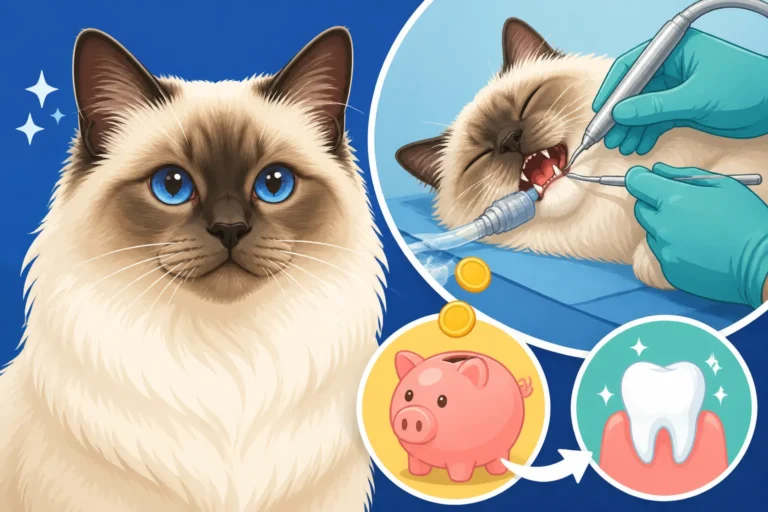
One of the biggest concerns for any responsible breeder is genetic health. Like many purebred cats, Birmans can be prone to certain hereditary conditions. For example, some lines have been known to carry genes for Hypotrichosis (a form of hair loss, often called short life expectancy due to its severe health implications in affected kittens) or Polycystic Kidney Disease (PKD). By requiring registered mates, breeders can trace lineages and insist on rigorous health testing for these and other conditions. What the FOXN1 test costs and What the PKD1 test costs for a Birman are small investments compared to the heartache of a sick kitten.
When both parents are registered, their health testing results (like DNA tests for genetic conditions or echocardiograms for heart health) are often a matter of public record, or at least verifiable through the breeder. This transparency is crucial. If you breed a Birman to an unregistered cat, you have no way of knowing the other cat's genetic background, its health status, or if it carries genes for serious illnesses that could be passed on to the kittens. This could unknowingly introduce or perpetuate devastating health problems within the breed. Why both Birman parents should be echo scanned illustrates another vital screening practice.
Responsible breeding, guided by registered mates and verifiable health data, helps to actively reduce the incidence of these diseases over time. It's a long-term commitment. Each pairing is carefully considered to minimize risks and maximize the chances of healthy offspring. This proactive approach saves countless kittens from suffering and heartbreak for future owners. Breeders are often required to put Which results a Birman breeder must put in writing, which further emphasizes transparency.
Upholding Breed Standards and Temperament
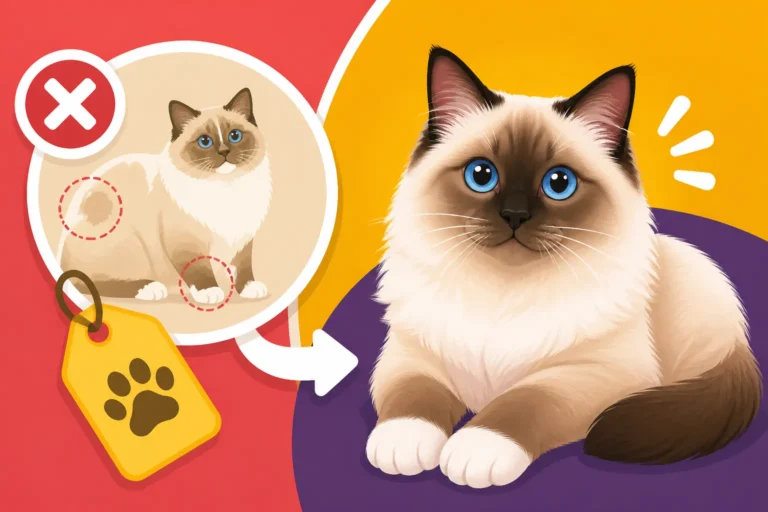
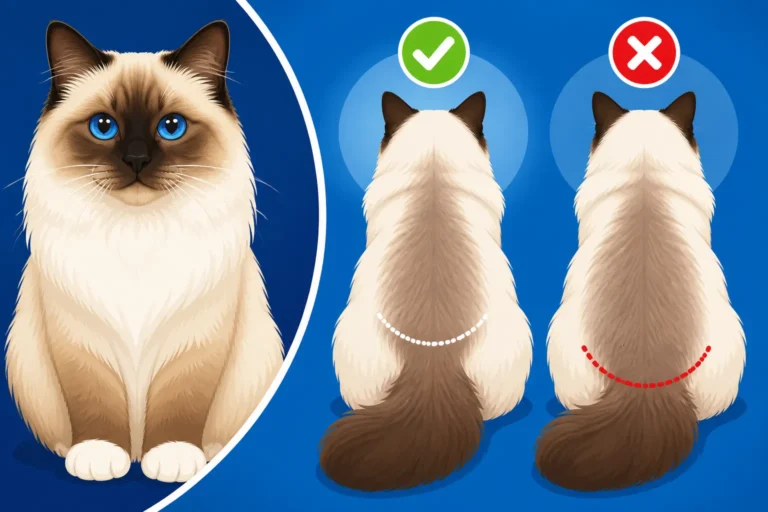
Beyond health, contracts protect the very essence of what makes a Birman a Birman. Every breed has a "standard" – a detailed description of its ideal physical characteristics (like coat length, color, eye shape, and the distinct white "gloves" on their paws) and its expected temperament. The Birman standard calls for a medium-sized cat with a silky, single coat, deep blue eyes, and those iconic white feet. Their temperament is renowned for being gentle, placid, and affectionate, making them wonderful companions.
Breeding to an unregistered cat, or one whose lineage isn't known, could easily dilute these carefully cultivated traits. You might end up with kittens that don't look like Birmans, don't have the typical Birman personality, or lack the health guarantees associated with the breed. The famous white "gloves" and "laces" are particularly complex genetically, and haphazard breeding can easily result in mismarkings that stray far from the standard. The gloves decide what a Birman kitten costs and Why breeding rights on a well gloved Birman cost most highlight how much emphasis is placed on these unique traits.
Registered breeding ensures that pairings are done with the goal of producing kittens that embody the Birman standard, both in looks and personality. It helps preserve the unique allure of the breed. This isn't just for competitive showing; it’s about maintaining the consistent quality and recognizable traits that new owners expect and cherish when they choose a Birman. The gentle nature and beautiful appearance are what makes them so beloved, and that's something worth protecting.
Navigating the Consequences: What Happens if Breeding Restrictions are Ignored
Ignoring the breeding restrictions in a Birman contract can lead to a host of unpleasant consequences, ranging from legal battles to ethical quandaries, and most importantly, potentially severe health repercussions for the kittens and the breed as a whole. It’s not just a breach of a paper agreement; it's a breach of trust and responsibility towards the animals themselves.
Legal and Financial Ramifications
Most breeding contracts are legally binding documents. If you sign a contract stating that your Birman is sold as a "pet only" and is not to be bred, or that any breeding must adhere to specific criteria (like using only registered mates), then violating those terms can lead to legal action. This could mean being sued by the original breeder for breach of contract. The penalties often include financial compensation, such as paying back a significant sum, or even the surrender of the cat and any offspring.
It's not uncommon for these contracts to include clauses about penalties for unregistered breeding, often a sum far exceeding the original purchase price of the kitten. The legal process itself can be stressful, time-consuming, and expensive, accumulating attorney fees and court costs. Beyond the initial breeder, if you then sell "Birman" kittens that aren't properly registered, you could face legal action from dissatisfied buyers down the line, especially if those kittens develop unforeseen health problems due to unverified parentage.
Furthermore, if your contract specifies that your cat must be spayed or neutered by a certain age (a common clause for pet-only contracts), and you fail to do so and then breed the cat, you are in clear violation. The intent of such clauses is to prevent accidental or irresponsible breeding and protect the cat's health. The financial burden of caring for an unexpected litter, especially if health complications arise, can be substantial, often catching owners off guard.
Ethical Considerations and Potential Health Crises
Beyond the legal aspect, there are significant ethical implications. Deliberately breeding a Birman outside of a registered program means knowingly contributing to a less controlled and potentially harmful breeding environment. This can lead to:
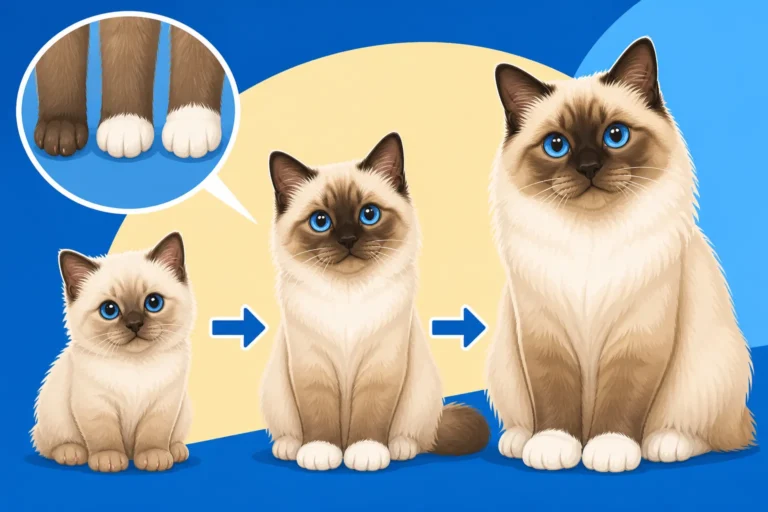
- Undiagnosed Genetic Conditions: Without known pedigrees and health clearances, you risk passing on serious hereditary diseases like HCM (Hypertrophic Cardiomyopathy), PKD (Polycystic Kidney Disease), or FOXN1 (Birman Hypotrichosis) to an entire litter. Imagine the heartache and financial strain of owning What an affected Birman kitten looks like at birth who suffers from a preventable condition.
- Poor Temperament: Undocumented parentage also means you can't guarantee the temperament of the sire or dam. This can result in kittens with behavioral issues, aggression, or extreme shyness that make them difficult to live with, ultimately leading to more cats ending up in shelters.
- Dilution of Breed Type: Continuously breeding without adherence to the breed standard weakens the distinct characteristics of the Birman. Over generations, the unique physical traits and gentle personality that define the breed could be lost.
- Overpopulation: Uncontrolled breeding, even of purebreds, can contribute to pet overpopulation. Every responsibly bred kitten deserves a loving home, and those from questionable backgrounds might struggle to find one, or worse, end up in rescue situations.
For instance, consider the serious issue of blood type incompatibility in Birmans. If a Type B queen is bred to a Type A or AB tom, it can lead to neonatal isoerythrolysis, a fatal condition for kittens. Responsible breeders test for blood type and make informed decisions. How a Birman's blood type is tested is a simple, yet critical step. An unregistered breeding might entirely overlook this, leading to tragic losses. This is why sourcing high-quality, vet-recommended food and supplies matters – because responsible pet ownership starts with health and well-being, which is often tied to responsible breeding.
Investing in the Future: The Broader Impact of Responsible Breeding
Adhering to breeding contract restrictions isn't just about avoiding penalties or being "good." It’s a proactive step that contributes significantly to the long-term health, vitality, and reputation of the Birman breed. When owners understand and respect these guidelines, they become part of a larger community dedicated to the welfare of these magnificent cats.
Strengthening the Birman Gene Pool
Every responsible mating contributes to strengthening the Birman gene pool. By carefully selecting registered mates who have undergone health screening and whose pedigrees are known, breeders can work to reduce the prevalence of genetic diseases and enhance desirable traits. This slow, deliberate process ensures that each generation is healthier and more robust than the last. It’s like building a strong foundation, brick by painstaking brick, for the future of the breed.
This isn't to say that all genetic problems can be eradicated, but their impact can be significantly minimized through diligent screening and informed breeding choices. The data collected from health testing, shared responsibly within the breeding community (often facilitated by registries), becomes an invaluable resource for identifying healthy lines and avoiding risky pairings. This collective effort is far more powerful than any individual's attempts. It's about a commitment to ethical practices that benefit every Birman born.
This commitment extends to ensuring kittens get the best possible start in life, including proper socialization, early veterinary care, and high-quality nutrition. What a Birman kitten has had done by thirteen weeks outlines the comprehensive care a responsible breeder provides, setting the kitten up for a healthy future. For new owners, this means less worry about inherited health issues and more joy from a vibrant, long-lived companion. Even with the best breeding, life happens, which is why having pet insurance from providers like Healthy Paws can give owners peace of mind, knowing they're prepared for unexpected vet visits, regardless of how carefully the cat was bred.
Preserving the Birman's Legacy and Reputation
The Birman has a rich history, woven with legends and the dedication of passionate fanciers who brought it back from the brink of extinction. By following breeding restrictions, owners play a vital role in preserving this legacy. They help ensure that the Birman remains a recognized, respected, and healthy breed for generations to come, maintaining its unique identity in the world of purebred cats.
The reputation of the Birman as a gentle, beautiful, and healthy companion animal is a direct result of decades of responsible breeding practices. If breeding becomes unregulated, the breed's reputation could suffer, leading to a decline in public trust and potentially an increase in Birmans needing rescue and rehoming. When you uphold the terms of your contract, you are saying yes to supporting the ethical standards that have built the breed's good name.
Ultimately, a breeding contract with restrictions on using only registered mates is a testament to the love and care that goes into preserving the Birman. It's a system designed by those who know and cherish the breed best, intended to protect every individual cat and the breed as a whole. While it might seem restrictive at first glance, it's truly an investment in the long, healthy, and happy future of these sacred cats.
Responsible Breeding Practices Overview
| Aspect | Responsible Breeding (Registered Mates) | Unregulated Breeding (Unregistered Mates) |
|---|---|---|
| Health Testing | Required for parents (e.g., genetic tests, heart scans) | Often skipped, unknown genetic health of parents and offspring |
| Pedigree Tracking | Detailed lineage known, allowing for informed genetic planning | Unknown ancestry, high risk of inbreeding or outcrossing issues |
| Breed Standard | Focus on maintaining and improving Birman physical traits & temperament | Traits may vary wildly, dilution of breed characteristics |
| Kitten Health | Higher likelihood of healthy, robust kittens | Increased risk of hereditary diseases and temperament issues |
| Transparency | Results and certificates provided, open communication with buyers | Information often withheld, buyers left in the dark |
| Registries | Kittens eligible for registration with major cat associations | Kittens cannot be registered as purebred Birmans |
| Ethical Impact | Contributes to breed preservation and welfare | Risks breed health, reputation, and contributes to overpopulation |
Disclaimer
This article is for general informational purposes only and does not constitute professional advice. Laws, prices and regulations vary by location and change over time. Consult a qualified professional for guidance on your specific situation.