Which Whitening Products Are Safe on a Birman
If you're a proud parent to a beautiful Birman, you know those stunning white "gloves" on their paws are absolutely exquisite – but also a magnet for every speck of dirt, stray piece of litter, and accidental food smudge. Keeping those pristine white paws looking their best without resorting to harsh chemicals is a common challenge, and honestly, it can feel like a losing battle sometimes. This guide is here to walk you through safe, gentle, and effective ways to keep your Birman's gloves gleaming, ensuring their comfort and health while maintaining that magnificent appearance.
Understanding Why Birman Gloves Get Stained
Let's face it, Birmans are elegant creatures, and their beautiful white paws are a hallmark of the breed. But those lovely gloves don't just attract dirt, they seem to highlight it in a way no other cat's paws do. It’s not your fault or your Birman's; it's just the nature of having such distinctive markings in white.
The Birman's Unique Coat and Why it's Prone to Discoloration
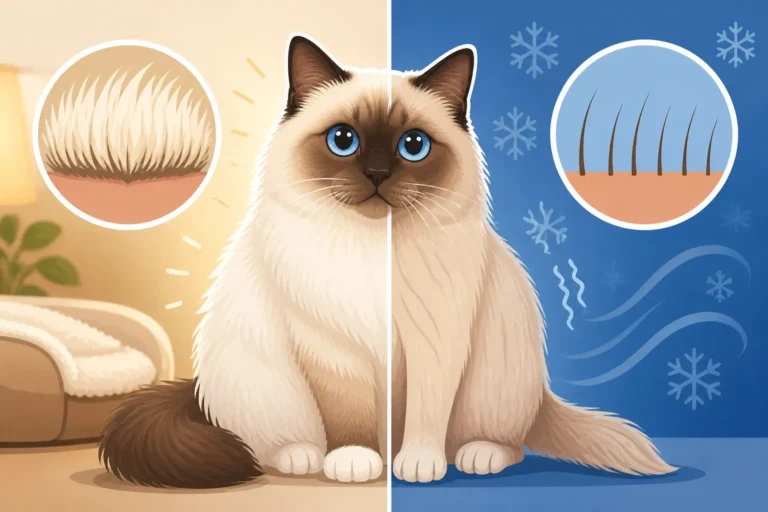
Unlike many other long-haired breeds, the Birman has a single coat, meaning it lacks a dense undercoat. This gives their fur that wonderfully silky, flowing texture that feels like running your hands through spun clouds. While this single coat means less matting than, say, a Persian, it also means the hair, especially on their delicate white paws, can be more absorbent. Think of it like a beautiful white silk blouse versus a sturdy wool jumper – one is just going to show stains more readily and absorb liquids faster. The fur around their paw pads and between their toes, especially, can wick up moisture and discoloration from their environment like a tiny white sponge.
Imagine your Birman, Pippin, gracefully stepping out of the litter box after doing his business. Even if he’s quite fastidious, some microscopic particles of litter, or even a tiny bit of moisture, can cling to those fine white hairs. Over time, these accumulate, leading to a yellowish or brownish tinge that detracts from their otherwise spotless appearance. Or perhaps your Birman, Luna, is a bit of a messy eater, dipping her glorious white chin into her wet food. While it might look adorable in the moment, that lingering residue will inevitably transfer to her paws during grooming, creating stubborn orange or brown stains. It’s a constant battle, and it's completely normal to feel like you're constantly chasing those pristine white dreams.
Common Causes of Glove Discoloration Beyond Just Dirt
It’s not just the obvious dirt that’s causing those charming white gloves to look a little less than perfect. There are several sneaky culprits that contribute to the discoloration, and understanding them is the first step to tackling the problem effectively.
First up is the litter box. This is probably the biggest offender for paw staining. Even the best low-dust litter can still leave residue. Clay litters, in particular, can be very dusty and the fine particles can adhere to the fur. Some litters also contain dyes or fragrances that, while seemingly harmless, can tint white fur. If your Birman is prone to digging enthusiastically, they might even get litter stuck in their longer toe tufts. Over time, this daily exposure to litter can cause a gradual yellowing or darkening of the pristine white fur. You might notice it particularly after they’ve had a really good dig and bury session.
Next, consider tear stains, drooling, or even enthusiastic self-grooming. Some Birmans, just like other breeds, can develop tear stains around their eyes. While less common than in brachycephalic (flat-faced) breeds, if tears run down their face, they can leave reddish-brown marks. When your Birman then grooms its face with its paws, those stains transfer. Similarly, if your cat drools a little when they’re particularly happy or relaxed, that saliva can cause a yellowish tinge on their chest fur, which then transfers to their front paws during grooming. Even just the natural oils and pigments in a cat's saliva can contribute to a subtle discoloration over time, especially if they are meticulously grooming a particular spot repeatedly. Why a Birman's Gloves Go Yellow often points back to these often overlooked daily habits.
Finally, food and water bowls play a role. Plastic bowls, especially older ones, can scratch and harbor bacteria, which can then stain your Birman's chin and, by extension, their paws. Some wet foods, particularly those with higher iron content or stronger pigments, can also leave noticeable marks if your Birman is a messy eater. Imagine your Birman daintily taking a mouthful of a rich pâté. A tiny bit slips out, lands on their chin, and is then transferred to their paws as they clean themselves. Even water, if it’s left stagnant in a bowl or has certain mineral content, can contribute to staining, particularly if your Birman likes to 'paddle' before drinking.
Safe and Gentle Whitening Methods for Birman Gloves
Now that we know the culprits, let's talk about the practical steps you can take to keep those magnificent gloves sparkling. The key here is always "safe and gentle." Your Birman's skin is delicate, and you never want to use anything that could irritate it or be toxic if ingested during grooming.
Everyday Prevention and Maintenance: The First Line of Defense
Prevention is always better than cure, especially when it comes to keeping those white Birman gloves pristine. Establishing a solid daily and weekly routine can make a huge difference, often preventing the need for more intensive cleaning down the line.
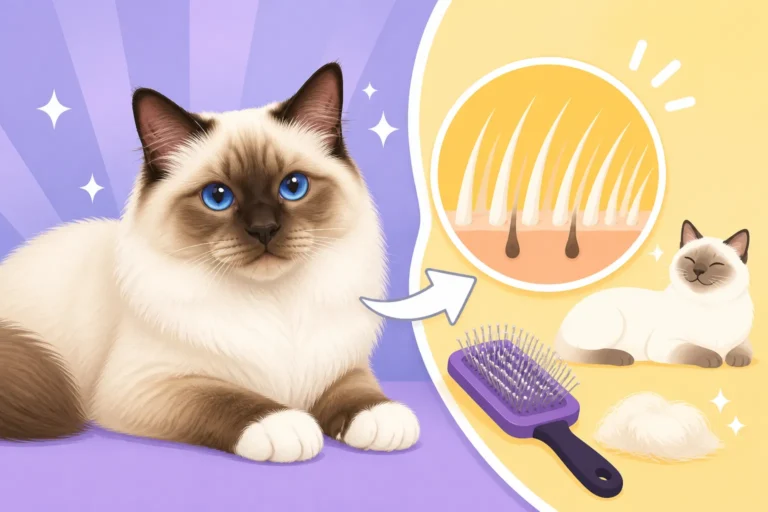
First, regular combing is essential. While Birmans have a low-maintenance single coat, a quick comb through their paws and lower legs every other day, or even daily, can remove loose fur and any trapped debris before it has a chance to set in and stain. Use a fine-toothed comb or a flea comb specifically for this delicate area. This isn't just about glamour; it’s about hygiene. It's surprising how much microscopic dirt can be removed with just a few gentle strokes. Think of it as brushing off the dust before it becomes ingrained dirt. Combing a Birman Three Times a Week is generally good for their whole coat, but the paws might benefit from even more frequent spot-combing.
Next, let's talk about litter choice. This is critical. Opt for a high-quality, low-dust, non-clumping litter, or consider alternatives like paper pellets or silica gel that are less likely to stick to fur and create dust. Avoid strongly scented or dyed litters, as these can exacerbate staining. Some owners even use specific "white-glove friendly" litters designed to minimize dust and tracking. You might find great options from brands like Chewy or Amazon, offering a wide variety of litter types that cater to these specific needs. Look for reviews from other long-haired cat owners! Finding the right litter can seriously cut down on the amount of work you need to do later. Which Litter Suits a White Gloved Cat delves into this in more detail.
Lastly, paw wiping and food/water bowl hygiene. Keep a pack of pet-safe wipes (unscented and alcohol-free) or a damp, warm cloth handy near your Birman's litter box and feeding area. A quick wipe of the paws after they exit the litter box, or after a meal, can prevent a lot of stains from setting. For food and water, switch from plastic to stainless steel or ceramic bowls. These are much easier to clean thoroughly and don't harbor bacteria or microscopic scratches where food particles can linger and transfer. Wash them daily with hot, soapy water. Consider shallow bowls for food to reduce the chances of your Birman’s chin and paws dipping directly into their meal. If your Birman is a particular fan of wet food, gently wiping their mouth after eating can also help immensely.
Spot Treatment Options for Minor Stains
Sometimes, despite your best preventative efforts, a small stain will appear. Don't panic! There are gentle spot treatments you can use to address these minor blemishes without irritating your Birman's skin. The key is to act quickly before the stain truly sets in.
One popular and very gentle DIY method is a cornstarch paste. Mix a small amount of cornstarch with just enough water to create a thick paste. Gently apply this paste directly to the stained area on your Birman's gloves. Let it dry completely – it will turn into a crumbly powder. Once dry, gently brush it out with a fine comb. The cornstarch works by absorbing oils and some of the staining particles. This is a wonderfully non-toxic option, as it's safe if your cat licks a bit of it. It’s also excellent for absorbing excess moisture around the paws.
Another great option is using vet-approved pet wipes. These are designed specifically for cats and are free from harsh chemicals, perfumes, and alcohol that can irritate sensitive skin. Many brands offer grooming wipes that are safe for daily use and can help lift fresh stains. Look for ingredients like aloe vera or oatmeal, which are soothing. You can find a wide selection of these on Amazon or at pet supply stores like Chewy. Always read the label to ensure they are suitable for cats and for use around sensitive areas. A quick wipe can often remove superficial stains from things like food residue or muddy paws.
For slightly more stubborn, yet still minor, stains, a very diluted baking soda solution can be used with extreme caution. Mix a tiny pinch of baking soda (and I mean tiny, like less than a quarter teaspoon) with a cup of warm water. Dip a clean cotton ball or soft cloth into the solution, wring it out thoroughly so it’s just damp, and gently dab the stained area. Do NOT rub vigorously. Follow up by wiping the area with a plain damp cloth to remove any residue, and then dry the fur completely. Baking soda is mildly abrasive and can help lift stains, but it can also be drying or irritating if overused or not rinsed properly. Always patch test a small, inconspicuous area first and monitor your cat's skin for any adverse reactions. Remember, less is more when it comes to any 'active' ingredient on their delicate fur.
When to Consider a Gentle Pet Shampoo (and what to look for)
For more significant stains, or if the preventative measures aren't quite cutting it, a targeted wash with a gentle pet shampoo might be necessary. But this isn't about giving your Birman a full bath every week; it's about spot-treating those stubborn glove areas.
When choosing a pet shampoo for white coats, prioritize products specifically formulated for cats and ideally those labeled "whitening" or "brightening." The key is to look for shampoos that achieve their whitening effect through optical brighteners (which reflect light to make white appear whiter) or gentle stain-lifting ingredients, rather than harsh bleaches or peroxides. Many high-quality cat shampoos use natural ingredients like coconut oil derivatives or fruit extracts to gently cleanse and brighten. Brands often carried by stores like Chewy will have specific ranges for white-coated pets.
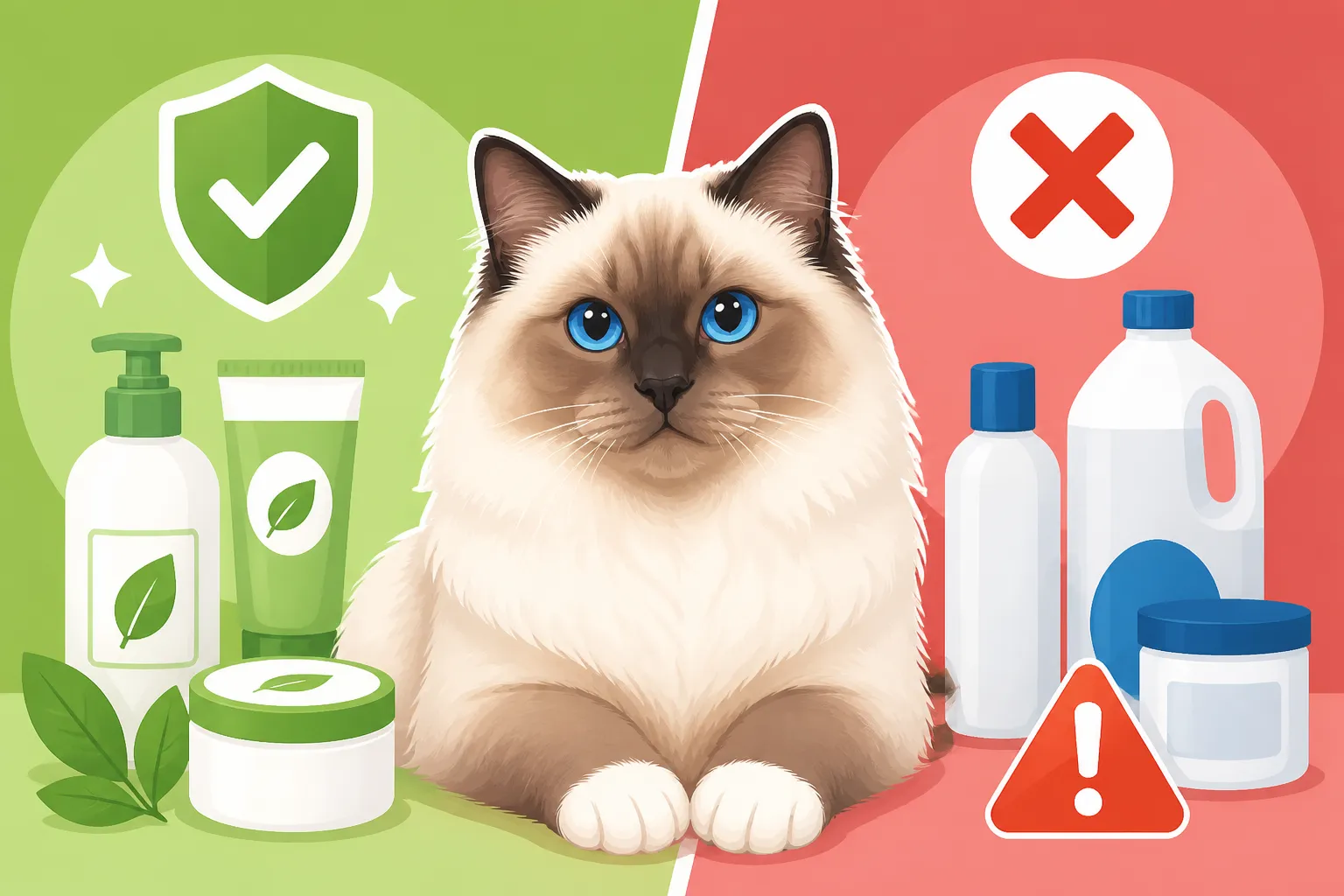
Ingredients to avoid are crucial here. Steer clear of any shampoo containing bleach, hydrogen peroxide, artificial dyes, parabens, phthalates, or strong artificial fragrances. These can be incredibly irritating to a cat's skin, lead to allergic reactions, and are dangerous if ingested when your Birman inevitably grooms itself after the wash. Always check the ingredient list carefully. If you’re unsure, consult your veterinarian for recommendations on cat-safe shampoos.
When it's time to wash, you don't necessarily need to dunk your entire Birman. Focus on the affected paws. Fill a small basin with warm water and a tiny bit of the approved cat shampoo. Gently place one paw into the water, wet the stained fur, and apply a small amount of shampoo. Gently massage it into the fur, focusing on the stained areas, being careful not to get it into their eyes or mouth. Let it sit for a minute or two (follow shampoo instructions), then rinse thoroughly with clean, warm water. This rinsing step is paramount – any lingering shampoo residue can cause irritation or attract dirt more quickly. Gently towel dry each paw, then use a hairdryer on the lowest, cool setting if your cat tolerates it, or simply ensure they are completely dry in a warm room. This is important because damp fur can actually encourage fungal growth or chill your cat. How Long a Birman's Single Coat Takes to Dry is a good reminder that while their coat isn't as dense as some, it still needs to be thoroughly dried.
Products and Ingredients to Approach with Caution (or Avoid Entirely)
In the quest for gleaming white gloves, it can be tempting to reach for household products or remedies you might use on your own clothes or hair. However, this is where you absolutely must exercise extreme caution. What's safe for humans can be toxic or severely irritating for cats.
Human Whitening Products: A Big No-No
Let's be unequivocally clear: never, ever use human whitening products on your Birman. This includes anything containing bleach, hydrogen peroxide (even dilute versions often used for cleaning), optical brighteners found in laundry detergents, or harsh stain removers. These products are formulated for human skin and textiles, not for delicate feline skin or fur that will inevitably be licked and ingested.
- Bleach and Peroxides: These are corrosives. Even a small amount can cause severe chemical burns to your cat's skin, leading to pain, redness, blistering, and hair loss. If ingested, they can cause internal burns, vomiting, and organ damage. The risks far outweigh any perceived benefit of whiter fur.
- Harsh Detergents and Fabric Softeners: Laundry detergents contain strong surfactants and chemicals that are not designed for direct skin contact, let alone ingestion. Fabric softeners can leave residues that are irritating and can be toxic if licked.
- Hair Dyes or Bleaches: These are chemically intense and designed to permanently alter human hair. They can cause severe allergic reactions, burns, and toxicity in cats. Imagine the distress and pain this would cause your gentle Birman.
The potential for chemical burns, severe skin irritation, and systemic toxicity from ingestion makes all human whitening products entirely unsuitable and dangerous for your Birman. Always stick to products specifically formulated and approved for feline use.
Natural Remedies That Might Do More Harm Than Good
While the idea of using "natural" remedies often sounds appealing, not all natural ingredients are safe for cats, and some can even be detrimental. It's crucial to distinguish between genuinely safe, gentle options and those that could cause unintended harm.
One common suggestion you might hear is lemon juice. While lemon juice is a natural whitener for human hair or fabrics, it is far too acidic for a cat's skin. Applying lemon juice can cause skin irritation, dryness, and even chemical burns, especially if your cat then goes into direct sunlight (photosensitivity). Furthermore, the strong citrus scent is often unpleasant for cats, and if ingested during grooming, the acidity can upset their digestive system.
Another often-cited natural remedy is vinegar. Like lemon juice, vinegar is acidic and can be highly irritating to a cat's skin. While diluted vinegar baths are sometimes mentioned for certain skin conditions in dogs, they are generally not recommended for cats due to their sensitive skin and fastidious grooming habits. The strong odor of vinegar can also be a major deterrent for cats, causing them stress and anxiety, and it can leave their fur feeling dry and brittle.
Finally, while not a "product," excessive scrubbing or rubbing with any agent can cause damage. Your Birman's fur is silky and fine, and their skin is delicate. Aggressive scrubbing, even with water, can cause skin irritation, break the hair shafts, and lead to matting or even hair loss. Always use a gentle dabbing motion, and let the product (if any) do the work, rather than relying on brute force. The goal is gentle stain lifting, not abrasion. When grooming your Birman, remember they are placid creatures. How to Get a Birman Used to a Comb stresses patience and gentle handling from kittenhood.
Tips for Maintaining Overall Coat Health for a Brighter Birman
Truly sparkling white gloves are a reflection of overall health, not just surface cleaning. A healthy Birman with a well-nourished coat will naturally have brighter, stronger fur that is less prone to certain types of staining and holds up better to grooming.
Diet and Hydration's Role in Coat Quality
Just like with us, what goes into your Birman's body directly impacts the quality of their fur on the outside. A high-quality diet and excellent hydration are fundamental for a luxurious, healthy coat.
First, protein and omega fatty acids are superstars for coat health. A diet rich in high-quality animal protein provides the essential amino acids needed for strong hair growth. Look for cat foods where meat is the first ingredient. Omega-3 and Omega-6 fatty acids, often found in fish oils (like salmon oil) or flaxseed, are crucial for skin hydration and coat luster. They help to maintain the integrity of the skin barrier, which can reduce dryness and flakiness that might otherwise contribute to dull fur. A healthy, moisturized coat tends to be more resilient and less likely to absorb stains. Many premium cat foods are formulated with these beneficial ingredients. You might even consider a veterinarian-approved omega fatty acid supplement if your Birman's diet seems to be lacking, or if they have particularly dry skin. Why Omega Oils Matter for a Birman's Coat expands on this vital nutritional aspect.
Secondly, plenty of fresh water is often overlooked but absolutely critical. Proper hydration contributes to healthy skin cells and hair follicles. Cats are often not big drinkers by nature, so encouraging water intake is key. Consider a filtered pet fountain – many cats are attracted to the running water. Offer multiple water bowls in different locations around your home. You could also incorporate more wet food into their diet, as it has a much higher moisture content than dry kibble, helping to boost their overall hydration. Good hydration helps the skin and coat function optimally, which in turn supports that vibrant, silky appearance. A hydrated Birman is a happy, healthy Birman, and it shows in their beautiful coat.
Regular Grooming Practices
Beyond just the paws, maintaining your Birman's entire coat with consistent, gentle grooming practices will contribute to their overall health and the brightness of their white points.
Full body combing should be a regular ritual. While Birmans have that amazing single coat that resists matting, regular combing (two to three times a week is usually sufficient for the main body) helps distribute natural skin oils, removes loose hair, and stimulates circulation. This ensures the coat remains silky, shiny, and less likely to develop static that can attract dirt. Focus on areas like their magnificent ruff, their tail plume, and their "britches" (the long fur on their hind legs), which are often denser and can collect more debris. How to Get a Birman Used to a Comb from kittenhood makes this an enjoyable bonding experience rather than a chore.
Don't forget nail trims! Overgrown claws can sometimes cause issues by tracking more dirt, or worse, getting snagged and causing injury. Keeping their claws neatly trimmed prevents them from catching on things, and also reduces the amount of material they might pick up. A gentle routine of trimming just the tips every few weeks will keep their paws healthy and clean. If you're unsure how to trim your Birman's claws safely, your vet or a professional groomer can show you the ropes.
Finally, just generally being aware of your Birman's grooming habits can tell you a lot. If they suddenly stop grooming an area, or overgroom another, it might be a sign of discomfort, pain, or even stress. A Birman's placid temperament means they often hide illness, so paying attention to changes in their grooming routine, or how their coat looks and feels, is an important part of their care. A healthy coat is a beautiful coat, and a well-cared-for Birman will effortlessly display those stunning, bright white gloves.
| Product/Method | Safety for Birmans | How it Works | Best Use Case | Caveats |
|---|---|---|---|---|
| Pet-Safe Wipes | Safe | Gently cleanses, lifts fresh stains, soothes skin | Daily paw cleaning, fresh stains, quick touch-ups | Ensure "cat-safe," unscented, alcohol-free. Not for deep stains. |
| Cornstarch Paste | Safe | Absorbs oils and dirt, mildly brightens | Minor yellowish stains, absorbing excess moisture | Can be messy; needs thorough brushing out. |
| Baking Soda (Diluted) | Use with Caution | Mildly abrasive, helps lift stains | Very minor, stubborn spots; infrequent use | Extremely dilute; rinse thoroughly; can be drying/irritating if overused or not rinsed. Patch test first. |
| Cat-Specific Whitening Shampoo | Safe | Optical brighteners, gentle stain-lifting ingredients | Stubborn paw stains, when other methods fail | Choose carefully (no bleach/peroxide/dyes). Rinse completely to avoid irritation. Spot-treat paws, not full bath. |
| Human Bleach/Peroxide | NEVER SAFE | Harsh chemical oxidant, removes color | Do NOT use on cats. Toxic and corrosive. | Causes chemical burns, poisoning if ingested, severe irritation. |
| Lemon Juice/Vinegar | NEVER SAFE | Acidic, acts as a natural bleach | Do NOT use on cats. Irritating and drying. | Causes skin irritation, photosensitivity, unpleasant odor, upset stomach if ingested. |
| Excessive Scrubbing | Harmful | Physical abrasion | Avoid. | Damages fur, irritates skin, can lead to matting or hair loss. Be gentle. |
Disclaimer
This article is for general informational purposes only and does not constitute professional advice. Laws, prices and regulations vary by location and change over time. Consult a qualified professional for guidance on your specific situation.