Why Dusty Litter Ruins a Birman’s Gloves
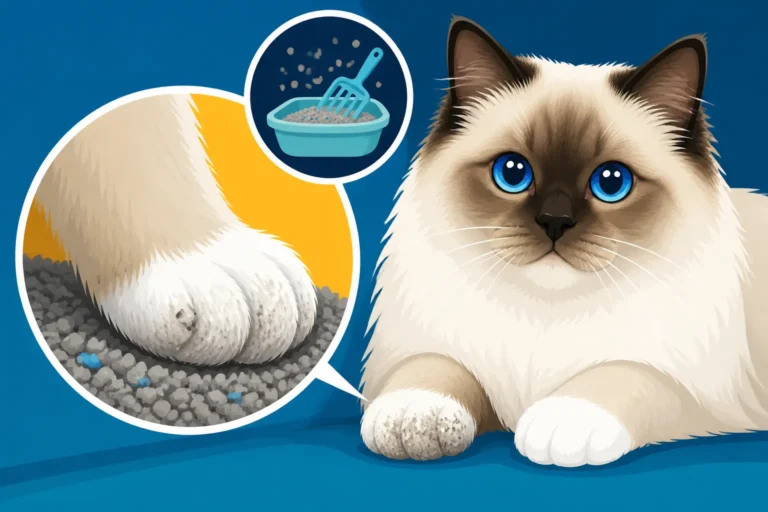
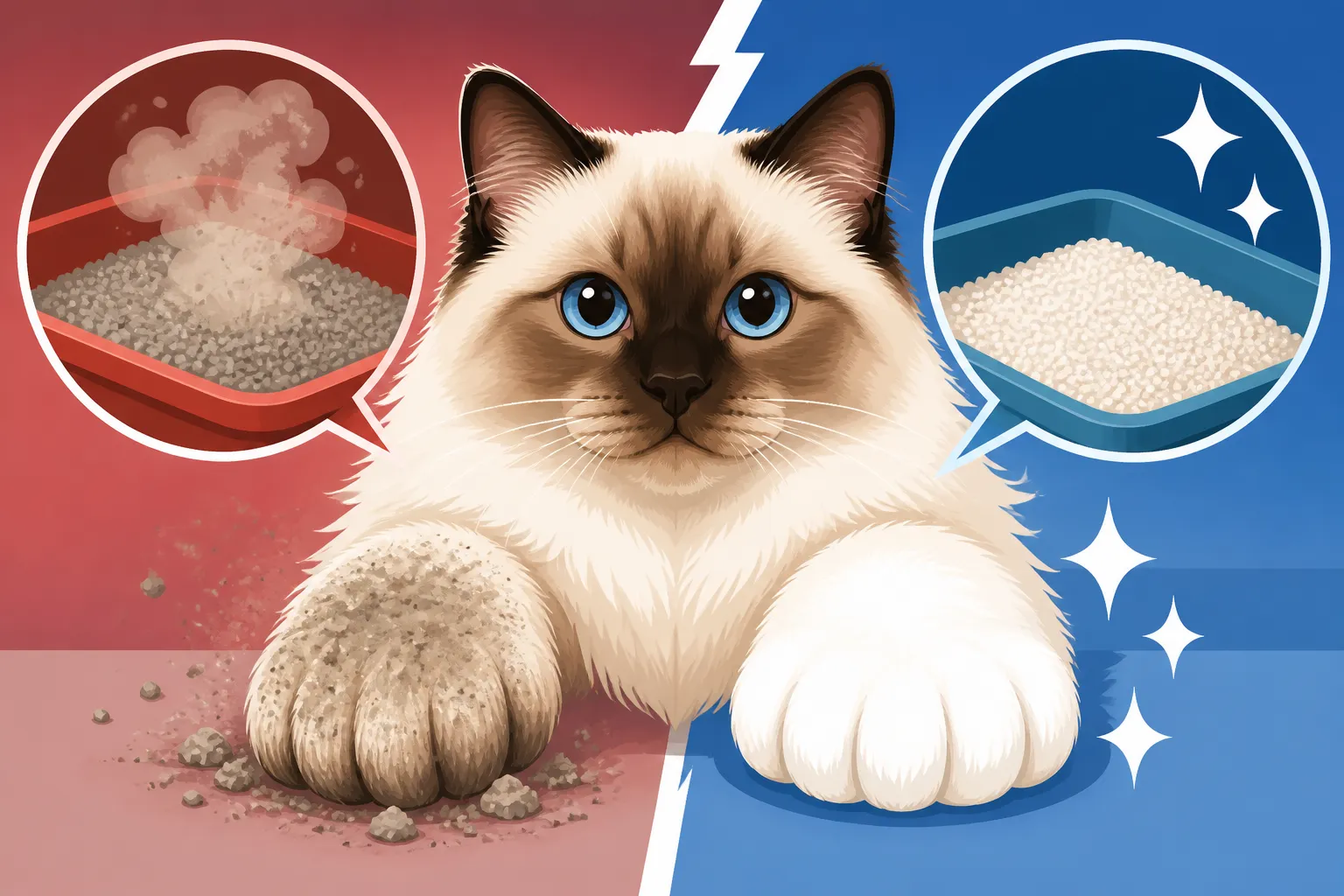
Oh, the sheer frustration of a Birman's beautiful white gloves! If you're a Birman parent, you know the struggle is real: you spend time grooming those silken paws, only for your beloved cat to emerge from the litter box looking like they've been mining for coal. Dusty litter isn't just an annoyance; it's a genuine problem that can ruin the pristine appearance of those signature white feet, turning them an unappealing, grimy color. This guide will walk you through exactly why dusty litter is such a nemesis for your Birman's immaculate paws and, more importantly, what you can do about it.
The Unique Vulnerability of Birman Gloves
There's something truly magical about a Birman's white "gloves" and "laces" – those perfectly symmetrical white markings on their paws. They're a hallmark of the breed, a feature that makes them instantly recognizable and undeniably elegant. But this very beauty makes them incredibly susceptible to unsightly stains from everyday activities, especially litter box visits.
The Pure White Canvas: Why Birman Gloves Are So Special
Imagine the delicate white silk of a wedding gown; that's essentially the visual impact of a Birman's gloves. They are meant to be pure, contrasting sharply with the darker "points" of the body. This stunning characteristic is part of what gives the Birman its "sacred cat" mystique. When these pristine white areas become discolored, it's not just an aesthetic issue; it can genuinely diminish the breed's distinctive charm. Breeders work incredibly hard to achieve these perfect markings, and owners take immense pride in maintaining them. Keeping a Birman's White Gloves White is a constant, loving effort.
The Birman's Paws: A Magnet for Trouble
Unlike many other breeds, a Birman's paws aren't just delicate because of their color. Their coat is famously silky and lacking a dense undercoat, which means individual hairs are fine and can easily pick up small particles. While this single coat makes grooming relatively easier for the main body No Undercoat Is What Makes a Birman Easy to Groom, it creates a particular challenge for the paws. The longer hair around the toes and between the paw pads acts like a broom, sweeping up everything in its path. Every step into the litter box becomes an opportunity for dust and fine granules to embed themselves into those delicate white tufts.
How Litter Particles Adhere to the Silky Coat
The static charge often generated by dry litter and the fine texture of a Birman's fur create a perfect storm for adherence. When your Birman digs, covers, and then steps out of the litter box, microscopic dust particles and even slightly larger granules cling to the individual strands of hair on their paws. These aren't just superficial specks; they often get worked into the coat, especially if the cat then walks on damp surfaces, or if any moisture from a fresh elimination helps bind the dust. Over time, these embedded particles can create a persistent dingy, yellow-brown stain that's incredibly difficult to remove with just a quick wipe. It’s like trying to get fine clay out of silk – it really sticks!
Understanding the Culprit: Dusty Litter
The villain in this story is, more often than not, the litter itself. Many popular cat litters, while effective at odor control or clumping, are simply too dusty for a Birman's sensitive paws and beautiful white gloves. Recognizing what makes a litter dusty is the first step toward solving the problem.
What Makes Some Litters So Dusty?
The primary culprit in dusty litter is often the type and processing of clay used. Bentonite clay, a common ingredient in many clumping litters, can break down into very fine particles during manufacturing, transport, and even when your cat digs in the box. As your Birman scratches around, these tiny particles become airborne. When they settle, they settle everywhere – on furniture, in the air, and, of course, all over your cat's paws. Silica gel litters can also produce dust, though often of a different texture, but clumping clay is usually the biggest offender. The way the litter is scooped and agitated also contributes; vigorous scooping can stir up a cloud of dust that then settles on everything, including your Birman's freshly "gloved" paws.
The Hidden Damage: Beyond Just Discoloration
While the cosmetic issue of stained white gloves is certainly frustrating, dusty litter can pose other, less obvious problems for your Birman. Inhaling dust can be irritating to a cat's respiratory system, especially for breeds that might already have sensitivities. The particles can also irritate the delicate skin between their paw pads, potentially leading to dryness or discomfort. Moreover, if your Birman is meticulously grooming those dusty paws – and they certainly will be – they'll be ingesting some of that litter dust. While small amounts are generally not harmful, consistently ingesting litter could contribute to digestive upset or, in rare cases, more serious issues if the cat has an underlying condition. It's a concern that goes beyond just keeping those white socks sparkling clean.
Common Ingredients in Dusty Litters to Watch Out For
When you're at the pet store, scrutinizing litter bags, keep an eye out for labels that promise "extra strong clumping" or "heavy duty odor control," as these sometimes correlate with dustier formulations. While these features are great, they often come at the cost of ultra-fine particles. Look closely at the ingredient list if available, and try to avoid litters where "processed clay" or similar generic terms are the sole or primary ingredient without any mention of dust-reducing processes. Brands can vary wildly in their dust levels even within the same type of litter. For instance, some clay litters like certain varieties from Tidy Cats or Fresh Step have formulations specifically designed to be "low dust" or "dust-free," but even these can sometimes surprise you. It often takes a bit of trial and error to find the perfect balance.
Strategies for Keeping Birman Gloves Pristine
The good news is that you're not helpless in the face of dusty paw syndrome! There are several effective strategies you can employ to ensure your Birman's beautiful white gloves stay as clean as possible. It’s a multi-pronged approach, but entirely achievable.
Switching to Low-Dust and Non-Staining Litters
This is arguably the most impactful change you can make. The market offers a surprising variety of low-dust and even dust-free litters specifically designed for sensitive cats or fastidious owners. Consider options like:
- Paper Pellets: These are virtually dust-free and often made from recycled paper. They don't clump, so odor control can be different, but they won't stain. Brands like Yesterday's News are popular.
- Corn-Based Litters: These are often low-dust, biodegradable, and offer good clumping. World's Best Cat Litter (available through retailers like Chewy) is a prime example and generally has a good reputation for being low-dust.
- Walnut Shell Litters: Another natural, biodegradable option known for low dust and good odor control. Naturally Fresh is a well-regarded brand.
- Silica Gel Crystals: While some can have a powdery residue, many crystal litters are very low dust and excellent at moisture absorption. They typically don't clump in the same way as clay but absorb urine effectively.
When making a switch, introduce the new litter gradually by mixing it with the old one over several days. This helps your Birman adapt without stress. Which Litter Suits a White Gloved Cat is a crucial decision for any Birman owner.
Grooming Routines to Maintain Paw Cleanliness
Even with the best low-dust litter, regular grooming is still your best friend for a Birman. Their silky coats need attention, and their paws are no exception.
- Daily Paw Checks: Make it a habit to quickly inspect your Birman's paws once a day. Gently separate their toe beans to check for any embedded litter or discoloration. A quick wipe with a damp, pet-safe wipe (like those from Earthbath or similar brands often found on Amazon) can do wonders for minor smudges.
- Targeted Cleaning: If you notice staining, a more thorough cleaning might be needed. You don't need to bathe your entire cat frequently, but a targeted paw wash is invaluable. Use a small basin with lukewarm water and a tiny bit of cat-specific shampoo. Gently lather and rinse the stained areas. How to Wash a Birman's White Feet effectively can save those gloves. Make sure to dry thoroughly afterward to prevent skin irritation.
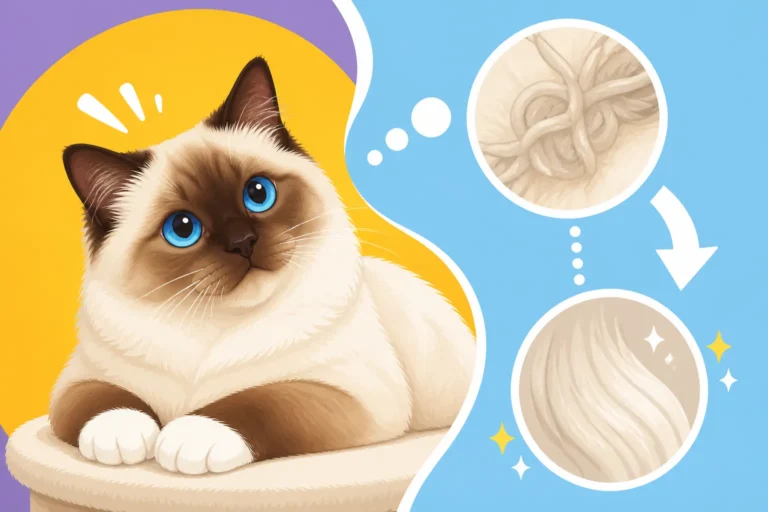
- Regular Brushing: While a Birman's body doesn't mat easily, the fur on their paws can still pick up debris. A soft brush or comb, used daily, can help dislodge any loose particles before they become deeply embedded. Remember, Combing a Birman Three Times a Week is a good baseline for general coat health, but the paws might need more frequent, gentle attention.
Creating a Cleaner Litter Box Environment
The litter itself is a huge factor, but the way you manage the litter box environment also plays a role in keeping those gloves sparkling.
- Choose the Right Box: Opt for a litter box with high sides to help contain litter scatter. Some owners even find enclosed boxes or top-entry boxes help reduce the amount of litter tracked out, which in turn means less dusty residue for your Birman to walk through. Make sure the box is adequately sized for your Birman's long, rectangular frame; a cramped box means more contact with the litter. Why a Birman Needs a Box Long Enough for Its Body is important for comfort and cleanliness.
- Scoop Frequently: This might seem obvious, but frequent scooping (at least twice a day, ideally more) removes soiled litter before it can become super saturated and sticky, which can exacerbate dust adherence and staining. A clean box is a less messy box for those white paws.
- Litter Mat Magic: Place a good quality litter mat with deep grooves or a textured surface directly outside the litter box. These mats are designed to trap litter particles from your Birman's paws as they exit, preventing them from being tracked throughout the house and reducing the overall dust load. Many effective and affordable options are available from stores like Chewy or Amazon. Why a Birman's Coat Carries Litter Out of the Box means a good mat is essential.
Beyond Litter: Other Factors Affecting Paw Appearance
While dusty litter is a prime culprit, other elements can contribute to discolored or unhealthy Birman paws. A holistic approach to your cat's care ensures those gloves stay beautiful and healthy.
Diet and Coat Health
A healthy coat starts from within, and your Birman's diet plays a significant role in the condition of their fur, including on their paws. A diet rich in essential fatty acids, like Omega-3s and Omega-6s, contributes to a shiny, healthy coat that is less prone to dryness and brittleness. A well-nourished coat may also be less likely to have static, which can attract dust.
Think about high-quality cat foods that list real meat as the first ingredient and contain these beneficial oils. Sometimes, a supplement, such as salmon oil, can be added to their food if recommended by your vet. While these won't directly stop litter dust from clinging, a stronger, healthier hair shaft can be easier to clean and less likely to show permanent staining. Why Omega Oils Matter for a Birman's Coat is a good read on this topic. Ensuring good hydration by feeding wet food can also contribute to overall health. How Much Wet Food a Birman's Kidneys Are Worth Paying For is a valid consideration, especially given the breed's history.
Environmental Factors in the Home
Your home environment can also subtly impact the cleanliness of your Birman's gloves.
- Humidity Levels: Very dry indoor air can contribute to static electricity in your cat's fur, making dust more likely to cling. While you don't need to turn your home into a tropical paradise, ensuring a comfortable humidity level can help.
- Household Dust: Let's be real, every home has dust. Regular vacuuming and dusting can reduce the overall amount of airborne particles that might land on your Birman and get transferred to their paws as they walk around. If your Birman likes to sleep in dusty corners or under furniture, those areas are prime spots for transferring grime to their pristine white gloves.
- Outdoor Access: While Birmans are generally indoor cats, if yours has any outdoor access, even a supervised romp in a catio, their paws are bound to pick up dirt and debris. Mud, soil, and even pollen can quickly stain those white areas. For this reason, many Birman owners are very careful about keeping their cats strictly indoors. Why a White Gloved Cat Should Never Be Let Out is advice many Birman enthusiasts live by.
The Importance of Regular Vet Checks
Sometimes, what looks like mere litter staining could be indicative of a deeper issue, or a vet visit might be necessary for persistent paw problems.
- Skin Irritations: If your Birman's paws are not just discolored but also red, inflamed, or excessively dry, it could be a sign of irritation from the litter or an allergic reaction. A vet can diagnose and recommend appropriate treatment.
- Yeast or Fungal Infections: These can sometimes manifest as discoloration, particularly a reddish-brown stain, between the paw pads or around the claws. Such infections often thrive in moist environments and can be a secondary issue to constant dampness or irritation.
- Underlying Health Concerns: In very rare cases, unusual discoloration of the fur or skin can be linked to systemic health issues. While unlikely to be caused by dusty litter, if the problem is severe or accompanied by other symptoms, it's always best to consult your veterinarian to rule out anything serious. They can also offer advice on specific paw care products or recommend dietary changes that support skin and coat health.
Maintaining those gorgeous white gloves is a labor of love, but with the right litter choices, consistent grooming, and a mindful approach to their environment, your Birman can keep those paws looking their best.
Disclaimer
This article is for general informational purposes only and does not constitute professional advice. Laws, prices and regulations vary by location and change over time. Consult a qualified professional for guidance on your specific situation.