When an Old Birman Can No Longer Turn to Its Own Back
It's a really tender, often heartbreaking, moment when you start noticing your beloved Birman, once so meticulous about their pristine coat, can no longer quite reach those spots they once groomed with ease. They've always been such a graceful, independent creature, and seeing them struggle with something as fundamental as self-care can fill you with a mix of sadness and worry. This guide is all about helping you understand these changes, spot the subtle signs that your aging Birman needs a little extra help, and most importantly, equip you with the knowledge and tools to provide that compassionate support as they move into their golden years.
How to Spot the Early Warning Signs Your Birman is Struggling to Groom
Our Birmans are notoriously stoic, often hiding discomfort or illness until it's quite advanced. This placid nature, while lovely in many ways, means we have to be extra vigilant, especially as they age, to pick up on the subtle cues that their self-grooming isn't what it used to be. It's not always a sudden stop; sometimes it's a gradual decline that you might not notice day-to-day unless you're specifically looking.
The Shifting Texture and Appearance of Their Once Pristine Coat
A healthy Birman's coat is a thing of beauty – long, silky, and surprisingly less prone to matting than other longhairs due to its lack of an undercoat. But when they start struggling to groom, even this relatively low-maintenance coat can become problematic. You might first notice a dullness to the fur that wasn't there before, a lack of that characteristic Birman sheen. This isn't just cosmetic; it's a sign that the natural oils aren't being distributed properly.
Then come the tangles and the small mats. These often start in those areas that are naturally harder to reach, even for a flexible young cat. Think about the area just behind their ears, along their back, or especially around the base of their tail and their 'britches' (the fluffy fur on their hind legs). These mats might be small at first, no bigger than a pea, but they can quickly grow, pulling on the skin and becoming quite painful. It's a sad sight to see that gorgeous tail plume, which usually flows so freely, starting to look a little clumped or less magnificent. No Undercoat Is What Makes a Birman Easy to Groom describes how special their coat is, and that makes these changes even more noticeable.
Subtle Behavioral Changes That Speak Volumes
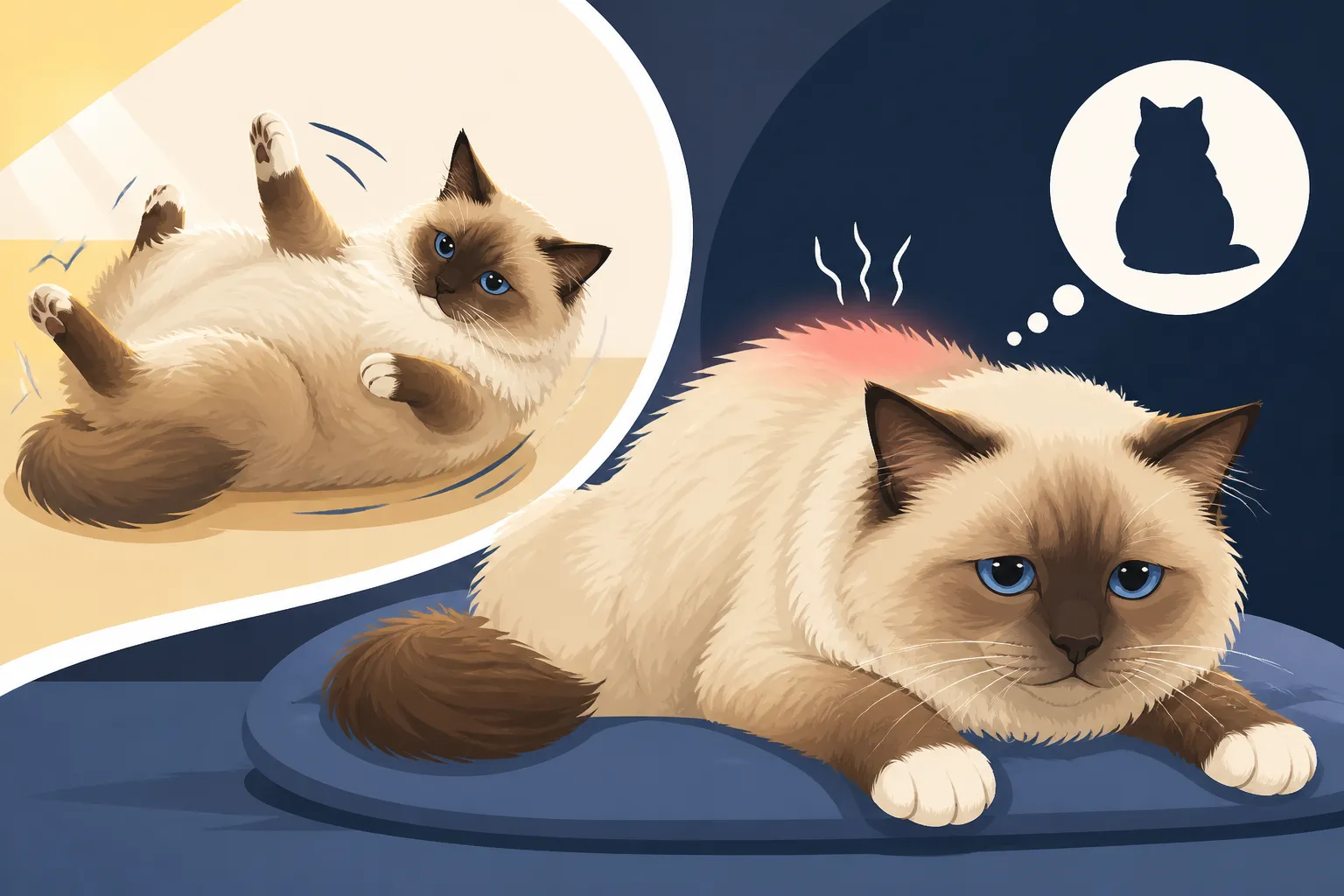
Our Birmans are creatures of habit, and any shift in their routine or demeanor can be a red flag. When it comes to grooming, you might observe them attempting to twist and contort into familiar positions, only to stop halfway, perhaps with a slight wince or a visible stiffness. They might try to reach their lower back or hindquarters and simply give up, perhaps settling for a less thorough lick of a more accessible area. You might also notice they're spending less time overall on grooming. A once hour-long ritual might dwindle to just a few minutes, focused solely on their front paws or chest.
Beyond grooming itself, look for general signs of discomfort or reduced mobility. Perhaps they're not stretching as much when they wake up, or they're hesitant to jump onto a favorite armchair or windowsill. Their gait might appear a little stiffer, or they might move slower than usual. They might even become a bit more withdrawn, spending more time in quiet, undisturbed spots rather than following you from room to room as they typically do. These are all indicators that something is making movement, including the complex movements required for grooming, uncomfortable. What an Old Birman Slows Down From elaborates on these broader signs of aging.
Spotting Neglected Areas: Where Mats and Dirt Accumulate First
The areas where Birmans typically struggle to groom themselves as they age are quite consistent, and knowing these hotspots can help you perform targeted checks. The lower back and the area above the tail are prime real estate for mats, as these require significant spinal flexibility to reach effectively. Their hindquarters, particularly the 'britches' or the long fur around their rear, can become soiled or matted if they can't twist and clean properly after using the litter box. This isn't just unsightly; it can lead to skin irritation or even infection if left unaddressed.
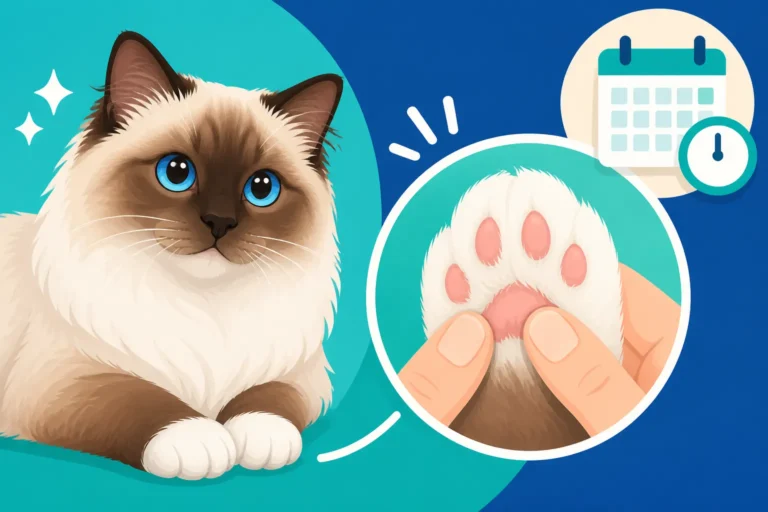
The soft fur on their bellies and the inner thighs are also common places for tangles to form. These areas demand a good deal of flexibility and balance for a cat to reach. Similarly, while their front paws might still get a good deal of attention, the fur between their toes and on the back of their 'gloves' can become neglected. Remember, their signature white gloves are beautiful but can also show dirt more easily. Keeping a Birman's White Gloves White becomes an even greater challenge when they can't manage their own cleaning. Regularly running your hands over these specific areas can help you catch small mats before they become big, painful problems.
Understanding Why Your Once Agile Birman Can't Reach Its Back
It's natural to wonder why your Birman, who once moved with such fluid grace, is suddenly finding it difficult to perform basic tasks like grooming their own back. It's rarely out of laziness or spite; usually, there's a physical reason behind it. Understanding these underlying causes is the first step toward finding appropriate solutions and providing the right kind of care.
Arthritis and Joint Pain: The Silent Agony of Aging
Just like us, cats can develop arthritis as they get older. This condition, also known as osteoarthritis, causes inflammation and pain in the joints. For a cat, this often affects the spine, hips, elbows, and shoulders. Think about the intricate twists and turns your Birman makes to reach every part of its body for grooming. If those movements cause pain or stiffness in the spine or hips, it becomes incredibly difficult, if not impossible, to complete the job.
You might not see obvious limping; rather, the signs can be much more subtle. Perhaps they hesitate before jumping, or they choose to lie down more often. They might be reluctant to be picked up or touched in certain areas. Imagine trying to stretch your arm to scratch your back when your shoulder is stiff and aching – that's likely what your Birman is experiencing when they try to groom those hard-to-reach spots. The pain makes the action uncomfortable, and the stiffness physically limits their range of motion. How Arthritis Shows in a Birman That Never Jumped Much details how this can manifest even in a less athletic breed.
Weight Gain and Loss of Flexibility: A Double Whammy
Even a slight increase in weight can significantly impact a cat's flexibility and ability to groom. Birmans have a fairly long, rectangular body shape, and when they carry extra pounds, especially around their midsection, it physically creates a barrier that prevents them from bending and twisting effectively. That beautiful, flowing coat can also make it harder to spot gradual weight gain, so regular weight checks at the vet or at home are crucial.
Beyond just the physical obstruction, excess weight puts additional strain on their joints, exacerbating any underlying arthritis. It can also lead to a general decrease in muscle tone and overall flexibility. A cat that's carrying too much weight simply isn't as nimble as they once were, and that agility is essential for a thorough self-grooming session. A Birman that's put on a little weight might look well-fed and cuddly, but internally, they're struggling with decreased mobility. Why an Overweight Birman Stops Grooming Itself explores how this issue directly impacts their grooming habits.
Other Health Conditions That Impede Self-Grooming
While arthritis and weight gain are common culprits, other health issues can also contribute to a Birman's inability to groom themselves. Dental disease, for example, can cause significant pain when a cat attempts to twist their head or use their mouth to remove mats. Imagine the discomfort of a sore tooth or inflamed gums if you were trying to hold a piece of string in your mouth. Many older Birmans suffer from dental issues, and the pain can make grooming an unpleasant experience.
Other conditions like hyperthyroidism can lead to muscle weakness or an unkempt coat due to metabolic changes, even if the cat appears thin. Why a Thin, Hungry Old Birman Needs a Thyroid Test points to another underlying health concern that affects grooming. Neurological conditions, general weakness from chronic kidney disease, or even poor vision can also make a once-simple task like self-grooming challenging. That's why a comprehensive veterinary check-up is always the best first step when you notice a significant change in your Birman's grooming habits.
Becoming Your Birman's Personal Groomer: Compassionate Care Strategies
Once you've identified that your Birman needs a helping hand with their grooming, it's time to step in with gentle, consistent care. This isn't just about aesthetics; it's vital for their comfort, skin health, and overall well-being. Approaching it with patience and understanding will make the experience positive for both of you.
Choosing the Right Tools and Gentle Brushing Techniques
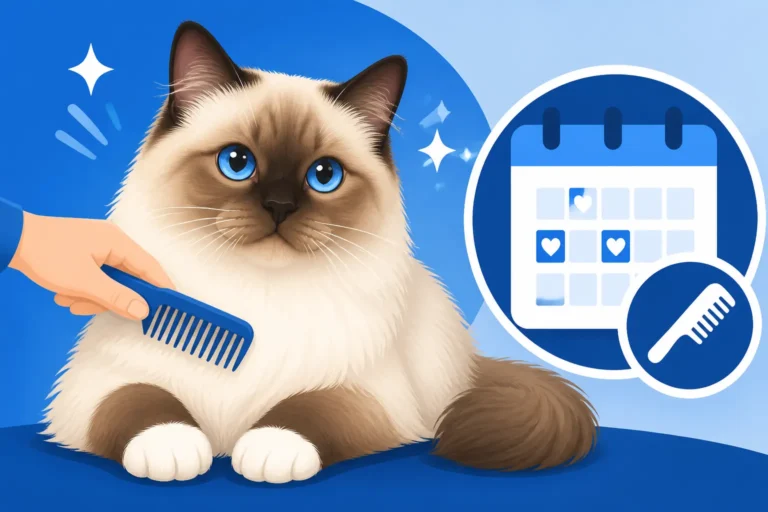
The right tools make all the difference, especially when dealing with a senior cat who might be sensitive to touch. Forget harsh slicker brushes that can pull on their delicate skin and single coat. Instead, invest in a good quality metal comb with both wide and narrow teeth. A comb like the Safari by Coastal Pet flea comb (using the wide tooth side) or a fine-toothed metal greyhound comb works wonderfully for a Birman's silky fur. You might find these on Chewy or Amazon, where reviews can help guide your choice.
Start with short, gentle strokes, always moving in the direction of hair growth. Begin in areas your Birman enjoys being touched, like their chest or sides, before slowly moving to more sensitive or neglected spots. Support their body gently as you work, perhaps by having them lie on your lap or a soft towel on a table. For the ruff and tail, use the wide-toothed side of the comb first, then the finer teeth if needed. If you encounter a mat, don't pull! Instead, isolate the mat with your fingers, gently tease it apart from the ends, or use a blunt-nosed dematting tool if absolutely necessary. Remember Which Comb Gets Through a Birman's Ruff Without Pulling and avoid any tools that could damage their coat or skin.
Tackling Those Tricky, Hard-to-Reach Spots
The back, the base of the tail, and the britches are often the first places to develop mats when a Birman can no longer reach them. For the back, try gently encouraging your Birman to lie on their side, or, if they're comfortable, sit them on your lap facing away from you so you can access their back more easily. Use short, upward strokes with your comb, working through the fur in small sections.
The base of the tail and britches can be particularly challenging, especially if your cat is sensitive about their hindquarters. It might help to have a second person gently hold them, providing comfort and stability. Use a soft, damp cloth to clean any soiled areas on the britches before attempting to comb, as this will make the fur easier to manage and prevent irritation. For stubborn mats in these areas, a small, blunt-tipped pair of scissors can be used to carefully cut through the mat if it's not too close to the skin and you are confident. However, if in doubt, it's always safer to let a vet or professional groomer handle it, as cat skin is very thin and easy to cut. How to Get a Mat Out of a Birman's Coat provides more detailed advice on mat removal.
Making Grooming a Positive Experience for Your Senior Cat
The key to successful grooming with an older Birman is patience, positive reinforcement, and a calm environment. Keep your grooming sessions short, perhaps just 5-10 minutes at a time, especially when you're first introducing this new routine. If your Birman shows any signs of discomfort or stress (tail lashing, growling, flattening ears), stop immediately and try again later.
Associate grooming with good things! Offer their favorite treats (perhaps some freeze-dried salmon or a soft treat) throughout the session, or immediately afterward. Speak to them in a soft, reassuring voice. Create a dedicated grooming spot that is quiet and free from distractions. A comfortable blanket or towel will make them feel more secure. Over time, your Birman will learn to associate these sessions with gentle handling, tasty rewards, and the relief of a tangle-free coat. Consistency is key, and transforming grooming into a cherished ritual will strengthen your bond and improve their quality of life. How to Get a Birman Used to a Comb stresses the importance of starting early and making it positive.
Supporting Your Aging Birman Beyond the Brush
While hands-on grooming is crucial, supporting your aging Birman extends beyond just brushing. Their diet, environment, and regular health checks all play a pivotal role in maintaining their comfort and mobility, directly influencing their ability to stay clean and comfortable.
Dietary Adjustments for Mobility and Overall Well-being
As Birmans age, their nutritional needs can shift. If weight gain is contributing to their grooming difficulties, a veterinarian-recommended weight management diet or simply careful portion control is essential. For Birmans experiencing arthritis or joint pain, supplements can be incredibly beneficial. Look for formulas containing glucosamine, chondroitin, and Omega-3 fatty acids. Many reputable brands offer these, and you can often find them on platforms like Amazon or Chewy. Some cat foods are even formulated with joint support built-in.
Hydration is also critical, especially for older cats whose kidneys might not be as efficient as they once were. Incorporating more wet food into their diet can help ensure they're getting enough moisture. For Birmans with a history of Polycystic Kidney Disease (PKD), which sadly, some lines may carry from their Persian ancestry, adequate water intake is even more vital. Which Prescription Diet a PKD Positive Birman Ends Up On would be a discussion to have with your vet. Additionally, high-quality proteins and essential fatty acids are important for maintaining muscle mass and coat health. Why Omega Oils Matter for a Birman's Coat highlights the importance of these dietary components for their luxurious fur.
Creating an Accessible and Stimulating Environment
Think about your Birman's daily life from their perspective. Are their favorite perches still accessible? If they once loved jumping onto a high windowsill but now hesitate, consider providing a ramp or sturdy steps to ease their ascent. Lower-sided litter boxes can also make a huge difference for cats with joint pain, preventing painful straining to get in and out. You might even need to place extra litter boxes in easily accessible locations around the house.
Ensure their sleeping spots are comfortable and warm. Orthopedic beds or even heated beds can provide immense relief for aching joints, especially in colder climates. While Birmans are generally quiet and don't require intense stimulation, gentle play with wand toys that don't demand high jumps can still keep their minds active and encourage some light movement. Remember that your Birman's placid temperament means they thrive on routine and companionship, so simply being near you is often the best enrichment. Why an Old Birman Stops Using the Stairs is a clear indicator of declining mobility and a sign to start making these environmental adjustments.
When to Seek Veterinary Intervention
The moment you notice your Birman struggling with self-grooming, or any other significant change in their behavior, a visit to your veterinarian should be your very first step. It’s important to rule out or diagnose any underlying medical conditions. Your vet can perform a thorough examination, including checking their joints, teeth, and overall health. They may recommend blood tests to check organ function, especially kidneys and thyroid, or X-rays to assess joint health.
If arthritis is diagnosed, your vet can prescribe anti-inflammatory medications or pain relief that can dramatically improve your Birman's comfort and mobility. They might also suggest other therapies like acupuncture, laser therapy, or even specific rehabilitation exercises. Regular check-ups become even more crucial as your Birman ages; ideally, senior cats should see the vet at least once a year, or even every six months, for wellness checks. These proactive visits allow for early detection and management of age-related issues, helping to ensure your Birman enjoys their golden years with as much comfort and dignity as possible. What a Birman's Yearly Panel Should Include After Eight covers the essential screenings for senior Birmans.
| Area of Concern | Sign of Difficulty | Potential Cause | How You Can Help (Grooming) | How You Can Help (Other Care) |
|---|---|---|---|---|
| Coat Condition | Mats on back, hips, britches; dull fur | Arthritis, weight gain, general illness | Daily gentle combing, targeted mat removal, careful trimming | Vet check, joint support (supplements/meds), diet for weight/coat |
| Behavior | Reduced stretching/twisting, less time grooming, hesitant movement | Pain (arthritis, dental), weakness, vision problems | Short, positive grooming sessions with treats | Accessible environment (ramps, low litter boxes), vet for diagnosis/pain relief |
| Specific Body Parts | Soiled britches, unkempt tail base, matted belly fur | Reduced flexibility, chronic illness | Gentle cleaning wipes, careful combing, professional trim if severe | Weight management, ensure ample water intake, soft bedding |
| Oral Health | Dropping food, bad breath, reluctance to eat dry kibble | Dental disease | Gentle dental wipes/brushing (if tolerated) | Vet dental exam & cleaning, soft food if needed |
Disclaimer
This article is for general informational purposes only and does not constitute professional advice. Laws, prices and regulations vary by location and change over time. Consult a qualified professional for guidance on your specific situation.