Why an Old Birman’s Coat Loses Its Shine
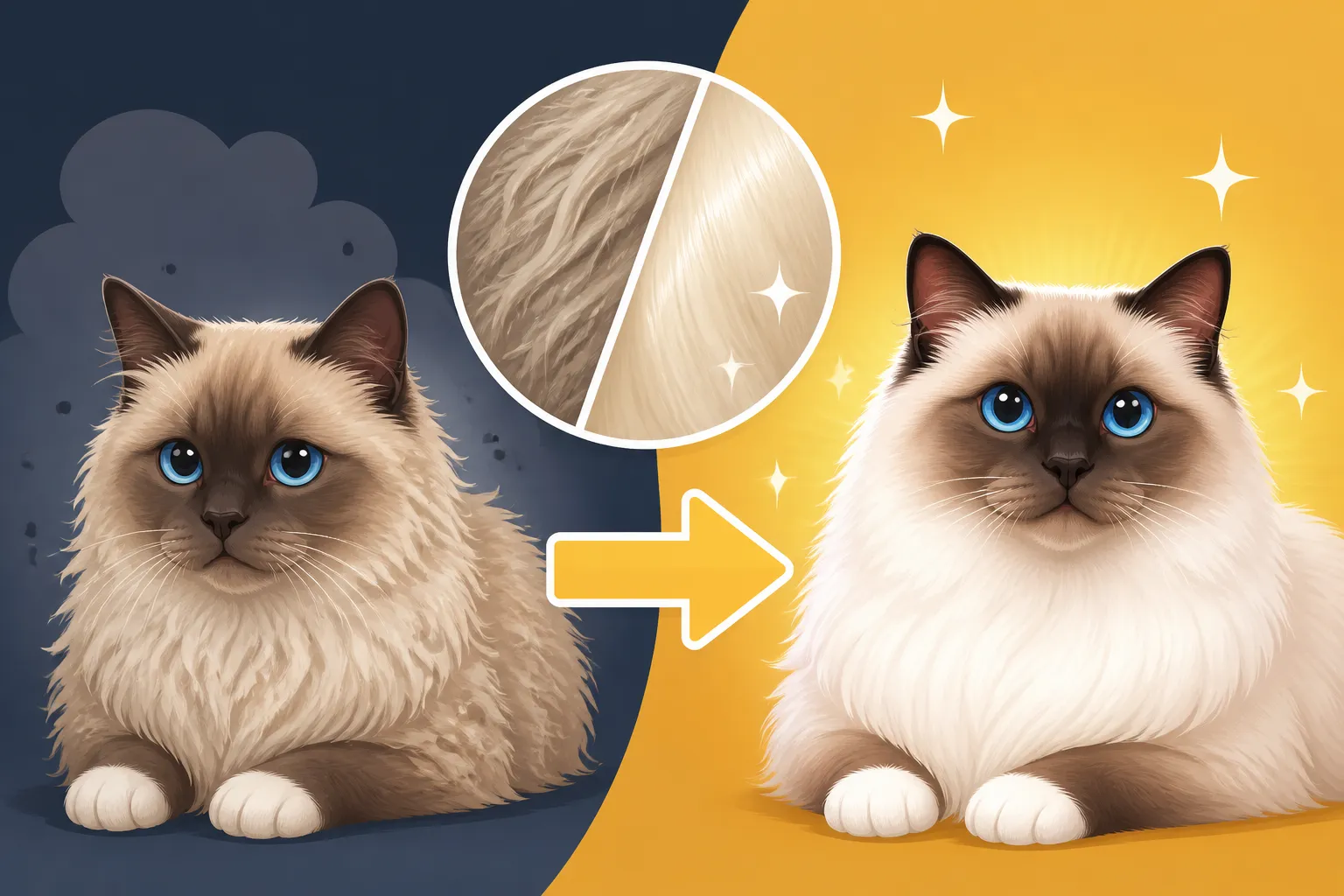
It’s a heart-sinking moment when you notice that your cherished Birman’s coat, once a shimmering cascade of silky fur, has lost its brilliant lustre. You remember the days it gleamed under the light, a testament to their regal beauty, and now it looks a little dull, perhaps even a bit sparse in places. This change is a common worry for many Birman parents as their beloved felines enter their golden years, and this guide will walk you through the various reasons an old Birman's coat loses its shine and, more importantly, what you can do to help them regain some of that youthful glow and comfort.
The Natural Ageing Process and Coat Changes
Just like us, cats experience a host of physiological changes as they age, and their skin and coat are often the first places these shifts become visible. It’s not just about aesthetics; a dull coat can be a sign of deeper, underlying changes that warrant our attention.
Cellular Renewal Slows Down
As your Birman gracefully ages, the rate at which their body's cells regenerate begins to slow considerably. This includes the cells responsible for skin and hair follicle health. Think about how rapidly a kitten's coat grows and regenerates compared to an older cat. This slowdown means that the skin might produce less of those natural, healthy oils that keep the coat supple and shiny. The hair growth cycle itself can become less efficient, leading to hairs that are weaker, grow more slowly, and are more prone to breaking or falling out.
For a Birman, with its distinctive single, silky coat, these changes can manifest as a general lack of vibrancy rather than significant matting, which is more common in breeds with a dense undercoat. While their coat is famed for its non-matting qualities, reduced oil production can still make individual strands appear dry and brittle, reflecting less light and thus losing their signature shine. The texture might also feel coarser to the touch compared to the soft, flowing fur you remember.
Hormonal Shifts and Their Impact
Hormones play a crucial role in maintaining a cat's overall health, and their coat is no exception. As Birmans age, their endocrine system can undergo changes that directly influence hair growth and quality. For instance, an imbalance in thyroid hormones is a common concern in older cats. Hyperthyroidism, a condition where the thyroid gland produces too much hormone, can ironically lead to a greasy, unkempt, or thinning coat, sometimes even dull and brittle despite the excess energy the cat might display. Conversely, less common but still possible, hypothyroidism (underactive thyroid) can also result in a dry, dull, and brittle coat.
Beyond thyroid issues, other hormonal shifts associated with ageing can subtly alter the coat's condition. These changes are often internal and not immediately obvious to the naked eye, highlighting why regular veterinary check-ups become increasingly vital as your Birman ages. Your vet can test for these hormonal imbalances, which, once identified and managed, can significantly improve your cat's coat health and overall well-being.
Reduced Grooming Mobility
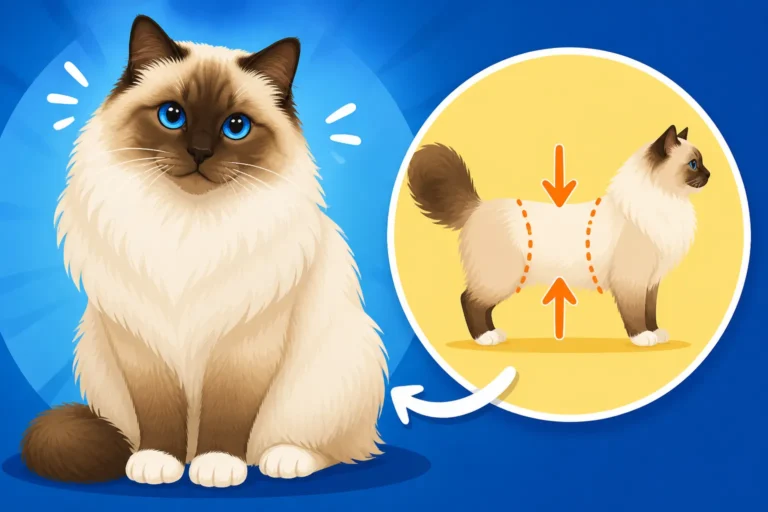
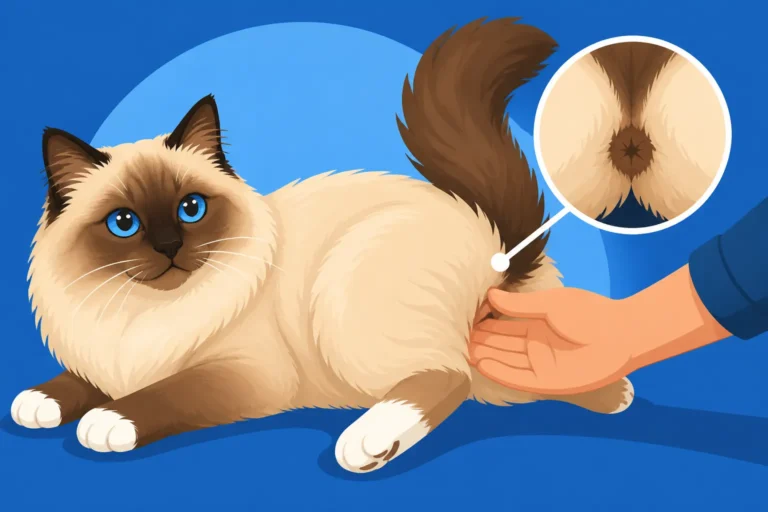
One of the most common and heartbreaking reasons an older Birman's coat loses its shine is simply that they find it harder to groom themselves effectively. Arthritis and general stiffness are pervasive issues in senior cats, making it painful or difficult to twist, turn, and reach all parts of their body. You might notice them struggling to bend around to clean their back, hips, or the base of their tail. These areas, consequently, can become neglected.
When a Birman can't groom properly, natural oils aren't distributed evenly across the fur. Instead, these oils can accumulate, leading to a greasy appearance in some spots and a dry, dull look in others. Dead hairs also aren't removed, further contributing to a lacklustre coat. Mats, though rare in a Birman's single coat, can still form in these hard-to-reach spots if self-grooming becomes severely impaired. It’s a sad sight to see your once fastidious friend no longer able to keep up with their own cleanliness. Addressing this often requires your active help, stepping in to take over the grooming duties your cat can no longer manage. For more on this, you might find Caring for an Old Birman That Cannot Reach Its Back particularly helpful.
Nutritional Deficiencies and Absorption Issues
What goes into your Birman's bowl directly impacts what you see on their coat. As cats age, their digestive systems can become less efficient, and their nutritional needs can subtly shift, making certain deficiencies more likely.
Changing Nutritional Needs of Senior Cats
An older Birman's metabolism isn't what it used to be. Their bodies process food differently, and their caloric requirements might decrease, while their need for highly digestible proteins and certain micronutrients can actually increase. If they’re eating the same food they’ve always had, it might no longer be meeting their evolving needs. Reduced appetite, which can stem from dental pain, organ issues, or general age-related decline, also means they might not be getting enough essential nutrients.
When their diet isn't providing the right balance of vitamins, minerals, and amino acids, the first place you often see it is in their coat. It can become dull, brittle, and shed more excessively. Their body simply prioritizes essential functions over maintaining a shiny coat. This is where a conversation with your vet about a senior-specific diet, designed to support ageing bodies and provide optimal digestibility, becomes crucial. You might be surprised at the difference a targeted nutritional plan can make. If your Birman's coat is showing signs of neglect from poor grooming, it's worth reading What an Old Birman Needs Once Its Ruff Starts Matting.
The Role of Essential Fatty Acids (EFAs)
Essential Fatty Acids (EFAs), particularly Omega-3 and Omega-6, are absolute powerhouses for skin and coat health. These fats are vital for maintaining the skin's barrier function, reducing inflammation, and promoting a healthy, shiny coat. Our cats cannot produce these fats on their own and must get them from their diet. As Birmans age, their ability to absorb these crucial nutrients from food can diminish.
A deficiency in EFAs can lead to a noticeably dry, flaky, and dull coat. You might even observe more dandruff or irritated skin. Look for high-quality senior cat foods that specifically list good sources of Omega-3 (like fish oil) and Omega-6 (like certain vegetable oils). If their diet isn't sufficient, your vet might recommend supplements. A wide range of EFA supplements specifically formulated for cats is available, and some fresh foods may also provide quality sources. Understanding Why Omega Oils Matter for a Birman's Coat can guide your choices here.
Hydration and Its Effect on Skin and Coat
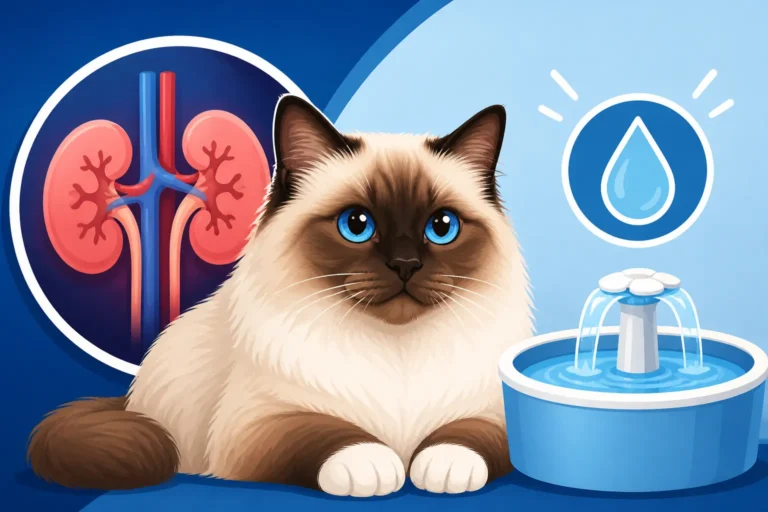
Water is fundamental to every bodily function, and a cat's skin and coat are no exception. Dehydration, even mild, can quickly impact the skin's elasticity and the hair's vibrancy, leading to a dry, dull appearance. Unfortunately, many senior cats don't drink as much as they should, sometimes due to reduced thirst drive, difficulty accessing water bowls, or underlying health conditions.
Encouraging your older Birman to drink more water is key. Consider investing in a pet drinking fountain, as many cats prefer flowing water. Offering wet food, which has a high moisture content, can also significantly boost their daily water intake. Sometimes, simply placing multiple water bowls in various easy-to-access locations around the house can make a difference. A well-hydrated cat is more likely to have healthier skin and a more lustrous coat. It's often surprising how much water they actually need; How Much Water a Birman Should Get Through in a Day offers some great insights.
Underlying Health Conditions and Environmental Factors
Sometimes, a dull coat isn't just about age; it's a symptom alerting you to a deeper health concern that needs professional attention. It’s their way of telling us something isn’t quite right internally.
Kidney Disease and Liver Issues
As Birmans get older, chronic kidney disease and liver issues become more prevalent. These conditions, even in their early stages, can have a profound impact on the body's ability to process toxins and nutrients. When kidneys aren't filtering waste effectively, toxins can build up in the bloodstream, leading to a general decline in health, including poor skin and coat condition. The coat might appear dull, dry, and even have an unusual texture or smell. Similarly, a compromised liver can affect fat metabolism and nutrient absorption, both of which are critical for a healthy, shiny coat.
Often, a dull coat in an older Birman is one of the subtle, early indicators that something is amiss internally. It’s rarely the only symptom, but it's one that catches our eye because it's so visible. If you notice other changes like increased thirst, changes in appetite, or lethargy, combined with a dull coat, it’s imperative to get your Birman to the vet. These conditions require veterinary diagnosis and management to ensure your cat’s comfort and well-being. Keeping an eye on your senior cat's overall health is crucial, and What an Old Birman Slows Down From First can give you more context.
Dental Disease and Its Systemic Effects
Dental disease is incredibly common in older cats, yet it often goes unnoticed until it's quite advanced. Painful teeth or inflamed gums can make eating difficult, leading to a reduced appetite and, consequently, inadequate nutrient intake. If your Birman isn't eating enough high-quality food because their mouth hurts, their coat will inevitably suffer. The body simply can't produce healthy hair without the necessary building blocks from their diet.
Moreover, chronic dental infections can create a systemic inflammatory response, putting a strain on your cat's entire body. This ongoing stress can detract from resources needed for maintaining skin and coat health. A cat constantly in pain or dealing with infection might also be less inclined to groom themselves, further exacerbating the dullness. Regular dental check-ups and cleanings, even for older cats, are vital for their overall health, including the quality of their fur. It’s truly amazing how a healthy mouth contributes to a healthy body and a shiny coat. Why Gum Disease Creeps Up on a Birman is a must-read for Birman owners concerned about oral health.
Environmental Stressors and Dry Air
Sometimes, the culprit isn't purely internal. Environmental factors can play a significant role in robbing your Birman's coat of its shine. Indoor air, especially during colder months when heating systems are running, can become incredibly dry. This low humidity can strip moisture from your cat's skin and fur, leading to a dry, flaky skin and a dull, brittle coat. It's akin to how our own skin can feel parched in dry indoor environments.
Stress can also manifest physically, and a cat's coat is often a barometer of their emotional state. Changes in routine, new pets, moving house, or even subtle shifts in the household dynamic can cause stress in a sensitive Birman. Chronic stress can impact their immune system and overall vitality, which, in turn, can affect coat quality. Ensuring a stable, comforting environment and considering a humidifier in dry climates can sometimes make a noticeable difference in their coat's appearance and their general well-being.
Strategies to Restore Shine and Comfort
Seeing your Birman's coat lose its luster can feel a bit helpless, but there are indeed many proactive steps you can take to help them look and feel their best. A combination of good care, appropriate nutrition, and regular vet oversight can work wonders.
Regular Gentle Grooming
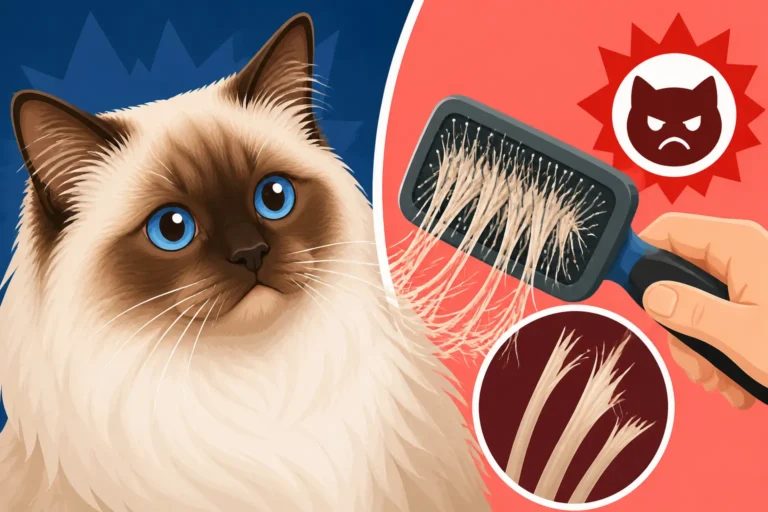
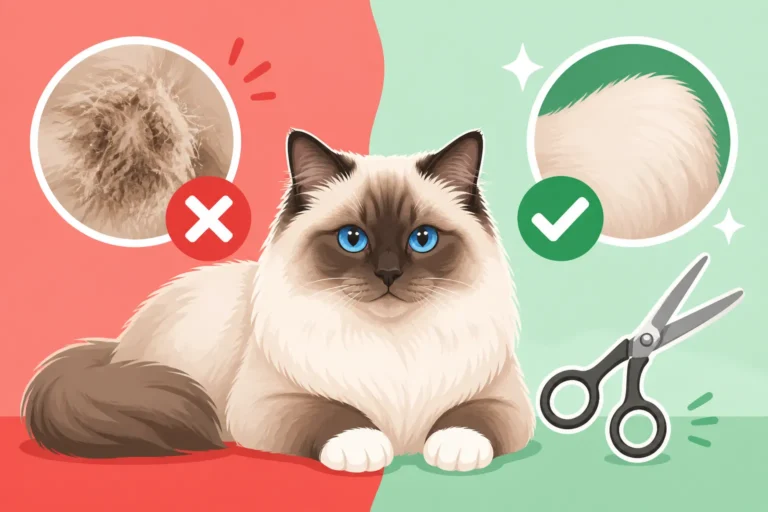
As your Birman ages, their ability to self-groom naturally declines, making your role as their personal groomer even more important. Regular, gentle grooming sessions become paramount. Aim for at least three times a week, if not daily, using a soft-bristled brush or a comb specifically designed for fine, silky hair. Avoid harsh slicker brushes that can pull and break their delicate guard hairs. The goal is not just to remove loose fur but also to gently stimulate the skin and distribute natural oils evenly across the coat.
These grooming sessions are also a wonderful opportunity for bonding and a chance for you to perform a quick "health check." You can feel for any new lumps or bumps, assess their skin for dryness or irritation, and check for any mats that might be forming in those hard-to-reach spots. Remember to be patient and gentle; an older cat might have sensitive skin or joints. Making it a calm, positive experience with soft strokes will ensure your Birman enjoys this essential part of their care. Our guide on Combing a Birman Three Times a Week provides excellent techniques to keep their coat in top condition.
Dietary Adjustments and Supplements
Re-evaluating your older Birman's diet is one of the most impactful things you can do for their coat and overall health. As discussed, their nutritional needs change. Consider switching to a high-quality senior-specific diet, which often features easily digestible proteins, controlled phosphorus levels for kidney health, and an enhanced blend of vitamins and minerals. Look for formulas that are rich in Omega-3 and Omega-6 fatty acids. If you’re unsure, your vet can recommend the best food for your individual cat's health profile.
Sometimes, even with the best diet, an older cat might need a little extra boost. Discussing supplements with your veterinarian is a great idea. Omega fatty acid supplements, in particular, can do wonders for dry skin and dull coats. There are also supplements containing biotin, zinc, and other vitamins that support skin and hair health. These can often be found at pet supply stores or online retailers like Chewy or Amazon, but always consult your vet before adding any supplements to your cat's regimen to ensure they are appropriate and won't interact negatively with any existing medications. High-quality wet food is also a great choice for older Birmans, and you can learn more about this by reading Which Wet Food Suits a Birman's Kidney History.
Veterinary Check-ups and Early Intervention
Perhaps the most crucial strategy for maintaining your senior Birman's coat health, and indeed their overall well-being, is regular veterinary check-ups. As they age, annual or even semi-annual visits become essential. These appointments allow your vet to catch any underlying health conditions early, often before they become overtly symptomatic. Conditions like hyperthyroidism, kidney disease, dental issues, or arthritis, all of which can affect coat quality, can be diagnosed and managed proactively.
During these check-ups, your vet will perform a thorough physical examination, listen to their heart, check their teeth, and often recommend bloodwork and urine tests. These diagnostic tools can reveal internal issues that might be silently contributing to a dull coat. Early intervention, whether through medication, dietary changes, or other treatments, can not only improve their coat but also significantly enhance their quality of life. Don't underestimate the power of these routine visits; they are your best defense against the challenges of ageing. For a comprehensive look at what these visits should entail, check out What a Birman's Yearly Panel Should Include After Eight and How Often a Birman With Clear Papers Still Needs a Vet.
Here's a quick overview of common reasons for a dull coat in an older Birman and how to address them:
| Problem Symptom | Potential Underlying Cause | Recommended Action |
|---|---|---|
| Dull, Dry, Brittle Coat | Slowed cellular renewal, EFA deficiency, dehydration | Increase grooming, EFA supplements, wet food, vet check for thyroid. |
| Greasy, Unkempt Coat | Hyperthyroidism, reduced self-grooming | Vet check for thyroid, increased assisted grooming. |
| Mats in Hard-to-Reach Areas | Arthritis, reduced mobility, pain | Gentle, frequent assisted grooming, vet check for pain management (e.g., joint supplements). |
| Excessive Shedding | Nutritional deficiencies, stress, underlying illness | Review diet, vet check for organ function, stress reduction. |
| Flaky Skin / Dandruff | Dry air, EFA deficiency, dehydration | Humidifier, EFA supplements, wet food, ensure easy access to fresh water. |
| Lack of Interest in Grooming | Dental pain, arthritis, general malaise, depression | Vet check for dental issues or pain, provide gentle grooming, ensure comfortable environment. |
Ultimately, a dull coat in an older Birman is often a gentle nudge from your beloved companion, asking for a little extra care and attention. By understanding the causes, both natural and medical, and taking proactive steps, you can help restore some of that cherished shine and, more importantly, ensure they are comfortable and healthy in their twilight years. It’s a small effort for the immense joy they bring into our lives. Why an Old Birman Sleeps Closer to You and Why an Overweight Birman Stops Grooming Itself can also offer further insights into changes in older Birmans.
Disclaimer
This article is for general informational purposes only and does not constitute professional advice. Laws, prices and regulations vary by location and change over time. Consult a qualified professional for guidance on your specific situation.