Why a Birman Needs a Box Long Enough for Its Body
It’s a scenario many Birman parents unwittingly fall into: you bring home your beautiful, fluffy kitten, buy a standard litter box, and assume everything will be just fine. But as your Birman grows into that magnificent, long-bodied adult, you might start noticing little issues – maybe a few accidents just outside the box, or your cat looking awkward and uncomfortable while doing their business. The truth is, a standard litter box often simply isn't long enough to accommodate a Birman's unique physique, leading to stress, mess, and potential health problems for your beloved companion. This guide will delve deep into why the length of your Birman's litter box is so crucial and how to choose the perfect setup for their comfort and well-being.
The Unseen Challenge of a Long Cat: Why Length Matters for a Birman's Litter Box
Birmans are graceful cats, known for their substantial, elongated bodies that stand in elegant contrast to more "cobby" or compact breeds. This isn't just about aesthetics; their physical dimensions directly impact their daily needs, including one of the most fundamental: a comfortable place to relieve themselves. Many cat parents, especially those new to long-bodied breeds, don't realize that a typical litter box simply isn't designed with a Birman's frame in mind.
Understanding the Birman's Physique
Think about your Birman stretching out for a good snooze – they can seem to go on forever, right? That’s because these cats are built long and substantial, not just fluffy. A fully grown Birman tom, for instance, can measure quite a distance from nose to the base of their tail, and they continue to fill out and lengthen well into their third year. How Long a Birman Tom Grows Along the Body This extended frame means they require more space to comfortably position themselves for urination and defecation.
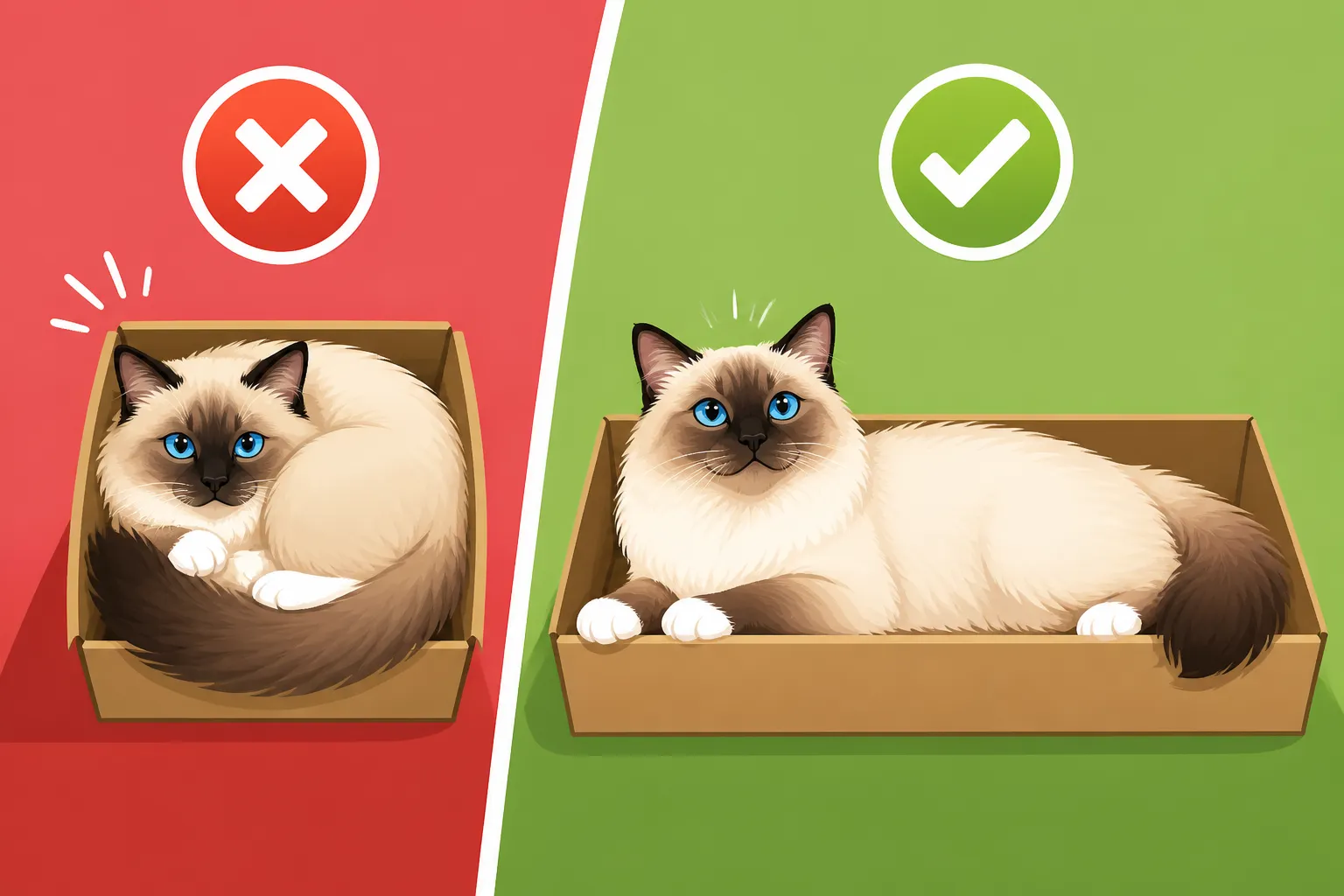
When a Birman steps into a litter box, they need enough room to turn around, crouch fully, and ideally, have all four paws inside the box, along with their rear end. If the box is too short, they might have to contort their body, perch awkwardly, or, most commonly, end up with their rear hanging over the edge, creating a messy situation just outside the box. It’s not that they're being naughty; they literally can't fit themselves completely within the confines of a small space.
The Instinct to Dig and Cover
Cats are hardwired with an instinct to dig, eliminate, and then meticulously cover their waste. This natural behavior helps them hide their scent from predators (or rivals) in the wild. For a Birman, this means they need ample space to perform their entire ritual without feeling cramped or exposed. Imagine trying to dig a decent hole and then cover it effectively if your paws are constantly hitting the sides of the box or you can't properly pivot.
If a litter box is too small, your Birman might only be able to perform a perfunctory scratch, leaving waste exposed. This not only defeats their natural instincts but can also lead to an odor problem in your home, and even worse, a frustrated cat. A Birman, with its generally placid temperament, might not complain loudly, but a consistently uncomfortable litter box experience can certainly contribute to underlying stress and anxiety. Why a Placid Birman Hides Pain They need to feel secure and unconstrained to truly "do their business" properly.
More Than Just Convenience: The Health and Behavioral Impacts of a Small Box
The consequences of a cramped litter box extend far beyond mere inconvenience or a bit of stray litter. For a Birman, a perpetually ill-fitting box can lead to significant health issues and behavioral problems that are often misattributed to other causes. It’s a silent stressor that can chip away at their well-being.
Litter Box Aversion and Accidents
One of the most immediate and frustrating outcomes of a too-small litter box is litter box aversion, which often manifests as accidents outside the box. Your Birman isn't doing this out of spite; they're simply trying to find a more comfortable or appropriate place to go. If they consistently feel that their current toilet doesn't meet their needs – perhaps because they have to hang over the edge, or they feel unbalanced – they will seek alternatives.
These "accidents" can happen right next to the box, on a rug, or even in a corner of another room. While this is certainly a nuisance for us humans, for the cat, it's a genuine attempt to solve a problem we've unknowingly created. Addressing the size of the litter box is often the first, most effective step in resolving these issues. It gives your Birman the dignity and space they deserve, encouraging them to use the designated area reliably. What a Stressed Birman Does
Physical Strain and Joint Issues
Consider the repeated awkward postures a Birman has to adopt in a too-small box: crouching unnaturally, twisting their long spine, or balancing precariously with a paw outside. Over time, this constant physical strain can contribute to orthopedic problems, especially as they age. While Birmans aren't typically prone to hip dysplasia like some larger breeds, any sustained awkward positioning can exacerbate existing predispositions or create new discomfort. How Arthritis Shows in a Birman That Never Jumped Much
An older Birman, already dealing with the natural slowing down that comes with age, will find a small, uncomfortable box even more challenging. If they associate pain or difficulty with their litter box, they might try to avoid it altogether, leading to further accidents or holding their eliminations for too long, which can contribute to urinary tract issues. Ensuring they have ample space helps them maintain good joint health and makes the act of toileting a comfortable, pain-free experience throughout their lives.
Hygiene Challenges and Coat Health
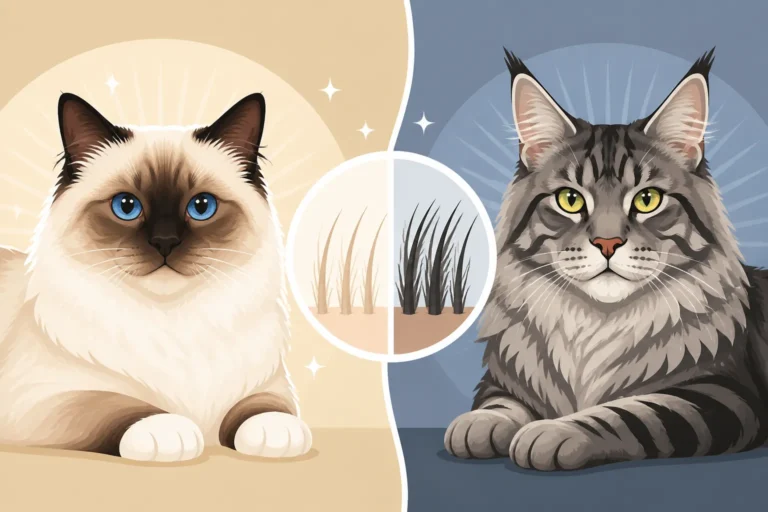
Birmans possess a beautiful, silky single coat, completely lacking a woolly undercoat, which makes them less prone to matting than some other longhaired breeds. However, their lovely long fur, especially their voluminous ruff and britches, can still pick up litter if they don't have enough room to maneuver cleanly. Why a Birman's Coat Carries Litter Out of the Box A small box forces them into tighter quarters, making it more likely their fur will brush against soiled areas or get caught in sticky litter.
This isn't just aesthetically unpleasing; it's a hygiene concern. Litter caught in fur can lead to skin irritation, further matting if not promptly removed, or even ingestion if the cat grooms it off. For Birmans with their signature white gloves, dirty litter can also lead to discoloration, requiring more frequent spot cleaning. Why a Birman's Gloves Go Yellow A larger box provides the necessary clearance, allowing them to complete their routine with minimal contact between their pristine coat and the litter.
Choosing the Right Fit: What to Look for in a Birman's Litter Box
So, how do you find that perfect potty paradise for your long-bodied Birman? It's not just about picking the biggest box on the shelf; there are specific dimensions and features that will make all the difference in their comfort and your home's cleanliness. Getting this right is a cornerstone of good Birman care.
The Golden Rule of Length and Width
The absolute golden rule for a Birman’s litter box is simple: it needs to be at least 1.5 times the length of your Birman, from nose to the base of their tail. This measurement ensures they can comfortably stand, turn a full circle, and dig without feeling cramped. Don't forget their magnificent plume of a tail, which also needs clearance! When your Birman is fully grown, they're a substantial cat, and a box designed for an average domestic short-hair just won't cut it.
Width is also important. While length is primary, a box that is too narrow will still make them feel enclosed. Aim for a width that allows them to comfortably crouch without their hips pressing against the sides. Many standard boxes are simply too short and narrow. When shopping, ignore the "standard" labels and look for "extra-large," "jumbo," or "dog litter pan" options. Sites like Chewy and Amazon often list specific dimensions, which is incredibly helpful.
Open vs. Covered Boxes
This is a hot topic among cat parents, and for Birmans, an open box often wins out, especially when considering length. While covered boxes seem appealing for odor control and containing kicked-out litter, they often present two major drawbacks for a Birman:
- Restricted Headroom: Many covered boxes have low ceilings. A Birman, even with their moderate height, can feel very cramped, especially when trying to stand up after burying waste. This can be claustrophobic and uncomfortable.
- Trapped Odors: Paradoxically, covered boxes can sometimes trap odors inside, making the environment unpleasant for the cat. Cats have a much stronger sense of smell than humans, and a stinky box, even if it seems contained to us, can deter them from using it.
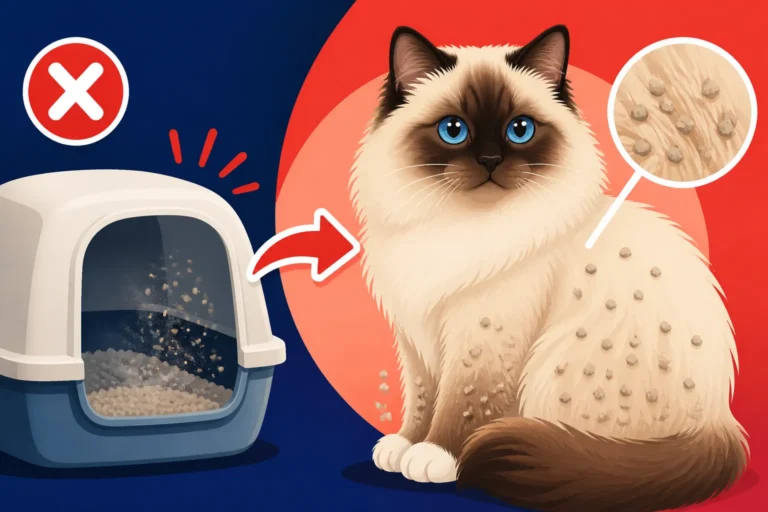
- Litter in Coat: Why a Covered Box Traps Litter in a Birman's Coat The enclosed nature of a hooded box means that any litter clinging to your Birman’s coat, particularly their ruff or britches, is more likely to be rubbed off inside the box, leading to more mess within the enclosure and potentially more frequent need for cleaning the box itself.
An open, extra-long storage tote or a dedicated extra-large litter pan is often a much better solution. You can mitigate kicked-out litter with higher sides or a litter mat around the entrance.
Higher Sides for Containing Litter
Since Birmans tend to be enthusiastic diggers and can kick litter quite a distance, higher-sided boxes are a fantastic choice, especially for open pans. This prevents litter from scattering across your floor, making cleanup easier for you. However, be mindful of the entrance height – a high-sided box should still have at least one side that's reasonably low for easy entry, particularly for kittens, older Birmans, or those with mobility issues.
Some extra-large storage containers, for example, have high sides all around. If you choose one of these, you might need to cut an entrance down on one side, ensuring the edges are smooth and safe for your cat. This offers the best of both worlds: plenty of length and width, plus good litter containment, without the claustrophobia of a hood.
Here’s a quick comparison of litter box types suitable for Birmans:
| Feature | Standard Box (Typical) | Extra-Large Open Pan | High-Sided Storage Bin (Modified) | Covered Litter Box |
|---|---|---|---|---|
| Length/Width | Often too small | Excellent | Excellent | Varies, often too short |
| Headroom | Good | Excellent | Excellent | Often restrictive |
| Litter Containment | Poor | Moderate | Excellent | Good (if entry low) |
| Comfort for Birman | Poor | Excellent | Excellent | Poor (can be cramped) |
| Cost | Low | Moderate | Low-Moderate | Moderate-High |
| Best For | Kittens (short term only) | Most adult Birmans | Messy diggers, multiple cats | Seldom ideal for Birmans |
Setting Up for Success: Placement, Type, and Maintenance
Once you've chosen the perfect long litter box for your Birman, the next steps involve strategic placement and a consistent cleaning routine. Even the best box won't be used if it's in the wrong spot or isn't kept immaculately clean. Remember, cats are fastidiously clean creatures.
Strategic Placement in Your Home
Where you put the litter box is almost as important as its size. Cats, including our gentle Birmans, need a sense of privacy and security when they relieve themselves. Imagine wanting to use the restroom but it’s in the middle of a busy hallway – not very appealing, right?
- Quiet, Low-Traffic Areas: Choose a spot that isn't directly in the main thoroughfare of your home. A quiet corner in a spare room, a laundry room (away from noisy appliances), or a dedicated cat room are ideal.
- Accessibility: Ensure the box is easily accessible for your Birman, especially if you have an older cat. Where a Birman Expects Its Boxes to Be Don't hide it in a basement corner if your senior Birman struggles with stairs. The fewer obstacles, the better.
- Away from Food and Water: Cats instinctively prefer to eat and eliminate in separate areas. Never place the litter box right next to their food and water bowls. It's simply unhygienic and unappetizing for them.
- Multiple Locations: For multi-cat households or larger homes, follow the "number of cats + 1" rule for litter boxes. So, if you have one Birman, aim for two boxes in different locations. This provides options and reduces potential territorial stress, even for laid-back Birmans.
The Right Litter for a Birman's Coat
Given a Birman's beautiful, flowing coat, the type of litter you use can make a big difference in hygiene and cleanliness. Dusty litter is the enemy of a pristine white glove and a healthy respiratory system.
- Low-Dust or Dust-Free: This is paramount. Fine dust can cling to their fur, irritate their airways, and simply make a mess. Opt for high-quality, low-dust clumping clay litter or alternative materials like corn, wheat, or paper pellets. Which Litter Suits a White Gloved Cat
- Soft on Paws: While most Birmans aren't overly particular, very coarse or sharp litters can be uncomfortable. Choose a fine-grained litter that mimics natural sand, as this is what cats instinctively prefer.
- Unscented: Heavily perfumed litters might appeal to our noses, but they can be overwhelming and off-putting for cats, whose sense of smell is far more acute. Stick to unscented varieties to avoid deterring your Birman from using the box.
- Clumping Power: Good clumping litter makes scooping easier and more effective, helping to keep the box cleaner between full changes. This is vital for maintaining a fresh environment.
Immaculate Maintenance Schedule
Even the biggest, best-placed litter box with the ideal litter will fail if it's not cleaned regularly. Cats are incredibly clean animals, and a dirty box is a primary reason for litter box aversion.
- Scoop Daily (at least once!): This is non-negotiable. Scoop solids and urine clumps at least once, preferably twice, a day. A clean box is inviting, a dirty one is repulsive.
- Change Litter Completely: Depending on the type of litter and the number of cats, a full litter change and washing of the box should happen every 2-4 weeks. Some litters, like silica gel, can last longer, but always prioritize freshness.
- Wash the Box: When you do a full litter change, don't just dump and refill. Thoroughly wash the litter box with mild, unscented soap and warm water. Avoid harsh chemicals or strong cleaning agents, as their residual scent can be off-putting. Allow it to dry completely before refilling.
- Monitor Litter Level: Keep the litter depth at 3-4 inches. This gives your Birman plenty of material to dig into and cover their waste effectively, satisfying their natural instincts. How Often to Change Litter for a White Footed Cat
Addressing Litter Box Aversion: When Your Birman is Reluctant to Go
Despite your best efforts, sometimes a Birman might still show reluctance or avoid their litter box. This can be incredibly frustrating, but it's important to approach it with patience and a detective's mindset. Litter box aversion is almost always a sign that something isn't quite right, and it's rarely about deliberate disobedience.
Rule Out Medical Issues First
Before you jump to behavioral conclusions, your very first step should always be a vet visit. Many medical conditions can manifest as inappropriate urination or defecation. Urinary tract infections (UTIs), kidney disease, bladder stones, diabetes, or even arthritis can make using the litter box painful or difficult. Why Birman Kidney Disease Is Watched From Middle Age
A Birman's placid temperament means they are often very good at hiding discomfort until it's quite advanced. Why a Quiet Birman Is Easy to Misread A thorough check-up, including a urinalysis and potentially blood work, can rule out these health concerns. If a medical issue is diagnosed, addressing it will likely resolve the litter box problem.
Observe and Identify Triggers
Once medical issues are ruled out, it's time to become a keen observer of your Birman's habits. Keep a diary of when and where accidents occur. Ask yourself:
- Is the box always clean? (See maintenance section above)
- Is it truly long enough? Have they grown since you bought the box?
- Is it accessible? Has new furniture blocked a path? Is there anything startling near it (e.g., a noisy appliance, a child’s toy that suddenly activates)?
- What type of litter are you using? Have you recently changed it? Cats can be very particular about litter texture and scent.
- Are there enough boxes? Remember the "number of cats + 1" rule. If you only have one cat but a multi-story home, ensure there's a box on each level.
- Have there been any recent changes? A new pet, a new person in the house, moving furniture, or even stress in the household can unsettle a sensitive Birman. Why a Birman Dislikes a New Piece of Furniture
Identifying patterns can provide crucial clues. For instance, if accidents only happen when you're gone for long periods, it might point to separation anxiety or a need for an additional box.
Implementing Solutions and Encouragement
Once you have a hypothesis about the cause, you can start implementing solutions.
- Upgrade the Box: If you suspect size is the issue (which it often is for Birmans), invest in the longest, widest open-top box you can find. Don't be afraid to repurpose large, clear storage bins as mentioned earlier.
- Experiment with Litter: If your cat seems averse to the litter, try offering a second box with a different type of litter next to the original one. See which they prefer. Gradually transition to their preferred type if you need to make a change.
- Positive Reinforcement: Never punish your Birman for accidents. They won't understand why and it will only increase their stress and fear. Instead, focus on positive reinforcement. When you see them use the litter box appropriately, offer gentle praise or a small, healthy treat.
- Clean Accidents Thoroughly: Use an enzymatic cleaner specifically designed to neutralize pet odors. If any lingering scent remains, your Birman is more likely to return to that spot for future accidents.
- Reduce Stress: Provide plenty of secure, high places for your Birman to retreat to if they feel overwhelmed. Ensure they have consistent routines, and if major changes are happening, slowly introduce them. Pheromone diffusers can also be helpful for some cats in reducing general anxiety. Whether Pheromone Diffusers Help a Birman
By paying close attention to your Birman's unique physical needs and their innate instincts, you can create a litter box setup that keeps them comfortable, healthy, and happy, ensuring a harmonious home for both of you.
Disclaimer
This article is for general informational purposes only and does not constitute professional advice. Laws, prices and regulations vary by location and change over time. Consult a qualified professional for guidance on your specific situation.