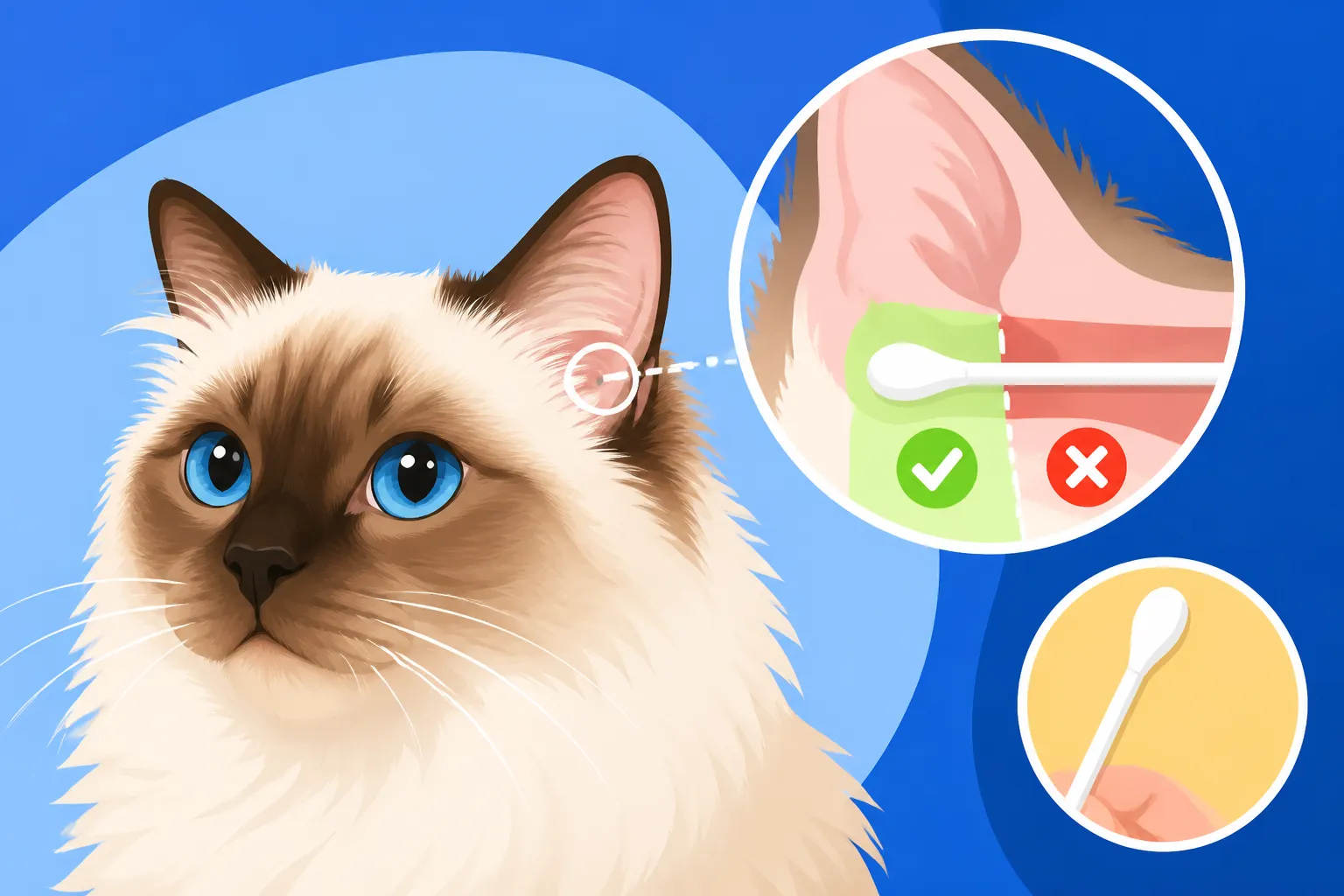
How Far Into a Birman’s Ear It Is Safe to Go
It’s a common worry for us Birman parents, isn't it? You know your sweet-natured companion needs a little help with their grooming, especially around those delicate ears, but the thought of going too far and hurting them is enough to make anyone hesitate. This guide is all about demystifying Birman ear cleaning, showing you exactly how far is safe to go, and empowering you to care for your furry friend with confidence.
Understanding Your Birman's Delicate Ear Anatomy
Before we even think about touching those lovely ears, it’s really important to understand what’s going on inside them. Unlike our relatively straight ear canals, a cat’s ear canal takes a bit of a turn. This unique structure is fascinating but also explains why certain cleaning methods can be problematic.
Why a Birman's Ear Canal is Different from Ours
Imagine an "L" shape. That's essentially what your Birman's ear canal looks like. It starts vertically and then takes a sharp horizontal turn towards the eardrum. This design is fantastic for protecting the delicate inner ear structures from external debris and trauma, but it also means that anything you insert too deeply can easily get stuck or cause damage at that bend. It’s not a straight shot to the eardrum like it is for us. This anatomical difference is why you can’t just go poking around without understanding the risks involved.
Because of this L-shape, debris and wax have a natural tendency to accumulate at the bend, making it a common spot for problems if not managed correctly. However, trying to reach this bend with a cotton swab is not the answer. You’re far more likely to push the debris deeper into the horizontal canal, creating a plug that can trap moisture and lead to infections. The design is protective, but also requires a specific approach to cleaning to avoid doing more harm than good.
The Risks of Going Too Deep
The primary risk of inserting anything too far into your Birman's ear is perforating the eardrum. This tiny, delicate membrane is essential for hearing, and damage to it can lead to pain, infection, and even permanent hearing loss. Beyond the eardrum, there are sensitive structures involved in balance and further hearing. Even if you don't perforate the eardrum, pushing wax and debris further into the ear canal can create blockages. These blockages prevent air circulation, trap moisture, and become a breeding ground for bacteria and yeast, leading to painful ear infections.
Moreover, a traumatic cleaning experience can make your gentle Birman incredibly fearful of future ear handling. This makes routine checks and necessary treatments much harder down the line. We want our cats to trust us, especially when it comes to routine care. A single bad experience can erase weeks or months of positive conditioning, turning a simple grooming task into a wrestling match, which is definitely not ideal for a Why a Placid Birman Hides Pain. The goal is always gentle, effective care that your Birman tolerates, if not enjoys.
What You Can See vs. What You Shouldn't Touch
Here’s the golden rule for Birman ear cleaning: only clean what you can clearly see. This typically means the outer ear flap (the pinna) and the very entrance of the ear canal. When you gently fold back your Birman's ear, you'll see a small, visible opening leading down. That’s your safe zone. Any part of the canal that disappears from view is strictly off-limits for manual insertion of tools.
Think of it this way: if you can't see exactly where the tip of your cleaning tool is going, you shouldn't be putting it there. Your finger wrapped in a soft cotton ball, or a cotton pad, is usually the safest tool for this visible area. Anything beyond that visible opening should be handled by an ear cleaning solution, designed to break down wax safely, or by a veterinarian who has the proper tools and training to navigate the L-shaped canal without causing damage. It’s about respecting the natural boundaries of your cat’s anatomy.
The Right Tools and Techniques for Safe Birman Ear Cleaning
Now that we understand the "why" behind the caution, let's dive into the "how." It’s all about selecting the right products and employing a gentle, superficial approach. You want to make this a positive experience for your Birman, not a dreaded one.
Gathering Your Gentle Ear Cleaning Arsenal
When it comes to cleaning your Birman's ears, simplicity and safety are key. Forget the cotton swabs (Q-tips are a definite no-no for inside the ear canal for cats, just like they are for human children). Instead, you'll need a few essential items. First, a vet-approved ear cleaning solution designed for cats. These solutions are formulated to be gentle, to break down wax, and often contain agents that help dry the ear canal and prevent bacterial or yeast growth. You can often find these at your vet's office, or through online retailers like Chewy or Amazon, but always check with your vet for a recommendation.
Next, you'll need soft cotton balls or gauze pads. These are perfect because they are absorbent and conform to the outer contours of the ear without being rigid enough to cause harm if accidentally inserted too far. Some people even like to use facial cotton rounds. Avoid anything that sheds fibers easily, as you don't want to leave lint behind in the ear. Finally, a few treats for positive reinforcement are always a good idea! This helps create a pleasant association with the cleaning process.
The "See and Wipe" Method for Birman Ears
This is the safest and most effective method for cleaning your Birman's ears at home.
- Gather Your Supplies: Have your ear cleaner, cotton balls/pads, and treats ready. Find a quiet, well-lit spot where your Birman feels secure. A comfortable lap or a sturdy table can work.
- Inspect First: Gently fold back your Birman's ear flap. Take a good look at the outer ear and the visible part of the canal. Is there redness, excessive wax, or a foul odor? (We’ll talk more about what to look for in the next section, but this initial check is important). This is where your knowledge of What a Birman's Ear Wax Should Look Like comes in handy.
- Apply Cleaner: If the ear looks okay for home cleaning, apply a small amount of the vet-approved ear cleaner into the visible ear canal. Don't plunge the bottle deep into the ear; just get the liquid into the opening. Follow the instructions on the cleaner bottle for the correct amount.
- Massage: Gently massage the base of your Birman's ear for about 20-30 seconds. You might hear a squishing sound, which means the cleaner is working its way down the L-shaped canal. This helps dislodge wax and debris.
- Let Them Shake (Carefully!): Your Birman will likely want to shake their head after this. Allow them to do so, but be prepared with a towel if you want to protect your furniture (or yourself!) from flying debris and ear cleaner.
- Wipe the Visible Areas: Take a clean cotton ball or pad and gently wipe out any visible wax, dirt, or excess cleaner from the outer ear flap and the very entrance of the ear canal. Remember, only wipe what you can see. Do not try to go deep into the canal with the cotton ball or your finger. Use fresh cotton for each ear.
- Reward: Offer praise, cuddles, and a treat. This helps reinforce that ear cleaning isn't a scary ordeal.
Remember, the goal is not to get every speck of wax out; it's to remove excess buildup from the visible parts and let the cleaning solution do its job deeper inside. You should be especially gentle when you are Cleaning a Birman's Ears Without Touching the Ruff.
When to Seek Professional Help
There are definite red flags that tell you it’s time to call the vet and not attempt home cleaning. If you notice any of the following, your Birman needs a professional diagnosis and treatment:
- Excessive redness or swelling in or around the ear.
- Foul odor: A healthy ear has little to no smell. A strong, yeasty, or unpleasant odor is a sign of infection.
- Dark brown, black, or yellowish discharge: While some dark wax is normal, excessive amounts, especially if it looks like coffee grounds (a common sign of ear mites), warrants a vet visit.
- Pain or sensitivity: If your Birman cries out, flinches, or acts aggressively when you try to touch their ear, they are in pain. Don't force cleaning. This is especially important for What a Quiet Birman Is Easy to Misread, as they often hide discomfort.
- Head shaking or pawing at the ear: These are classic signs of discomfort or itchiness.
- Tilting the head: Persistent head tilting can indicate a serious inner ear problem.
- Loss of balance: If your Birman seems dizzy or uncoordinated, seek immediate veterinary attention.
- Hearing loss: If you notice a sudden change in your Birman's responsiveness to sounds, it could be an ear issue.
Even if you’re just unsure, a quick call to your vet is always the best course of action. They can safely examine the ear canal with an otoscope, properly diagnose any issues, and prescribe appropriate medication. Never try to treat an ear infection with home remedies, as this can worsen the problem or delay proper treatment.
| Practice | Safe for Birman Ears | Unsafe for Birman Ears |
|---|---|---|
| Tools | Cotton balls, gauze pads, vet-approved cleaner | Cotton swabs (Q-tips), sharp objects, tweezers |
| Depth | Only the outer ear flap and visible entrance | Deep into the ear canal, beyond visible sight |
| Technique | Gentle wiping, massaging cleaner at ear base | Vigorous scrubbing, forcing objects into the canal |
| Frequency | As needed, usually once every few weeks if healthy | Daily cleaning without cause, ignoring signs of pain |
| Goal | Removing visible debris, gentle maintenance | Eliminating all wax, attempting to "cure" infections |
| When to stop | If cat shows discomfort, ear appears inflamed | Only when ear looks "perfect" regardless of cat's pain |
Recognizing Normal vs. Abnormal Birman Ear Health
Being proactive means knowing what to look for. Regularly checking your Birman’s ears can help you catch potential problems early, often before they become serious or painful infections. These gentle giants, as we know, are champions at hiding discomfort, so it's up to us to be vigilant.
What a Healthy Birman Ear Looks Like and Smells Like
A healthy Birman ear should generally look clean, pink, and have no noticeable odor. The skin inside the ear flap should be smooth and free of redness, swelling, or crusts. There might be a small amount of light brown or reddish-brown waxy buildup, which is completely normal. This wax is a natural protective mechanism, trapping dirt and dust. It shouldn’t be excessive, however, and certainly shouldn’t be dark black or smell pungent.
Think of it like this: if you can barely detect a faint, slightly waxy scent, that’s usually fine. Anything strong, cheesy, sweet, or distinctly unpleasant is a red flag. Your Birman’s ear fur, especially around the edges of the ear, should be soft and clean. There shouldn't be any sticky residue or matted fur near the opening of the ear canal. Getting familiar with your individual Birman's healthy ear will make it much easier to spot when something is amiss.
Telltale Signs of Ear Trouble in Your Birman
As loving Birman guardians, we need to be detectives. Our Birmans are known for their placid, tolerant nature, which often means they'll endure discomfort silently until a problem is quite advanced. This is why paying attention to subtle cues is so crucial. A persistent head tilt, even a slight one, can be a sign. Watch for excessive scratching around the ears or frequent head shaking, even if it's just a quick flick of the head. These actions are your Birman's way of telling you something is irritating them.
Beyond the actions, visually inspect the ears for any redness or swelling, especially inside the ear flap. Look for any discharge – it could be yellow, green, black, or dark brown and crusty. A strong, unpleasant odor emanating from the ear is almost always a sign of infection. If your Birman resists you touching their ears, or cries out, that pain is a definite indicator that something is wrong. They might also show changes in behavior, becoming more withdrawn or less interested in play, which can be a sign of general discomfort, as noted in What a Withdrawn Birman Is Telling You. Early detection is really the best defense against these issues.
The Importance of Regular Ear Checks
Making ear checks a routine part of your Birman's care regimen is one of the kindest things you can do for them. These checks don’t need to be daily, but a quick visual inspection and a sniff test once a week or every couple of weeks can make all the difference. This routine familiarizes your Birman with having their ears handled, making future cleanings or vet examinations much less stressful for both of you. It's similar to the importance of Why a Birman's Eyes Should Be Checked at Every Visit.
During these checks, gently fold back the ear flap, take a peek inside, and give it a quick sniff. If everything looks and smells normal, great! If you spot any minor dirt or superficial wax, that's when you can proceed with your gentle "see and wipe" cleaning method. If you see anything concerning, however, that's your cue to make that vet appointment. Regular checks mean you’re more likely to catch things like the start of an infection or the presence of ear mites (which are especially important to identify, as discussed in Whether a Birman Gets Ear Mites Indoors) before they become full-blown, painful problems for your beloved cat.
Preventing Ear Issues in Your Birman
Prevention is always better than cure, especially when it comes to those delicate Birman ears. A holistic approach that includes general hygiene, environmental awareness, and a good diet can go a long way in keeping ear problems at bay.
Maintaining Overall Hygiene for Ear Health
Good overall hygiene contributes significantly to your Birman's ear health. This includes regular grooming of their beautiful, silky coat. While Birmans don't have a dense undercoat, their long hair around the ears (the ruff) can sometimes trap dirt or get matted, creating a breeding ground for bacteria that could potentially migrate to the ear canal. Regular, gentle combing helps keep this area clean and free of tangles. It's not just about aesthetics; it's about preventing skin issues that could lead to ear problems.
Think about how you already care for other parts of your Birman, like How to Get a Birman Used to a Comb or how you might tackle How Dental Disease Progresses in a Birman. All these small acts of regular care build up to a healthier, happier cat. Keeping your Birman clean also means less overall dirt for them to track, which could inadvertently end up near their ears during self-grooming. A clean environment for your cat means a cleaner cat overall, reducing the chances of various irritants causing problems.
Environmental Factors and Your Birman's Ears
Your Birman's living environment plays a subtle but important role in their ear health. Dust and allergens in the home can irritate sensitive ears, sometimes leading to inflammation that makes them more susceptible to infection. Regular vacuuming and dusting, especially in areas where your Birman likes to nap, can help minimize airborne irritants. Consider using air purifiers if you live in a particularly dusty or allergy-prone area.
Humidity can also be a factor. While Birmans are indoor cats and generally protected from extreme weather, high indoor humidity combined with inadequate air circulation can create a damp environment that encourages yeast growth in the ears. Ensure good ventilation in your home. If your Birman has a tendency towards environmental allergies, managing those through veterinary guidance will also indirectly support healthier ears. For example, if your Birman has sensitive skin that reacts to certain environmental triggers, those reactions can sometimes extend to the ears.
The Role of Diet in Ear Health
While diet isn't usually the direct cause of ear infections, a high-quality, balanced diet supports your Birman's overall immune system and skin health, which in turn contributes to healthy ears. Cats with food sensitivities or allergies might manifest symptoms as skin irritation, which can sometimes extend to the ears, causing itchiness, inflammation, and secondary infections. If your Birman experiences chronic ear issues that don't seem to respond to typical treatments, discussing a dietary change with your vet might be worthwhile to rule out food allergies.
Ensuring your Birman is well-hydrated is also generally good for their bodily functions, including healthy skin and mucosal membranes throughout the body. While it won’t prevent all ear problems, a cat that is thriving on a nutritious diet with adequate water intake (remember, it's always good to monitor How Much Water a Birman Should Get Through in a Day) will simply have a more robust immune system, making them better equipped to fight off minor irritations before they escalate into full-blown infections.
Caring for your Birman’s ears doesn’t have to be a scary or complicated task. By understanding their unique anatomy, using the right gentle techniques, knowing when to call your vet, and practicing good preventative care, you can help ensure your beautiful companion enjoys optimal ear health throughout their long, happy life with you.
Disclaimer
This article is for general informational purposes only and does not constitute professional advice. Laws, prices and regulations vary by location and change over time. Consult a qualified professional for guidance on your specific situation.