Whether a Birman Gets Ear Mites Indoors
One of the most common worries I hear from Birman parents, especially those with exclusively indoor cats, is whether their beloved furball is truly safe from all the nasty little parasites out there. It’s a completely natural concern, wanting to protect our gentle companions from every possible harm. Today, we're diving deep into a specific culprit – ear mites – and tackling the misconception that simply keeping your Birman indoors is enough to prevent them. We’ll cover how these pesky mites can still find their way into your home, how to spot the signs, and what you can do to keep your Birman’s ears healthy and happy.
The Sneaky Ways Ear Mites Infiltrate Even Indoor Birman Lives
It’s easy to think that if your Birman never sets a paw outside, they're in a hermetically sealed bubble, safe from all the creepy crawlies of the world. Oh, how I wish that were true! But the reality is a bit more complicated, and ear mites, those tiny, eight-legged arachnids, are incredibly adept at finding a way in. They don't need an open door or a daring escape to hitch a ride into your home and onto your unsuspecting Birman.
The Myth of the "Completely Safe" Indoor Cat
Let's be honest, we love to brag about our indoor-only cats being safe from traffic, predators, and all sorts of outdoor diseases. And for many things, that's absolutely true and a huge benefit for a breed as trusting and beautiful as the Birman. But when it comes to parasites like ear mites, the "indoor only" label provides a false sense of security. These mites are highly contagious from cat to cat, and it only takes a brief, indirect encounter for them to transfer. They don't discriminate between a barn cat and a pampered Birman who hasn't seen grass in years. A quick brush against an infected animal, or even contact with bedding where an infected animal has rested, can be enough.
It's heartbreaking to see a diligent owner, who has done everything right, suddenly find their precious Birman shaking its head and scratching its ears. They often exclaim, "But he never goes outside!" And I get it. It feels like a betrayal of all your efforts. But this isn't a failure on your part; it's simply a testament to how persistent and small these invaders are. Your Birman’s placid temperament means they might even tolerate the initial discomfort longer than a more vocal cat, making early detection a little trickier sometimes. Remember, Why a Quiet Birman Is Easy to Misread applies to health issues too.
How Mites Find Their Way Inside
So, if your Birman isn't venturing out, how do these tiny terrors get in? Think of them as hitchhikers. The most common vectors are:
- Other Pets: This is probably the number one culprit. Did you recently adopt a new kitten or a rescue cat? Even if they appear healthy, they could be asymptomatic carriers or harbor a low-grade infestation that flares up under stress. A brief playdate with a neighbor's dog or cat, even if it's just in your yard, can transmit mites. Dogs can get ear mites too, and while it's less common for them to show severe symptoms, they can easily pass them to your cat.
- Humans as Carriers: Yes, you, the loving Birman parent, can inadvertently bring mites home! If you've petted a stray cat, visited a friend with a new pet, volunteered at a shelter, or even just brushed against vegetation where an infected animal has recently been, a mite could cling to your clothes or hands. It's rare for humans to host ear mites, but we can certainly be temporary transportation.
- Contaminated Items: While mites prefer a live host, they can survive for a short time (a few days to a week) off a body. This means shared blankets, brushes, pet carriers, or even items brought in from outside that have come into contact with an infected animal can be a source. Imagine buying a second-hand cat tree or a new toy from a pet store that had been handled by an infected animal – unlikely, but not impossible.
It’s a stark reminder that our homes, however clean, are not impenetrable fortresses against microscopic life. A Birman, with its beautiful, soft coat, might even provide ample opportunity for a mite to transfer unnoticed.
The Resilient Nature of Otodectes cynotis
The specific type of ear mite that most commonly affects cats (and dogs) is Otodectes cynotis. These little critters are microscopic, meaning you won't see them with the naked eye, but they're incredibly tough and dedicated to their mission of living in your pet's ear canals.
They complete their entire life cycle – from egg to larva to nymph to adult – within about three weeks, all while burrowing and feeding on skin debris and ear wax inside the ear. What makes them particularly insidious is their resilience. They can survive off a host for several days, sometimes up to a week, in the right environmental conditions (like a nice, cozy carpet or a favorite blanket). This extended survival time is why simply treating the cat isn't always enough; you often need to address the environment too. If you’ve just brought a new carrier into the home, for instance, consider giving it a thorough cleaning, especially if it came from an unknown source.
Recognizing the Signs of Ear Mites in Your Birman
Because your Birman has such a wonderfully calm and gentle disposition, they might try to hide discomfort longer than some more demonstrative breeds. This makes it extra important for you to be vigilant and know what signs to look for. Regularly checking your Birman’s ears should be part of your routine grooming, especially given that How Often a Birman With Clear Papers Still Needs a Vet involves regular physical exams where these things would be checked.
The Tell-Tale Dark, Crumbly Discharge
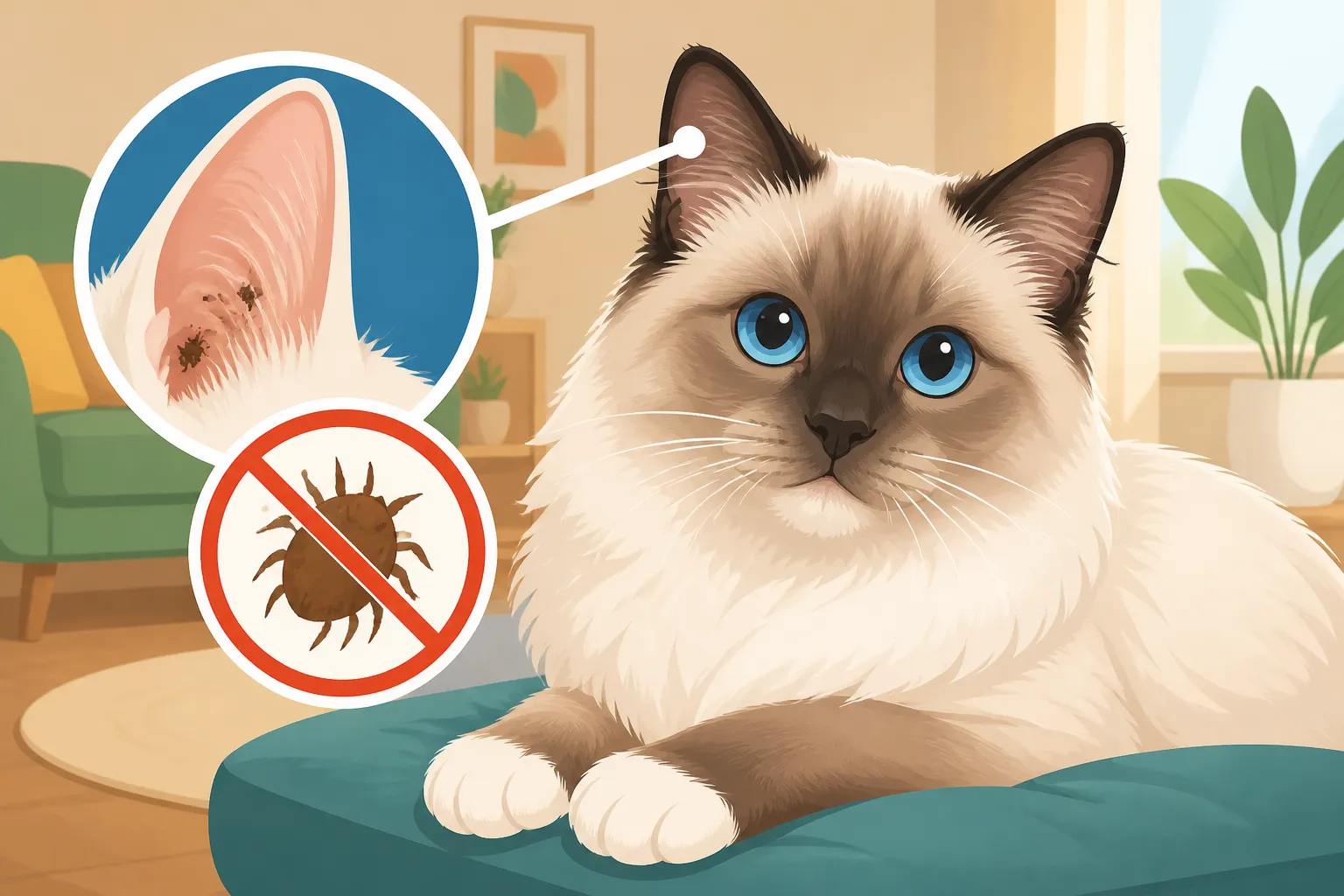
This is the classic, almost undeniable sign of ear mites. When you look into your Birman's ear canal, you might see a substance that looks a lot like coffee grounds or dark, dry dirt. This isn’t just dirt from them rolling around; it’s a mixture of ear wax, blood, skin debris, and, yes, the mites themselves and their droppings.
The discharge is usually dark brown or black, dry, and has a crumbly texture. If you gently try to wipe some out with a cotton ball (only the outer ear, never poke anything down the canal!), it will look granular, almost like fine soil. This gunk is irritating to the sensitive skin inside the ear, which is why your Birman will be trying so hard to get rid of it. The sheer volume of this debris can be surprising, even in a relatively clean ear, and it’s a strong indicator that something is amiss beyond regular ear wax. What a Birman's Ear Wax Should Look Like is typically light brown and relatively smooth, so anything darker and crumbly is a red flag.
Excessive Scratching and Head Shaking
Imagine having an itchy, tickly feeling deep in your ear that you just can’t reach. That’s what your Birman is experiencing! Naturally, they’ll try to relieve this intense irritation. You’ll notice an increase in scratching around their ears, often quite vigorously. They might even use their back paws to scratch so hard that they can break the skin, leading to secondary infections or hair loss around the ear and neck.
Beyond scratching, head shaking is another very common symptom. Your Birman might suddenly jerk its head, tilt it to one side, or shake it repeatedly, as if trying to dislodge something annoying. This isn't just a quirky habit; it's a clear signal of discomfort. The head shaking can sometimes be so intense that it can lead to aural hematomas – a collection of blood between the skin and cartilage of the ear flap – which are painful and require veterinary intervention. So, if you see consistent head shaking, especially paired with scratching, it's time to investigate further.
Redness, Inflammation, and Secondary Infections
If ear mites go untreated, the constant irritation and scratching can lead to more serious issues. The delicate skin inside your Birman’s ear can become red, swollen, and inflamed. You might even notice some crusting or scabbing around the ear opening due to the incessant scratching.
Because the skin is compromised, it becomes an open invitation for bacteria or yeast to move in. This leads to secondary infections, which complicate the situation and make your Birman even more miserable. A bacterial infection might cause a foul odor from the ear, or a yellowish, pus-like discharge, which is different from the dry, dark mite debris. Yeast infections, often characterized by a sweet or "yeasty" smell, can also take hold. These secondary infections are much harder to treat without first addressing the underlying mite problem. Therefore, don’t try to guess what’s going on – if you see any of these signs, a vet visit is paramount.
Diagnosing and Treating Ear Mites Effectively
If you suspect ear mites, your first and most crucial step is a trip to the veterinarian. Please don't try to self-diagnose or use over-the-counter remedies without professional guidance. It's truly not worth the risk, especially with your Birman's gentle nature, which might mask the severity of the irritation.
The Importance of a Vet Visit
Only a veterinarian can definitively diagnose ear mites. They have the right tools and expertise to properly examine your Birman's ears. During the examination, the vet will likely use an otoscope to look deep into the ear canal, checking for mites or other abnormalities. They will often take a sample of the ear discharge and examine it under a microscope. This is where the diagnosis becomes clear: Otodectes cynotis mites are easily visible under magnification, wiggling around in the sample.
This step is vital because many other conditions can mimic ear mite symptoms, such as bacterial or yeast infections (which can also occur as secondary issues with mites), allergies, or even foreign objects lodged in the ear. Without a proper diagnosis, you could be treating the wrong problem, prolonging your Birman's discomfort and potentially making the actual issue worse. Your vet will also check for any damage caused by scratching, like aural hematomas, and address them appropriately.
Treatment Options for Ear Mites
Once ear mites are confirmed, your vet will prescribe the most effective treatment. There are several excellent options available today, far more advanced than the messy drops of years past.
- Topical Medications: These are usually drops that are applied directly into the ear canal. They contain specific antiparasitic agents that kill the mites. The challenge here can be consistency and getting the medication deep enough, especially with a squirmy cat. It often requires daily application for a week or more. While your Birman is generally quite cooperative, even they might grow tired of daily ear drops.
- Systemic Medications: These are often the easiest and most effective. Your vet might prescribe a spot-on treatment (applied to the skin between the shoulder blades) or an oral medication that works throughout your cat's system to kill mites. These are particularly good for ensuring all mites are eliminated, including any that have wandered outside the ear canal, and for treating multiple pets in a household simultaneously. Many of these treatments also cover other parasites, like fleas.
- Ear Cleaning: Regardless of the primary medication, your vet will likely recommend thoroughly cleaning your Birman's ears to remove the crusts and debris. This helps the medication penetrate better and provides immediate relief. Your vet might do the first deep clean, and then instruct you on how to continue gentle cleaning at home. Remember to ask How Far Into a Birman's Ear It Is Safe to Go during this instruction.
It’s absolutely crucial to follow your vet’s instructions to the letter, completing the entire course of treatment, even if your Birman seems better after a few days. Stopping early can lead to a recurrence of the infestation.
Treating the Environment and Other Pets
Ear mites are highly contagious, so if one cat has them, it’s highly probable that any other cats or even dogs in the household do too, even if they aren't showing symptoms yet. It’s always best to treat all pets in the home at the same time to prevent re-infestation. Your vet will advise on the best protocol for this.
Beyond the pets, the environment also needs attention. Remember, mites can survive off a host for a few days. This means any bedding, toys, or grooming tools that your Birman (or other pets) have used should be thoroughly cleaned. Wash all bedding in hot water and dry it on a high heat setting. Hard surfaces can be cleaned with regular household disinfectants. While products for mite control in the environment are less common than for fleas, good hygiene goes a long way. If you need new brushes or specific cleaning supplies for pet areas, sites like Amazon or Chewy are excellent resources.
| How Mites Get In | Preventative Action |
|---|---|
| New Pet Introduction | Vet check for all new pets before introducing to resident cats; quarantine period. |
| Contact with Outdoor Animals (indirect) | Keep Birman strictly indoors; limit contact with other animals if unsure of health status. |
| Human Transfer (clothes, hands) | Wash hands after petting unfamiliar animals; change clothes if direct contact with strays. |
| Contaminated Objects (bedding, carriers, toys) | Thoroughly clean or replace second-hand pet items; wash pet bedding regularly. |
| Outdoor Access for Other Household Pets | Ensure all household pets (cats, dogs) are on regular parasite prevention. |
Preventative Measures for Your Indoor Birman
While it might feel like ear mites are an invisible enemy, there are definitely proactive steps you can take to minimize the risk for your beautiful Birman. Prevention is always better than cure, and these habits will contribute to your Birman's overall well-being.
Regular Ear Checks and Grooming
This is probably the simplest yet most effective preventative measure. Get into the habit of gently checking your Birman’s ears regularly, perhaps during your weekly grooming sessions. With their single, silky coat, Birmans don't require extensive daily brushing like some other longhairs, but a quick comb-through a few times a week and a peek at their ears can catch issues early. How to Get a Birman Used to a Comb also means getting them used to general handling, including their ears.
Gently fold back the ear flap and look inside. What you're looking for is the absence of that dark, crumbly discharge. The inner ear should be clean, pale pink, and largely free of strong odor. If you see excessive wax, redness, or notice any changes in odor, it's a good time to call your vet. Caring for a Birman Once Its Points Have Gone Dark doesn’t just mean noticing coat changes, but also being attentive to overall health, and ear checks are part of that. Catching mites early means less discomfort for your Birman and a quicker, easier treatment process.
Vigilance with New Pets and Outdoor Exposure
As we discussed, new pets are a primary vector for mites. If you're bringing a new cat or kitten into your home, especially if it's a rescue or from a multi-cat environment, it's prudent to have them thoroughly vetted, including an ear check for mites, before they interact with your resident Birman. A temporary quarantine period for a new arrival can save a lot of headaches and vet bills later.
Even if your Birman is strictly indoors, be mindful of any other pets you have that do go outside. If you have a dog that frequently interacts with other animals, ensure they are on a comprehensive parasite prevention regimen, as dogs can harbor and transmit mites. Likewise, if your Birman ever has a "playdate" with another cat, even if it's just in a secure outdoor enclosure like a catio, make sure that cat is also clear of parasites.
Maintaining a Clean Living Space
General household hygiene plays a role, albeit a smaller one compared to direct contact. While mites don't live long off a host, a clean environment can help reduce the chance of any rogue mites finding their way onto your Birman. Regularly vacuuming carpets, washing pet bedding, and cleaning shared pet spaces (like cat trees or scratching posts) helps remove any potential mite hitchhikers or eggs.
Think of it as simply good pet parenting! You’re already doing so much to provide a safe and loving home for your Birman, from choosing nutritious food to ensuring they have stimulating toys. Adding ear health checks and a bit of extra vigilance regarding potential parasite entry points is just another way to show them how much you care. And remember, How Often a Birman's Narrow Jaw Needs a Scale and Polish reminds us that regular care is key for all aspects of your Birman’s health.
Taking these proactive steps will greatly reduce the chances of your precious Birman ever having to deal with the discomfort of ear mites. It's all about being informed, being observant, and working closely with your veterinarian to ensure your Birman lives a long, healthy, and itch-free life!
Disclaimer
This article is for general informational purposes only and does not constitute professional advice. Laws, prices and regulations vary by location and change over time. Consult a qualified professional for guidance on your specific situation.