How to Keep a Birman’s Rear Clean
Let's be honest, Birman parents: those gorgeous, flowing "britches" around their rear are a sight to behold… until they aren't. Keeping a Birman's rear immaculately clean can feel like an unending battle against gravity, nature, and sometimes, their own blissful ignorance of cleanliness. If you've ever found yourself meticulously grooming a little "cling-on" situation, or despairing over discolored fur around your Birman's behind, you're absolutely not alone. This guide is here to walk you through understanding why it happens, how to prevent it, and the best ways to tackle it when it inevitably does.
Understanding the Birman's Coat and Why It Gets Dirty
The Birman cat is truly a study in elegance, with a coat that feels like spun silk. But this very characteristic, combined with their unique physical traits and typical habits, can lead to a surprisingly messy situation around their hindquarters. It’s not just about long hair; it’s about the type of long hair and how it interacts with daily life.
The Silky, Single Coat Challenge
Unlike many other long-haired breeds, the Birman boasts a single coat. This means they lack the dense, woolly undercoat that often traps loose hair and provides insulation. While this single coat is fantastic for reducing matting and making general grooming much easier – truly, it feels like it just glides through your fingers – it presents a specific challenge around the rear. The long, fine, silky guard hairs can easily pick up and cling to anything, and by anything, I mean stray bits of litter, or even worse, a bit of fecal matter that didn't quite drop clean.
Imagine silk threads. They're beautiful and flowy, but if something sticky touches them, it's going to stick. That's essentially what happens with your Birman's britches. A tiny bit of wet or soft stool can get caught in those delicate hairs, then dry, creating a crusty mess or a stubborn stain. This isn't usually a problem for shorthaired cats whose fur is too short to catch anything, but for a Birman, it's a constant consideration. Furthermore, the sheer length of the fur can create a "landing strip" effect, making it more likely for things to transfer to the fur rather than falling cleanly away.
Anatomy and Habits: A Perfect Storm for Mess
Birmans are generally medium to large cats with a long, rectangular body. While this makes them magnificent to look at, it can also mean that their hind legs and rear are sometimes a little less accessible for thorough self-grooming. Their placid, gentle temperament, which we adore, sometimes translates into less vigorous self-cleaning than a more fastidious or high-energy breed. They might do a quick tidy-up, but miss those crucial spots deep within their voluminous "pantaloons."
Also, consider how a cat positions itself in the litter box. A Birman, with its substantial length, might sometimes brush its britches against the sides of the box or even in contaminated litter as it exits. If the litter box isn't big enough, or if they squat in an awkward way, it increases the chances of contact with their own waste. This isn't laziness on their part; it’s simply a combination of their physical attributes and natural behaviors that, unfortunately, aren't always conducive to spotless rear hygiene. This makes it doubly important for us as their caregivers to step in with preventative measures.
Proactive Measures to Prevent a Dirty Rear
Prevention is always better than cure, especially when it comes to keeping your Birman's rear clean. A few simple, consistent habits can save you a lot of headache (and messy clean-up jobs) down the line. It's about creating an environment and routine that supports their natural elegance.
Regular Grooming and Trimming
The first line of defense against a dirty Birman rear is regular and targeted grooming. While their single coat means fewer mats overall, the fur around their hindquarters, often called the "britches" or "pantaloons," still benefits from extra attention.
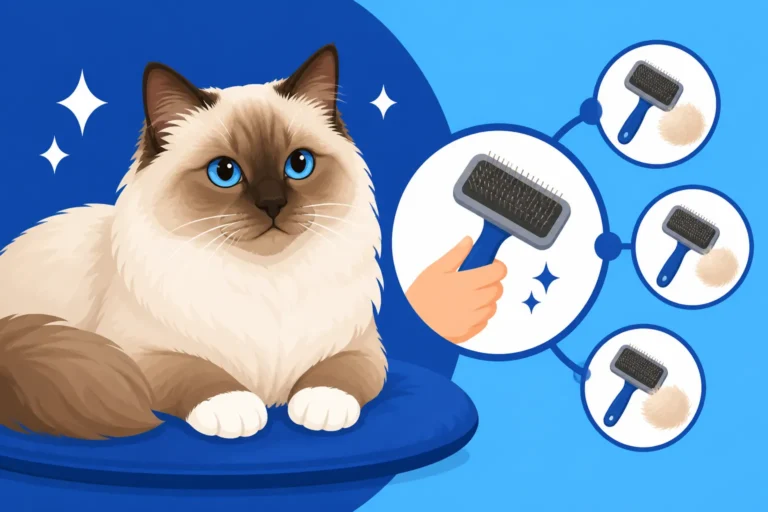
Aim for a daily or at least every-other-day comb-through of this area. Use a good quality metal comb with both wide and narrow teeth. Gently work through the fur, checking for any debris or tiny tangles that could escalate into a sticky situation. If you find something, work it out carefully. Remember, the Birman's skin is delicate, and you don't want to pull. How to Get a Mat Out of a Birman's Coat
Beyond daily combing, a hygiene clip is a game-changer. This involves carefully trimming the fur around the anus and vulva/penis to create a shorter, cleaner area where waste is less likely to cling. Here’s how to do it safely:
- Gather Supplies: You'll need a pair of blunt-nosed grooming scissors (safety first!), a comb, and perhaps a treat or two to reward your Birman for their cooperation.
- Positioning: Have your Birman lie on their side or stand calmly on a non-slip surface. If they are particularly wriggly, consider having a second person gently hold them and offer reassurance.
- The Trim: Gently pull the tail up and away from the body. Using your comb, carefully separate the fur around the opening. With your blunt-nosed scissors, trim the fur in this small area. Always trim away from the skin, holding the fur taut and being acutely aware of where the skin is. You're aiming to create a neat, short patch, maybe an inch or so long, that allows waste to fall clear without obstruction. It doesn't need to be perfectly symmetrical; functionality is key here.
- Frequency: Depending on how fast your Birman's fur grows, you might need to perform this hygiene clip every 4-8 weeks. It's a quick job once you get the hang of it, and it makes a world of difference.
Litter Box Management
The humble litter box plays a far bigger role in rear hygiene than many owners realize. The right setup and diligent cleaning can significantly reduce the chances of your Birman picking up unwanted guests on their britches.
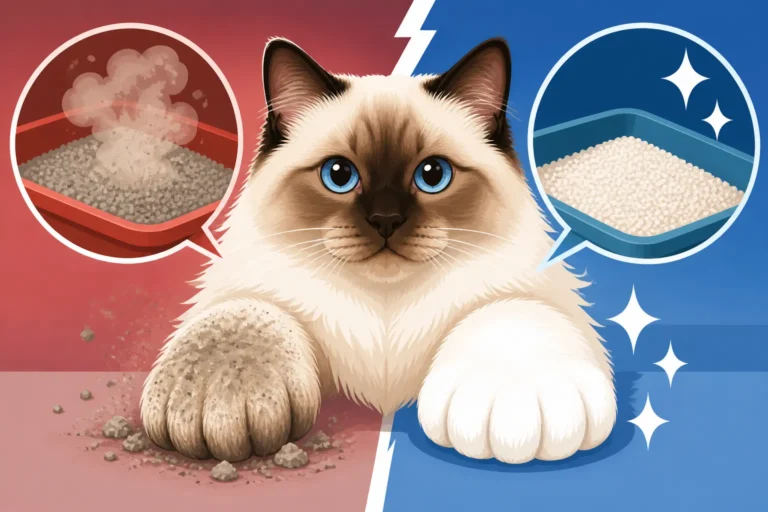
First, size matters. Birmans are not small cats. They need a spacious litter box where they can turn around comfortably and squat without their rear touching the sides or the already used litter. A box that's too small forces them into awkward positions, increasing the likelihood of messy contact. Opt for an extra-large or jumbo-sized box, and consider an open-top design over a hooded one, as hooded boxes can sometimes trap odors and make turning around more challenging for larger cats.
Second, litter type is crucial. Avoid dusty, heavily scented litters. Dust can settle on their fur, and combined with moisture, create a sticky residue. Scented litters can also irritate sensitive skin. Look for low-dust, clumping litters that are known for their absorbency and non-stick properties. Some owners find that silica gel crystal litters or paper pellet litters, which are less likely to cling to long fur, work well, especially if your Birman has a tendency to get litter stuck between their toes or in their britches. Which Litter Suits a White Gloved Cat You can easily find various litter options on platforms like Chewy or Amazon.
Finally, scoop, scoop, scoop! This is non-negotiable for a Birman. Their pristine white gloves and flowing britches are magnets for dirt. Scoop the litter box at least twice a day, and ideally more often. A fresh, clean litter bed means less chance of your Birman stepping in or sitting on contaminated litter. Change the entire litter and deep clean the box regularly, perhaps once a week, to maintain optimal hygiene.
Dietary Considerations
What goes in must come out, and the consistency of that output has a huge impact on how clean your Birman's rear stays. Soft, loose stools are the nemesis of a long-haired cat owner. They cling, they smear, and they are incredibly difficult to remove.
High-Quality Diet: Feed your Birman a high-quality, consistent diet. Look for foods with easily digestible ingredients and appropriate protein levels. Many Birmans thrive on a diet rich in animal protein. Avoid frequent changes in food, as this can upset their digestive system and lead to soft stools. If you do need to change their food, do so gradually over 7-10 days, mixing increasing amounts of the new food with decreasing amounts of the old. Which Wet Food Suits a Birman's Kidney History
Hydration: Ensure your Birman has constant access to fresh, clean water. Good hydration contributes to healthy digestion and can help maintain regular, well-formed stools. Some Birmans enjoy drinking from a cat fountain, which can encourage them to drink more.
Fiber and Probiotics: If your Birman is prone to loose stools, discuss with your vet whether a dietary supplement like a probiotic or a small amount of added fiber (such as canned pumpkin, not pumpkin pie filling!) could help firm things up.
Monitoring: Pay attention to your Birman's stool consistency. If you notice persistent soft stools, diarrhea, or any changes in bathroom habits, it's a clear sign to consult your veterinarian. Dietary sensitivities, parasites, or other underlying health issues could be at play.
Cleaning a Birman's Dirty Rear: Step-by-Step
Despite all your best preventative efforts, sometimes your Birman will still manage to get a messy rear. It happens to the best of us! When it does, approaching the situation calmly and methodically will make the experience less stressful for both you and your beloved Birman.
Gathering Your Supplies
Before you even think about tackling the mess, get everything you need within arm's reach. This prevents you from having to leave your cat unattended or scrambling for supplies mid-clean.
Here's a checklist of essentials:
- Pet-Safe Wipes: Unscented, hypoallergenic pet wipes are your first go-to for minor messes. Keep a good stock of these.
- Mild, Pet-Safe Shampoo: For more stubborn or widespread messes, a gentle cat shampoo designed for sensitive skin is crucial. Avoid human shampoos, as they can irritate your cat's skin.
- Warm Water: A small bowl or cup of warm water for rinsing or dampening cloths.
- Soft Cloths or Cotton Pads: Several clean, soft cloths or large cotton pads for applying water/shampoo and for wiping.
- Absorbent Towels: Several clean, dry towels for patting your Birman dry. Their long coat can hold a lot of moisture!
- Blunt-Nosed Scissors (Optional): If there are matted bits or very stubborn clumps that need to be carefully trimmed away before washing.
- Treats: Plenty of your Birman's favorite treats to reward cooperation throughout the process.
- A Helper (Optional but Recommended): If your Birman isn't used to being handled in this way, an extra set of calm hands can make a huge difference in keeping them still and reassured.
Choose a quiet, warm, and well-lit area for the cleaning. A bathroom counter or a laundry sink can work well, provided your Birman feels secure and comfortable there. Place a non-slip mat down if working on a slick surface.
The Gentle Cleaning Process
Your Birman's gentle nature usually means they'll tolerate this, but approach with patience and a soothing voice. Remember, they don't understand why this is happening, only that it's a bit strange.
- Assess the Situation: First, determine the extent of the mess. Is it just a small, dried-on smudge, or is it a larger, possibly wet, sticky situation? This will dictate whether you need a quick wipe or a full rear-end bath.
- For Minor Messes (Spot Cleaning):
- Gently lift your Birman's tail.
- Take a pet-safe wipe or a cloth dampened with warm water.
- Carefully and gently wipe the affected area, moving away from the body to avoid pushing debris further in. Be thorough but don't scrub roughly, as this can irritate the skin.
- If the mess is dried on, you might need to hold a warm, damp cloth against it for a minute or two to soften it before gently wiping it away.
- Finish by gently patting the area dry with a clean towel.
- For Major Messes (Rear-End Bath):
- Fill a sink or a small tub with a few inches of warm (not hot!) water.
- Gently place your Birman's hindquarters into the water, ensuring their front half remains dry and secure. Many Birmans tolerate this surprisingly well if done calmly.
- Use a small cup to gently wet the soiled fur.
- Apply a small amount of pet-safe shampoo to the area. Lather gently, working the shampoo through the fur to loosen the debris. You may need to use your fingers to gently separate clumps.
- Rinse thoroughly with warm water. This is critical to prevent skin irritation. Ensure all shampoo residue is gone.
- Throughout the process, talk to your Birman in a calm, reassuring voice. Offer praise and treats whenever they cooperate.
- After rinsing, lift your Birman out of the water and wrap them in a towel.
Drying and Aftercare
Drying is just as important as cleaning, especially with a Birman's long coat. Leaving the area damp can lead to skin irritation, fungal infections, or matting.
- Towel Drying: Gently pat and blot the wet fur with a clean, absorbent towel. Avoid vigorous rubbing, which can tangle the fur. Continue until the area feels mostly dry.
- Air Drying (with caution): In a warm room, your Birman can air dry the rest of the way. However, keep a close eye on them to ensure they stay warm and don't try to roll in anything before they're fully dry.
- Low-Heat Blow Dryer (Optional): If your Birman tolerates it, a pet-specific blow dryer on a very low, cool setting can speed up the process. Keep the dryer moving constantly and never hold it too close to their skin. The goal is to gently fluff the fur dry, not to blast it with heat. Many Birmans are quite amenable to this, especially if introduced positively.
- Final Comb: Once completely dry, give the area another gentle comb-through to ensure there are no lingering tangles.
- Reward: Always end the grooming session with praise, cuddles, and plenty of treats. This positive association will make future cleaning sessions much easier.
Remember, the key is to be gentle, patient, and consistent. Your Birman will learn to trust you during these necessary, if not always pleasant, routines.
| Cleaning Method | Best For | Pros | Cons |
|---|---|---|---|
| Pet Wipes | Minor, fresh messes; daily touch-ups | Quick, convenient, minimal stress for cat | Not effective for dried-on or extensive messes, can leave residue |
| Warm Damp Cloth | Slightly dried-on messes, gentle spot cleaning | Very gentle, easily accessible, no harsh chemicals | Can be less effective for large or sticky messes, requires more effort |
| Hygiene Clip | Prevention of recurrent soiling | Significantly reduces clinging, long-lasting | Requires careful handling with scissors, needs regular upkeep |
| Rear-End Bath | Extensive, sticky, or dried-on messes | Most thorough cleaning, removes all residue | Can be more stressful for the cat, requires drying time, more effort |
| Professional Groomer | Severe matting, owners uncomfortable with trimming | Expert care, safe removal of mats, full cleaning | Cost, requires travel, can still be stressful for the cat |
When to Seek Veterinary Advice
While a messy rear is often just a nuisance requiring diligent grooming, sometimes it can be a red flag for an underlying health issue. It's important to know when to stop your home remedies and pick up the phone to your vet. Your Birman, with its tendency to hide illness, relies on you to notice subtle cues. Why a Quiet Birman Is Easy to Misread
Persistent Soiling and Diarrhea
If your Birman's rear is consistently dirty, despite your best efforts with hygiene clips, litter management, and a good diet, it's time for a vet visit. This isn't just about the external mess; it points to an internal problem.
Persistent soiling is often a symptom of chronic loose stools or diarrhea. This can be caused by a variety of issues, including:
- Dietary Sensitivities or Allergies: Some Birmans might react poorly to certain ingredients in their food, leading to gastrointestinal upset.
- Intestinal Parasites: Worms or other internal parasites can cause chronic diarrhea and prevent proper nutrient absorption.
- Inflammatory Bowel Disease (IBD): This is a chronic condition causing inflammation in the digestive tract, leading to persistent vomiting and/or diarrhea.
- Bacterial Imbalances: An overgrowth of certain bacteria in the gut can disrupt normal digestion.
- Stress: While Birmans are generally placid, prolonged stress can sometimes manifest as digestive upset. What a Stressed Birman Does
Your vet will likely want a stool sample to check for parasites or bacterial imbalances. They might also recommend a dietary trial with a prescription or novel protein diet to rule out food sensitivities. Don't let chronic diarrhea go unchecked; it can lead to dehydration, nutrient deficiencies, and general discomfort for your cat.
Skin Irritation and Infection
A dirty rear isn't just unsightly; it can lead to significant skin problems if left unaddressed. Constant moisture, combined with the presence of fecal matter, creates a perfect breeding ground for bacteria and yeast.
Look out for these signs around your Birman's hindquarters:
- Redness or Inflammation: The skin appears red, swollen, or irritated.
- Sores or Lesions: Open sores, scabs, or broken skin.
- Excessive Licking or Chewing: Your Birman might be trying to soothe the irritation, but this can worsen the problem.
- Odor: A foul or unusual smell emanating from the area, even after cleaning, can indicate infection.
- Hair Loss: Patchy hair loss or thinning fur around the affected area.
- Pain or Discomfort: Your Birman might flinch, cry out, or become aggressive when you try to touch their rear.
If you observe any of these symptoms, it's crucial to get your Birman to the vet. Skin infections (dermatitis) can quickly become painful and stubborn to treat if ignored. The vet might prescribe topical creams, oral antibiotics, or anti-fungal medications to clear up the infection. They will also investigate the underlying cause of the irritation to prevent recurrence.
Remember, your Birman's placid temperament means they often mask discomfort until it's quite severe. Any persistent issue with cleanliness or skin health in this area warrants a professional opinion to ensure your gentle companion stays happy and healthy.
Disclaimer
This article is for general informational purposes only and does not constitute professional advice. Laws, prices and regulations vary by location and change over time. Consult a qualified professional for guidance on your specific situation.