Why a Birman’s Eyes Should Be Checked at Every Visit
It can be incredibly disheartening, and frankly, quite worrying, when you notice something seems off with your beloved Birman's eyes. Those striking blue pools are one of their most captivating features, but just like any part of our furry friends, they can be susceptible to various issues, some of which are unique to the breed. This guide is here to walk you through why a thorough eye examination should be a non-negotiable part of every single vet visit for your Birman, what problems vets look for, and how you can spot potential issues at home before they become serious.
The Unique Beauty and Delicate Nature of Birman Eyes
There's something truly mesmerizing about a Birman's eyes, isn't there? That deep, luminous sapphire blue, set against their plush, pointed coats, is just stunning. But beyond their aesthetic appeal, these beautiful eyes are intricate organs that require diligent care and attention. Understanding their unique characteristics helps us appreciate why their health checks are so important.
The Distinctive Sapphire Gaze
The Birman's eye color isn't just a random shade of blue; it's a characteristic deeply intertwined with their genetics. This vivid blue is a hallmark of the breed, resulting from the same genetic mutation that causes their point coloration. Unlike some breeds where blue eyes might be linked to deafness, in Birmans, their beautiful blue eyes are not a health risk themselves, but they are a distinct feature that needs to be regularly observed. The clarity, depth of color, and overall appearance of their eyes can tell a knowledgeable vet a lot about their general well-being. Any deviation from that sparkling, clear blue gaze can signal an underlying problem.
General Eye Health Checks and Why They Matter
When you take your Birman to the vet, whether it's for a routine check-up, vaccinations, or even a minor concern, a quick peek at their eyes might seem like a small detail. However, these checks are anything but minor. A vet will routinely assess the overall appearance of the eyes, looking for symmetry, discharge, redness, or any cloudiness. They'll observe how the pupils react to light, check the conjunctiva (the pink lining around the eye), and examine the eyelids for any abnormalities. These seemingly simple observations are the first line of defense in catching potential problems early. Without this consistent vigilance, a subtle change could easily go unnoticed until it progresses into something more serious and difficult to treat. It's about being proactive, not reactive, especially for a breed known for its placid temperament, which can sometimes lead to them hiding illness behind a placid temperament.
Common Eye Conditions in Birmans
While Birmans are generally a robust breed, their eyes, like those of any purebred cat, can be predisposed to certain conditions. Being aware of these common issues can empower you as an owner to recognize potential symptoms and seek veterinary care promptly.
Corneal Dermoids: A Specific Birman Concern
One particular condition that Birmans can be prone to is a corneal dermoid. Imagine a small piece of skin, complete with hair, growing on the surface of the eye. Sounds quite alarming, doesn't it? That's exactly what a corneal dermoid is. It's a congenital anomaly, meaning kittens are born with it. While it might look unsettling, it's typically benign and usually doesn't pose a serious threat to vision unless it's very large or causes constant irritation. However, it can cause discomfort, lead to chronic tearing, and in some cases, might obstruct vision.
Symptoms you might notice include your Birman squinting, rubbing at their eye, or having excessive tear production. Your vet will easily spot a dermoid during a routine examination. If a corneal dermoid shows in a Birman, especially if it's causing irritation or affecting vision, surgical removal is usually the recommended course of action. This procedure is generally straightforward, and most Birmans recover without complications, leading to a much more comfortable life. Regular vet checks are crucial here, not just for diagnosis, but also to ensure that if a dermoid is present, it's not growing or causing secondary issues.
Conjunctivitis and Other Inflammations
Just like people, Birmans can suffer from conjunctivitis, often called "pink eye." This is an inflammation of the conjunctiva, the clear membrane that covers the white part of the eye and lines the inside of the eyelids. It can be caused by various factors, including bacterial or viral infections, allergies, or irritants like dust or smoke. You might see redness around the eye, swelling, discharge (which can be clear, watery, or thick and colored), and your Birman might be blinking more, squinting, or pawing at their face.
Other inflammations can also occur, sometimes affecting the cornea (keratitis) or other parts of the eye. These conditions can be quite uncomfortable for your cat and, if left untreated, can lead to more serious complications, including corneal ulcers or even permanent damage to the eye. Your vet will typically diagnose conjunctivitis based on clinical signs and might take a swab for culture if an infection is suspected. Treatment usually involves eye drops or ointments to reduce inflammation and fight off any infection. It's a common issue, but it absolutely warrants prompt veterinary attention to prevent escalation and ensure your cat's comfort.
Cataracts and Glaucoma: Age-Related and Genetic Risks
As Birmans age, or sometimes due to genetic predisposition, they can develop conditions like cataracts and glaucoma. Cataracts involve the clouding of the eye's lens, leading to blurry vision and eventually blindness if severe. While less common in Birmans than some other breeds, they can occur. Glaucoma, on the other hand, is a more serious and often painful condition characterized by increased pressure within the eye. This increased pressure can damage the optic nerve and lead to irreversible vision loss.
Recognizing these conditions early is vital. With cataracts, you might notice a milky or cloudy appearance in your cat's pupil, or they might start bumping into objects, especially in dim light. For glaucoma, signs can be more subtle initially, but might include a dilated pupil that doesn't react to light, redness, pain (your cat might squint or rub the eye), and a general change in the appearance of the affected eye, which may look larger or hazier. The age a Birman starts needing yearly heart checks, around eight years old, is also a good time to start paying closer attention to general eye health. Treatment for cataracts can involve surgery in some cases, while glaucoma often requires lifelong medication to manage eye pressure, and sometimes surgery. Catching these conditions early can make a significant difference in preserving your Birman's vision and quality of life.
The Importance of Regular Vet Visits for Eye Health
When it comes to our Birmans, we all want them to live long, healthy, and comfortable lives. Regular veterinary visits are a cornerstone of preventative care, and nowhere is this more true than with eye health. It’s not just about treating problems, but preventing them or catching them at their most manageable stage.
Early Detection is Key for Birman Eye Issues
Cats are masters at hiding pain and discomfort, a trait that’s especially pronounced in the stoic Birman. They instinctively mask symptoms as a survival mechanism, making it difficult for even the most observant owner to spot early signs of trouble. This is precisely why those routine veterinary eye checks are so incredibly important. Your vet has trained eyes and specialized tools to detect subtle changes that you might completely miss. For instance, tiny corneal ulcers or early signs of retinal degeneration might not be visible to the naked eye but can be picked up during a thorough examination.
Think about conditions like glaucoma; the early stages often have very few obvious symptoms, but internal eye pressure might already be rising. If caught early, medication can be prescribed to manage the pressure, potentially saving your cat's vision and preventing severe pain. Delaying diagnosis can mean the difference between successful management and irreversible damage. It’s an investment in their long-term comfort and well-being. Remember, Why a Birman Hides Illness Behind a Placid Temperament is a real factor in their care, so we have to be extra vigilant on their behalf.
What Your Vet Looks For During an Eye Exam
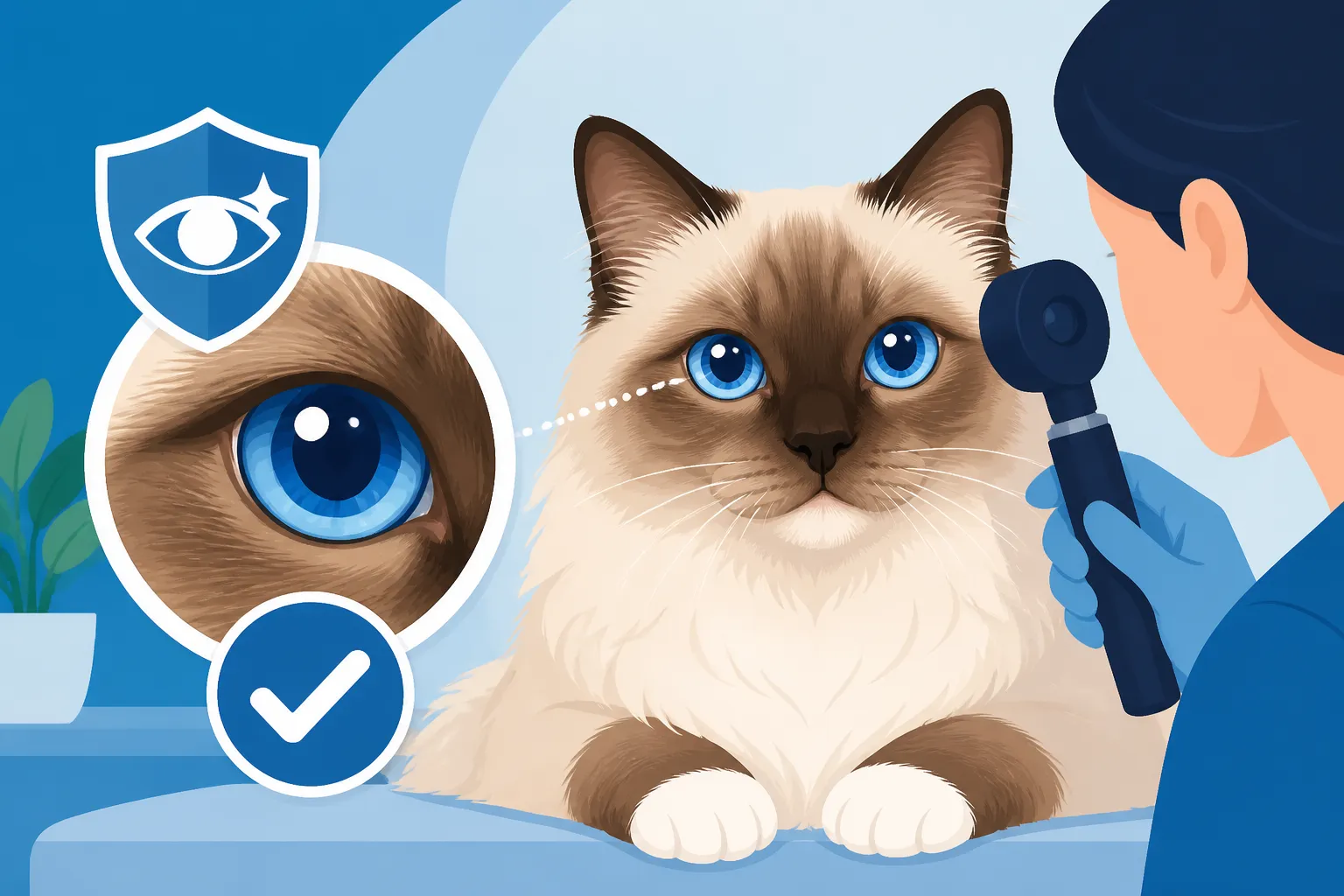
A comprehensive eye exam by your veterinarian goes far beyond a quick glance. They'll start by observing your Birman's eyes in a normal setting, looking for any asymmetry, squinting, or behavioral indicators of discomfort. Then, they'll often use a bright, focused light source (ophthalmoscope) to examine the structures of the eye.
Here's a breakdown of what they're typically looking for:
- Eyelids and Lashes: Checking for any inward-growing lashes (entropion), outward-turning lids (ectropion), or growths that could irritate the eye.
- Conjunctiva: Looking for redness, swelling, or follicles, which can indicate inflammation or infection.
- Cornea: Examining the clear outer layer for scratches, ulcers, cloudiness, or any foreign bodies. This is where conditions like corneal dermoids would be identified.
- Anterior Chamber: The space between the cornea and the iris is checked for any signs of inflammation (flare), blood, or abnormal fluid accumulation.
- Iris: Assessing its shape, color, and how it responds to light.
- Lens: Looking for any cloudiness (cataracts) or dislocation.
- Retina and Optic Nerve: Using an ophthalmoscope, the vet can visualize the back of the eye, checking for signs of disease, degeneration, or abnormalities.
- Tear Production: Sometimes a Schirmer tear test is performed if dry eye is suspected.
- Intraocular Pressure (IOP): If glaucoma is a concern, a tonometer will be used to measure the pressure inside the eye.
This detailed examination provides a holistic view of your Birman's ocular health, ensuring no stone is left unturned. This is particularly crucial given the breed's specific predispositions.
Partnering with Your Vet for Optimal Eye Care
Your vet is your primary partner in maintaining your Birman's eye health, but your role at home is equally vital. After each visit, make sure you understand any findings and recommendations. If your vet suggests follow-up appointments, dietary changes, or home care routines, adhere to them diligently. For instance, if your Birman has a history of conjunctivitis, your vet might recommend specific cleaning wipes or drops to use at home during flare-ups.
Beyond direct medical care, ensuring your Birman lives in a clean environment, free from excessive dust or irritants, can also contribute to good eye health. Promptly address any changes you notice between visits, no matter how small they seem. A quick call to your vet to describe a new symptom is always better than waiting. It’s a team effort, and your active participation in your Birman’s care will make a world of difference. Comprehensive pet insurance plans, like those offered by Healthy Paws, can also be invaluable for covering the costs associated with diagnosing and treating these often complex eye conditions, providing peace of mind when unexpected issues arise.
Recognizing Signs of Eye Trouble at Home
As a Birman owner, you are on the front lines of your cat's health. While your vet conducts thorough examinations, you spend every day with your furry companion, making you uniquely positioned to spot the subtle early warnings of eye trouble. Knowing what to look for can make all the difference in getting timely treatment.
Visible Changes: Discharge, Redness, and Cloudiness
The most obvious indicators of eye problems are often visual. It's not just about looking at their eyes, but really seeing them, comparing them to their normal appearance.
- Discharge: A healthy Birman's eyes should be clear and bright, with minimal or no discharge. If you start seeing clear, watery discharge, it could indicate allergies, irritation, or the early stages of a viral infection. Yellow or green, thick, pus-like discharge is a strong sign of a bacterial infection, which needs immediate veterinary attention. Excessive tearing, where tears spill over the eyelids, can also point to issues like blocked tear ducts or irritation from something like a corneal dermoid.
- Redness: If the white part of your Birman's eye (sclera) or the pink lining of its eyelids (conjunctiva) appears red or inflamed, it's a clear sign that something is amiss. This can accompany infections, allergies, or even more serious conditions like uveitis (inflammation inside the eye) or glaucoma.
- Cloudiness or Change in Color: A healthy Birman's cornea should be crystal clear. If you notice any cloudiness, a blueish haze, or a milky appearance over the surface of the eye, it's a red flag. This could be due to a corneal ulcer, edema (swelling), or even cataracts developing in the lens. Similarly, if the iris (the colored part of the eye) seems to be changing color, perhaps becoming duller or having dark spots, it warrants investigation.
- Third Eyelid Protrusion: Cats have a "third eyelid" (nictitating membrane) in the inner corner of their eye. It's usually not visible or only briefly flashes across the eye. If your Birman's third eyelid is persistently showing, even when they're relaxed, it can be a sign of pain, illness, or even systemic issues. Why a Birman's third eyelid should not show is an important detail to remember during your daily observations.
Regularly observing these aspects, perhaps during your daily grooming routine, can help you catch these changes early.
Behavioral Clues: Squinting, Pawing, and Light Sensitivity
Sometimes, a Birman might not show obvious visible signs, but their behavior will tell a story. Their placid nature might make these subtle, but they are there if you look closely.
- Squinting or Holding One Eye Shut: If your Birman is persistently squinting, blinking excessively, or holding one eye partially or completely closed, it's a strong indication of pain or irritation. This could be due to a scratch on the cornea, a foreign object in the eye, or even intense light sensitivity (photophobia).
- Pawing or Rubbing the Face: If your cat is frequently pawing at their face, rubbing their eye area against furniture, or trying to groom excessively around their eyes, they are trying to alleviate discomfort. Be careful to prevent them from causing further damage with their claws.
- Light Sensitivity (Photophobia): You might notice your Birman seeking out darker areas of the house, avoiding bright lights, or squinting more in well-lit rooms. This can be a symptom of various painful eye conditions, including uveitis, glaucoma, or corneal ulcers.
- Reluctance to Jump or Play: If an eye condition is painful or affecting vision, your Birman might become more withdrawn, less playful, or reluctant to jump onto their favorite perch. Changes in normal activity levels can be a general indicator of discomfort, including eye pain. For example, Why a Birman with HCM stops jumping might be related to heart pain, but eye pain can also lead to similar behavioral changes.
- General Lethargy or Changes in Appetite: Sometimes, significant eye pain or systemic illness manifesting through eye symptoms can lead to a general feeling of unwellness. Your Birman might become lethargic, lose their appetite, or just seem "off." If your Birman's appetite goes first when it is unsettled, this could be a sign of many issues, including significant eye discomfort.
Any of these visible or behavioral changes should prompt a call to your veterinarian. It’s always better to be safe than sorry when it comes to your Birman's precious eyes.
Genetic Predispositions and Breeding Considerations
Understanding the genetic underpinnings of the Birman breed is crucial for appreciating why eye health is such a focus. Their journey through history has shaped not only their appearance but also their genetic health.
Understanding the Birman's Genetic Heritage
The Birman breed, as we know it today, has a fascinating and somewhat dramatic history. After facing near extinction during World War II, the breed was rebuilt from a very small number of surviving cats, including the two primary founders, Orloff and Xenia de Kaabaa. This 'bottleneck' event, while saving the breed, also significantly narrowed its genetic diversity. What a narrow founder base left in the Birman is a relatively small gene pool, which can concentrate certain genetic traits, both desirable and undesirable.
While this genetic heritage gave us the beautiful, consistent Birman we adore, it also means that any genetic predispositions present in those few founding cats became more widespread throughout the subsequent generations. This includes predispositions to certain eye conditions. Responsible breeders work tirelessly to screen for these conditions, but the genetic blueprint of the breed means we must remain vigilant. Understanding the unique lineage, and how two cats in 1945 shaped the Birman's health, helps underscore the importance of ongoing health monitoring, including comprehensive eye checks.
The Role of Responsible Breeding in Eye Health
This genetic reality places a significant responsibility on Birman breeders. A truly responsible breeder is committed to preserving the health and integrity of the breed, and this extends directly to eye health. They don't just breed for good looks and temperament; they actively engage in health screening to minimize the risk of passing on genetic eye conditions.
This often involves:
- Ophthalmological Examinations: Breeding cats should undergo regular examinations by a veterinary ophthalmologist to screen for conditions like cataracts, glaucoma, or other hereditary eye diseases before being used for breeding.
- Genetic Testing: While genetic tests for specific Birman eye conditions are not as widespread as, say, the FOXN1 test, breeders will stay abreast of any new research or tests that become available. They also ensure general health screenings like What Testing a Birman for FOXN1 and PKD1 Together Costs are up to date.
- Pedigree Research: Responsible breeders meticulously research the health history of their breeding lines, looking for any incidence of eye problems in ancestors or siblings. They are transparent about their cats' health records and share this information with prospective kitten buyers. This helps ensure that you are bringing home a kitten from lines known for their robust health.
- Avoiding Affected Lines: If a particular breeding line shows a consistent pattern of hereditary eye problems, a responsible breeder will make the difficult decision to remove those cats from their breeding program to prevent the perpetuation of the condition.
By choosing a kitten from a reputable breeder who prioritizes these health screenings and practices ethical breeding, you significantly increase the chances of bringing home a Birman with healthy eyes, and a better start to its potentially The Twelve to Sixteen Years a Birman Usually Gets. However, even with the best breeding practices, ongoing veterinary care and owner vigilance remain paramount throughout your Birman’s life.
Birman Eye Conditions: A Quick Overview
Here's a handy table summarizing some of the common eye conditions that can affect Birmans, their typical symptoms, and general approaches to treatment. This isn't exhaustive, but it covers the main points discussed.
| Condition | Description | Common Symptoms | Typical Treatment |
|---|---|---|---|
| Corneal Dermoid | A benign piece of skin, often with hair, growing on the surface of the eye. | Tearing, squinting, rubbing eye, visible growth on cornea. | Surgical removal if causing irritation or vision problems. |
| Conjunctivitis | Inflammation of the conjunctiva (eye lining). | Redness, swelling, clear to thick discharge, squinting. | Eye drops/ointments (antibiotic, anti-inflammatory), addressing underlying cause. |
| Cataracts | Clouding of the eye's lens. | Cloudy/milky appearance in pupil, vision impairment, bumping into objects. | Surgical removal (phacoemulsification) in select cases, or management of vision loss. |
| Glaucoma | Increased pressure within the eye. | Dilated pupil, redness, pain (squinting), cloudiness, enlarged eye. | Lifelong eye drops to lower pressure, sometimes surgery. |
| Corneal Ulcers | Open sore on the cornea, often due to trauma or infection. | Squinting, pain, tearing, redness, cloudiness, sensitivity to light. | Antibiotic eye drops, pain relief, sometimes surgery for deep ulcers. |
| Uveitis | Inflammation of the internal structures of the eye. | Pain (squinting), redness, cloudy/dull eye, constricted pupil, sensitivity to light. | Anti-inflammatory eye drops/medication, pain relief. |
Disclaimer
The information provided in this guide is for general informational purposes only and does not constitute veterinary advice. Always consult with a qualified veterinarian for any health concerns or before making any decisions related to your Birman's health and treatment.