Which Protein Level Keeps a Birman’s Ruff Thick
You've admired your Birman's magnificent ruff, that luxurious collar of fur that frames their sweet, blue-eyed face, and perhaps you've even worried if it's looking a bit sparse or not as lustrous as it could be. It's a common concern, as that ruff is a hallmark of the breed's beauty! This guide dives deep into the crucial role protein plays in developing and maintaining that glorious, thick Birman ruff, and how to ensure your beloved companion gets exactly what they need through their diet.
The Birman's Distinctive Coat and Its Special Requirements
The Birman's coat isn't just beautiful; it's also quite unique, setting it apart from many other long-haired breeds. Understanding its structure is the first step in appreciating why diet, particularly protein, is so vital for maintaining that stunning ruff. Many new Birman owners are surprised by how different their fur feels and behaves compared to, say, a Persian.
The Birman's Single Coat Structure
Unlike some long-haired breeds that come equipped with a dense, woolly undercoat, the Birman boasts a single coat. This means they primarily have guard hairs – the longer, silkier hairs that give their coat its characteristic flow and shine. This lack of a thick undercoat is actually a blessing in many ways, as it typically makes them No Undercoat Is What Makes a Birman Easy to Groom and far less prone to matting than other plush-coated cats. However, it also means that each individual hair has to be in peak condition to contribute to that desired density and volume, especially in the ruff. If these guard hairs are compromised, the coat can look thin or dull, even if no mats are present. Why a Birman's Single Coat Never Developed a Woolly Layer delves further into this unique genetic trait.
What Defines a Healthy Birman Ruff
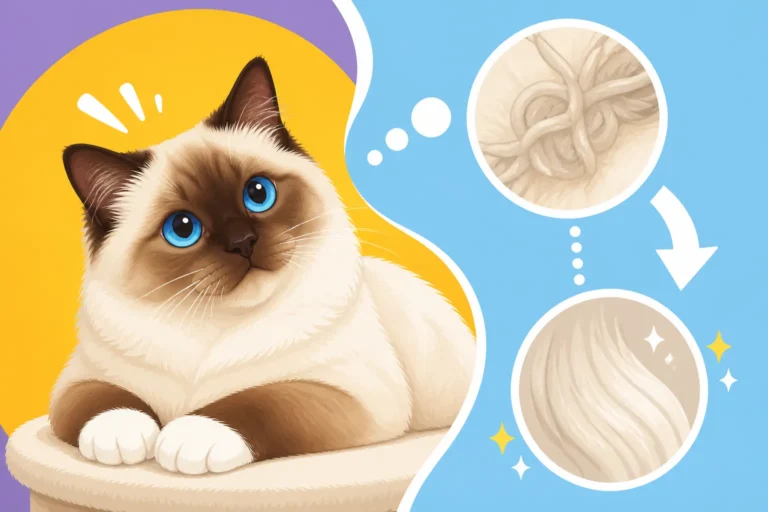
A truly magnificent Birman ruff isn't just about length, though they certainly have impressive How Long a Birman's Coat Actually Is, particularly around their neck where the ruff forms. It's about density, silkiness, and shine. The individual hairs should feel smooth to the touch, not brittle or coarse. They should have a natural luster that catches the light, and the ruff itself should stand out from the body, framing the face elegantly. A healthy ruff suggests overall good health, as hair is often one of the first indicators of nutritional deficiencies or underlying health issues. A dull, sparse, or brittle ruff can be a silent signal that something isn't quite right, and often, diet is the first place to look. Why a Birman's Ruff Is Its Longest Fur explains why this area is so prominent and needs such careful attention.
How a Birman's Ruff Develops and Changes
Birman kittens are famously born almost entirely white, with their points – and therefore their ruff coloration – developing as they mature. As they grow, their coat gradually lengthens and thickens, with the ruff becoming more pronounced. This development continues well into their second and even third year, as a Birman can take How Long a Birman Keeps Adding Coat and Weight and fill out. During this growth phase, adequate nutrition is absolutely critical. Poor nutrition during kittenhood and adolescence can directly impact the eventual thickness and quality of their adult ruff. Even in mature Birmans, the ruff can go through seasonal changes, often becoming thicker and more luxuriant in cooler months, only to shed some of that volume as temperatures rise. However, consistent nutritional support ensures that these natural fluctuations start from a strong base.
The Indispensable Role of Protein in Feline Coat Quality
When we talk about maintaining a thick, lustrous Birman ruff, protein isn't just important – it's absolutely fundamental. Cats are obligate carnivores, meaning their bodies are designed to derive essential nutrients primarily from animal protein. Their dietary needs are distinct from omnivores, and this includes the building blocks for their fur.
Essential Amino Acids for Cats and Their Sources
Protein is made up of amino acids, and cats require a specific set of these, known as essential amino acids, that they cannot synthesize on their own. These must come directly from their diet. Taurine, for example, is perhaps the most famous essential amino acid for cats, crucial for heart health and vision. However, others like arginine, methionine, and lysine are equally vital, particularly for skin and coat health. Animal-based proteins – think chicken, turkey, beef, fish, and eggs – are complete proteins, meaning they provide all the essential amino acids in the right proportions that a cat needs. Plant-based proteins, on the other hand, are often incomplete and lack some of these crucial amino acids, making them insufficient as a sole protein source for cats.
How Protein Supports Keratin Production for Fur
The vast majority of a cat's hair, including every strand in that glorious ruff, is composed of a protein called keratin. Imagine keratin as the structural steel of your Birman's fur. Without sufficient, high-quality dietary protein, the body simply doesn't have the raw materials to produce strong, healthy keratin. This can lead to hair that is brittle, breaks easily, or grows in thinly, directly impacting the density and fullness of the ruff. Protein also plays a role in the health of the skin, which is the foundation from which the hair grows. A healthy skin barrier, supported by adequate protein, is less prone to dryness, flakiness, or irritation, all of which can negatively affect hair growth and retention. Essentially, a dull, sparse ruff is often a direct reflection of a keratin deficiency, which almost always traces back to inadequate protein intake.
Signs of Protein Deficiency in a Cat's Coat
Identifying protein deficiency in your Birman isn't always immediately obvious, but their coat often provides the earliest and most telling clues. One of the most noticeable signs is a dull, coarse, or brittle coat. Instead of feeling silky and soft, the fur might feel rough or dry to the touch, and the natural shine will be diminished. The ruff, in particular, may appear sparse, lacking its usual luxurious fullness. You might also notice increased shedding beyond typical seasonal changes, or even patches of thinning hair. The skin itself might become flaky or dry, contributing to a less healthy environment for hair growth. In severe cases, hair loss can occur, and wounds might take longer to heal, as protein is also vital for tissue repair. Regularly combing your Birman and paying close attention to their coat texture and fullness, especially the ruff, can help you catch these subtle signs early.
Optimal Protein Levels for Maintaining a Thick Birman Ruff
So, we know protein is key, but how much is enough? Navigating the world of pet food labels and nutritional guidelines can feel like deciphering a secret code, but it's essential for ensuring your Birman's ruff thrives.
General Protein Guidelines for Adult Cats
For adult cats, the general consensus among veterinary nutritionists is that their diet should contain a minimum of 25-30% protein on a dry matter basis. However, many premium cat foods, especially those formulated for obligate carnivores, often boast protein levels ranging from 30% to upwards of 45-50%. It's important to note that these are minimums, and many healthy, active cats can benefit from higher protein diets, particularly when those proteins are high quality and easily digestible. Growing kittens, pregnant or lactating queens, and cats recovering from illness may require even higher protein percentages to support their increased metabolic demands. It's always a good idea to discuss your individual cat's needs with your veterinarian, as factors like activity level, age, and health status can influence the ideal intake.
Specific Protein Considerations for Long-Haired Breeds like the Birman
While the general guidelines apply, long-haired breeds like the Birman have an amplified need for protein simply because they have more hair to produce and maintain. Think of it this way: their bodies are constantly manufacturing a larger quantity of keratin. Therefore, a Birman aiming for a thick, luxurious ruff will likely benefit from a diet on the higher end of the recommended protein spectrum, often in the 35-45% range on a dry matter basis. This ensures a consistent supply of amino acids to fuel robust hair growth and maintain the integrity of their existing coat. However, it's not just about the percentage; it's also about the digestibility and bioavailability of that protein. A high percentage from poor-quality sources won't be as effective as a slightly lower percentage from highly digestible, animal-based ingredients. What Protein Level a Birman's Ruff Needs to Stay Full highlights this crucial balance.
Decoding Pet Food Labels for Protein Content
Reading a pet food label can be confusing, especially with the "guaranteed analysis" often listed as "crude protein." This figure represents the minimum amount of protein, but it doesn't tell you about its quality or digestibility. To get a more accurate picture, look at the ingredients list. The first few ingredients should ideally be named animal proteins, such as "chicken meal," "deboned salmon," "turkey," or "lamb." Avoid foods where the primary protein sources are vague "meat by-products" or heavily reliant on plant proteins like corn gluten meal.
To calculate the dry matter protein content for canned food, which has a high moisture content, use this simple formula:
- Subtract the moisture percentage from 100% to get the dry matter percentage.
- Divide the crude protein percentage by the dry matter percentage.
- Multiply by 100 to get the dry matter protein percentage.
For example, if a wet food lists 10% crude protein and 80% moisture:
- 100% – 80% = 20% dry matter
- 10% / 20% = 0.5
- 0.5 * 100 = 50% protein on a dry matter basis.
This calculation helps you compare the actual protein content across different types of food (wet vs. dry) more accurately. Many reputable brands offer detailed nutritional information on their websites, which can be a treasure trove of data.
| Food Type | Crude Protein (as fed) | Moisture Content | Dry Matter Protein | Typical Sources | Benefit for Ruff |
|---|---|---|---|---|---|
| Dry Kibble | 30-45% | 5-10% | 33-50% | Chicken meal, salmon meal, pea protein | Concentrated protein, convenient |
| Wet Canned Food | 8-12% | 75-85% | 32-60% | Deboned chicken, beef, fish, liver | High moisture, often high quality animal protein |
| Fresh/Raw Food | 12-20% | 60-75% | 30-60% | Muscle meat, organs, bones (raw prepared diets) | Highly digestible, nutrient-dense |
| Freeze-Dried | 40-55% | <5% | 42-58% | Single ingredient meats | Excellent for toppers, concentrated nutrients |
Choosing the Right Protein Sources and Types for Your Birman
It's not just about how much protein, but what kind of protein your Birman is consuming. The source and quality of the protein directly impact its digestibility and the availability of those essential amino acids needed for a robust ruff.
High-Quality Animal-Based Proteins
For an obligate carnivore like the Birman, the best protein sources are always animal-based. Look for named meat ingredients at the top of the list: chicken, turkey, beef, lamb, salmon, tuna, duck, or venison. Muscle meats provide the bulk of protein and essential amino acids. Organ meats, like liver and heart, are also incredibly nutritious, offering a concentrated source of vitamins, minerals, and amino acids that contribute to overall health and, by extension, coat quality. Eggs are another fantastic, highly digestible protein source, sometimes used in small amounts as a dietary supplement or treat. When you see "meal" after a protein (e.g., "chicken meal"), it refers to a concentrated form of that protein where most of the moisture has been removed, making it a very potent source of nutrition. This is often a good thing, not a bad one, as long as it's a named animal source.
The Benefit of Varied Protein Sources
While some cats thrive on a single protein source, offering a variety can be beneficial for your Birman. Different animal proteins offer slightly different amino acid profiles and nutrient balances. For example, fish like salmon and tuna are not only rich in protein but also provide beneficial omega-3 fatty acids, which are fantastic for skin and coat health. Red meats often contain higher levels of iron. By rotating between different protein sources over time, or choosing a food with multiple protein sources, you can help ensure your Birman gets a broad spectrum of nutrients. Just be sure to introduce new foods gradually to avoid digestive upset. Many cat foods offer various protein options, allowing for easy rotation and ensuring high-quality, diverse animal protein intake.
Potential Issues with Plant-Based or Lower Quality Proteins
While some plant-based ingredients like peas, potatoes, or lentils are used in cat food as fillers or minor carbohydrate sources, they should never be the primary source of protein. Plant proteins are generally less digestible for cats and often lack one or more essential amino acids. Foods that list "corn gluten meal" or "soy protein isolate" high up in the ingredient list as a main protein source are typically lower quality and will not adequately support your Birman's unique carnivorous needs, let alone their magnificent ruff. The same goes for vague "meat by-products" or "animal digest" if they are the primary protein. While not inherently harmful in small amounts, if these are the main protein drivers, they suggest a lower quality overall diet that might not provide the optimal amino acid profile needed for robust hair growth and healthy skin. Sticking to diets with clearly named, high-quality animal proteins as the leading ingredients is always the safest bet for your Birman.
Beyond Protein: Other Nutritional Factors for a Glorious Ruff
While protein is the undisputed champion for building strong hair, it's part of a larger nutritional team. Other vitamins, minerals, and fats work synergistically to ensure your Birman's skin is healthy and their ruff is truly spectacular.
Essential Fatty Acids: Omega-3s and Omega-6s
If protein is the steel frame of your Birman's coat, essential fatty acids are the polished finish. Omega-3s (found in fish oils like salmon oil and flaxseed oil) and Omega-6s (found in poultry fat, vegetable oils, and certain animal fats) are crucial for healthy skin and a shiny, lustrous coat. They help reduce inflammation, moisturize the skin from within, and contribute to the silky texture that Birman owners adore. A deficiency in these fatty acids can lead to dry, flaky skin, a dull coat, and increased shedding. While some cat foods include adequate levels, supplementing with a high-quality fish oil can often give an extra boost to coat health. Look for supplements that specifically list EPA and DHA, the active forms of omega-3s. Why Omega Oils Matter for a Birman's Coat delves deeper into their specific benefits. Many pet supply retailers, like Chewy and Amazon, offer a wide array of omega-oil supplements tailored for pets.
Vitamins and Minerals for Skin and Coat Health
A spectrum of vitamins and minerals plays supporting roles in maintaining a healthy Birman coat.
- B Vitamins: Biotin, in particular, is often lauded for its role in hair and nail health. Other B vitamins support cell metabolism, which is essential for rapid cell turnover in skin and hair follicles.
- Zinc: This mineral is critical for skin integrity, wound healing, and immune function. A zinc deficiency can manifest as poor hair growth, skin lesions, and a dull coat.
- Copper: Copper works with zinc and iron in maintaining skin and hair pigmentation and structure.
- Vitamin E: A powerful antioxidant, Vitamin E protects skin cells from damage and supports overall skin health, which is the foundation for healthy hair.
- Vitamin A: Essential for healthy skin and cell growth.
Most high-quality, complete, and balanced cat foods should provide adequate levels of these micronutrients. However, if your Birman has a specific issue, your vet might recommend targeted supplementation.
The Critical Role of Hydration and Water Intake
You can feed your Birman the best protein and fats in the world, but if they aren't properly hydrated, their coat will suffer. Water is essential for every bodily function, including nutrient transport to skin and hair cells, detoxification, and maintaining skin elasticity. Chronic dehydration can lead to dry, brittle hair, flaky skin, and a generally lackluster coat.
Cats, by nature, often don't drink enough water, particularly if they are primarily on a dry kibble diet. This is because their ancestors got most of their moisture from their prey. Offering plenty of fresh, clean water in multiple bowls, investing in a cat fountain (many cats prefer moving water), and incorporating wet food into their diet are excellent strategies to increase hydration. Wet food, with its high moisture content, can significantly boost your Birman's daily water intake. This is especially vital for a breed with a history of kidney concerns, like those stemming from their Persian ancestry which introduced polycystic kidney disease (PKD). Why a Birman's PKD History Makes Water Intake Matter and Which Wet Food Suits a Birman's Kidney History emphasize how crucial adequate hydration is, not just for the coat, but for their overall long-term health.
Practical Feeding Strategies for a Healthy Birman Coat
Knowing what to feed is one thing, but how to feed your Birman can also make a significant difference in the health and appearance of their stunning ruff. Consistency, monitoring, and a bit of discernment go a long way.
Wet vs. Dry Food: Impact on Coat and Hydration
When it comes to feeding, many Birman owners wonder about the best format: wet food, dry kibble, or a combination.
- Wet Food: As discussed, wet food is excellent for hydration, which directly benefits skin and coat health. The higher moisture content makes it easier for cats to process nutrients and maintain healthy bodily functions, contributing to a supple skin and glossy fur. Many high-quality wet foods also feature meat as the primary ingredient, providing superior animal-based protein.
- Dry Kibble: While convenient and often more economical, kibble contains very little moisture. If your Birman is primarily on dry food, it's absolutely critical to encourage water intake in other ways. Some premium kibbles are formulated with higher protein and good fat levels that can support coat health, but they always fall short on the hydration front.
- Combination Feeding: Many vets and owners advocate for a combination approach, where dry kibble is available for grazing (if your Birman doesn't overeat) or as a measured meal, supplemented with one or two wet food meals per day. This offers the best of both worlds: the dental benefits (to a limited extent) of kibble and the hydration benefits of wet food. Remember, a Birman often does better on How Much a Birman Should Get in a Measured Meal rather than free-feeding.
The choice largely depends on your Birman's preferences, health needs, and your lifestyle, but leaning towards more wet food or ensuring ample water access with dry food is generally recommended for optimal coat health.
Supplementing for Coat Health (When, What, How)
Sometimes, even with a great diet, a Birman's coat might need a little extra help.
- When to Supplement: Consider supplements if your Birman's coat is consistently dull, dry, shedding excessively, or if they have recurrent skin issues, after ruling out underlying medical conditions with your vet. Also, if your Birman is on a restricted diet for other health reasons, a supplement might be necessary to fill nutritional gaps.
- What to Supplement:
- Omega Fatty Acids: Fish oil (salmon, sardine, anchovy) is the most common and effective. Look for products specifically for pets, with clear dosages of EPA and DHA.
- Biotin: Sometimes included in coat-specific supplements, biotin can support keratin production.
- Multivitamin/Mineral: If you suspect a general deficiency or are feeding a less-than-premium diet, a balanced feline multivitamin might be considered, but always under vet guidance to avoid over-supplementation.
- How to Supplement: Most liquid fish oils can be mixed into wet food, or capsules can be hidden in treats. Powdered supplements can also be sprinkled over food. Always start with a low dose and follow the manufacturer's recommendations or your veterinarian's advice. Consistency is key for seeing results. Reputable online retailers like Chewy and Amazon offer a wide selection of cat-specific supplements, making it easy to find what you need.
Monitoring Your Birman's Coat and Adjusting Diet
The best way to know if your feeding strategy is working for your Birman's ruff is to observe, observe, observe!
- Regular Visual Inspection: Is the ruff looking full and dense? Is the coat shiny or dull? Do the individual hairs feel silky or brittle?
- Hands-on Feel: During your regular grooming sessions (which, let's be honest, are frequent with a Birman!), pay attention to the texture of the fur and the health of the skin underneath. Are there any dry patches, flakes, or excessive oiliness? Combing a Birman Three Times a Week is a great time to do this.
- Shedding Patterns: While Birmans do shed, excessive or constant shedding can be a sign of nutritional imbalance.
- Vet Check-ups: Regular veterinary check-ups are essential. Your vet can assess overall coat health, rule out medical issues, and offer personalized dietary advice based on your Birman's age, weight, and activity level.
Don't be afraid to make gradual adjustments to your Birman's diet if you're not seeing the coat results you desire. Sometimes, switching to a different high-quality brand, exploring different protein sources, or introducing a targeted supplement can make a world of difference. Remember, every Birman is an individual, and finding their ideal diet for a truly glorious ruff might take a little patience and experimentation.
Disclaimer
This article is for general informational purposes only and does not constitute professional advice. Laws, prices and regulations vary by location and change over time. Consult a qualified professional for guidance on your specific situation.