Why an Affected Birman Kitten Is Usually Put to Sleep
It’s a truly heartbreaking situation no one ever wants to face: welcoming a litter of tiny, precious Birman kittens, only to discover one is born with a devastating genetic condition called FOXN1. This isn't just about a "bald kitten" – it's about a profound immune deficiency that inevitably leads to a life of suffering. This guide will gently walk you through why, despite every ounce of love and hope, an affected Birman kitten is usually, and mercifully, put to sleep.
Understanding FOXN1 in Birman Kittens: A Devastating Genetic Condition
The diagnosis of FOXN1, often referred to as hypotrichosis with thymic aplasia, is a crushing blow for any Birman owner or breeder. It's a condition unique to our beloved Birmans, and it speaks to the fragility that can exist within even the most carefully bred lines. When you hear about a kitten with FOXN1, it’s not just a minor coat issue; it’s a systemic failure.
What is FOXN1 and How It Manifests
At its core, FOXN1 is a genetic disorder, specifically a recessive one. This means a kitten needs to inherit two copies of the faulty gene – one from each parent – to be affected. Parents who carry only one copy are perfectly healthy themselves, showing no symptoms, which can make it a silent threat in breeding programs if testing isn't done. When a kitten does get both copies, the signs are tragically clear from birth, or very soon after.
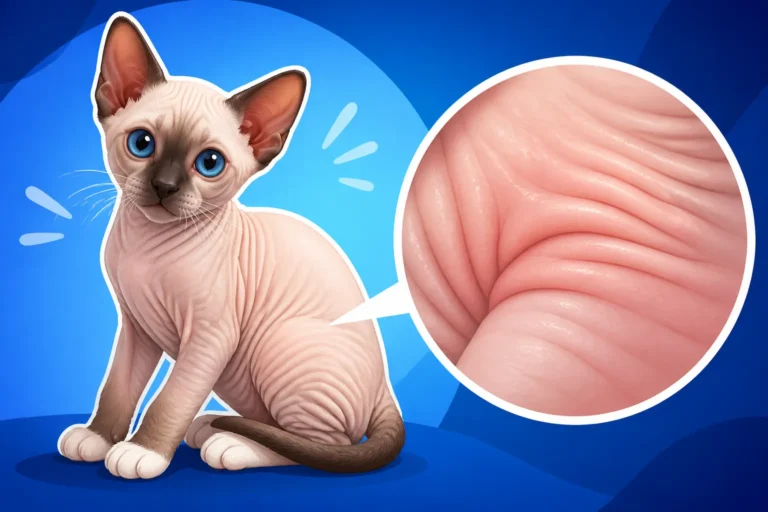
You might notice something is amiss right away. While all Birman kittens are born quite pale and their points darken over time, an affected kitten will typically be born either completely bald or with an extremely sparse, almost downy coat that feels greasy to the touch. This condition is also known as hypotrichosis, which simply means less hair than normal. Beyond the visible lack of fur, there are other, more insidious problems brewing internally. For a deeper dive into the specific characteristics, you can read about What an Affected Birman Kitten Looks Like at Birth. This initial observation is often the first red flag, immediately sending a wave of dread through the person who has been eagerly anticipating these new arrivals.
The Critical Role of the Thymus Gland
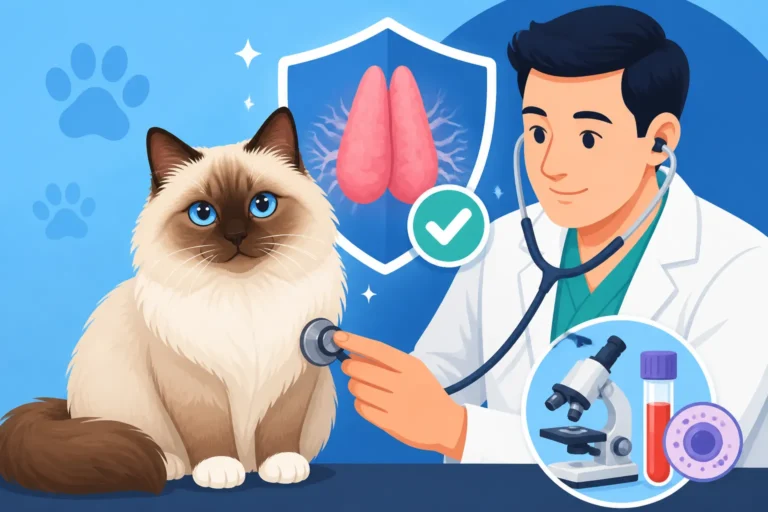
The most critical and devastating aspect of FOXN1 isn't the lack of fur, as distressing as that is visually. It’s the impact on the kitten’s immune system, specifically the thymus gland. The FOXN1 gene is responsible for the development and function of the thymus, a small, butterfly-shaped gland located in the chest, right behind the breastbone. In a healthy kitten, the thymus is a powerhouse, a training ground where T-lymphocytes – a crucial type of white blood cell – mature and learn to fight off infections. Without a properly functioning thymus, these vital immune cells simply don't develop.
Imagine sending soldiers into battle without any training or weapons – that's essentially what happens to an affected Birman kitten's immune system. They have no way to defend themselves against the constant barrage of bacteria, viruses, and fungi that are a normal part of any environment. This profound immune deficiency is what makes the condition so universally fatal. Even if a kitten initially appears somewhat robust, the ticking clock of their compromised immunity begins the moment they are born. This foundational failure is why Why a Birman Kitten Born Bald Will Not Reach Eight Months is such a stark reality.
The Inevitable Immune Deficiency
A kitten born with thymic aplasia, meaning their thymus gland is either entirely absent or severely underdeveloped, is essentially born without an immune system. Think about how many minor sniffles, coughs, or scrapes a normal kitten might encounter and easily overcome in their first few weeks of life. For an affected Birman kitten, these normally harmless encounters become life-threatening emergencies.
Their tiny bodies are defenseless. Common infections that wouldn't even register as a blip on a healthy kitten's radar quickly become overwhelming. Upper respiratory infections, gastrointestinal bugs, skin infections from the delicate, unprotected skin – all of these can rapidly spiral out of control. The kitten might develop a persistent runny nose, incessant sneezing, severe diarrhea, or skin lesions that refuse to heal. These are not isolated incidents; they are constant, relentless battles that the kitten's body simply cannot win. This is the tragic reality of Why a Missing Thymus Leaves a Birman Defenseless. The suffering is profound and continuous, marking a very short and painful existence.
The Grim Reality: Why Survival Is Not an Option
Facing a kitten with FOXN1 forces breeders and owners to confront an agonizing truth: there is no cure, and no effective long-term treatment. The best medical care in the world can only delay the inevitable, not prevent it. The question then shifts from "can we save them?" to "are we prolonging their suffering?"
A Life Plagued by Relentless Infections
An affected Birman kitten lives a continuous nightmare of illness. From the moment they arrive, they are battling for their lives. They struggle to thrive, often failing to gain weight, and may show a lack of energy that goes far beyond normal kitten sleepiness. Every breath, every meal, every interaction with their environment becomes a potential source of a new, deadly infection.
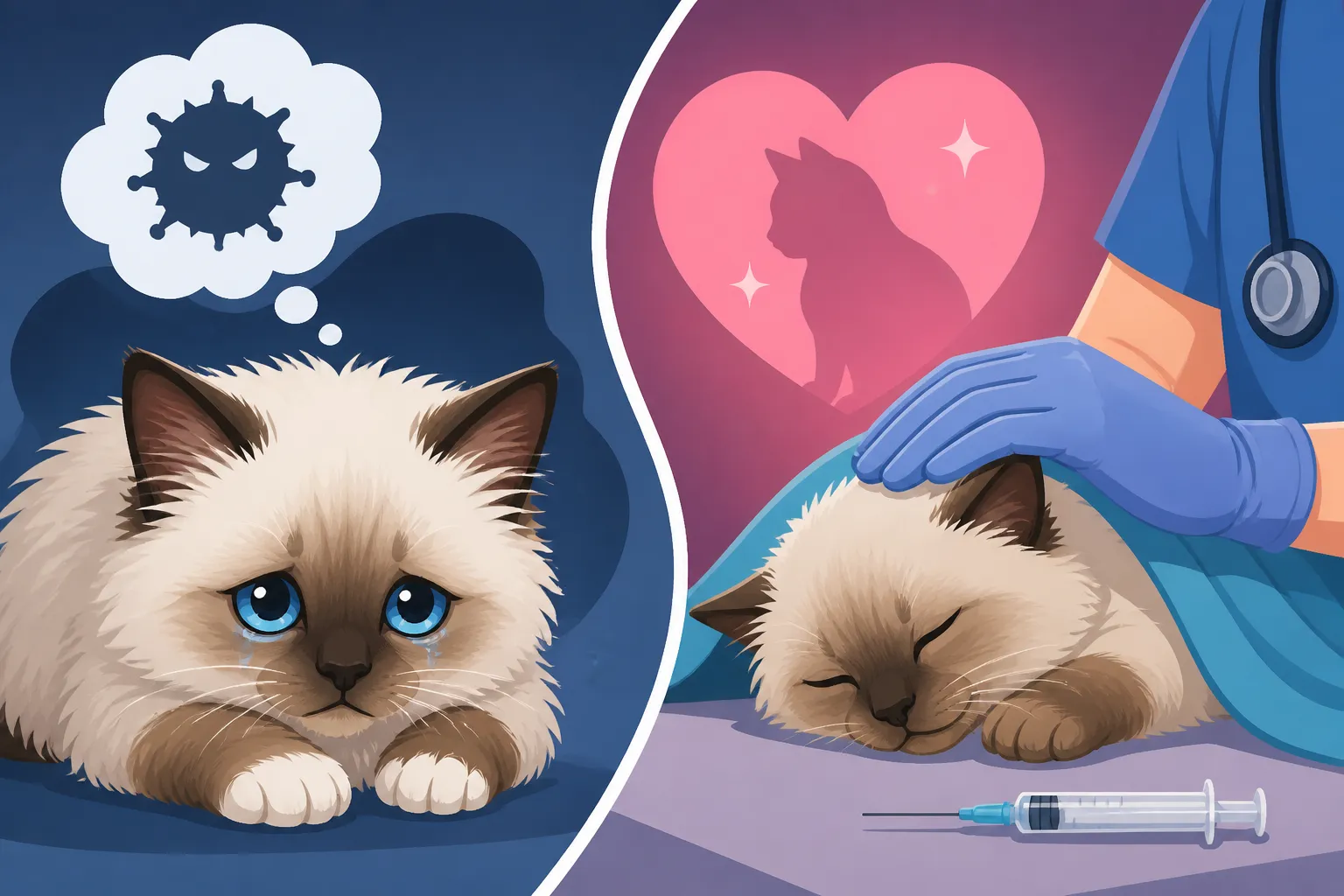
Veterinarians can try to manage symptoms, administering antibiotics for bacterial infections, antifungals, and antiviral medications, but these are merely bandages on a gaping wound. The underlying problem – the lack of a functioning immune system – remains. The infections keep coming back, often more aggressively, as the kitten's tiny body is repeatedly weakened. They may require constant warmth, syringe feeding, and medications around the clock. Imagine watching a tiny creature fight so hard, only to see them relapse over and over. This is the heart-wrenching reality for those who try to prolong an affected kitten's life. They may succumb to things like bacterial pneumonia, severe sepsis, or viral infections that would be mild in a healthy kitten. Understanding Which Infections Kill an Affected Birman Kitten really drives home the severity.
The Financial and Emotional Toll of Prolonged Suffering
Trying to save a FOXN1-affected kitten quickly becomes an overwhelming burden, both financially and emotionally. The cost of round-the-clock veterinary care, specialized medications, intensive nursing, and frequent vet visits can quickly escalate into thousands of dollars. While pet insurance plans like those offered by Healthy Paws can be invaluable for unexpected illnesses or accidents in healthy pets, the terminal and congenital nature of FOXN1 means these extensive costs are generally not covered. Even if they were, the financial aspect pales in comparison to the emotional toll.
Witnessing a kitten in such constant distress, knowing there's no hope for a normal, healthy life, is profoundly traumatic. Breeders, who invest so much love, time, and resources into their lines, grapple with immense guilt and sorrow. Owners, who may have fallen in love with the tiny, struggling furball, face the crushing weight of a decision no one ever wants to make. The prolonged effort to keep the kitten alive often extends the period of their suffering and the human grief, without altering the tragic outcome. It’s a relentless cycle of hope and despair.
Making the Compassionate Choice: Euthanasia and Ethical Considerations
Given the incurable nature of FOXN1 and the profound suffering it causes, euthanasia is almost always the most humane and compassionate decision for an affected Birman kitten. This isn't a choice made lightly, but one rooted deeply in ethical considerations for the animal's well-being.
Prioritizing Quality of Life Over Quantity
The fundamental ethical principle guiding veterinarians and responsible pet owners is to prioritize an animal's quality of life. For a FOXN1-affected kitten, quality of life is essentially non-existent. Their short existence is dominated by illness, discomfort, and the inability to thrive. They cannot experience the joy of playful kittenhood, the warmth of sustained health, or the simple comfort of being free from pain.
To prolong their life through intensive medical intervention, knowing full well that they will never recover and will only face more suffering, is widely considered unethical. Euthanasia, in this context, is an act of profound kindness. It ends their pain and prevents further distress, allowing them to pass peacefully, surrounded by love. It’s about sparing them a drawn-out, agonizing death from recurrent infections. While the emotional pain for humans is immense, the act itself is for the kitten's benefit.
The Breeder's Responsibility and Preventative Measures
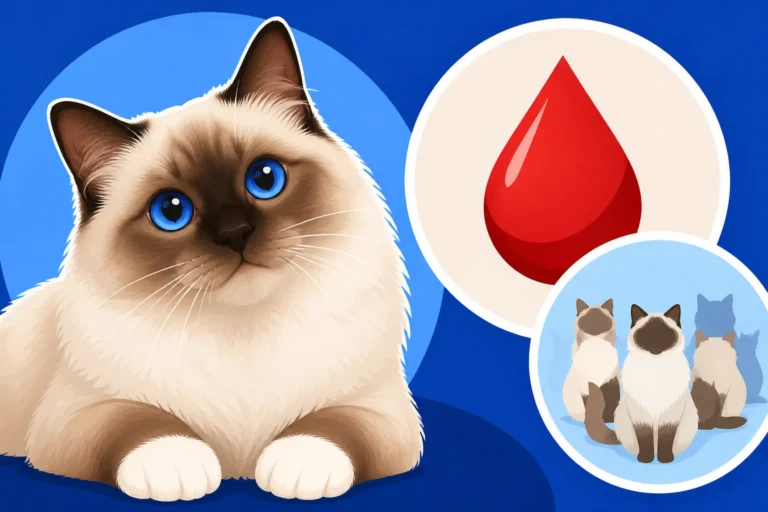
Responsible Birman breeders bear a heavy responsibility to prevent such tragedies. This is why comprehensive genetic testing is not just recommended, but absolutely essential in any ethical breeding program. Breeders should be actively testing their breeding cats for the FOXN1 gene. If both parents are known carriers, they should never be mated together. This is a crucial step to avoid producing affected kittens, because when two carriers are bred, there's a 25% chance in each litter of producing an affected kitten, a 50% chance of producing carriers, and a 25% chance of producing clear kittens.
Understanding How a Birman Carrier Is Identified is paramount. A simple DNA test, often done via a cheek swab, can definitively tell a breeder if their cat is clear, a carrier, or affected (though affected kittens typically don't live long enough to be part of a breeding program). Knowing a cat’s status allows breeders to make informed decisions and prevent these devastating pairings. This is exactly Why Two Birman Carriers Should Never Be Mated. These practices are a cornerstone of ethical breeding, ensuring that future generations of Birmans are healthy and free from this terrible genetic disease.
Support for Grieving Owners and Breeders
The decision to euthanize a kitten, even one facing inevitable suffering, is incredibly painful. Breeders often feel a profound sense of responsibility and grief, not only for the loss of the kitten but also for the knowledge that this genetic flaw exists in their line. For potential owners who might have been hoping for a kitten from a particular litter, learning of such a tragedy can also be upsetting.
It's vital for those involved to seek and receive emotional support during this difficult time. Reputable breeders are usually very open about their genetic testing protocols and the tough decisions they sometimes have to make. Support groups, veterinary grief counseling, or even just talking to fellow Birman enthusiasts who understand the unique challenges of the breed can be incredibly helpful. Acknowledging the depth of the loss, even for a very young kitten, is an important part of the healing process.
Looking Ahead: Preventing Future Tragedies
While the current reality for an affected Birman kitten is grim, the good news is that preventing FOXN1 is entirely within human control through responsible breeding practices. Knowledge and testing are our most powerful tools.
The Importance of Genetic Testing
Genetic testing for FOXN1 is the cornerstone of a healthy future for the Birman breed. Breeders must routinely screen all their breeding stock to identify carriers of the gene. This proactive approach ensures that affected kittens are not born in the first place. Many reputable laboratories offer DNA tests for FOXN1, and it's often performed alongside other important genetic screenings relevant to the breed, such as Polycystic Kidney Disease (PKD1). Knowing What Testing a Birman for FOXN1 and PKD1 Together Costs can help breeders budget for these essential health checks.
This isn't an optional extra; it's a fundamental part of responsible breeding. Any breeder who is serious about the health of their Birmans will have clear, documented proof of these tests for their breeding cats and will be happy to share these results with prospective kitten buyers. Transparency is key here, and if a breeder is cagey about sharing genetic test results, it should raise a significant red flag. You might also want to explore Which Lab Runs the Birman FOXN1 Test to understand the testing process better.
Understanding Carrier Status
It’s important to remember that a "carrier" is not an "affected" cat. A Birman cat that carries one copy of the FOXN1 gene is perfectly healthy and will never develop the disease itself. They simply have the potential to pass the gene on to their offspring. This is where careful breeding decisions come into play.
A carrier cat can still be part of a breeding program, but only if they are mated with a cat that has tested "clear" (meaning they don't have any copies of the gene). When a carrier is bred with a clear cat, there's a 50% chance of producing carriers and a 50% chance of producing clear kittens, but a 0% chance of producing an affected kitten. This strategy allows breeders to maintain genetic diversity within the breed without compromising kitten health. Understanding How to Read a Birman's Carrier Result is crucial for any breeder, and it directly ties into Why a Birman Carrier Can Still Be Bred Carefully under strict conditions. This careful management of carrier animals is vital for the long-term genetic health of the Birman.
The Wider Impact on the Birman Breed
Every decision made by individual breeders has a ripple effect on the entire Birman breed. By diligently testing and making informed breeding choices, breeders contribute to the gradual reduction of the FOXN1 gene within the Birman population. Over time, this commitment to genetic health helps ensure that the future of the Birman is brighter, with fewer kittens suffering from this devastating condition.
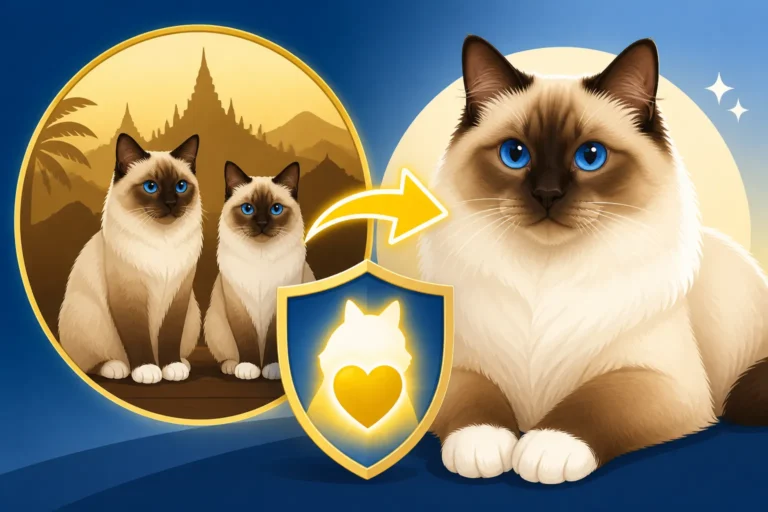
This collective effort safeguards the health and reputation of the Birman, allowing its gentle, affectionate temperament and stunning beauty to shine through without the shadow of preventable genetic diseases. It’s a testament to the dedication of the Birman community to the well-being of these "Sacred Cats of Burma."
Birman FOXN1 Status at a Glance
Here’s a quick comparison to help understand the different FOXN1 statuses in Birmans:
| Characteristic | Clear Cat | Carrier Cat | Affected Cat (FOXN1) |
|---|---|---|---|
| Genetic Makeup | Two normal copies of the FOXN1 gene | One normal, one faulty copy of FOXN1 gene | Two faulty copies of the FOXN1 gene |
| Health Status | Completely healthy | Completely healthy | Severely ill, immune deficient |
| Appearance | Normal coat and development | Normal coat and development | Bald or very sparse, greasy coat |
| Thymus Gland | Fully developed and functional | Fully developed and functional | Absent or severely underdeveloped (aplasia) |
| Immune System | Strong, capable of fighting infections | Strong, capable of fighting infections | Non-functional, defenseless |
| Breeding Potential | Can be bred with any other Birman | Can only be bred with a "Clear" Birman | Not viable for breeding, typically euthanized |
| Life Expectancy | Normal (12-16 years) | Normal (12-16 years) | Very short, usually only weeks or months |
Disclaimer
This article is intended for informational purposes only and does not constitute veterinary advice. Always consult with a qualified veterinarian for any health concerns or before making decisions regarding your pet's care.