How to Read a Birman’s Carrier Result
Finding out your beloved Birman carries a specific genetic trait can feel like a punch to the gut, even if you know they're healthy themselves. It’s natural to worry when you see terms like "carrier" on a lab report, conjuring fears of future illness or complications. This comprehensive guide is here to walk you through exactly what those Birman carrier results mean, how to interpret them, and why this information is so vital for the health of the breed.
Understanding Genetic Carriers in Birmans: What Does "Carrier" Really Mean?
When we talk about a Birman being a "carrier" for a genetic condition, it's really important to understand that it usually means your cat is perfectly healthy. They don't have the disease themselves. Instead, they carry one copy of a gene mutation that, if inherited from both parents, could cause the disease in their offspring. Think of it like carrying a single blueprint for a specific building flaw – you don't have the flawed building, but you could contribute to building one if paired with someone else holding the same blueprint.
Birmans, like many purebred cats, have a few genetic quirks we carefully monitor. Two of the most significant conditions where carrier status is crucial are Feline Hypotrichosis with Thymic Aplasia (often linked to the FOXN1 gene) and Polycystic Kidney Disease (PKD1). For both these conditions, the mode of inheritance is typically autosomal recessive. This means a cat needs two copies of the faulty gene (one from each parent) to actually develop the disease. A carrier only has one copy.
The beauty of modern genetic testing is that we can now identify these carriers with simple, non-invasive tests, often just a cheek swab. This empowers breeders and owners to make informed decisions to safeguard the health of future generations. Without this testing, we'd be playing a genetic lottery, potentially leading to heartbreaking situations for kittens and their families. This proactive approach is a cornerstone of responsible breeding, ensuring we're always striving for healthier, happier Birmans.
What Genetic Testing Looks For in Birmans
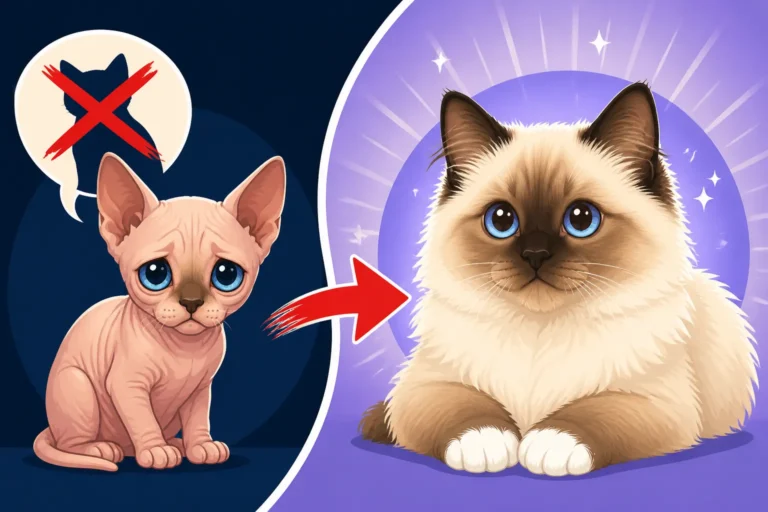
Birman genetic testing primarily zeroes in on specific genes known to cause health issues within the breed. For Feline Hypotrichosis with Thymic Aplasia, the focus is on the FOXN1 gene. This is a severe condition, often referred to as "short life expectancy," where affected kittens are born bald and have a compromised immune system due to a missing or underdeveloped thymus gland. It's a truly devastating condition, and identifying carriers is paramount. Breeders need to understand FOXN1 Is the Birman's Own Genetic Disease to prevent its occurrence.
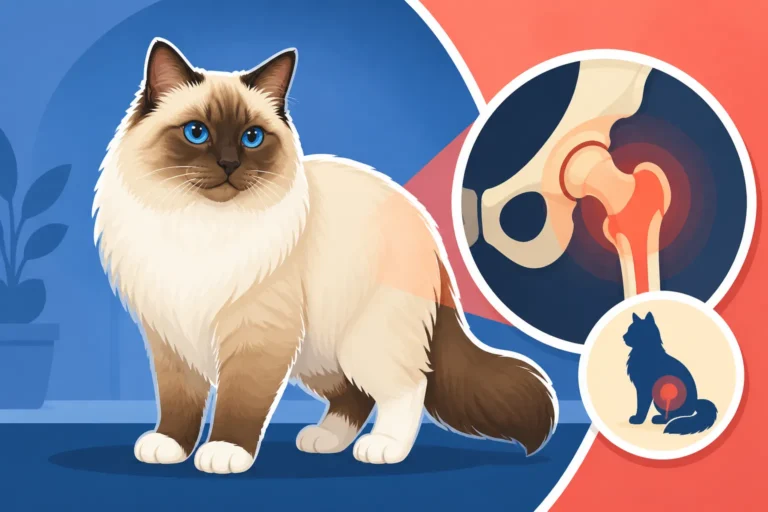
Polycystic Kidney Disease (PKD1) is another key concern, inherited as an autosomal dominant trait in most breeds, but the specific mutation for Birmans is managed similarly in breeding strategies. For PKD, genetic testing identifies the presence of cysts that can develop on the kidneys. While typically a dominant trait, carrier status implies the ability to pass the gene on. However, in Birmans, the specific PKD1 mutation test is often performed to confirm a cat's status, especially given that Why a Birman Breeder Still Tests for PKD even though it's often associated more strongly with Persians.
These tests don't look for every possible genetic anomaly, but they target the ones that are well-understood, have known genetic markers, and can be reliably screened for. The results from these tests provide clarity, allowing for controlled breeding practices that reduce the incidence of these diseases. It’s a huge relief to know your cat is clear, and even if they're a carrier, it’s invaluable knowledge to protect future litters.
The Difference Between Clear, Carrier, and Affected
Understanding these three terms is fundamental to interpreting any genetic test result:
- Clear (or Homozygous Normal): This is the best-case scenario. A cat designated "Clear" (often represented as N/N, +/+, or homozygous normal) has two normal copies of the gene in question. They do not have the genetic mutation, and they cannot pass it on to their offspring. They are genetically free from that particular condition.
- Carrier (or Heterozygous): This is where our focus lies. A "Carrier" (often represented as N/P, +/-) has one normal copy of the gene and one copy of the gene mutation. As discussed, for autosomal recessive conditions, these cats are usually perfectly healthy and will never develop the disease themselves. Their significance lies in their ability to pass that single mutated gene copy to their kittens. If a carrier is bred to another carrier, there’s a risk of producing affected kittens.
- Affected (or Homozygous Affected): An "Affected" cat (often represented as P/P, -/-, or homozygous affected) has inherited two copies of the mutated gene, one from each parent. These cats will develop the genetic disease. For severe conditions like FOXN1, affected kittens are often recognized early because Why a Birman Kitten Born Bald Will Not Reach Eight Months and tragically, their prognosis is very poor. It's understanding these outcomes that underscores the importance of carrier testing.
This distinction is why breeders pay so much attention to these results. While a carrier Birman is not sick, they are crucial puzzle pieces in the larger genetic health strategy of the breed.
Why Carrier Status Is Crucial for Breeders and Owners
For breeders, knowing a Birman's carrier status isn't just important; it's absolutely essential for ethical and responsible breeding. When a breeder knows a cat is a carrier for an autosomal recessive condition, they know to avoid pairing that cat with another carrier for the same condition. If two carriers are mated, statistically, 25% of the kittens in the litter will be affected, 50% will be carriers, and 25% will be clear. This is precisely Why Two Birman Carriers Should Never Be Mated if the goal is to eliminate affected kittens.
Instead, a responsible breeder might choose to breed a carrier to a "clear" cat. In such a pairing, none of the kittens will be affected, though approximately 50% will still be carriers. This allows valuable genetic diversity to be maintained within the breed by not immediately removing all carriers from the breeding pool, while still ensuring no affected kittens are born. Over time, through careful breeding programs, the prevalence of the mutated gene can be significantly reduced.
For pet owners, while your carrier Birman won't suffer from the disease, understanding their status provides peace of mind and valuable information if you ever need to share their genetic history with a vet or if they were, for some unforeseen reason, ever considered for breeding. It's part of knowing your cat's full health profile, just like knowing their blood type or vaccination history.
Decoding Your Birman's Test Report: A Step-by-Step Guide
Receiving a genetic test report can sometimes feel like trying to decipher a secret code. There's usually a lot of scientific jargon, numbers, and symbols that aren't immediately clear. But with a little guidance, you'll find that these reports follow a fairly standard format, and understanding your Birman's carrier result becomes much more straightforward.
Most reputable laboratories aim to make their reports as user-friendly as possible, but knowing what to look for will certainly help. It’s always a good idea to discuss the results with your veterinarian or breeder, especially if you have any lingering questions. They can provide context and clarify any specific terms used in the report.
Identifying the Test Name and Gene
The first thing to locate on your report is the name of the test performed and the specific gene it analyzed. For Birmans, you'll typically see tests for:
- FOXN1 (Feline Hypotrichosis with Thymic Aplasia): This will usually be clearly stated. The FOXN1 gene is responsible for the development of hair and the thymus gland.
- PKD1 (Polycystic Kidney Disease): This test identifies the mutation that causes cysts to form on the kidneys.
The report will usually list the breed (Birman), your cat's name and registration number, and the date the sample was collected and processed. This ensures you're looking at the correct results for the correct cat. If you're dealing with a breeder, they should provide you with a copy of these official results. In fact, Which Results a Birman Breeder Must Put in Writing typically includes these crucial genetic test outcomes.
Interpreting the Allele Designations
This is the core of understanding your Birman’s genetic status. Genetic results are usually presented using a combination of letters or symbols to represent the alleles (gene copies) your cat possesses for the condition.
Here are the most common designations you’ll encounter:
- N/N (or Clear, Homozygous Normal): This means your Birman has two normal copies of the gene. They are completely clear of the mutation and cannot pass it on. For example, for FOXN1, an N/N result means your cat has two healthy FOXN1 genes.
- N/P (or Carrier, Heterozygous): This indicates your Birman has one normal copy of the gene (N) and one copy of the mutated gene (P, for 'positive' or 'present'). This is the "carrier" status. Your cat does not have the disease but can pass the mutated gene to its offspring. For FOXN1, an N/P result means your cat carries the gene for thymic aplasia but is unaffected itself.
- P/P (or Affected, Homozygous Affected): This means your Birman has two copies of the mutated gene. This cat is affected by the condition. For FOXN1, a P/P result would mean the kitten is afflicted with Feline Hypotrichosis with Thymic Aplasia, and What an Affected Birman Kitten Looks Like at Birth is usually quite distinctive, sadly leading to a very short life.
Sometimes, laboratories might use different symbols like +/+ for clear, +/- for carrier, and -/- for affected, or simply state "Positive" or "Negative" alongside the genetic status. Always refer to the legend or explanation provided on the specific lab report itself, as conventions can vary slightly between different testing facilities.
Here's a simplified table to help you visualize:
| Genetic Status | Allele Designation (Common) | Meaning | Health of the Birman | Breeding Implications |
|---|---|---|---|---|
| Clear | N/N or +/+ | Two normal gene copies | Healthy, no disease | Cannot pass on the mutation |
| Carrier | N/P or +/- | One normal, one mutated gene copy | Healthy, no disease | Can pass on the mutation to ~50% of offspring |
| Affected | P/P or -/- | Two mutated gene copies | Has the disease | Will pass on the mutation to 100% of offspring |
Common Testing Labs and Report Layouts
Several reputable veterinary genetic testing laboratories serve breeders and owners worldwide. Some of the well-known ones include Optimal Selection (part of Wisdom Panel), UC Davis Veterinary Genetics Laboratory, and GenSol Diagnostics. Each lab has its own report layout, but they all share the fundamental goal of clearly communicating your cat's genetic status.
Typically, a report will include:
- Header Information: Lab name, client details (breeder/owner), cat's name, breed, date of birth, microchip number.
- Test Results Section: This is where you’ll find the specific disease tested for (e.g., "Feline Hypotrichosis (FOXN1)") and the corresponding result (e.g., "Carrier (N/P)").
- Interpretation Notes: Often, labs will include a brief explanation of what "Clear," "Carrier," and "Affected" mean in the context of that specific disease. They might also provide recommendations for breeding pairs, stressing the importance of not breeding two carriers together.
- Methodology: A section detailing the scientific methods used for testing, which is more for scientific record than for everyday interpretation.
If you’re ever unsure, don’t hesitate to reach out to the laboratory directly or consult your veterinarian. They can help you understand the nuances of a particular report. Getting What Testing a Birman for FOXN1 and PKD1 Together Costs will often involve a combined panel from these labs, giving a comprehensive overview.
The Implications of a Birman Carrier Result for Breeding and Ownership
Discovering your Birman is a carrier, while not a health concern for the cat itself, carries significant implications. For breeders, it dictates future pairing strategies, while for pet owners, it's about being informed and responsible. The goal is always to minimize the presence of genetic diseases in the breed and ensure the long-term health and vitality of Birmans everywhere.
The emotional weight of a "carrier" diagnosis for a breeder can be substantial. They’ve invested time, love, and resources into their lines, and finding a carrier means carefully rethinking breeding plans. However, it’s also an opportunity to make truly responsible, ethical choices that benefit the breed as a whole. This is a testament to how far veterinary science has come in supporting animal welfare.
Breeding Strategies for Carriers: Safe Pairings and Avoiding Affected Kittens
When a Birman is identified as a carrier for an autosomal recessive condition like FOXN1, a responsible breeder has a clear path forward:
- Never breed two carriers together: This is the golden rule. As explained, breeding two N/P cats together will result in 25% of their offspring being P/P (affected), 50% being N/P (carriers), and 25% being N/N (clear). The devastating outcome for affected kittens means this pairing must be avoided at all costs.
- Breed a carrier to a clear cat: This is the recommended strategy for incorporating a carrier into a breeding program while preventing affected offspring. When an N/P cat is bred to an N/N cat, 50% of the kittens will be N/N (clear) and 50% will be N/P (carriers). Crucially, none of the kittens will be P/P (affected).
- Test all offspring: Even when breeding a carrier to a clear cat, it's essential to test all the kittens to identify which ones are carriers and which are clear. This allows future generations to be managed responsibly, slowly reducing the prevalence of the mutated gene in the breeding line. Understanding How a Birman Carrier Is Identified in kittens early on helps in making informed decisions about their future.
This strategic approach allows breeders to continue using valuable bloodlines that might carry a desirable trait or genetic diversity, without sacrificing the health of the kittens. It’s a delicate balance but one that experienced Birman breeders manage expertly.
What an Owner of a Carrier Pet Needs to Know
If your Birman is a cherished pet and happens to be a carrier for a condition like FOXN1 or PKD1, there's generally no need for alarm regarding their own health. For autosomal recessive conditions, carriers are healthy. They will not develop the disease simply because they have one copy of the mutated gene.
For a pet Birman who is a carrier, the main takeaway is simply to be aware of their genetic status. This information might be useful if:
- Future breeding is considered: If you ever thought about breeding your Birman (though reputable breeders typically sell pets on spay/neuter contracts), their carrier status would be critical.
- Veterinary records: It's a good piece of information to have in your cat's health records, allowing your vet to have a complete picture of their genetic background.
- Discussion with future owners: If you ever had to rehome your Birman (a scenario we all hope to avoid!), passing on this genetic information to the new owners would be a responsible step.
In essence, a carrier status for a pet Birman typically means you have a perfectly healthy cat, but you possess valuable knowledge about the breed’s genetics. This is particularly true for Why the Persian Outcross Left PKD in the Birman; even if your cat is a carrier for PKD1, it doesn't mean they will develop severe kidney disease, but it's important data if you were ever considering breeding.
Monitoring the Health of a Carrier Birman
For conditions like FOXN1 (Feline Hypotrichosis with Thymic Aplasia), a carrier Birman typically requires no special health monitoring related to their carrier status. They are not affected by the disease. The mutation only manifests if two copies are inherited.
For PKD1 (Polycystic Kidney Disease), the situation can be slightly different depending on the specific mutation and mode of inheritance in the Birman line. While a "carrier" for the traditional dominant PKD1 mutation usually means they have one copy and will eventually develop cysts (though often mild and late-onset), the Birman breed's history with PKD is complex due to its Persian outcross. If your Birman carries the PKD1 gene, your vet might recommend routine kidney health checks as part of their annual wellness exams, especially as they age. This might include blood tests to check kidney values and possibly an ultrasound to monitor for any cyst development, though this is proactive rather than reactive to current symptoms. These are usually general good practices anyway for Birmans as they age.
Regardless of carrier status, maintaining a healthy lifestyle, providing a balanced diet, and ensuring regular veterinary check-ups are key to your Birman's well-being. A carrier status is a genetic marker, not a diagnosis of current illness for the individual cat.
Navigating the Future: Living with a Birman Carrier
Bringing a Birman into your home means embracing a wonderful companion, and understanding their genetic health profile is part of that journey. If your Birman is a carrier, it simply means you're part of the ongoing effort to ensure the breed remains healthy and vibrant for generations to come. It’s about being informed, making smart choices, and celebrating your cat for the beautiful, healthy individual they are.
The transparency provided by genetic testing truly changes the game for purebred cats. It takes away much of the guesswork and anxiety, replacing it with actionable information. This allows breeders to carefully select pairings and slowly but surely reduce the incidence of these distressing diseases.
Veterinary Care and Health Considerations for Carriers
When your Birman is a carrier for FOXN1 or PKD1, their general veterinary care remains largely the same as any other Birman. They still need their routine vaccinations, parasite control, regular dental checks (considering How Dental Disease Progresses in a Birman), and annual wellness exams.
For FOXN1 carriers, since they are not affected by the disease, no specific additional veterinary care is needed. The disease itself affects the thymus and hair follicles, neither of which are problematic in a healthy carrier.
For PKD1 carriers, while they may not develop severe symptoms, proactive monitoring for kidney health as they age is a good idea. This could include:
- Annual blood work: Monitoring kidney values (BUN, creatinine, SDMA) can help detect early changes.
- Urine analysis: Checking urine specific gravity and protein levels can also indicate kidney function.
- Ultrasound: If there's any concern, a veterinary ultrasound can visualize the kidneys and check for cysts, even small ones.
These recommendations are often part of a comprehensive senior wellness plan for all Birmans, given the breed’s general predispositions, so carrying the PKD1 gene simply reinforces the importance of diligent follow-up. Pet insurance, such as from Healthy Paws, can be a real lifeline for managing these routine or unexpected health checks, providing financial relief if more intensive diagnostics or treatments are ever needed.
The Importance of Responsible Breeding Practices
The existence of carrier testing highlights the critical role of responsible breeding. A good Birman breeder doesn't just breed for looks or temperament; they prioritize health above all else. This means:
- Genetic testing of all breeding cats: Ensuring every potential parent is screened for relevant genetic conditions like FOXN1 and PKD1.
- Careful selection of breeding pairs: Actively avoiding pairings that could produce affected kittens. This might mean making difficult decisions about certain cats, but it's always in the best interest of the breed.
- Transparency: Providing potential buyers with full access to the genetic test results of both parents, and often the kitten itself. This transparency builds trust and empowers new owners.
- Education: Guiding prospective owners on what these genetic results mean and why they are important.
It's through these diligent practices that the Birman breed can continue to thrive, free from the burden of preventable genetic diseases. When you choose a Birman, ensure you ask for verifiable proof of genetic testing.
Financial Implications and Insurance for Carrier Birmans
When it comes to financial implications, a Birman that is a carrier for an autosomal recessive condition generally won't incur additional costs related to that specific carrier status. They are healthy cats. The costs associated with a Birman carrier are the same as any other healthy Birman: food, routine vet visits, grooming supplies, and perhaps pet insurance.
However, if your Birman is a carrier for a condition like PKD1, which can lead to actual health issues (even if mild or late-onset), you might consider pet insurance even more seriously. Policies from providers like Healthy Paws can cover a significant portion of diagnostic tests, medications, and treatments for illnesses, potentially easing the financial burden if kidney issues arise down the line. It's always a smart move to look into pet insurance early in your Birman's life, ideally before any conditions might be noted in their medical history.
Ultimately, owning a Birman, whether they are clear or a carrier, is a long-term commitment. Budgeting for their care, including potential future health needs, is part of being a responsible owner. Knowing their genetic status, including if they are a carrier, simply adds another layer of preparedness and understanding to that commitment.
Disclaimer
The information provided in this article is for general informational purposes only and does not constitute veterinary advice. Always consult with a qualified veterinarian for any health concerns or before making any decisions related to your Birman's health, breeding, or care. Genetic test interpretations should always be confirmed with your veterinarian or the testing laboratory.