Why a Cheek Swab Clears a Birman for FOXN1
The thought of a serious genetic condition lurking unseen in your beautiful Birman is a significant concern for any devoted owner or conscientious breeder. It's natural to wonder how a non-invasive, seemingly simple cheek swab can provide definitive answers for something as serious as FOXN1, potentially saving future generations from suffering. This guide will walk you through the science and practicality of why a cheek swab is the gold standard for accurately clearing a Birman for the FOXN1 genetic mutation, offering crucial peace of mind.
Understanding FOXN1: A Critical Birman Health Concern
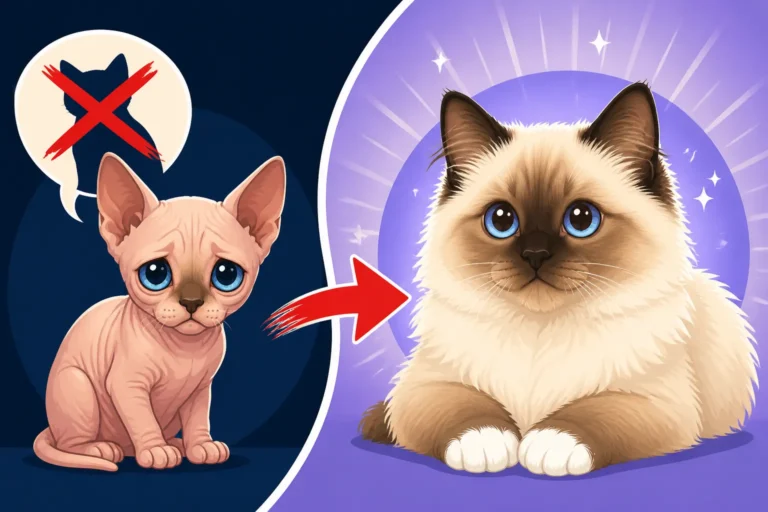
Before we dive into the elegance of the cheek swab, it's really important to understand what we're testing for and why it matters so much in the Birman breed. FOXN1, sometimes referred to as Feline Hypotrichosis with Thymic Aplasia, is a profoundly serious genetic disorder that unfortunately affects Birman cats. It’s not just about a missing coat, which might sound purely cosmetic; this condition strikes at the very core of a kitten’s immune system, leaving them incredibly vulnerable.
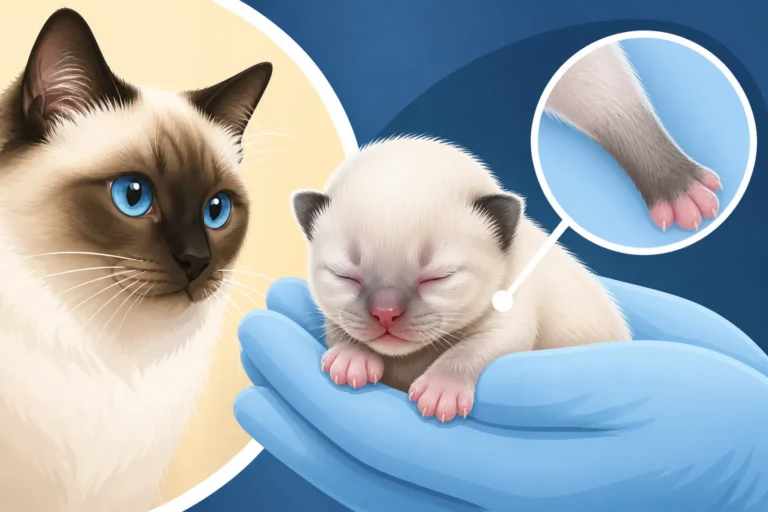
When a kitten inherits two copies of the defective FOXN1 gene, they are born without hair, or with a very sparse, thin coat that offers almost no protection. More critically, they also suffer from thymic aplasia, meaning their thymus gland – a vital organ for developing T-cells, which are the immune system's frontline defenders – is either severely underdeveloped or completely absent. You can imagine the impact this has; these little ones are essentially born without the ability to fight off even common infections. They are defenseless against a world full of bacteria and viruses, which is Why a Birman Kitten Born Bald Will Not Reach Eight Months. It’s a truly heartbreaking condition to witness, and breeders work tirelessly to prevent it. This condition is why FOXN1 Is the Birman's Own Genetic Disease is such a crucial area of focus for the breed.
The genetic deletion responsible for FOXN1 is recessive. This means a Birman needs to inherit two copies of the faulty gene – one from each parent – to actually be affected by the disease. Cats that inherit only one copy of the faulty gene from one parent are known as "carriers." A carrier cat appears perfectly healthy; they have a full, luxurious coat, a normal immune system, and show no signs of the disease themselves. They live completely normal lives. However, they carry that single defective gene and can pass it on to their offspring. This is precisely why identifying carriers is so vital for responsible breeding, as Why Two Birman Carriers Should Never Be Mated cannot be stressed enough if we are to prevent affected kittens.
The Science Behind the Swab: How DNA is Retrieved and Tested
Now, let's get to the nitty-gritty of why a simple cheek swab is so effective and reliable for detecting the FOXN1 mutation. The key lies in DNA – the blueprint of life that's found in almost every cell in your cat's body. Whether it's a hair follicle, a blood sample, or the cells lining the inside of their mouth, the DNA is identical and contains all the genetic information we need.
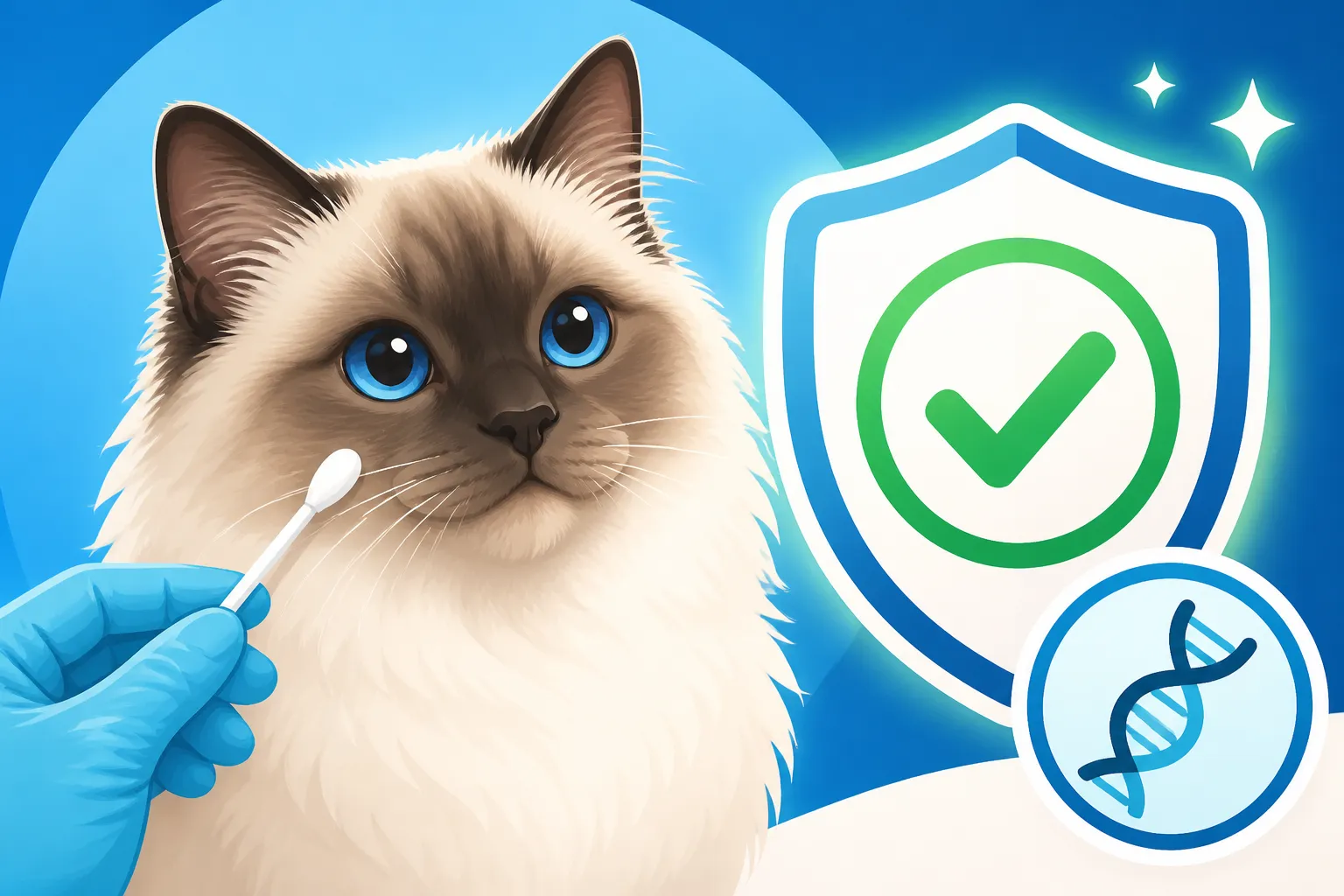
When you take a cheek swab, you're essentially collecting epithelial cells, which are the cells that constantly shed from the inside lining of the cat's mouth. These cells are packed with DNA. Unlike a blood draw, which can be more stressful for the cat and might require a veterinary visit, a cheek swab is completely non-invasive, quick, and can often be done comfortably at home by the owner or breeder. It's a gentle scrape along the gum line and inner cheek using a specialized sterile brush or cotton swab. This ease of collection doesn't compromise the quality of the sample at all. In fact, labs specifically design their protocols to extract high-quality DNA from these small but potent cellular deposits.
Once collected, the swab is sent to a specialized genetic testing laboratory. Reputable labs, like those often recommended by breed clubs, have sophisticated processes for isolating and analyzing the DNA. They use a technique called Polymerase Chain Reaction (PCR), which allows them to amplify, or make millions of copies of, specific sections of the cat's DNA. This targeted amplification means they can focus precisely on the region of the FOXN1 gene where the known mutation (a specific deletion) occurs. By comparing the amplified DNA from your Birman to known sequences, the lab can determine if the deletion associated with FOXN1 is present, and if so, whether the cat has one copy (carrier) or two copies (affected). This is how Which Lab Runs the Birman FOXN1 Test reliably provides accurate results.
The reliability of a DNA test derived from a cheek swab is exceptionally high. DNA, by its very nature, is stable and doesn't change throughout a cat's life. A cat's genetic makeup is determined at conception and remains constant. This means a DNA test performed on a kitten is just as accurate as one performed on an adult cat. There's no ambiguity, no "maybe" – the genetic presence or absence of the FOXN1 mutation is either there or it isn't, and the test directly detects that. This makes the cheek swab a powerful tool for screening Birmans at any age, providing a definitive answer without needing more invasive procedures, which can be particularly reassuring when dealing with the potential of a serious illness like FOXN1.
Interpreting the Results: Clear, Carrier, or Affected
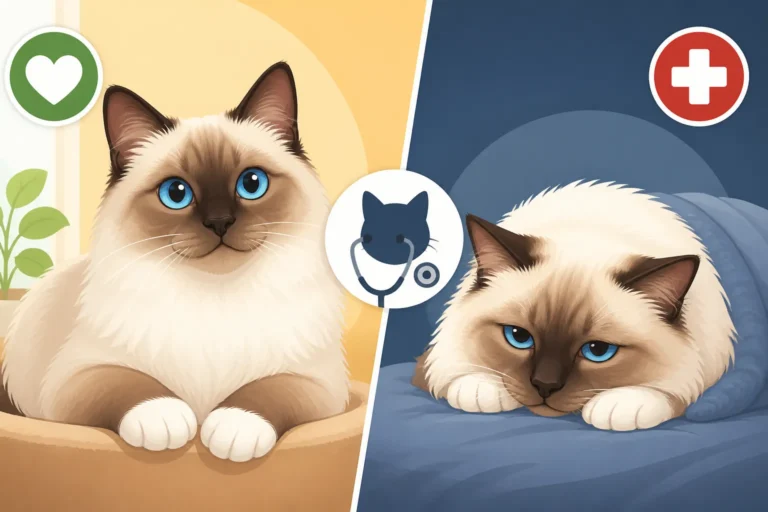
Understanding what your Birman's FOXN1 test results mean is crucial for both pet owners and breeders. The lab will typically provide one of three outcomes, each with distinct implications for the cat's health and, for breeding animals, for their future role in a breeding program.
"Clear" (or "Homozygous Normal")
If your Birman's results come back as "Clear," this is the best possible outcome. It means your cat has two normal copies of the FOXN1 gene and does not carry the mutation at all. A clear cat cannot develop FOXN1 (hypotrichosis with thymic aplasia), and critically, they cannot pass the defective gene on to their offspring. This gives immense peace of mind. For pet owners, it simply means one less health worry. For breeders, a clear cat is a valuable asset, as it ensures that none of their kittens will be born affected by FOXN1, regardless of the genetic status of their mate (though mating with another clear cat is still ideal for overall gene pool health). This status directly explains why a cheek swab clears a Birman for FOXN1; it definitively confirms the absence of the problematic gene.
"Carrier" (or "Heterozygous")
A "Carrier" result means your Birman has one normal copy of the FOXN1 gene and one copy of the defective gene. As we discussed, carrier cats are clinically healthy. They will never develop the condition themselves because the single normal copy of the gene is sufficient for proper development of their coat and thymus. However, a carrier cat can pass the defective gene to approximately 50% of its offspring. This is where responsible breeding comes in. A carrier cat, if bred to another carrier, has a 25% chance of producing affected kittens. This is a crucial point, and it’s why understanding How a Birman Carrier Is Identified is so important for preserving the breed. While a carrier can still be part of a breeding program, it must only be mated with a cat that has been tested and found to be "Clear." This strategy ensures that no affected kittens are born.
"Affected" (or "Homozygous Affected")
An "Affected" result means the Birman has inherited two copies of the defective FOXN1 gene, one from each parent. These kittens will develop hypotrichosis and thymic aplasia. They will be born bald or nearly so, and their compromised immune system will make them highly susceptible to infections. As heartbreaking as it is, these kittens typically have a very short life expectancy, often succumbing to illness within their first few months. This is the condition that we are striving to eradicate through diligent genetic testing. What FOXN1 Does to a Birman Kitten is truly devastating, and identifying affected kittens is critical, often leading to difficult but compassionate decisions about their welfare. Knowing Why a Missing Thymus Leaves a Birman Defenseless helps explain the severity.
The Power of Proactive Testing:
The beauty of genetic testing with a simple cheek swab is its preventative power. Breeders can use this information to make informed decisions, preventing the suffering of affected kittens entirely. By testing all breeding stock, they can ensure that carrier cats are never mated with other carriers. This drastically reduces the incidence of the disease and contributes to a healthier Birman population overall. Regular testing and transparent reporting of results are hallmarks of a responsible breeding program, ensuring that the health and well-being of these magnificent cats are always prioritized.
The Impact of Genetic Testing for Birman Health
The availability and widespread adoption of genetic testing for conditions like FOXN1 using a simple cheek swab have revolutionized Birman breeding and health management. It’s not just a scientific curiosity; it’s a practical, ethical tool that empowers breeders and provides immense reassurance to pet owners.
Firstly, genetic testing allows for proactive disease prevention. In the past, genetic diseases often only became apparent when affected kittens were born. This was devastating for the animals and the breeders. Now, with a simple, inexpensive, and non-invasive cheek swab, breeders can know the genetic status of their cats before any matings occur. This knowledge is invaluable, allowing them to make informed decisions that prevent the birth of affected kittens entirely. This commitment to health ensures that How the FOXN1 Deletion Reaches a Birman Litter can be carefully managed and often avoided. It’s a testament to how science can directly improve animal welfare.
Secondly, it contributes significantly to the overall health and integrity of the Birman gene pool. While removing all carriers from the breeding pool might seem like a straightforward solution, it could also severely restrict the already somewhat narrow genetic diversity of the Birman breed. Remember, The Birman Was Rebuilt From Two Cats and It Shows post-World War II, which means careful management of genetic traits is always a consideration. By identifying carriers and only breeding them to clear cats, breeders can continue to utilize valuable bloodlines without producing affected offspring. This strategy allows for responsible management of the gene pool, gradually reducing the prevalence of the FOXN1 allele while maintaining genetic diversity. This is why Why a Birman Stud Should Be Cleared Before Use is a standard practice for all reputable breeders.
Finally, genetic testing offers unparalleled transparency and peace of mind for prospective Birman owners. When you're looking for a kitten, knowing that both parents have been tested for FOXN1 and that the kitten is guaranteed to be clear (or at least not affected) is a huge relief. It’s one of the non-negotiables to look for when selecting a breeder. This transparency builds trust and helps ensure that you are bringing home a healthy companion. While genetic testing helps mitigate specific hereditary diseases, comprehensive care also involves regular veterinary check-ups and a healthy lifestyle, which can be supported by robust pet insurance plans from providers like Healthy Paws. Such plans can help cover unexpected health issues, offering another layer of financial protection for your beloved feline friend. The journey of getting a Birman is much more enjoyable when you know you've done everything possible to ensure their healthy start, and a cheek swab test is a critical first step.
| FOXN1 Genetic Status | Your Cat's Health | Breeding Implications |
|---|---|---|
| Clear (N/N) | Healthy, no disease | Can be bred to any cat. Cannot pass FOXN1 gene. |
| Carrier (N/FO) | Healthy, no disease | Must only be bred to a Clear (N/N) cat. Will pass FOXN1 gene to ~50% of offspring. |
| Affected (FO/FO) | Develops disease | Should never be bred. Will pass FOXN1 gene to 100% of offspring. |
This table clearly outlines the different results and their implications, reinforcing why a clear result from a cheek swab is so important for the individual cat and the breed as a whole. It demonstrates how a simple, non-invasive test forms the bedrock of ethical breeding practices, ensuring healthier futures for Birman cats.
Disclaimer
The information provided in this article is for general informational purposes only and is not intended as a substitute for professional veterinary advice. Always consult with a qualified veterinarian regarding any health concerns or before making any decisions about your pet's health or treatment.