Why a Birman Carrier Can Still Be Bred Carefully
It’s a truly tough spot when you’re a dedicated Birman breeder, pouring your heart and soul into your lines, and then a genetic test comes back showing one of your beloved cats is a carrier for a condition. The immediate thought might be, "Oh no, do I have to remove this cat from my breeding program entirely?" But the good news is, a Birman carrier can absolutely still be bred, and done so very carefully and responsibly, ensuring the health of future generations without sacrificing valuable genetic diversity. This guide will walk you through the careful considerations and strategies that allow for the ethical breeding of Birman carriers.
Understanding What It Means to Be a Genetic Carrier
When we talk about a Birman being a "carrier" for a genetic condition, it's really important to understand what that term means and, perhaps more importantly, what it doesn't mean. For many common inherited diseases in cats, like the Feline Oral Facial and Nasal Syndrome (FOXN1) that can manifest as hypotrichosis, or Polycystic Kidney Disease (PKD1), the inheritance pattern is often recessive. This means a cat needs two copies of the faulty gene – one from each parent – to actually develop the disease.
A carrier, by definition, only has one copy of this specific gene. They possess the gene, yes, but they don't typically display any symptoms of the condition themselves. They're outwardly healthy, happy, and often indistinguishable from a "clear" cat (one with no copies of the gene). This is a crucial distinction. The frustration for a breeder is palpable: you have a beautiful, healthy Birman, perhaps with excellent conformation and temperament, and you know they're not suffering, but they could pass something on. It’s a burden of responsibility, but one that can be managed with knowledge and diligence. For example, a Birman carrier is identified through specific DNA testing, usually a simple cheek swab, which can definitively tell you their genetic status.
Imagine you have a lovely seal point Birman queen, who is a carrier for FOXN1. She might have the most gentle disposition, the silkiest coat, and stunning blue eyes. From all outward appearances, she's perfect. The worry sets in because you know that if she were to be paired with another carrier, there's a risk of producing kittens who are affected by the condition, such as those that might be born bald and struggle to survive. This is the core dilemma that responsible breeders face, balancing the preservation of excellent breed traits with rigorous health standards.
The Genetics of Mating a Birman Carrier
The key to successfully breeding a Birman carrier lies in understanding basic Mendelian genetics and applying it diligently to every mating decision. It's not about eradicating carriers from the gene pool entirely, but rather about making sure they are never paired with another cat who also carries the same specific gene.
Let's use the example of a recessive genetic condition, which is common for things like FOXN1. We can break down the potential outcomes into simple categories:
- Clear (N/N): The cat does not have the gene and cannot pass it on.
- Carrier (N/C): The cat has one copy of the gene but is healthy. They can pass the gene to their offspring.
- Affected (C/C): The cat has two copies of the gene and will develop the associated condition.
Here's how different pairings would work:
| Parent 1 Status | Parent 2 Status | Offspring Probabilities | Breeder Action |
|---|---|---|---|
| Clear (N/N) | Clear (N/N) | 100% Clear (N/N) | Ideal, no risk. |
| Clear (N/N) | Carrier (N/C) | 50% Clear (N/N), 50% Carrier (N/C) | Safe and recommended. No affected kittens. Test offspring. |
| Carrier (N/C) | Carrier (N/C) | 25% Clear (N/N), 50% Carrier (N/C), 25% Affected (C/C) | NEVER DO THIS! High risk of affected kittens. |
| Clear (N/N) | Affected (C/C) | 100% Carrier (N/C) | Avoid, but if necessary, all offspring are carriers. |
| Carrier (N/C) | Affected (C/C) | 50% Carrier (N/C), 50% Affected (C/C) | NEVER DO THIS! High risk of affected kittens. |
As you can see from the table, the cardinal rule for a responsible breeder is never, under any circumstances, to mate two Birman carriers for the same recessive condition. This pairing carries a 25% risk of producing kittens that are affected by the disease. This is why thorough testing of both potential parents is paramount before any mating takes place. For example, if you have a stunning Birman stud, it’s critical that he be cleared for common genetic conditions before being used in a breeding program.
When a carrier is mated with a clear cat, there is no risk of producing an affected kitten. All kittens will either be clear or carriers themselves. This means that while some of the offspring will inherit the carrier status, they will be healthy. The breeder then knows to test these kittens as they grow and ensure that any carriers among them are also only bred to clear mates in the future. This strategy helps to slowly reduce the prevalence of the gene in the population over generations without drastically culling valuable lines. For instance, reputable labs like UC Davis or Langford Vets in the UK are common places where breeders send samples for DNA testing, including for FOXN1 and PKD1. What testing a Birman for FOXN1 and PKD1 together costs is a small investment for peace of mind and ethical breeding.
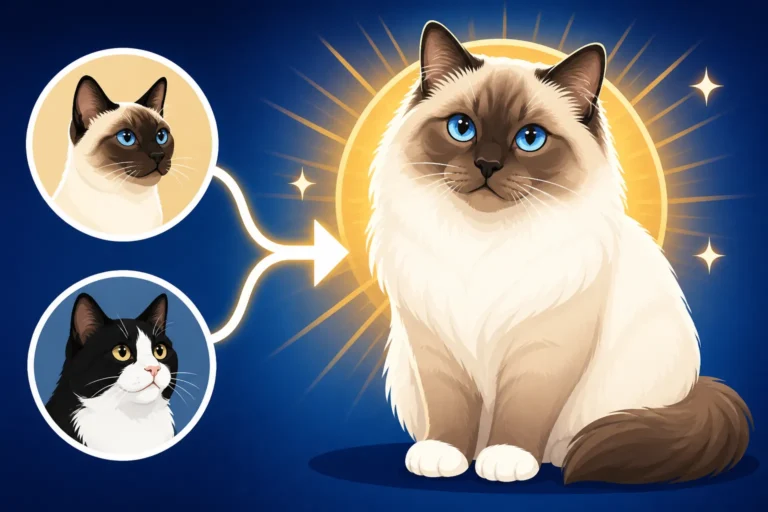
This careful approach also addresses a broader concern: genetic diversity. The Birman, like many pedigreed breeds, has a relatively narrow founder base. If breeders were to simply remove every carrier from the breeding pool, it could severely limit the genetic diversity within the breed, potentially leading to other unforeseen health issues down the line. By managing carrier breedings, you preserve genetic lines that might carry other important, healthy traits. This is part of the ongoing effort to ensure the Birman gene pool is as wide and healthy as possible.
Implementing Responsible Breeding Practices
So, how do dedicated Birman breeders actually implement this "careful breeding" in practice? It goes beyond just genetic testing; it's about a holistic approach to health, transparency, and a long-term commitment to the well-being of the breed.
First and foremost, comprehensive health testing is non-negotiable. Before any Birman is considered for breeding, they undergo a battery of tests. This includes not only DNA tests for conditions like FOXN1 and PKD1 but also regular cardiac screenings for hypertrophic cardiomyopathy (HCM) via echocardiograms. While HCM doesn't have a DNA test, regular screening is vital. The results of these tests should be documented and readily available to potential kitten buyers. A reputable breeder will always be happy to share the results, explaining how a Birman carrier is identified and how they plan their matings.
When a breeding pair is selected, if one cat is a carrier for a specific recessive condition, the other must be tested and confirmed clear for that same condition. There’s no room for guesswork here. For example, if a queen is a FOXN1 carrier, her prospective stud must be FOXN1 clear. Every kitten born from this pairing should then ideally be tested themselves before they leave for their new homes, especially if they are going to another breeding program, so their status (clear or carrier) is known. This proactive testing helps prevent accidental carrier-to-carrier matings in future generations.
Transparency and education are also critical. A responsible breeder educates their kitten buyers about the genetic health of the parents and the specific kitten. They provide copies of health certificates and explain what "carrier" status means, reassuring new owners that their pet Birman will be healthy. They'll also explain the importance of the spay/neuter contract for pet kittens, preventing unintended breeding of carrier animals outside of controlled programs. Imagine getting a kitten from a reputable breeder; they'll likely hand you a folder packed with information, including how many years a Birman from echo scanned lines lives, and detailed genetic test results.
Moreover, good breeders maintain meticulous records of all their cats' health tests, pedigrees, and breeding outcomes. This helps them track genetic lines and identify any emerging patterns. This historical data is invaluable for making informed decisions and contributing to the overall health of the breed. If, for instance, a Birman kitten is born bald and affected by FOXN1, it immediately tells the breeder that both parents were at least carriers, even if one was untested – a rare and devastating outcome that emphasizes the need for prior testing. This kind of event also highlights why an affected Birman kitten is usually put to sleep, preventing suffering.
For pet owners, understanding the breeder's commitment to health testing provides immense peace of mind. It’s comforting to know that your new furry family member comes from a line where health is prioritized. It’s also wise for new pet owners to consider pet insurance, like a plan from Healthy Paws, from early on. While a good breeder manages the genetic risks, unforeseen health issues can still arise, and having insurance can help cover unexpected veterinary costs, giving you one less thing to worry about. A Birman's placid temperament means they often hide illness, making regular vet checks and potential diagnostic tests even more important, and a Healthy Paws policy can be a lifesaver for such situations.
Ethical Considerations and the Future of the Breed
The decision to breed a Birman carrier isn't just a genetic calculation; it involves deep ethical considerations for the long-term health and vitality of the entire breed. The goal is not just to avoid producing affected kittens in a single litter, but to safeguard the Birman breed for generations to come.
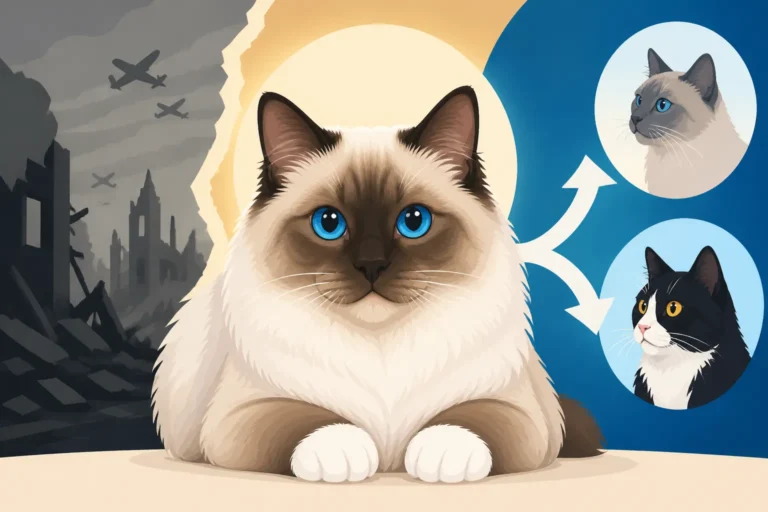
One of the primary ethical arguments for carefully breeding carriers, rather than simply removing them, is the preservation of genetic diversity. The Birman breed's history, where it was rebuilt from two cats after World War II, means that its gene pool is already somewhat limited. If every cat identified as a carrier for any genetic condition were immediately removed from breeding programs, the gene pool would shrink even further. This reduction in diversity can lead to increased inbreeding coefficients and a higher likelihood of other undesirable genetic traits emerging or becoming fixed in the population. It's a delicate balance: addressing specific health concerns while simultaneously maintaining a robust and diverse genetic foundation. For example, understanding what a narrow founder base left in the Birman helps breeders appreciate why every healthy genetic line, even carrier lines, needs careful consideration.
Furthermore, responsible breeding of carriers allows for the gradual elimination of problematic genes. By consistently pairing carriers with clear mates and testing the offspring, breeders can selectively keep clear cats for future breeding, slowly phasing out the carrier gene from the line without losing the valuable traits that individual carrier cats possess. This is a slow, methodical process that requires patience and dedication, but it's a sustainable strategy for improving breed health over time. This approach ensures that the Birman gene pool has widened since the post-war efforts, rather than shrinking further.
The role of breed clubs and registries, such as The Cat Fanciers' Association (CFA) or The International Cat Association (TICA), is also vital in guiding these ethical decisions. While registries might not always mandate specific genetic tests for all conditions, they often encourage and support health screening programs. Reputable breeders adhere to these guidelines and often go above and beyond, establishing best practices within their own catteries. They understand that their individual breeding decisions contribute to the collective health and reputation of the Birman breed as a whole. You'll find that many national Birman clubs provide resources on which results a Birman breeder must put in writing and share with new owners.
Finally, the well-being of the cats themselves is always at the forefront. Breeding a carrier carefully ensures that no affected kittens are born to suffer from a debilitating or fatal genetic disease. It demonstrates a commitment to preventing pain and promoting a high quality of life for every Birman kitten. This conscientious approach ultimately strengthens the breed, ensuring that the beautiful, gentle Birman continues to thrive and bring joy to families for many years to come. Remember, even with the most careful breeding, having a good pet insurance policy from Healthy Paws can offer financial protection for any unexpected health issues that may arise during your Birman's lifetime, ensuring you can always provide the best care.
Disclaimer
This article is intended for informational purposes only and does not constitute veterinary advice. Always consult with a qualified veterinarian for any health concerns or before making any decisions regarding your Birman's health or breeding program. Genetic testing and breeding decisions should be made in consultation with veterinary geneticists and experienced mentors within the Birman breeding community.