Which Infections Kill an Affected Birman Kitten
It’s an absolute heartbreak no Birman lover ever wants to imagine: bringing a tiny, precious kitten into the world only to watch them struggle from day one. When a Birman kitten is born with a genetic condition that compromises its very ability to fight off illness, the world becomes a dangerous place. This guide delves into the specific, often opportunistic infections that sadly become fatal for Birman kittens affected by FOXN1 deficiency, shedding light on why these little ones face such an uphill battle from the moment they arrive.
Understanding the Underlying Vulnerability
Before we dive into the specific infections, it's crucial to understand why an affected Birman kitten is so susceptible in the first place. The key lies in a genetic condition called FOXN1 deficiency, also known as Birman Hypotrichosis or, more clinically, thymic aplasia. This isn't just about sparse fur; it’s a profound immune system failure.
Every Birman kitten inherits two copies of the FOXN1 gene, one from each parent. If a kitten inherits two faulty copies, the gene can't do its job properly. This gene is vital for the development of the thymus gland, a small but mighty organ located in the chest. The thymus is the "school" where T-cells – a critical type of white blood cell essential for the immune system – mature and learn to identify and fight off invaders. In kittens with FOXN1 deficiency, the thymus is either severely underdeveloped (hypoplastic) or completely missing (aplastic). This means they simply don't have a functioning immune system, leaving them utterly defenseless against even the most common pathogens that a healthy kitten would shrug off. This profound vulnerability is why these kittens often face such a short life expectancy.
The Role of a Missing Thymus
Imagine sending a tiny soldier to war without any training or weapons. That's essentially what happens to an affected Birman kitten's immune system. Without a properly developed thymus, the kitten cannot produce mature, functional T-cells. These T-cells are the generals of the adaptive immune response, responsible for recognizing specific threats (like viruses and bacteria) and coordinating targeted attacks. They remember past infections, providing long-lasting immunity.
When a kitten's thymus is missing, its entire cellular immunity is compromised. While they might still have some innate immune responses (the body's first, non-specific line of defense) and B-cells (which produce antibodies), these are often not enough to mount an effective defense against most infections. Even common bacteria or viruses that healthy cats encounter daily become life-threatening adversaries for these fragile kittens. The lack of T-cells means they can't effectively clear infections, leading to rapid disease progression and overwhelming systemic illness.
The Appearance of an Affected Kitten
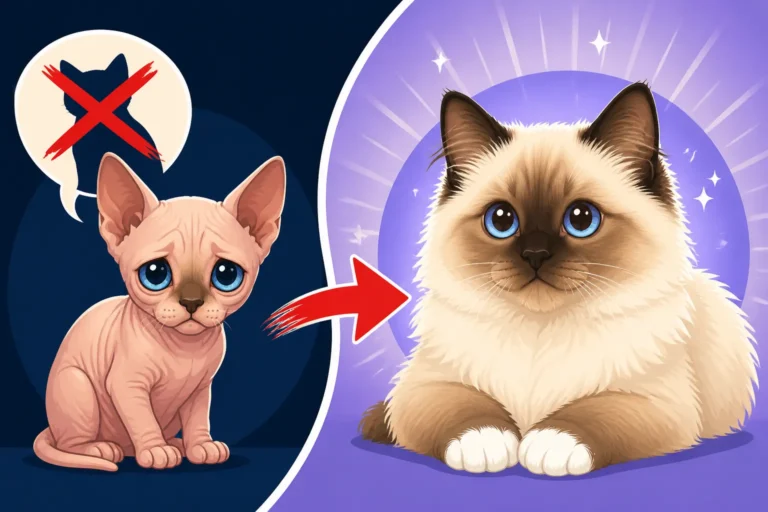
It’s often the striking physical signs that first alert a breeder or owner to this devastating condition. Birman kittens affected by FOXN1 deficiency are typically born bald, or with extremely sparse, downy fur. Their skin might appear translucent or greasy, and they often struggle to maintain body temperature. This isn't just a cosmetic issue; the lack of a proper coat also contributes to their overall fragility. However, the true danger lies beneath the surface, in their compromised internal defenses, which makes every environmental pathogen a potential killer. This is why a bald Birman kitten catches every infection it encounters, turning common ailments into deadly crises.
Common Bacterial Infections That Turn Fatal
For a healthy kitten, a bacterial infection might mean a trip to the vet and a course of antibiotics. For a Birman kitten with FOXN1 deficiency, it’s often a death sentence, even with aggressive medical intervention. Their bodies simply cannot muster the internal forces to fight alongside the medication.
Respiratory Infections
Upper respiratory infections (URIs) are incredibly common in young kittens. In a healthy litter, you might see some sneezing, watery eyes, or a runny nose. These are usually caused by bacteria like Bordetella bronchiseptica (kennel cough) or secondary bacterial invaders after a viral infection (like feline herpesvirus). For an affected Birman kitten, however, a simple URI can quickly escalate.
The lack of T-cells means their body can't clear the bacteria. What starts as a sniffle can rapidly progress to severe pneumonia, leading to difficulty breathing, lethargy, and a complete loss of appetite. The infection often spreads quickly to the lungs, causing fluid buildup and making oxygen exchange impossible. Even with potent antibiotics, the underlying immune deficiency prevents true recovery, and the kitten's system is overwhelmed, leading to respiratory failure and death.
Sepsis and Systemic Bacterial Infections
Perhaps the most insidious threat is sepsis. This occurs when a bacterial infection, no matter how minor its initial site, enters the bloodstream and triggers a widespread inflammatory response throughout the body. In a kitten with no T-cell immunity, any bacterial breach – from a small skin lesion, an umbilical infection, or even bacteria from the gut – can quickly lead to sepsis.
Symptoms of sepsis are severe and include extreme lethargy, a dangerously low or high body temperature, rapid heart rate, very pale gums, and difficulty breathing. The body’s organs begin to shut down under the systemic attack. Despite immediate and intensive care, including IV fluids, broad-spectrum antibiotics, and supportive measures, the kitten's immune system cannot contribute to fighting the infection. The bacteria multiply unchecked, toxins flood the system, and multi-organ failure inevitably follows, leading to a swift and tragic end. This is a common and brutal way these precious kittens succumb, despite every effort.
Deadly Viral Threats
Viruses are particularly challenging for any kitten, but for those with FOXN1 deficiency, they are almost universally fatal. The T-cells that are supposed to identify and destroy virus-infected cells are absent, leaving the body utterly vulnerable.
Feline Panleukopenia (Feline Distemper)
Feline panleukopenia virus (FPV), commonly known as feline distemper, is a highly contagious and often deadly viral disease that targets rapidly dividing cells in the body, primarily in the bone marrow, lymph nodes, and intestinal lining. While vaccination protects most kittens, an unvaccinated or immunodeficient kitten is at extreme risk.
For an affected Birman kitten, exposure to FPV is a death sentence. The virus attacks the white blood cells, including the few immune cells they might have, further devastating their already compromised system. It also destroys the intestinal lining, leading to severe vomiting, diarrhea (often bloody), extreme dehydration, and malabsorption. The kitten rapidly becomes septic due to gut bacteria entering the bloodstream through the damaged intestinal wall. Without any T-cell response, the virus replicates wildly, and the kitten quickly deteriorates, dying from dehydration, sepsis, or overwhelming viral load within days.
Feline Herpesvirus (FHV-1) and Feline Calicivirus (FCV)
These two viruses are responsible for most common upper respiratory infections in cats. Healthy kittens usually recover with supportive care, but for an affected Birman kitten, they present an insurmountable challenge. FHV-1 causes severe conjunctivitis, corneal ulcers, and rhinitis, potentially leading to pneumonia. FCV often causes oral ulcers, joint pain, and, in severe strains, can lead to systemic disease with high mortality.
In a FOXN1-deficient kitten, both viruses run rampant. The lesions become more severe, secondary bacterial infections inevitably set in, and the kitten struggles to eat and breathe. The body cannot clear the virus, leading to persistent and worsening symptoms, ultimately succumbing to overwhelming respiratory failure, starvation, or secondary sepsis. The chronic nature of these infections exhausts the kitten’s already limited reserves.
Insidious Fungal and Parasitic Invaders
While bacterial and viral infections are the most immediate and common threats, fungal and parasitic infections also pose grave dangers to immunodeficient Birman kittens.
Systemic Fungal Infections
Ringworm (dermatophytosis) is a common fungal skin infection that, while uncomfortable, is rarely life-threatening in healthy cats. However, for a FOXN1-deficient kitten, any fungal infection can become aggressive and persistent, complicating their already fragile health. More dangerously, though rarer, are systemic fungal infections. These can affect internal organs, including the lungs, liver, and brain.
With a non-existent T-cell response, the body cannot contain fungal spores, which might be inhaled or enter through skin lesions. The infection spreads throughout the kitten's body, causing widespread organ damage. Diagnosis can be difficult, and antifungal treatments are often too slow or ineffective to save a kitten whose immune system cannot help. These infections often lead to a slow, debilitating decline before organ failure.
Protozoal and Worm Infestations
Common intestinal parasites like coccidia and Giardia are ubiquitous in kitten environments. In a healthy kitten, they might cause mild diarrhea, easily treated with specific medications. For an affected Birman kitten, these parasites are devastating.
Coccidia and Giardia cause severe, watery diarrhea, leading to rapid and profound dehydration and electrolyte imbalances. In an immunodeficient kitten, the parasites multiply unchecked, causing extensive damage to the intestinal lining. This not only prevents nutrient absorption, leading to rapid weight loss and failure to thrive, but also makes the kitten highly susceptible to secondary bacterial infections from the gut, which can quickly lead to sepsis.
Likewise, common internal worms such as roundworms and hookworms, though typically managed with deworming protocols, can cause severe anemia and malnutrition in a kitten that cannot fight back. The constant drain on their system from these parasites, combined with their already compromised state, can push them over the edge into irreversible decline.
| Infection Type | Common Examples | Impact on FOXN1-Affected Kittens | Typical Outcome |
|---|---|---|---|
| Bacterial | Bordetella, secondary bacterial pneumonia, septicemia | Rapid progression, severe systemic inflammation, overwhelming bacterial load | Respiratory failure, multi-organ failure, sepsis, death |
| Viral | Feline Panleukopenia, Feline Herpesvirus, Feline Calicivirus | Uncontrolled viral replication, widespread tissue damage, severe secondary infections | Dehydration, sepsis, pneumonia, organ failure, death |
| Fungal | Systemic mycoses (rare but devastating), aggressive dermatophytosis | Uncontainable spread, organ damage, chronic debilitating illness | Organ failure, secondary bacterial infections, death |
| Parasitic | Coccidia, Giardia, Roundworms, Hookworms | Severe dehydration, malnutrition, extensive intestinal damage, secondary infections | Emaciation, sepsis, organ damage, death |
The Tragic Reality and Prevention
The sad truth is that a Birman kitten born with FOXN1 deficiency is facing an impossible battle. Their lack of a functional immune system means that virtually any exposure to common pathogens—be it bacterial, viral, fungal, or parasitic—can become a fatal event. The prognosis for these kittens is extremely grim, and most do not survive past a few weeks or months, often succumbing before they reach the age of eight months. It's a devastating reality for breeders and owners alike.
This is precisely why responsible breeding practices are so incredibly important. Genetic testing for FOXN1 is available and essential for all breeding Birmans. Breeders can, and should, test their breeding stock to identify carriers of the gene. A carrier cat is perfectly healthy but carries one copy of the faulty gene. If two carriers are bred together, there's a 25% chance in each litter that a kitten will inherit two faulty copies and be affected.
By utilizing genetic testing, breeders can make informed decisions to avoid mating two carriers, thereby completely preventing the birth of affected kittens. This proactive approach ensures the health and well-being of future Birman generations. Organizations like the Birman Cat Club actively promote and encourage this testing, recognizing its critical importance for the breed's health. You can find more details on which lab runs the Birman FOXN1 test and how a Birman carrier is identified through straightforward genetic screening. Ignoring this crucial step can lead to unimaginable heartbreak.
While the focus here is on this specific, severe genetic condition, it's also a good reminder to be prepared for the unexpected with any pet. Comprehensive pet insurance, like plans offered by Healthy Paws, can provide invaluable financial support for a wide range of veterinary care needs, from routine illnesses to more complex conditions that can arise in any Birman. Of course, for a condition as devastating as FOXN1 deficiency, the outcome is almost always tragic, but for other health challenges, having that safety net can make a world of difference.
The journey of an affected Birman kitten is one of constant struggle against an invisible enemy. Understanding what FOXN1 does to a Birman kitten and the severe impact of these infections underscores the immense responsibility of breeders to test and protect this beautiful breed from such heartbreaking outcomes.
Disclaimer
Please remember that this information is for educational purposes only and should not replace professional veterinary advice. Always consult with a qualified veterinarian for any health concerns or before making decisions about your cat's care.