Which Two Cats Rebuilt the Birman
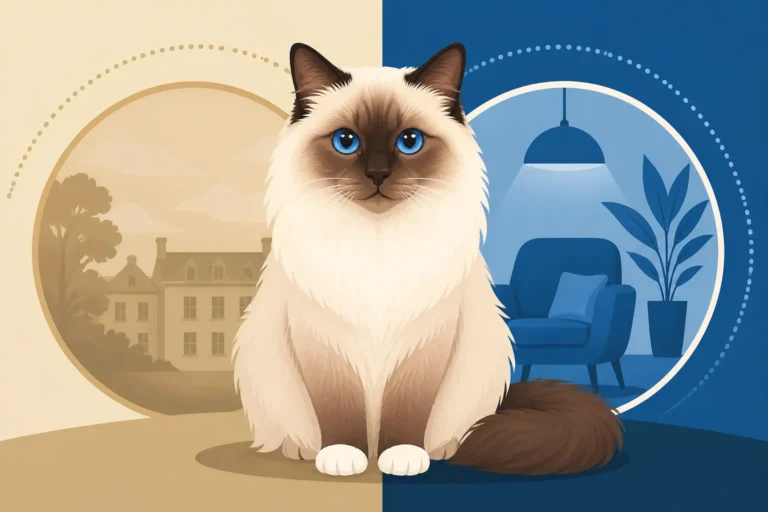
The devastation of World War II spared almost nothing, and tragically, the beautiful Birman cat breed was pushed to the very brink of extinction. With catteries destroyed and lineages lost, the survival of these magnificent felines hung by the slenderest of threads. This guide delves into the incredible story of resilience and dedication, focusing on the two pivotal cats who became the almost sole foundation for the breed's miraculous revival, ensuring that the Birman legacy could continue for generations to come.
The Grim Reality of a Post-War Breed
Imagine a world where the elegant Birman cat, with its stunning blue eyes and pure white paws, was almost lost to history. This was the stark reality facing devoted breeders after the Second World War. The chaos, destruction, and economic hardship of the era meant that many beloved breeds, including the Birman, faced catastrophic population declines, making their survival a truly monumental task.
Near Extinction and Lost Lineages
Before the war, the Birman breed, sometimes known as the Sacred Cat of Burma, was steadily gaining recognition and a dedicated following, particularly in France where it was first truly established in the West. Breeders had carefully cultivated their lines, focusing on the distinctive gloving and point colors that make the Birman so unique. However, the conflict brought everything to a grinding halt. Communication broke down, catteries were abandoned or destroyed, and access to proper nutrition and veterinary care became impossible. Many cats simply didn't survive the brutal conditions, and those that did were often scattered, their pedigrees lost or incomplete.
It wasn't just about losing individual cats; it was about the obliteration of entire breeding lines. The painstaking work of generations of breeders seemed to vanish overnight. This wasn't merely a setback; it was an existential threat. Breeders faced the daunting prospect of restarting with practically nothing, or worse, watching the breed disappear forever. The genetic diversity, already somewhat limited due to the breed's relatively small original founder base, was further decimated, leaving a perilous genetic bottleneck. You can read more about The Birman Was Rebuilt From Two Cats and It Shows.
The Urgent Need for Restoration
In the aftermath of the war, as communities slowly began to rebuild, so too did the efforts to save cherished animal breeds. For the Birman, the situation was particularly dire. With so few individuals left, the gene pool was incredibly shallow. This meant that any surviving cats were closely related, posing significant risks of inbreeding depression, where genetic defects become more prevalent and overall health declines.
The few remaining enthusiasts knew they had to act quickly and decisively. The goal wasn't just to increase numbers, but to do so responsibly, ensuring the health and viability of the breed for the long term. This would require careful planning, difficult decisions, and a readiness to introduce new bloodlines to prevent the Birman from collapsing under its own genetic weight. The task ahead was immense, requiring not just passion but a deep understanding of genetics and a long-term vision.
Orloff and Xenia de Kaabaa: The Survivors
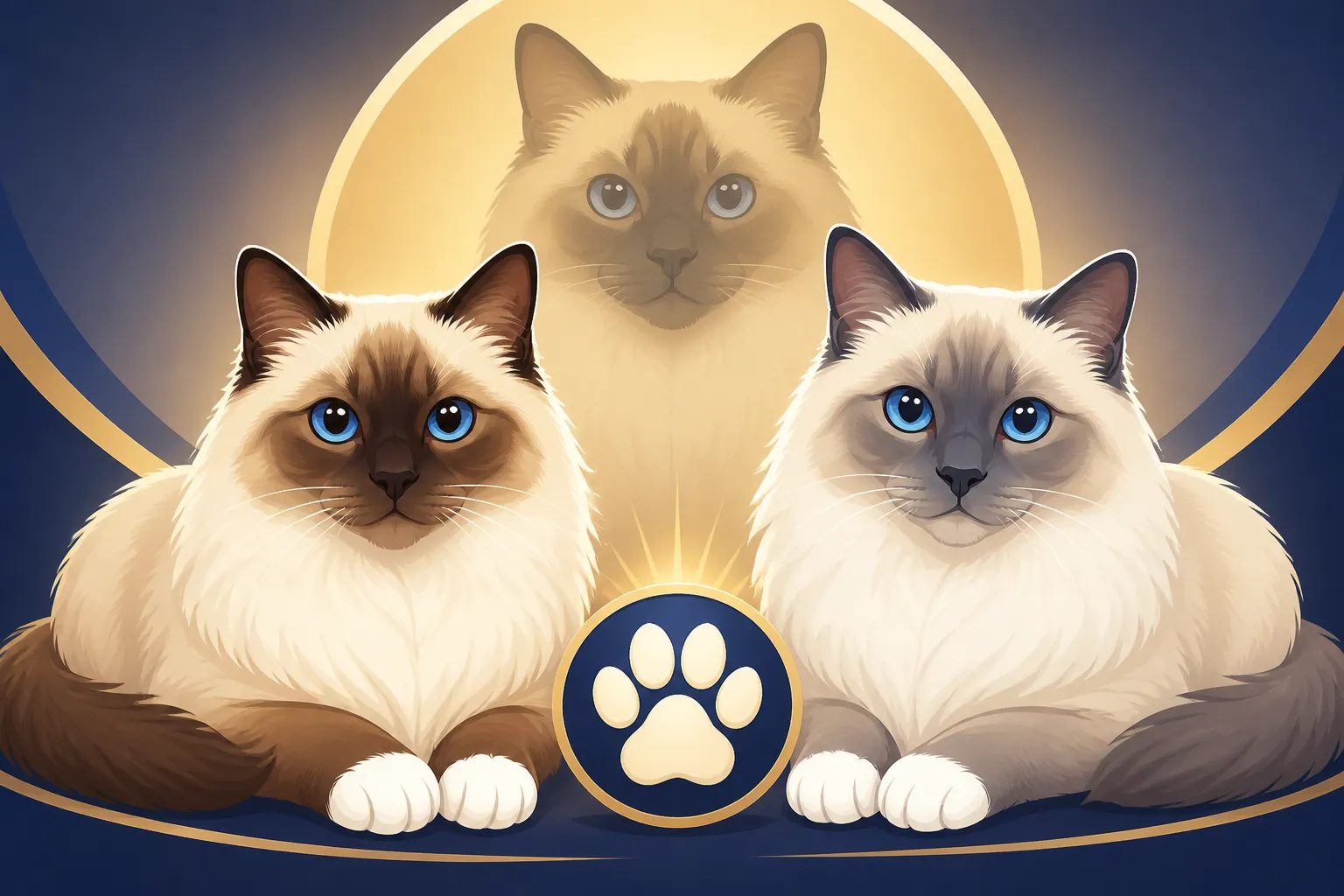
From the ashes of near extinction, a glimmer of hope emerged in the form of two Birmans: a male named Orloff and a female named Xenia de Kaabaa. These two cats, miraculously, were among the very few confirmed surviving Birmans with clear lineage after the war. Their existence became the cornerstone of the entire rebuilding effort, a testament to their resilience and the dedication of those who cared for them.
Their Provenance and Importance
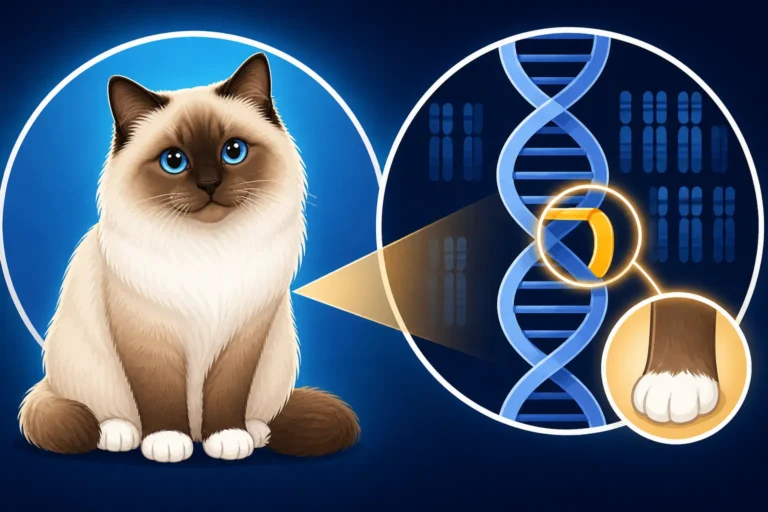
Orloff and Xenia de Kaabaa were the key to the Birman's future. While the exact details of their wartime survival are steeped in legend and the hazy records of a difficult period, what is certain is their genetic contribution. It is believed that nearly every modern Birman cat alive today can trace its ancestry back to these two individuals. This makes them incredibly significant, far beyond just being "survivors"; they are the literal genetic patriarch and matriarch of the contemporary Birman breed. Their existence provided a tangible starting point when all hope seemed lost, a living link to the pre-war lines.
Without Orloff and Xenia de Kaabaa, it's highly probable that the Birman breed as we know it would not exist. Their importance cannot be overstated; they represent the ultimate bottleneck in the breed's history, a point from which all future Birmans sprung. This concentrated lineage is fascinating but also presented challenges, as it meant a severely limited genetic foundation, which you can learn more about in What a Narrow Founder Base Left in the Birman.
The Genesis of the Rebuilding Program
With Orloff and Xenia de Kaabaa identified, the monumental task of rebuilding the breed officially began. Breeders knew that simply breeding these two cats and their immediate offspring together would lead to severe inbreeding issues, quickly undermining any progress made. The priority was not just procreation, but intelligent breeding. This meant strategically planning matings to maximize genetic diversity within the tiny remaining pool, while also accepting the necessity of outcrossing to introduce new, healthy genes.
This initial phase was meticulous and fraught with anxiety. Every kitten was precious, every mating carefully considered. The breeders acted as geneticists, historians, and custodians all at once, charting new paths while trying to preserve the essence of the Birman. It was an extraordinary undertaking driven by profound love for the breed and a fierce determination to ensure its continuity. The journey from these two cats to the robust population we see today is a testament to the power of dedicated breeding programs.
The Urgent Need for Outcrossing
While Orloff and Xenia de Kaabaa provided the critical starting point, their limited genetic material alone was not enough to ensure the long-term health and viability of the Birman breed. To truly rebuild, breeders had to make a difficult but essential decision: introduce genes from other breeds. This process, known as outcrossing, was controversial for some, but absolutely vital for the survival of the Birman.
Why Other Breeds Were Introduced
The reason for outcrossing was purely genetic survival. With only a handful of Birmans remaining, the degree of inbreeding in subsequent generations would have been astronomical. This intense genetic bottleneck would have led to a rapid increase in hereditary health problems, reduced fertility, weakened immune systems, and a general decline in the breed's vigor. It's a cruel truth that sometimes, to save a breed, you must temporarily expand its definition. Why Post War Outcrossing Was Unavoidable for the Birman explains this imperative in detail.
The goal was to inject new genetic material into the Birman lines, expanding the gene pool and mitigating the risks associated with such a narrow foundation. This wasn't about changing the Birman into something else; it was about giving it the genetic tools to thrive. Breeders aimed to select outcross partners whose physical traits and temperaments were as close as possible to the Birman ideal, to minimize the aesthetic impact while maximizing the genetic benefit.
The Role of the Persian and Siamese
When it came to choosing which breeds to outcross with, breeders looked to those that shared some ancestral connection or desirable traits with the Birman. The two primary choices were the Persian and the Siamese. The Persian, with its long, luxurious coat and placid temperament, contributed to the Birman's desired physical characteristics, enhancing coat density and overall "longhair" appeal. The Siamese, on the other hand, was crucial for reinforcing the "pointed" gene, which gives the Birman its characteristic darker extremities, while also potentially introducing some vitality and alertness.
It was a delicate balancing act. Breeders meticulously selected individual cats from these breeds, carefully integrating them into the Birman lines. The offspring of these initial outcrosses were then selectively bred back to pure Birmans over several generations, a process called "backcrossing," to gradually dilute the non-Birman traits while retaining the newly introduced genetic diversity. This painstaking process required immense patience and a keen eye for breed type, ensuring that the Birman's distinctive appearance and gentle nature were preserved. You can learn more about What Persian Blood Brought Into the Birman and What Siamese Blood Brought Into the Birman.
Here's a simplified look at the genetic journey from near extinction:
| Phase | Birman Population (Approx.) | Genetic Diversity | Primary Goal | Key Action |
|---|---|---|---|---|
| Pre-WWII | Moderate | Moderate | Breed establishment | Selective breeding within founders |
| Post-WWII (Immediate) | Very Few (e.g., Orloff, Xenia) | Extremely Low | Breed survival | Identify remaining pure Birmans |
| Rebuilding (Early) | Growing | Critically Low | Introduce new genes, expand population | Strategic outcrossing with Persians/Siamese |
| Rebuilding (Later) | Increasing | Gradually Improving | Stabilize breed type, re-establish purity | Backcrossing, rigorous selection |
| Modern Birman | Healthy | Stable | Maintain health, breed standards, diversity | DNA testing, ethical breeding, continuous care |
The Legacy of the Rebuilding Efforts
The careful, often agonizing, decisions made by those post-war breeders had a profound and lasting impact on the Birman cat. Their efforts not only saved the breed from oblivion but also shaped the Birman we know and love today, influencing its appearance, temperament, and even its genetic predispositions.
The Birman's Modern Appearance and Temperament
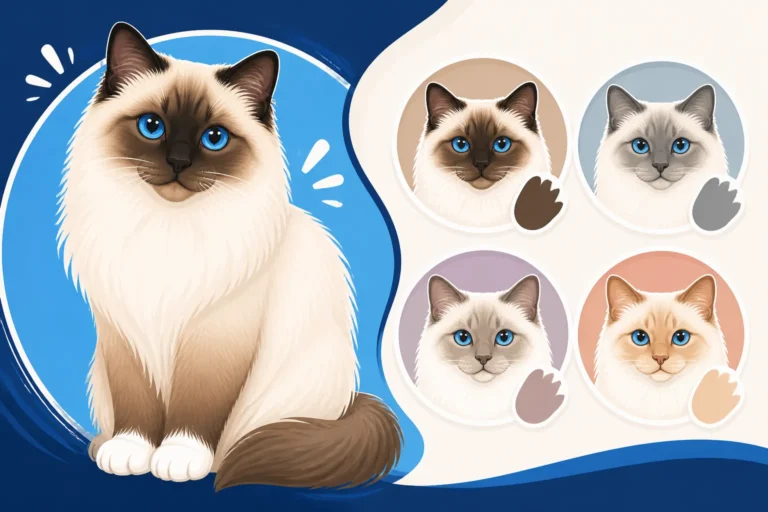
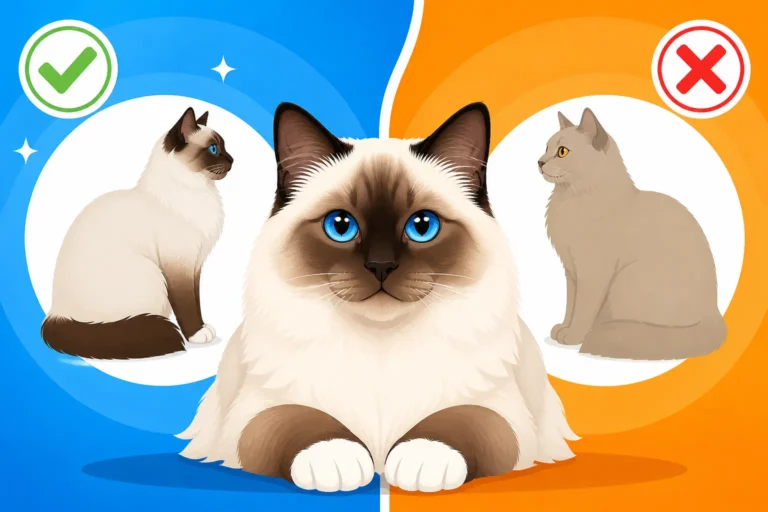
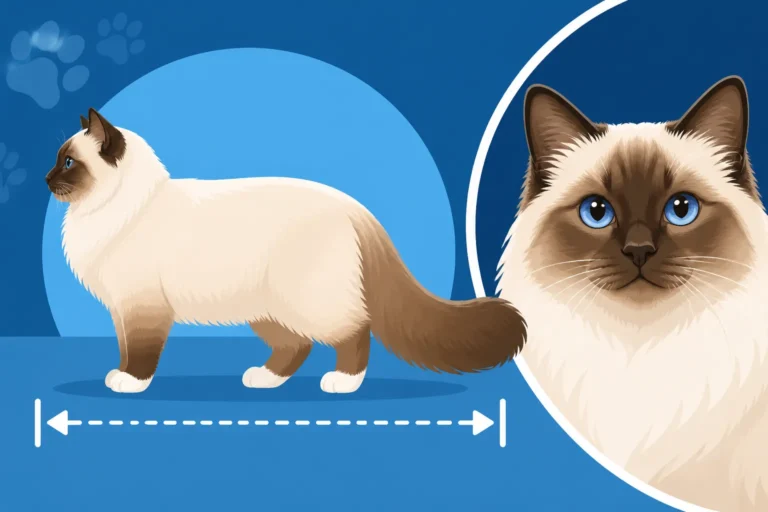
Through diligent selective breeding and the integration of outcross lines, breeders managed to re-establish the Birman's distinct characteristics. The breed retained its striking blue eyes, the beautiful pointed coloration, and, crucially, the signature white 'gloves' on all four paws, with the 'laces' extending up the back hocks. The single, silky coat, which is wonderfully low-maintenance, also became a hallmark. These efforts were so successful that the Birman was once again recognized by major cat registries around the world, confirming its re-establishment as a distinct and cherished breed.
Beyond physical traits, the Birman's famously placid and affectionate temperament was also carefully nurtured. This gentle, easy-going nature, often described as a perfect blend of the active Siamese and the serene Persian, is a direct inheritance from the choices made during the rebuilding phase. It's why Birmans are often recommended for families and first-time cat owners, a testament to the stability and predictability breeders aimed to achieve.
Long-Term Genetic Considerations
While the outcrossing was essential for the Birman's survival, it also introduced new genetic factors that breeders continue to manage today. Every breed with such a narrow founder base, even one that underwent outcrossing, carries a certain genetic history. For example, conditions like Hypertrophic Cardiomyopathy (HCM) or Polycystic Kidney Disease (PKD), while not exclusive to Birmans, might have been introduced or perpetuated through the necessity of using a limited gene pool, including outcrosses. This is why responsible breeders are so vigilant about health testing. You can read more about How Two Cats in 1945 Shaped the Birman's Health and Which Diseases Survived the Birman's Post War Bottleneck.
The continuous monitoring of genetic health, through DNA tests and regular veterinary screenings, is paramount. This ensures that the efforts of the post-war breeders are honored, and the breed remains as healthy and robust as possible.
Supporting the Modern Birman's Health and Heritage
Today, the Birman stands as a testament to dedicated breeding and a fierce love for a unique feline. Owners and breeders alike have a role in upholding this legacy, ensuring these cats continue to thrive. This means understanding their unique needs and actively contributing to their well-being.
Responsible Breeding Practices Today
Modern Birman breeders are acutely aware of the breed's history and the importance of maintaining genetic health. This translates into stringent health testing protocols, including DNA tests for known conditions like FOXN1 (Birman Hypotrichosis) and PKD1 (Polycystic Kidney Disease), as well as regular cardiac ultrasounds (echocardiograms) to screen for HCM. These tests help breeders make informed decisions about pairings, aiming to produce healthy kittens and further diversify the gene pool responsibly. Reputable breeders are transparent about their testing results and pedigrees, ensuring future generations are as healthy as possible. They understand that their role is not just to produce beautiful kittens, but healthy ones. For example, a breeder might utilize services like those offered by Chewy to access a range of high-quality health supplements or specialized foods that support a cat's immune system and coat health, which are crucial for a well-bred Birman.
Beyond health, responsible breeders also prioritize temperament and adherence to the breed standard, ensuring the Birman's gentle, affectionate nature and distinctive appearance continue. They carefully select breeding pairs not just for beauty, but for overall health and compatibility, nurturing kittens in an enriching environment before they go to their forever homes. Which Results a Birman Breeder Must Put in Writing offers more insight into this.
Daily Care for a Healthy Birman
As an owner of a modern Birman, your daily care routine plays a significant role in celebrating this breed's resilience. Their silky, single coat, a gift from their unique genetics, requires regular but not overly strenuous grooming – typically two to three times a week with a good comb to prevent mats, particularly around the ruff and britches. This single coat is beautiful and soft, but also means they don't have the dense undercoat of some other longhairs, so they appreciate warmth. You might find a great selection of grooming tools and comfortable bedding on platforms like Chewy to keep your Birman looking and feeling its best.
Nutrition is another cornerstone of care. A high-quality diet, appropriate for their age and activity level, supports their overall health and maintains that gorgeous coat. Given their predisposition to certain kidney conditions due to their historical outcrossing, ensuring adequate hydration through wet food or a water fountain is often recommended. When it comes to everyday supplies, from premium kibble and wet food to the perfect low-dust litter (essential for keeping those white gloves pristine), resources like Chewy offer a vast array of options. Regular veterinary check-ups are also crucial, particularly as they age, to monitor for any health concerns that may arise. Being proactive with care allows your Birman to live out its long life, typically between twelve and sixteen years, happily and healthily, honoring the enduring spirit of its ancestors.
Disclaimer
This article is for general informational purposes only and does not constitute professional advice. Laws, prices and regulations vary by location and change over time. Consult a qualified professional for guidance on your specific situation.