When a Birman Drops Its Coat
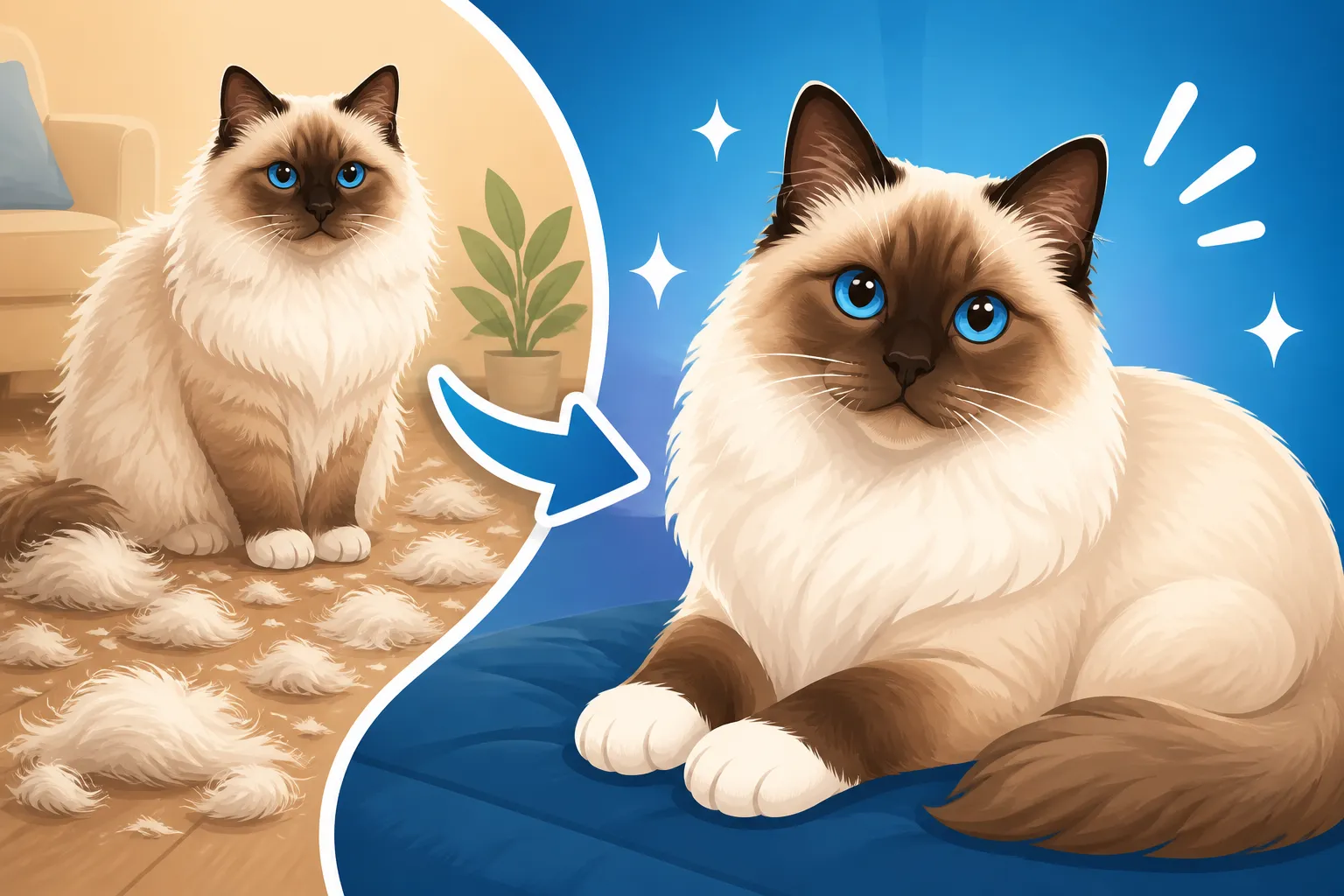
You’ve brought a beautiful Birman into your home, captivated by their striking blue eyes and luxurious, silky coat. But then, you start noticing stray hairs, perhaps a lot more than you anticipated for a cat often lauded for its "easy-care" fur. The truth is, all cats shed, and Birmans are no exception, even with their unique single coat. This guide is here to walk you through understanding why and when your Birman drops its coat, helping you manage it effectively and keep your beloved companion looking their best.
Understanding the Birman's Unique Coat Structure
It’s easy to look at a Birman with its magnificent ruff and flowing tail and assume you’ll be buried in cat hair. However, the Birman's coat is actually quite distinctive, and understanding its characteristics is key to anticipating and managing shedding. This isn't your typical longhaired cat, and that makes a world of difference.
The Myth of the "Non-Shedding" Birman
Let’s get one thing straight right away: there's no such thing as a truly non-shedding cat, not even a Birman. This is a common misconception, especially for breeds with silky, less-prone-to-matting coats. While Birmans often shed less dramatically than some other longhaired breeds, they absolutely do shed. If you've ever heard someone claim their Birman never sheds, they might be experiencing a different type of shedding, or perhaps they're just highly diligent groomers! Every hair follicle has a life cycle, and eventually, that hair needs to make way for new growth. This natural process is continuous, and while the volume might vary, the process itself is constant. Expecting no shedding at all is setting yourself up for disappointment and potentially overlooking normal coat changes.
Single Coat vs. Double Coat: Why it Matters for Shedding
The real secret to the Birman's relatively manageable shedding lies in its unique coat structure: it has a single coat, meaning it lacks a dense undercoat. Many longhaired breeds, like Persians or Maine Coons, boast a thick, woolly undercoat beneath their coarser guard hairs. This undercoat is what often causes the most intense shedding and matting problems for owners. When these cats "blow their coat," they are literally shedding layers of this thick, insulating undercoat.
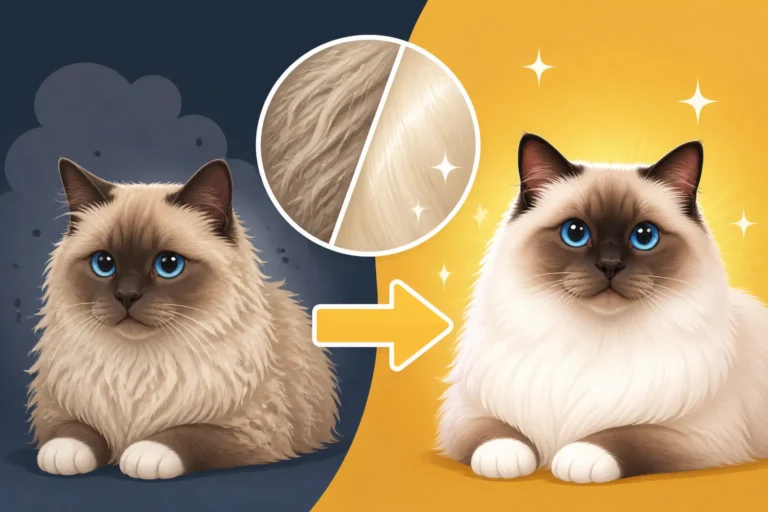
In contrast, the Birman's single coat consists primarily of soft, silky guard hairs with very little to no undercoat. This means fewer layers of fur to shed and less chance of those shed hairs getting trapped and forming mats. The hairs tend to be finer and lighter, which can make them seem to float around more, but there's simply less volume of hair being released compared to a double-coated breed. This is also why Birmans are often described as having an No Undercoat Is What Makes a Birman Easy to Groom, a characteristic that many owners find appealing because it significantly reduces the effort required for daily grooming. You’ll still find Birman hairs, but you’ll notice they’re mostly long, individual strands rather than clumps of dense, woolly fluff.
How Long a Birman's Coat Actually Is
A Birman’s coat isn't uniformly long across its entire body. It’s actually medium-long with a beautiful, striking variation in length. The hair is shorter on the face, gradually lengthening over the back and sides. The longest and most impressive fur is typically found around the neck, forming a magnificent ruff, and on the tail, creating a beautiful plume. You'll also notice longer "britches" on their hind legs.
When a Birman sheds, it's these longer hairs from the ruff, tail, and body that you'll most visibly encounter. The length means they can get caught on furniture, clothing, and blankets more easily than shorter hairs. While the density of shedding might be less due to the single coat, the sheer length of each individual hair can make it appear as though more is shed. This is particularly true for cats with a glorious, full tail plume – you'll definitely notice those majestic hairs making their way around your home! The overall length and texture are what give the Birman its distinctive elegant appearance, but they also contribute to how much shed hair you'll perceive in your environment.
Seasonal Shedding: Nature's Rhythms
Even indoor cats, with their somewhat disrupted natural cycles, still respond to the ancient rhythms of light and temperature. While your Birman might be lounging on a heated cat bed in winter and enjoying air conditioning in summer, their body still gears up for seasonal changes by adjusting their coat.
Springtime 'Blow Out': Preparing for Warmer Weather
Ah, spring! The days get longer, the sun feels warmer, and suddenly, you might find yourself wondering if your Birman is secretly trying to redecorate your entire house with their fur. This is the classic springtime "blow out," and it's completely normal. As the colder, shorter days of winter recede and the warmth of spring takes hold, your Birman's body signals it's time to lighten up. The dense, slightly thicker coat that helped keep them cozy during the winter months is no longer needed.
During this period, you’ll notice a significant increase in shedding. It’s their natural way of preparing for the warmer temperatures ahead, ensuring they don't overheat as summer approaches. This shedding often peaks over a few weeks, and you’ll likely find yourself combing more frequently than usual. Don’t be alarmed; it's simply Mother Nature doing her work. It’s also a time when you might notice more hairballs if your Birman is particularly fastidious with self-grooming, as they ingest more loose fur. Regular grooming during this period is your best defense against an overwhelming amount of cat hair and potential digestive issues for your feline friend.
Autumnal Prep: Growing the Winter Coat
While less dramatic than the spring shedding, autumn brings its own subtle coat change. As the days begin to shorten and the temperature outside starts to dip, your Birman’s body starts shedding its finer, lighter summer coat to make way for a denser, more insulating winter coat. Think of it as their internal thermostat adjusting. This shedding is generally less intense than the spring "blow out" because they aren't shedding a heavy undercoat, but it’s certainly noticeable.
You might find more hairs on your furniture and clothes, but it typically won't be the same volume as in spring. This autumnal shedding prepares them to grow in that luxurious, full winter ruff and tail plume that makes them look so regal. Consistent grooming during this time, even if it feels less urgent, is still beneficial. It helps remove the old, lighter hairs and stimulates the skin, encouraging healthy growth of the new, thicker coat. It's a quieter transition, but an essential one for their comfort throughout the colder months.
Indoor Living and Its Impact on Seasonal Shedding
Here’s where it gets a little tricky for our pampered indoor Birmans. While outdoor cats experience distinct seasonal shifts in temperature and daylight hours, our indoor companions live in a much more consistent, controlled environment. Artificial lighting, central heating in winter, and air conditioning in summer can significantly blur those natural seasonal shedding patterns. Instead of two major, distinct shedding periods, many indoor Birmans tend to shed a moderate amount year-round.
This consistent shedding means you might not experience a massive, sudden coat drop, but rather a continuous, low-level release of fur throughout the year. The prolonged exposure to artificial light can trick their bodies into thinking it's always "moderate season," preventing the dramatic changes seen in outdoor cats. So, if you feel like you're always finding a little bit of Birman hair, even in the middle of winter, you're not imagining things – it's often a direct result of their comfortable, indoor lifestyle. This means your grooming routine needs to be consistent, regardless of the calendar month, to keep on top of the continuous hair turnover.
Non-Seasonal Factors Influencing Birman Coat Drops
Beyond the natural seasonal shifts, there are several other factors that can influence when and how much your Birman drops its coat. These can be related to their internal health, diet, or even their emotional state. Understanding these non-seasonal triggers is crucial for maintaining your cat's well-being and managing their coat effectively.
Diet and Nutrition: The Building Blocks of a Healthy Coat
Just like with humans, what your Birman eats has a profound impact on their overall health, and their coat is a direct reflection of that. A high-quality, balanced diet is paramount for a healthy, vibrant coat and minimal, normal shedding. If your Birman is on a diet lacking essential nutrients, or if the food quality is subpar, you might notice excessive or dull shedding. Imagine trying to build a beautiful, strong house with flimsy materials – the same applies to your cat's fur.
Look for cat foods that list real meat (chicken, fish, turkey) as the first few ingredients. Protein is the foundation of hair, so a diet rich in high-quality animal protein is essential. Beyond protein, omega-3 and omega-6 fatty acids are critical for skin and coat health. These "good fats" keep the skin supple and hydrated, which in turn helps hair follicles stay strong and reduces dry, brittle hair that breaks and sheds easily. Many premium brands, available through retailers like Chewy or Amazon, formulate diets specifically to support skin and coat health. If your Birman's coat seems dull or they're shedding more than usual, consider evaluating their diet. Sometimes, even adding a high-quality fish oil supplement can make a noticeable difference. Remember, a cat's skin and coat condition is often the first visible indicator of their internal health, so pay attention to what goes into their bowl. Why Omega Oils Matter for a Birman's Coat
Stress and Environmental Changes
Cats are creatures of habit, and Birmans, with their generally placid and sensitive nature, can be particularly susceptible to stress. When a Birman experiences stress, it can manifest in various physical ways, and increased shedding is a common symptom. Think of it as their body’s way of reacting to perceived threats or discomfort. A sudden change in environment, such as moving to a new home, introducing a new pet, or even significant changes in household routines, can trigger a stress-induced coat drop.
For example, a friend of mine noticed their usually calm Birman started shedding noticeably more after they brought home a new puppy. The cat wasn't acting outwardly aggressive, but the stress of the change was evident in their increased grooming and, yes, more hair around the house. Even seemingly minor events like loud construction next door or an unfamiliar visitor staying for an extended period can be enough to unsettled a sensitive Birman. What a Stressed Birman Does. Observe your cat’s behavior closely; if excessive shedding coincides with other signs of anxiety like hiding, changes in appetite, or overgrooming, stress might be the culprit. Creating a calm, predictable environment and providing safe, quiet spaces can help mitigate these effects.
Health Conditions and Underlying Illnesses
While diet and stress are common factors, sometimes increased or abnormal shedding can be a red flag for an underlying health issue. It's crucial not to dismiss significant changes in your Birman's coat, especially if accompanied by other symptoms. Various medical conditions can impact skin and coat health, leading to excessive shedding, bald patches, or a dull, unhealthy appearance.
Common culprits include parasites like fleas, mites, or ringworm, which can cause intense itching and irritation, leading to scratching, biting, and subsequent hair loss. Allergies, whether environmental or food-related, can also manifest as skin issues and excessive shedding. Hormonal imbalances, such as thyroid problems, or even systemic diseases affecting organs like the kidneys or liver, can impact coat quality and lead to unusual shedding patterns. For instance, a Birman hiding illness behind a placid temperament might be shedding more than usual because they are unwell. Why a Birman Hides Illness Behind a Placid Temperament If you notice sudden, patchy hair loss, skin irritation, scabs, excessive scratching, or if your Birman's fur just doesn't look right despite good grooming and diet, it’s always best to consult your veterinarian. They can rule out medical causes and provide appropriate treatment, ensuring your cat's health and comfort.
Grooming Strategies to Manage Shedding
Managing your Birman's shedding effectively doesn't have to be a battle. With the right tools and a consistent routine, you can keep their beautiful coat in top condition and minimize the amount of loose hair floating around your home. The key is understanding what works best for their specific coat type.
The Right Tools for a Birman's Silky Coat
Choosing the correct grooming tools is paramount for a Birman. Their single, silky coat, while beautiful, is also delicate, and using the wrong brush can do more harm than good, causing breakage, discomfort, and even increased matting. Forget those harsh deshedding tools designed for dense undercoats; they will rip and tear at your Birman's fine guard hairs, leading to damage and potential pain. Why a Slicker Tears a Birman's Silky Guard Hairs
Instead, focus on gentle, effective tools. A wide-toothed metal comb is your best friend. It glides through their silky fur, effectively catching loose hairs and working out any minor tangles without snagging. Look for one with both wide and narrower teeth on either side, allowing you to switch based on the area of the body. A good quality pin brush with rounded pins can also be useful for distributing natural oils and adding shine, but avoid any with sharp tips. Some owners also find a rubber grooming mitt or a soft bristle brush helpful for a final polish and for capturing loose surface hairs, especially those from the ruff. Investing in quality tools from places like Chewy or Amazon will make the grooming experience more pleasant for both you and your Birman and protect their delicate coat.
Combing Frequency for Optimal Coat Health
Given their beautiful, medium-long, single coat, Birmans benefit greatly from a consistent, though not overly arduous, grooming schedule. For most Birmans, aiming for three combing sessions a week is ideal. Combing a Birman Three Times a Week This frequency is usually sufficient to remove loose hairs before they become tangled or settle on your furniture, and it helps prevent the formation of mats.
During these sessions, pay particular attention to areas where mats are more likely to form: behind the ears, in the "armpit" areas (where legs meet the body), and around the "britches" on their hindquarters. These are friction points where fur can tangle more easily. Also, don't forget that magnificent ruff and tail plume – these are the longest parts of their coat and collect a lot of loose hair. A gentle approach is key. If you encounter a snag, don't pull! Work it out slowly with your fingers or the wide-toothed comb. Regular combing isn't just about removing shed hair; it also helps to distribute natural skin oils, keeping the coat healthy and shiny, and provides a wonderful bonding experience for you and your Birman.
Dealing with Mats and Tangles
Even with regular combing, a Birman's silky coat can occasionally develop mats or tangles. These usually occur in areas of high friction or where the fur is longest and densest, such as behind the ears, under the "armpits," or in the long fur of the britches. Where a Birman's Few Mats Form If left unattended, these small tangles can quickly become larger, painful mats that pull on the skin and can even lead to skin irritation or infections.
When you find a mat, resist the urge to pull or cut it out with scissors immediately, as you risk injuring your cat. Instead, try to work it out gently. Start by separating the mat into smaller sections with your fingers. Then, using the wide-toothed end of your metal comb, very carefully pick at the edges of the mat, working from the outside in. Hold the base of the fur near the skin to prevent pulling and causing discomfort to your Birman. A little cornstarch or a pet-safe detangling spray can sometimes help lubricate the hair and make it easier to separate. If a mat is particularly tight or close to the skin, and you're struggling to remove it safely, it's always best to seek help from a professional groomer or your veterinarian. They have specialized tools and experience to remove mats without causing pain or injury. Prevention through regular, gentle combing is always better than trying to fix a severe mat.
Practical Tips for Living with a Shedding Birman
Even with the best grooming routine, living with a Birman means you'll encounter some loose fur. It's a natural part of having a beautiful, longhaired companion! But with a few practical strategies, you can keep your home tidier and your Birman looking their absolute best.
Managing Shed Hair in Your Home
Finding Birman hair on your sofa, bed, and favorite sweater is just a fact of life, but it doesn't mean your home has to look like a fur factory. Regular cleaning is your first line of defense. Investing in a good quality vacuum cleaner designed for pet hair can make a huge difference. Look for models with strong suction and specialized attachments for upholstery. Running the vacuum every few days, especially in areas your Birman frequents, will significantly reduce the accumulation of shed fur.
For quick clean-ups, keep lint rollers handy throughout your home – near the front door, by your sofa, or wherever you tend to pet your cat. Rubber gloves, slightly dampened, can also be surprisingly effective at gathering pet hair from furniture and carpets; just wipe your hand over the surface and watch the hair cling to the rubber. Consider placing dedicated, easily washable blankets or throws on your Birman's favorite sleeping spots on furniture to catch the bulk of the hair. These can be tossed in the wash regularly, keeping your main upholstery cleaner. A robotic vacuum, if within your budget, can also be a game-changer for daily maintenance, running while you're out and keeping the floor free of fur tumbleweeds.
Keeping White Gloves Pristine Amidst Shedding
One of the Birman's most enchanting and distinctive features is their pure white paws, often called "gloves" on the front and "laces" on the back. While stunning, these white areas can be a magnet for dirt, dust, and, yes, shed hair. Keeping a Birman's white gloves pristine amidst the general ebb and flow of shedding requires a little extra attention. Keeping a Birman's White Gloves White
Firstly, ensure your Birman's litter box is kept impeccably clean. Urine and feces can easily stain white fur, and dust from some litters can also discolor the paws. Opt for a low-dust, clumping litter that is white or light-colored to minimize visible residue. Regularly trim the fur between their paw pads; this helps prevent dirt, litter, and shed hair from clinging to the feet. If your Birman’s gloves do start to look a little dingy, a quick wipe with a pet-safe damp cloth or a specialized pet paw wipe can often do the trick. For more stubborn stains, a gentle, pet-specific whitening shampoo can be used for spot cleaning, but always ensure it's thoroughly rinsed out. Regular grooming of the paws, including trimming the claws, will help keep those beautiful white gloves looking their best, no matter how much they're shedding elsewhere.
When to Be Concerned: Signs of Abnormal Shedding
While some shedding is entirely normal for a Birman, there are instances when increased or unusual coat drops can signal a problem that requires professional attention. Knowing the difference between normal and abnormal shedding is key to your cat's health.
Here’s a helpful table to quickly assess the situation:
| Feature | Normal Shedding | Abnormal Shedding |
|---|---|---|
| Hair Loss Pattern | Even distribution, subtle thinning, no bald patches. | Patchy bald spots, sudden clumps of hair loss, symmetrical hair loss. |
| Skin Appearance | Healthy, clear, no redness, irritation, or flaking. | Redness, rashes, bumps, scabs, excessive flaking, oily or dry skin. |
| Coat Texture | Remains silky, shiny, and soft. | Dull, brittle, coarse, greasy, or matted more than usual. |
| Associated Symptoms | No other changes in behavior, appetite, or energy. | Itching, excessive licking/chewing, lethargy, changes in appetite, weight loss/gain, vomiting, diarrhea, behavioral changes (hiding, aggression). |
| Speed of Onset | Gradual increase over weeks during seasonal changes or consistent year-round. | Sudden and rapid onset, often with noticeable patches of hair loss. |
If you observe any of the signs of abnormal shedding, especially if accompanied by changes in behavior, appetite, or energy levels, it's time to call your veterinarian. These symptoms could indicate anything from parasites, allergies, fungal infections, or nutritional deficiencies to more serious underlying health conditions like hormonal imbalances or systemic illnesses. Your vet can perform a thorough examination, run diagnostic tests if needed, and determine the root cause of the shedding, providing appropriate treatment to get your Birman's coat, and their health, back on track. Don't hesitate to seek professional advice if you're concerned – it's always better to be safe than sorry when it comes to your beloved pet's well-being.
Disclaimer
This article is for general informational purposes only and does not constitute professional advice. Laws, prices and regulations vary by location and change over time. Consult a qualified professional for guidance on your specific situation.