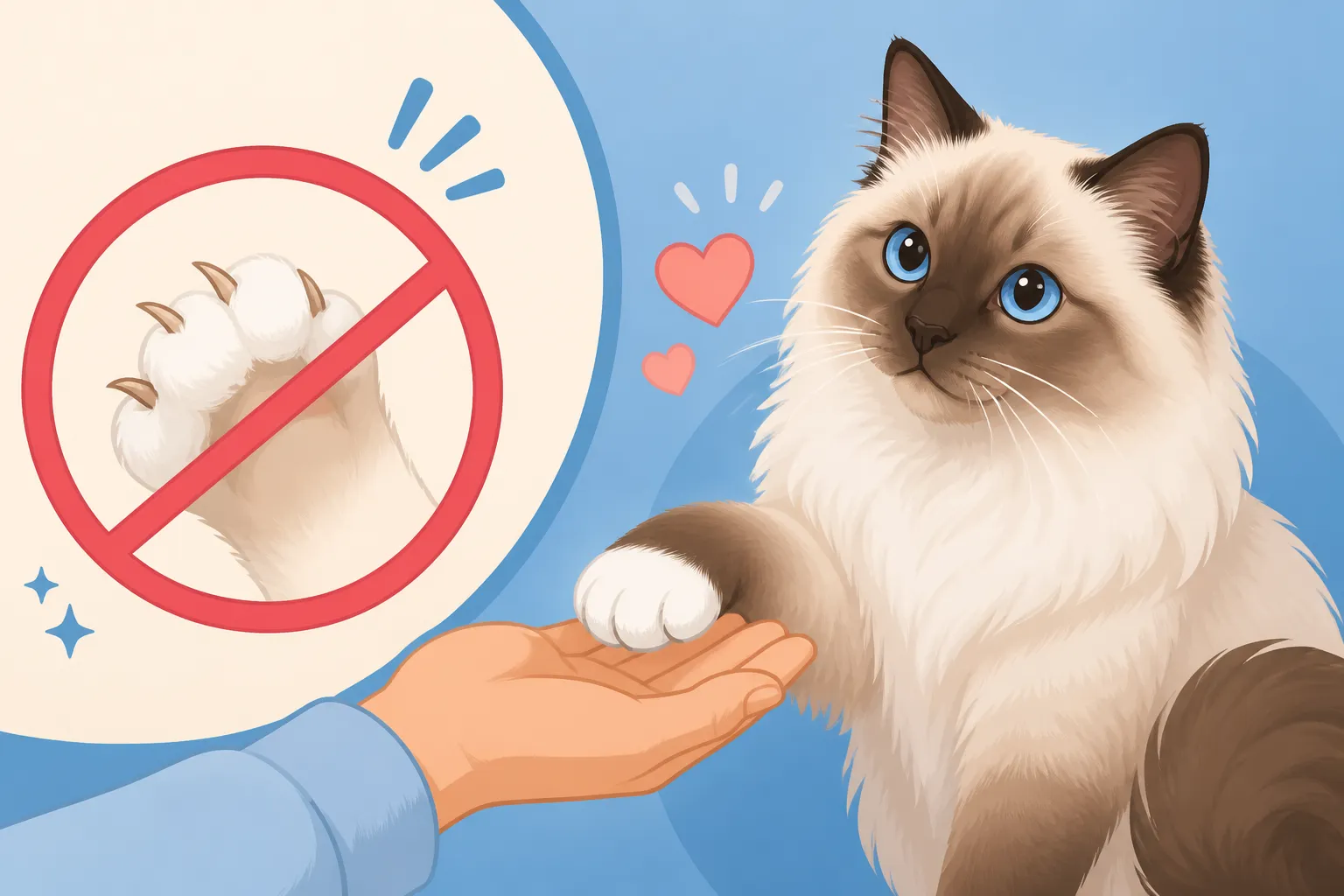
How Rarely a Birman Puts a Claw Into Anyone
One of the biggest worries many new cat parents have, especially if they're not used to feline companions, is the fear of scratches. You picture sharp claws, sudden swipes, and the inevitable sting that comes with playful (or sometimes not-so-playful) interactions. But if you're bringing a Birman cat into your home, you'll soon discover that this particular anxiety is, thankfully, almost entirely misplaced. This guide will walk you through why Birmans are so incredibly gentle with their paws and what you can do to ensure a harmonious, scratch-free life together.
The Birman's Inherently Gentle Disposition
The Birman cat breed is renowned for its placid, sweet-natured temperament, often earning it the affectionate moniker "The Sacred Cat of Burma." This isn't just a charming legend; it's a deeply ingrained aspect of their personality that influences nearly every interaction they have, including how they use their paws. Unlike some more boisterous or highly-strung breeds, Birmans genuinely prefer peace and harmony, and this extends to their physical interactions with humans and other pets.
The "Sacred Cat" Temperament and Its Roots
The legend surrounding the Birman's origin speaks of temple cats who gained their beautiful blue eyes, golden coats, and white paws as a reward for their devotion. While a lovely story, the reality of their temperament comes from generations of selective breeding by dedicated fanciers who prioritized a gentle, docile nature. These breeders understood that a cat meant to be a companion, often living in close quarters with people, needed to be inherently calm and forgiving. This foundational work has resulted in a breed that is known for its incredible patience and tolerance, even when faced with the sometimes clumsy affection of children or other pets. It's truly a testament to the breeders' efforts that they have managed to maintain this characteristic throughout the breed's history. Why Every Standard Calls the Birman a Gentle Breed is a topic that delves deeper into this defining trait.
This gentle nature means that a Birman is rarely inclined to lash out in aggression. Their first instinct when uncomfortable isn't to scratch or bite, but rather to retreat or communicate their displeasure through much subtler means. They're not the type of cat to leap out from behind furniture and attack your ankles, nor are they likely to retaliate with claws if startled. Instead, they might flatten their ears slightly, swish their tail, or simply walk away from a situation they find overwhelming. This intrinsic calm is one of the most endearing qualities of the breed and a major reason why they are so often recommended for families.
Why They Prefer Passive Communication
Birmans are not known for being overly vocal, especially when compared to their Siamese ancestors. Their communication style is often quiet and understated. They tend to use soft trills or gentle chirps to express themselves, rather than loud meows or demanding yowls. This extends to their physical interactions as well. Instead of using claws to get attention or express boundaries, a Birman is far more likely to rub against your legs, offer a slow blink, or simply settle near you. How a Birman Shows Affection Without Making Demands perfectly encapsulates this subtle yet profound way they connect with their human companions.
When a Birman wants something, like food or a cuddle, they usually employ a quiet persistence. They might follow you from room to room, sit patiently and gaze at you with their soulful blue eyes, or gently tap your leg with a soft paw. This passive form of communication is effective because it rarely escalates into anything aggressive. If they feel threatened or annoyed, their primary response is almost always to disengage from the situation rather than to escalate it physically. This inherent avoidance of conflict is a key reason why serious scratches from a Birman are exceptionally rare.
Understanding Birman Claw Etiquette: When Paws Are Used
While Birmans are famously gentle, it’s important to remember that they are still cats and possess natural instincts. Their claws are a vital part of their anatomy, used for balance, climbing, self-defense (though rarely against humans), and, of course, scratching. However, a Birman's approach to using its claws is distinctly different from many other breeds, characterized by a deliberate softness and an aversion to causing harm.
Playtime: Claws In, Not Out
One of the most delightful aspects of playing with a Birman is their inherent gentleness. Even during energetic play sessions, a Birman typically keeps its claws sheathed. They might bat at a toy, pounce on a feathered wand, or playfully wrestle with a catnip mouse, but they do so with a remarkable control over their claws. It’s as if they instinctively understand the difference between playing with a toy and playing with a person. Why a Birman Plays With Its Claws In highlights this wonderful trait.
You'll often find them using their soft paws to 'catch' a toy, rather than extending their sharp nails. If a Birman's paw makes contact with your skin during play, it’s almost always a gentle tap or a soft pat, not a full-on scratch. This isn't to say an accidental nip or a momentary extension of a claw won't happen, especially with an overzealous kitten, but it's usually a miscalculation rather than an intentional act of aggression. To encourage this gentle play, investing in interactive toys like wand teasers or laser pointers, which you can easily find on Amazon, keeps their claws away from your hands.
Grooming and Stretching: Natural Claw Use
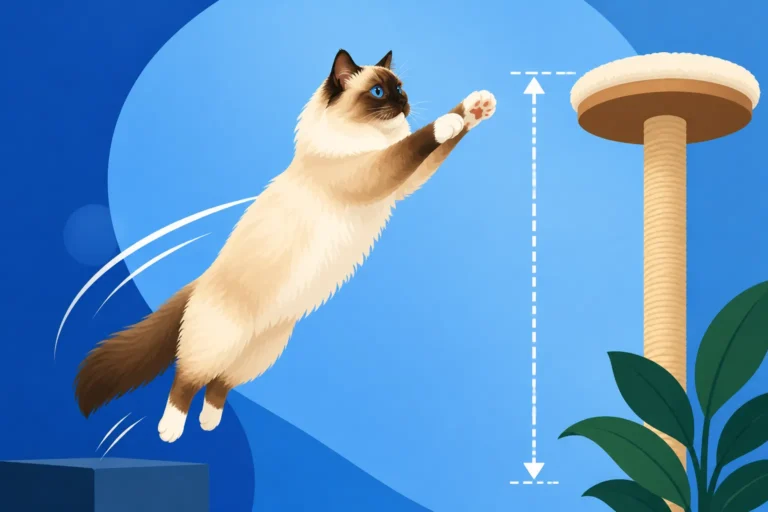
While Birmans are not prone to scratching people, they certainly use their claws for their own needs. Like all cats, they need to scratch to maintain their paw health, shed outer layers of their nails, and stretch their muscles. This is a perfectly natural and healthy behavior. You'll observe them stretching luxuriously, often extending their claws fully into a scratching post or a soft surface.
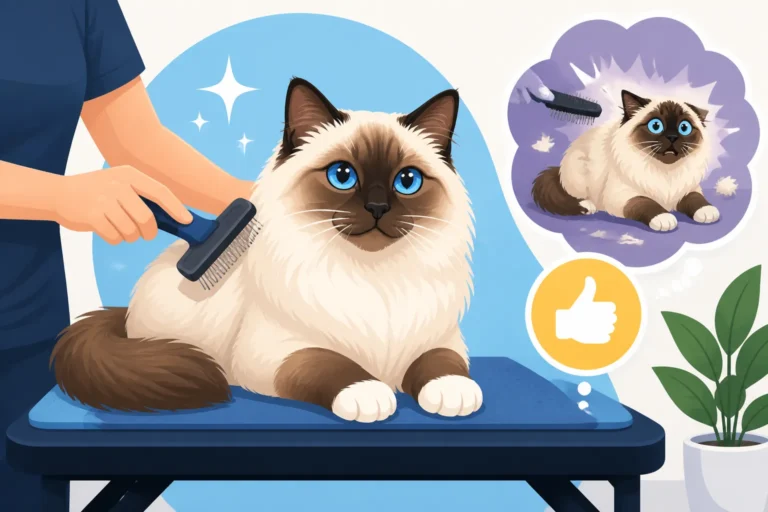
They also use their claws, along with their teeth, for self-grooming. A Birman's silky, single coat is relatively easy to maintain, but they still engage in diligent grooming routines. Sometimes, while intensely focused on licking and detangling a particularly stubborn spot, a claw might extend to help with the process. This isn't aggressive, but purely functional. Understanding these natural uses helps you provide appropriate outlets for their instincts, reinforcing good habits and preventing them from turning to inappropriate surfaces, like your sofa, for their scratching needs.
Accidental Contact and Misunderstandings
In the extremely rare instance that a Birman's claw might graze your skin, it's almost always accidental. This could happen if you move suddenly during a cuddle, or if they lose their footing while trying to climb onto your lap. Their long bodies and large paws, while beautiful, can sometimes lead to an awkward landing. Similarly, a very young kitten, still learning its boundaries and body control, might occasionally be less precise with its paws during rambunctious play.
It's crucial to differentiate these accidental instances from intentional aggression. An accidental scratch might sting, but it lacks the force and intent of a truly aggressive swipe. With their placid temperament, Birmans are simply not wired to attack. If you observe any behavior that seems out of character, it's more likely a sign of discomfort, fear, or pain, rather than malice. What a Stressed Birman Does can offer insights into these more unusual behavioral changes.
Creating a Haven: Minimizing Any Claw Incidents
Even with the Birman's gentle nature, thoughtful ownership plays a significant role in ensuring a truly scratch-free household. Providing the right environment and routine caters to their natural instincts in a way that aligns with their inherent desire for peace and avoids any potential missteps involving their claws.
Providing Appropriate Scratching Outlets
Every cat needs to scratch, and Birmans are no exception. The key is to provide attractive, accessible, and appropriate scratching surfaces so they don't feel the need to use your furniture or carpets. Think about variety: some cats prefer vertical scratching, while others like horizontal.
Here are a few types of scratching outlets to consider:
- Sisal Posts: These are often tall and sturdy, perfect for a full-body stretch. Look for one that's at least 30 inches high to allow your Birman to stretch out completely.
- Cardboard Scratchers: These come in various shapes and sizes, from flat pads to inclined wedges. Many Birmans adore these, especially when they can shred the cardboard.
- Cat Trees: A good cat tree offers multiple scratching surfaces, perches, and hiding spots. While Birmans aren't usually avid climbers, a mid-height tree with sisal-wrapped posts can be a fantastic investment. You can find a wide array of options for these on Amazon, often with different textures and designs to suit your Birman's preference. Place these scratching options in prominent areas where your Birman likes to hang out, rather than tucked away in a corner. The goal is to make the scratching post more appealing and convenient than the arm of your favorite armchair. Where to Put a Post a Birman Will Actually Use offers more advice on optimal placement.
The Importance of Regular Nail Care
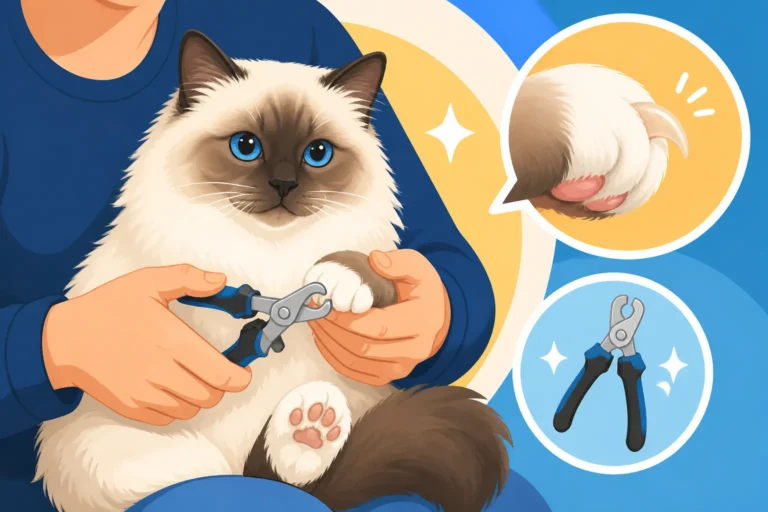
Even with appropriate scratching posts, a Birman's claws will still grow and can become quite sharp if not regularly maintained. Keeping their nails trimmed is one of the most effective ways to ensure that any accidental contact is truly harmless.
Here's how to approach nail trimming:
- Start Young: If you have a Birman kitten, begin acclimating them to nail trims early. Handle their paws gently and frequently, rewarding them with treats.
- Gentle Technique: Use sharp, cat-specific clippers. Only snip the very tip of the white claw, avoiding the pink 'quick' which contains blood vessels and nerves. If you're unsure, ask your vet or a professional groomer for a demonstration.
- Frequency: Most Birmans benefit from nail trims every 2-4 weeks. If you can hear their nails clicking on hard floors, it's definitely time for a trim.
- Positive Reinforcement: Make nail trims a calm, positive experience with lots of praise and treats. Never force or punish them, as this can create a negative association.
A Birman's placid temperament makes them generally cooperative for nail trims, especially if you start early. How to Handle a Birman for Nail Trimming provides further detailed steps to make this a stress-free experience for both of you.
Reading Your Birman's Body Language
While Birmans rarely use their claws aggressively, understanding their body language is crucial for a strong bond and to prevent any misunderstandings. They communicate their comfort levels and boundaries subtly.
Pay attention to:
- Tail Swishes: A slow, gentle swish can indicate contentment, while a faster, thumping tail might signal irritation or overstimulation.
- Ear Position: Forward-facing ears usually mean they are relaxed and engaged. Flattened or "airplane" ears suggest fear or annoyance.
- Eye Contact: A slow blink is a sign of trust and affection. Wide, unblinking stares can sometimes indicate alertness or even mild apprehension.
- Body Posture: A relaxed Birman will often be stretched out or curled up loosely. A tense, crouched posture or a sudden stiffening can mean they're feeling uneasy.
By being attuned to these cues, you can often preempt any situation where your Birman might feel the need to retreat or, in very rare circumstances, defend itself. If you notice signs of discomfort, give them space or redirect their attention to a more appropriate activity, like a gentle play session with a feather wand. Why a Placid Birman Hides Pain is a related topic that explores how their calm demeanor can sometimes mask deeper issues.
Addressing the Rare Instances: What to Do If a Birman Scratches
Despite their incredibly gentle nature, no cat is 100% immune to accidental scratches, or those rare moments when they feel truly threatened or uncomfortable. If your Birman does scratch you, it's vital to respond calmly and analytically rather than with anger or punishment. Understanding the 'why' behind the scratch is the first step to preventing it from happening again.
Identifying the Underlying Cause
If your Birman, which typically avoids using claws, does scratch, it's a strong signal that something is wrong. This is not a common behavior for the breed, so immediate investigation is warranted.
Consider these possibilities:
- Pain or Discomfort: A cat in pain, perhaps from an injury you can't see, arthritis, or dental issues, might lash out if touched in a sensitive area. This is a defensive reaction, not aggression. Why a Birman Flinches When Its Back Teeth Are Touched illustrates how a normally docile cat might react when experiencing pain.
- Fear or Being Startled: Was there a sudden loud noise? Did someone approach them too quickly from behind? Even the most unflappable Birman can be startled, and a quick, instinctive claw extension can be a natural (though unintended) reflex.
- Overstimulation During Play: While Birmans play gently, some cats can get overstimulated, especially with very vigorous or rough play involving hands. They might forget their "claws in" rule for a moment if their prey drive kicks in too strongly.
- Misunderstanding a Boundary: Perhaps you were trying to pick them up when they didn't want to be, or you inadvertently cornered them. While they usually walk away, a truly trapped Birman might use a claw as a last resort.
- Environmental Stress: Changes in their home, new people, or other stressors can make a Birman more anxious and potentially less tolerant than usual. How a Birman Reacts to Building Work is a great resource if your home environment is changing.
The immediate aftermath of a scratch is not the time for scolding. Instead, observe your cat, look for any other signs of distress, and gently examine them if possible. If you suspect pain or illness, a vet visit is paramount.
Gentle Correction and Reinforcement
For those exceedingly rare instances where a scratch might be linked to overstimulation during play or a misunderstanding of boundaries, gentle and consistent correction is key. Remember, Birmans respond incredibly well to positive reinforcement and gentle guidance, and very poorly to harsh discipline.
- Withdraw Attention: If your Birman's claws come out during play, immediately stop playing and withdraw your attention. This teaches them that clawing ends the fun. Wait a minute or two before re-engaging with an appropriate toy, not your hands.
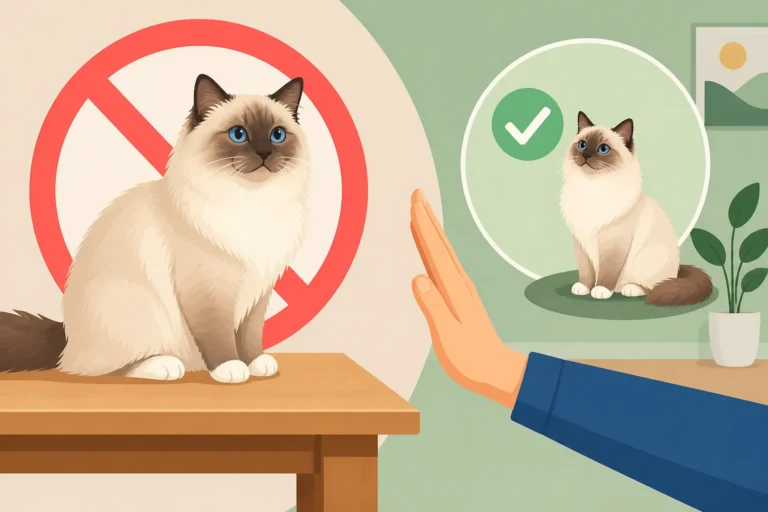
- Redirect: If they try to scratch something inappropriate, like furniture, gently pick them up (if they allow it) and move them to their scratching post. Reward them if they use the post, even for a moment.
- Consistent Training: Everyone in the household needs to be on the same page about play boundaries. Never use your hands as toys, and always use an intermediary like a wand toy. These are easy to find on Amazon and allow for safe, engaging play.
- "No" or a Hiss: A firm but quiet "no" or even a gentle hiss (mimicking a mother cat) can sometimes be enough to break their focus if they are getting too excited. This should be delivered calmly, not angrily.
The goal is to teach them alternative, acceptable behaviors, and to reinforce their natural gentleness. Their intelligence and desire to please will make them quick learners. Teaching a Birman to Bring Something Back demonstrates their capacity for positive training.
When to Seek Professional Guidance
If your Birman exhibits persistent scratching, especially if it seems aggressive or is accompanied by other unusual behaviors like hiding, changes in appetite, or increased vocalization, it's time to consult a professional.
- Veterinarian First: Your vet should always be your first point of contact. They can rule out any underlying medical conditions causing pain, discomfort, or behavioral changes. A cat that suddenly starts scratching is often a cat that is unwell. Why a Birman That Hides Under the Bed Needs a Vet strongly advises professional consultation for such behavioral shifts.
- Certified Feline Behaviorist: If medical issues are ruled out, a certified feline behaviorist can help identify behavioral triggers and develop a plan to address them. They can offer insights into subtle feline communication and suggest environmental modifications or training techniques tailored to your Birman's specific needs.
Remember, a Birman scratching with intent is a very unusual and rare occurrence. It almost always points to an underlying issue that needs to be understood and addressed with kindness and professional support. With their loving and gentle hearts, Birmans thrive on harmony, and ensuring their physical and emotional comfort is the best way to keep those beautiful, white-gloved paws soft and harmless.
| Scenario | Birman's Typical Reaction | Claws Involved? (Typically) | Recommended Action |
|---|---|---|---|
| Overstimulated Play | Disengages, sometimes bats gently | Rarely, accidentally | Stop play, redirect to wand toy |
| Startled by Loud Noise | Jumps, hides, runs away | Rarely, accidental reflex | Provide safe hiding spots, gentle reassurance |
| Unwanted Handling/Cuddling | Moves away, pushes with paws (claws in) | Rarely, pushes off gently | Respect boundaries, let cat initiate interaction |
| Feeling Pain/Discomfort | Hides, withdraws, may growl/hiss | Potentially, defensively | Immediate vet check-up |
| Needs Attention/Food | Follows, trills, rubs | Never | Acknowledge, fulfill needs |
| Marking Territory/Stretching | Uses scratching post/approved surface | Yes, intentionally on surface | Provide sturdy, varied scratching posts |
Disclaimer
This article is for general informational purposes only and does not constitute professional advice. Laws, prices and regulations vary by location and change over time. Consult a qualified professional for guidance on your specific situation.