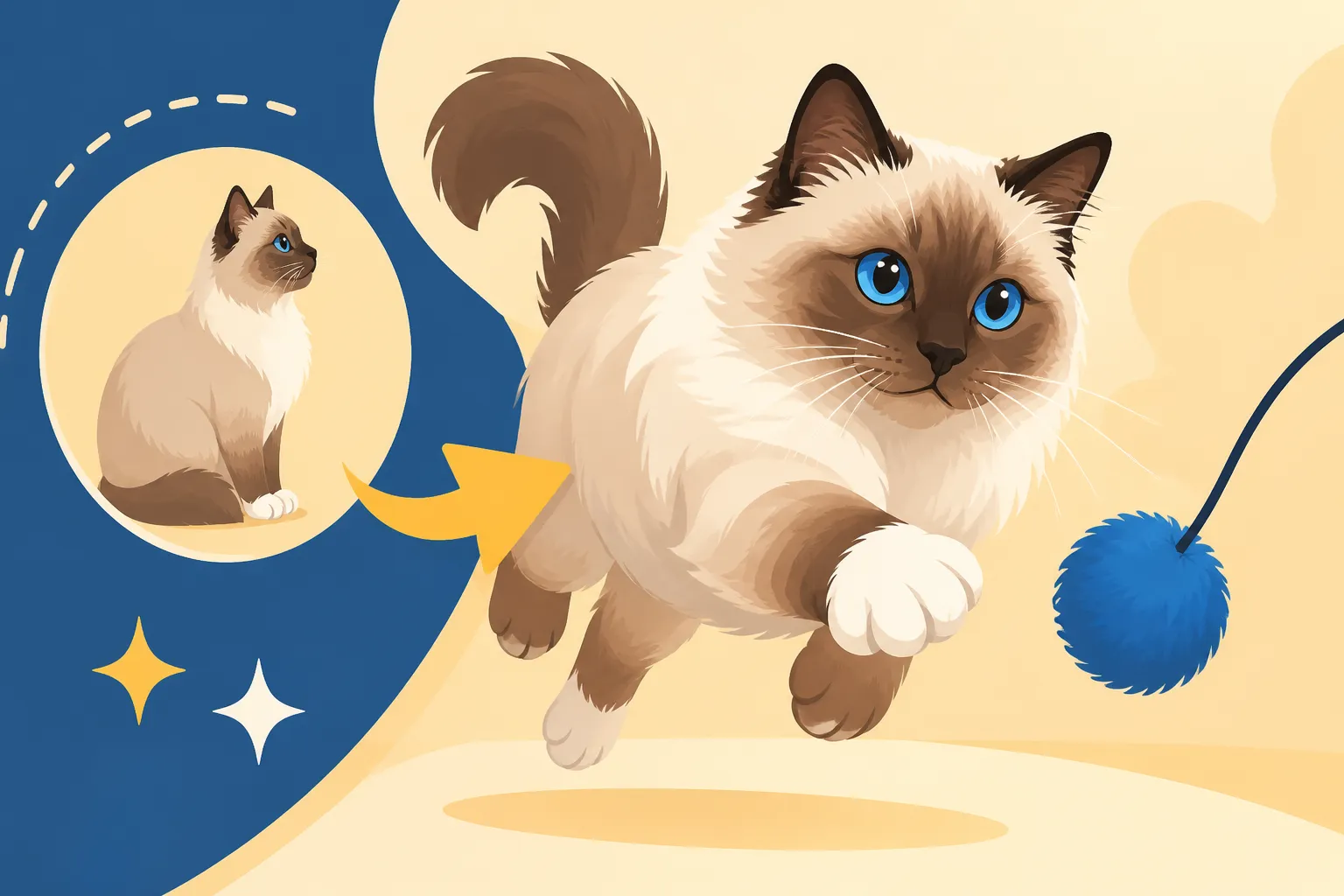
Why a Birman Keeps Playing Into Middle Age
It can be genuinely surprising to watch your Birman, who might be approaching their seventh or eighth birthday, still batting around toys with the same enthusiasm they had as a kitten. Many cat owners expect their beloved felines to transition into a more sedate, nap-filled existence once they leave their prime. But Birmans often defy this common expectation, maintaining a remarkably playful spirit well into what we consider their middle age. This delightful trait isn't just charming; it's a testament to their unique breed characteristics, and understanding why they remain so active can help you keep them happy and engaged for years to come.
The Birman's Innate Temperament: A Foundation for Lifelong Play
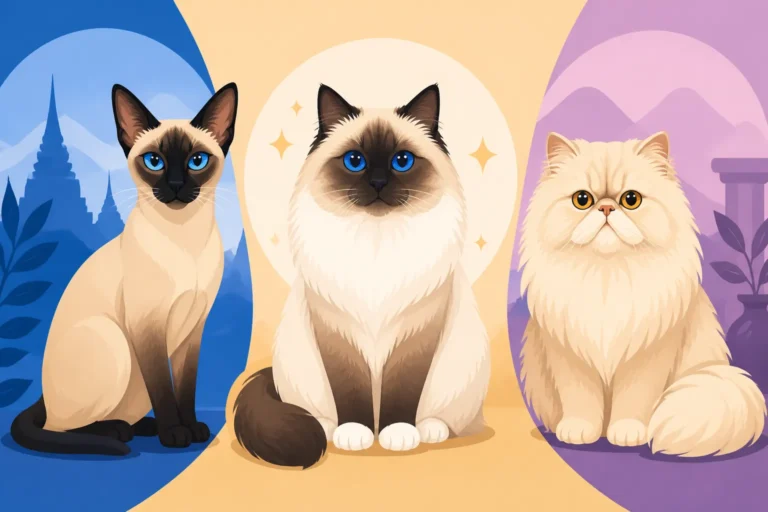
The Birman breed is renowned for its gentle, amiable nature, often striking a beautiful balance between the boisterous energy of a Siamese and the placid calm of a Persian. This "middle ground" personality is a significant factor in their sustained playfulness, as it fosters a natural curiosity and willingness to interact without the high-strung intensity that might burn out other breeds prematurely.
The "Middle Ground" Personality
When we talk about the Birman sitting The Birman Sits Between the Siamese and the Persian, we're really getting to the heart of their unique temperament. They possess a delightful blend of inquisitiveness and serenity. Unlike some high-energy breeds that might demand constant, intense play sessions to prevent boredom or destructive behavior, a Birman’s play drive is usually more sustained and less frantic. They enjoy engaging with their environment and their people, but they do so with a certain grace and quiet persistence. Imagine a cat that loves to explore every new box or crinkle ball, but will happily settle for a gentle feather wand session rather than an Olympic-level chase. This moderate energy level means they don't exhaust their desire for play quickly, allowing it to continue as a consistent, comforting thread throughout their lives. It's a fundamental part of who they are, woven into their very being, rather than a phase they outgrow.
Consider a typical evening: while a Persian might be content to observe from a comfortable perch, and a Siamese might be loudly demanding a full-on sprint and pounce, your Birman will likely be found quietly investigating a forgotten toy under the sofa or gently nudging your hand for a game of "hide the treat." Their play isn't about burning off excess energy as much as it is about connection and soft exploration. This enduring, gentle curiosity means that as they age, they don't necessarily stop playing; rather, their play might just become a little less frenetic, a little more thoughtful, but no less frequent. It’s this intrinsic personality that keeps them coming back to their favorite toys and interactions, even when they’re no longer nimble kittens.
Social Nature and Engagement
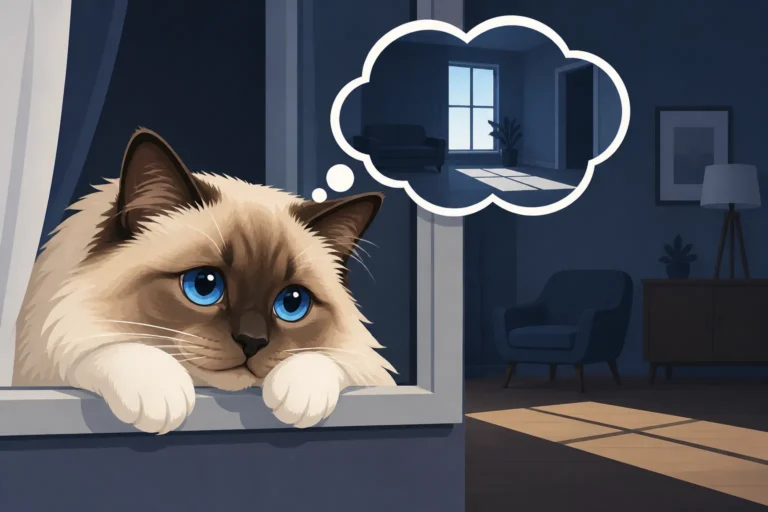
Another cornerstone of the Birman's enduring playfulness is their profoundly social nature. These aren't aloof cats content with their own company for long stretches. They thrive on interaction and connection with their human family, and play is one of their primary languages of communication and bonding. Why a Birman Needs Company More Than Stimulation is a phrase that perfectly encapsulates this aspect of their personality. They genuinely enjoy being part of the action, even if they're not always the star of the show.
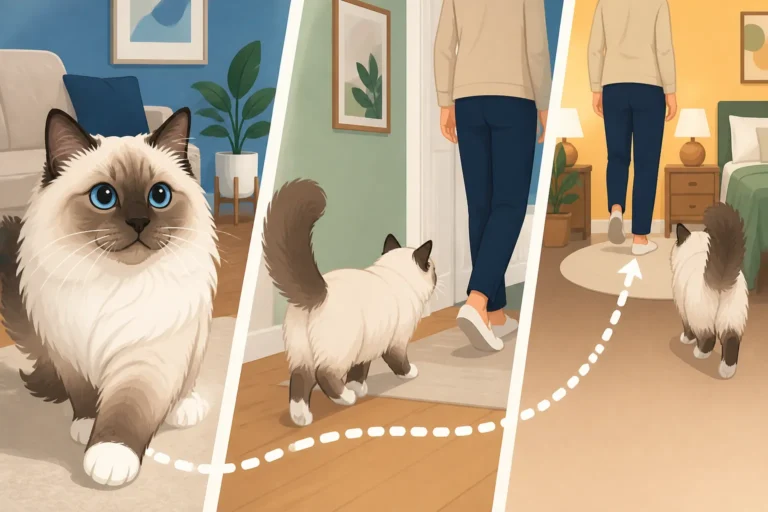
This intrinsic desire for companionship means that play isn't just about physical activity for a Birman; it's a social ritual. If you spend time engaging with them, even with a simple wand toy, you'll see their eyes light up, and their purr rumble with contentment. They might not be the cat that constantly begs for attention, but they certainly cherish it when it's offered. A Birman will often follow you from room to room, not to demand anything, but simply to be near you. And when you pick up a toy, even a familiar one, it signals an invitation to connect, which they are almost always eager to accept. This deep-seated need for social engagement and their love for their human companions acts as a powerful motivator to keep them playing, even as the years tick by. They associate playtime with positive reinforcement, affection, and the joy of shared experience, making it a habit they rarely let go of.
Physical Attributes That Support Extended Play
Beyond their charming personalities, Birmans also possess physical characteristics that naturally predispose them to a longer period of active play. Their build, energy levels, and even their unique coat all contribute to their ability and desire to remain agile and engaged well into middle age.
Moderate Energy Levels and Agile Build
While Birmans might not possess the sheer athletic prowess or high-octane energy of some Oriental breeds, their moderate energy levels are precisely what allows them to sustain play for so many years. How a Birman's Energy Compares to a Persian's is a useful comparison here, as Persians are known for being quite sedate. Birmans have enough get-up-and-go to enjoy a good chase or a spirited pounce, but not so much that they quickly wear themselves out or develop joint issues from constant, intense activity. Their energy is a slow burn, not a flash fire.
Their physical build also plays a crucial role. Birmans are generally medium-to-large cats with a sturdy, muscular, yet graceful frame. They are agile and well-proportioned, which helps them move freely and comfortably. They don't typically have the extreme body types that can lead to mobility challenges earlier in life, such as very short legs or overly compact bodies. This natural athleticism, coupled with a healthy weight (which is easier to maintain with moderate activity), helps preserve their joints and muscles. A Birman that is moving comfortably and without pain is far more likely to engage in spontaneous play. For instance, a middle-aged Birman might still enjoy a short burst of speed to chase a favorite laser pointer dot or elegantly leap onto a cat tree, whereas a cat with a less forgiving build might start to show reluctance or discomfort much sooner. It’s this enduring physical capability, rather than extraordinary bursts of speed, that keeps the joy of movement alive for them.
The Birman's Unique Coat and Comfort
One of the most distinguishing features of the Birman is their luxurious, silky coat. Unlike many other long-haired breeds, the Birman has a single coat with very little to no undercoat. This characteristic has a direct, positive impact on their comfort and, by extension, their willingness to play. A dense, woolly undercoat, like that found on some other longhairs, can be quite warm and heavy, potentially leading to overheating during vigorous play, especially in warmer climates or well-heated homes. It can also be more prone to matting, which can cause discomfort and restrict movement if not meticulously groomed.
The Birman's single, flowing coat, however, is much lighter and less prone to tangles. This means they are often more comfortable and less encumbered when they move. They can stretch, pounce, and roll with ease, without their fur getting in the way or causing them to overheat too quickly. Think about how a heavy sweater might restrict your own movement or make you feel sluggish; a Birman's coat is more like a light, elegant robe. This inherent comfort allows them to engage in physical activity more readily and for longer periods. It reduces the physical barriers to play, making it a more consistently enjoyable experience throughout their lives. Regular grooming, even just three times a week, helps maintain this comfort, ensuring their coat remains a pleasure rather than a burden.
The Critical Role of Environment and Companionship
Even the most naturally playful Birman can become a couch potato if their environment isn't stimulating or if they lack appropriate social interaction. For Birmans, the world around them and the company they keep are powerful catalysts for sustained playfulness into their later years.
Consistent Interaction Fuels Playfulness
Birmans are creatures of habit and thrive on routine, but within that routine, they crave interaction. A household where play is a regular, positive experience will encourage a Birman to maintain their playful demeanor. If play sessions are sporadic or unengaging, any cat, regardless of breed, might lose interest. For a Birman, however, consistency reinforces the idea that play is a cherished part of their day and a way to connect with their beloved humans.
Think of it this way: if you consistently initiate a game with a feather wand or a laser pointer (available on Amazon, for example), your Birman learns to anticipate and look forward to that interaction. Even as they grow older, this established pattern keeps their playful instincts sharp. Leaving a variety of Which Toys Suit a Birman That Plays Quietly around the house for independent exploration is good, but nothing quite replaces direct human engagement. A Birman might not actively demand play, but they certainly respond with enthusiasm when invited. A simple game of "fetch" with a crinkly ball or a few minutes spent chasing a string can brighten their entire day and keep their mental and physical faculties agile. This consistent, positive reinforcement teaches them that play is always an option and always enjoyable, ensuring they carry this lesson into their middle and senior years.
Companionship: A Catalyst for Continued Engagement
Birmans are incredibly social, and while human interaction is paramount, many truly flourish with another feline companion. Why a Birman Does Better With a Companion Than a Toy isn't just a catchy phrase; it's a truth recognized by many Birman owners. The presence of another cat, especially one with a similar gentle play style or even a slightly more energetic nature, can be a constant source of playful stimulation. They can engage in gentle wrestling, chase each other through the house, or simply bat at toys together, sparking a joy that solo play sometimes can't quite match.
If you have a pair of Birmans, or a Birman alongside another compatible breed, you'll often observe them instigating games with each other, long after they might have stopped initiating play with inanimate objects on their own. This peer interaction keeps their instincts honed and provides a dynamic, ever-changing playmate. Imagine your middle-aged Birman, typically a quiet player, suddenly getting a burst of energy when their housemate streaks past with a stolen toy! This kind of social play helps ward off boredom and keeps them mentally and physically active. The ideal companion would be another cat with a temperament that Which Cats Match a Birman's Middle of the Road Pace, providing engaging but not overwhelming interaction. This mutual encouragement to play ensures that their youthful spirit is kept alive, shared between friends, making their later years just as vibrant as their early ones.
Tailoring Play and Enrichment for Middle-Aged Birmans
Just because your Birman is still playful doesn't mean their play needs won't evolve. As they move into middle age, it's essential to adapt your approach to keep them engaged, comfortable, and safe. Thoughtful toy selection and maintaining a stimulating routine are key.
Choosing Age-Appropriate Toys and Activities
As your Birman enters its middle years, roughly from age seven onwards, you might notice subtle shifts in their play style. While they might still chase a laser dot, their leaps might be a little less high, or their sprints a little shorter. This is a natural part of aging, but it doesn't mean the end of play. It simply means adapting the types of toys and activities you offer. How a Birman's Play Changes at Seven is a great reference point here. Instead of focusing on high-impact jumping and running, prioritize toys that encourage gentle batting, problem-solving, and interaction.
For example, feather wands remain a favorite, but perhaps you'll keep the wand closer to the ground, encouraging pounces and gentle grabs rather than vertical leaps. Puzzle feeders are also fantastic, engaging their minds and rewarding them with treats without requiring strenuous physical exertion. You can find a wide variety of these on Amazon, from simple treat-dispensing balls to more complex sniff mats. Interactive toys that move unpredictably but not too quickly can also hold their interest. The goal is to provide mental and physical enrichment that respects their changing physical capabilities. A soft toy mouse that can be "killed" with a satisfying pounce is often preferred over a toy that requires continuous, high-speed pursuit. These adapted activities ensure that play remains enjoyable and beneficial, without putting undue strain on aging joints.
Maintaining a Routine and Mental Stimulation
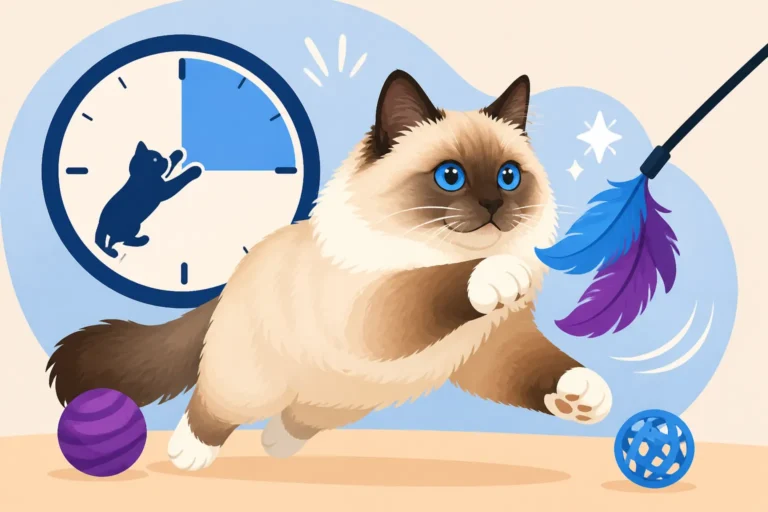
Birmans, like many cats, thrive on routine. A predictable schedule for feeding, grooming, and play provides a sense of security and reduces stress. Integrating regular, albeit adjusted, play sessions into this routine is crucial for maintaining their mental and physical well-being. Even if it's just two 10-15 minute sessions a day, consistent engagement helps keep their minds sharp and their bodies moving. How Much Play a Birman Needs Daily can vary slightly, but consistency is always more important than intensity as they age.
Mental stimulation is just as vital as physical activity for an aging Birman. This can come from various sources: new scents (a securely monitored "sniffing walk" in a pet stroller, for example), rotating toys to keep things fresh, or even just sitting with them and pointing out the birds outside the window. Interactive conversations, gentle petting, and even simple training (like teaching them to come when called) can all contribute to their mental engagement. Imagine setting up a safe, low-level cat tree (also available on Amazon) near a window, offering a bird's-eye view of the outside world, without requiring strenuous climbing. These small acts of enrichment prevent boredom and cognitive decline, keeping their playful spark burning brightly. After all, a sharp mind is often a playful mind, and Which Games Still Interest a Birman Past Twelve often involve more mental cunning than raw physical power.
Monitoring Health: Differentiating Play from Potential Issues
While a Birman's continued playfulness is a wonderful trait, it's important for owners to be vigilant. Changes in play behavior, even subtle ones, can sometimes be the first indicator of an underlying health issue. Distinguishing between normal aging and actual discomfort requires careful observation and regular veterinary care.
Subtle Signs of Pain and Discomfort
Birmans are famously stoic and often hide illness or pain remarkably well, a trait linked to their placid temperament. This means you need to be an astute observer of their subtle cues. A slight reluctance to jump as high as before, a shorter play session, or a new preference for ground-level play could be normal aging, but it could also signal joint pain or other discomfort. What an Old Birman Slows Down From First often includes things like jumping and climbing. If you notice your Birman is taking longer to get up after a nap, seems stiff, or is unusually quiet after a play session, these are all signs that warrant closer attention.
You might also observe changes in their grooming habits, appetite, or even their purr – perhaps it's less frequent or sounds different. Cats in pain might also become slightly withdrawn, less interactive, or show sensitivity when touched in certain areas. It's crucial not to dismiss these subtle shifts as simply "getting old." For instance, if your Birman used to bat at a dangling toy for ten minutes but now only manages two before walking away, it’s worth noting. Any persistent change from their usual playful self, no matter how minor it seems, should be considered a potential red flag and warrants a discussion with your veterinarian. This proactive approach ensures that any discomfort is addressed promptly, allowing them to continue playing comfortably for as long as possible.
The Importance of Regular Veterinary Check-ups
Given a Birman's tendency to mask discomfort, regular veterinary check-ups become even more paramount as they enter middle age. These routine visits are not just about vaccinations; they are critical for early detection of age-related conditions like arthritis, dental disease, or heart issues. A veterinarian can assess their mobility, listen to their heart, check their teeth, and discuss any changes you've observed, no matter how small. How Arthritis Shows in a Birman That Never Jumped Much can be very subtle, for instance.
During these check-ups, your vet can conduct a thorough physical examination, perhaps checking for sensitivity in joints or observing their gait. Blood work may also be recommended to monitor organ function, especially kidneys, which can be a concern in older cats. Early detection of conditions like osteoarthritis means treatments can begin sooner, helping manage pain and maintain mobility, which directly impacts their ability and desire to play. For example, specific joint supplements or anti-inflammatory medications, prescribed by your vet, could make a world of difference in keeping a middle-aged Birman comfortable and active. Don't underestimate the power of a professional eye; what might seem like a simple change in play to you could be a clear signal of an underlying issue to an experienced vet. These check-ups are an investment in your Birman’s continued happiness and playful longevity.
Birman Playfulness Across Life Stages: A Comparison
To illustrate the Birman's sustained playfulness, let's look at how their play style and needs might compare across different life stages, noting their unique consistency compared to other breeds.
| Life Stage | Typical Feline Play Style (General) | Birman Play Style (Typical) | Key Play Needs for a Birman |
|---|---|---|---|
| Kitten (0-1 year) | High energy, frequent bursts of wild play, exploring boundaries, learning. | Enthusiastic, curious, but often with a gentle approach. Enjoys chasing, pouncing, wrestling with littermates. Less prone to destructive high-energy outbursts than some breeds. Early signs of social play preference. | Variety of toys, safe climbing options (low cat trees), social play with littermates/humans, gentle handling for grooming introduction. |
| Young Adult (1-6 years) | Peak energy, agile, enjoys vigorous play, hunting simulations, climbing. | Maintains strong play drive, enjoys interactive play (wand toys, fetch), puzzle feeders. Still enjoys climbing but often prefers mid-height perches. Play is social and bonding-oriented. | Consistent daily interactive play, mentally stimulating toys, companionship (human or feline), sturdy scratching posts. |
| Middle Age (7-10 years) | Energy begins to decrease, more naps, less intense play, some slowing down. | Often retains significant playfulness! May engage in shorter, less strenuous bursts. Still highly responsive to interactive play, enjoys puzzle toys and gentle chasing. Social aspect of play remains paramount. May prefer floor-level games. | Adapted interactive play (lower jumps), puzzle feeders, comfortable resting spots, consistent gentle play invitations, monitoring for subtle signs of discomfort. |
| Senior (11+ years) | Significantly reduced energy, prefers comfort and warmth, occasional gentle play. | Still enjoys play, though intensity and duration decrease. May prefer quiet interaction, gentle batting at toys while lying down, or "hunting" from a comfortable spot. Mental stimulation remains important. Highly values human connection during play. | Very gentle, low-impact play, warm and accessible resting places, soft toys, continued social interaction, regular vet checks for pain management. What an Old Birman Slows Down From First usually means less strenuous activity, not no activity. |
Keeping Your Birman Thriving and Playing
Seeing your Birman maintain their playful spirit into middle age is a true joy, and it speaks volumes about their fantastic breed characteristics. But it's also a reminder of our responsibility as their caregivers to understand and cater to their evolving needs.
Fostering this continued playfulness isn't just about entertainment; it's about enriching their lives, maintaining their physical health, and strengthening the incredible bond you share. By providing consistent, thoughtful interaction, adapting their environment, and staying vigilant about their health, you're ensuring that your Birman can enjoy a vibrant, playful life for many years to come. Remember, even the quietest nudge for a game of chase or the softest purr during a feather wand session is your Birman's way of saying they still have plenty of life and love to share. Keep those toys ready, and cherish every playful moment! And don't forget to keep an eye on their weight and nutrition; How Many Calories a Birman Needs to Hold Its Coat is important, but overfeeding can lead to obesity, which will certainly dampen their playfulness.
Disclaimer
This article is for general informational purposes only and does not constitute professional advice. Laws, prices and regulations vary by location and change over time. Consult a qualified professional for guidance on your specific situation.