Why You Have to Lean In to Hear a Birman Purr
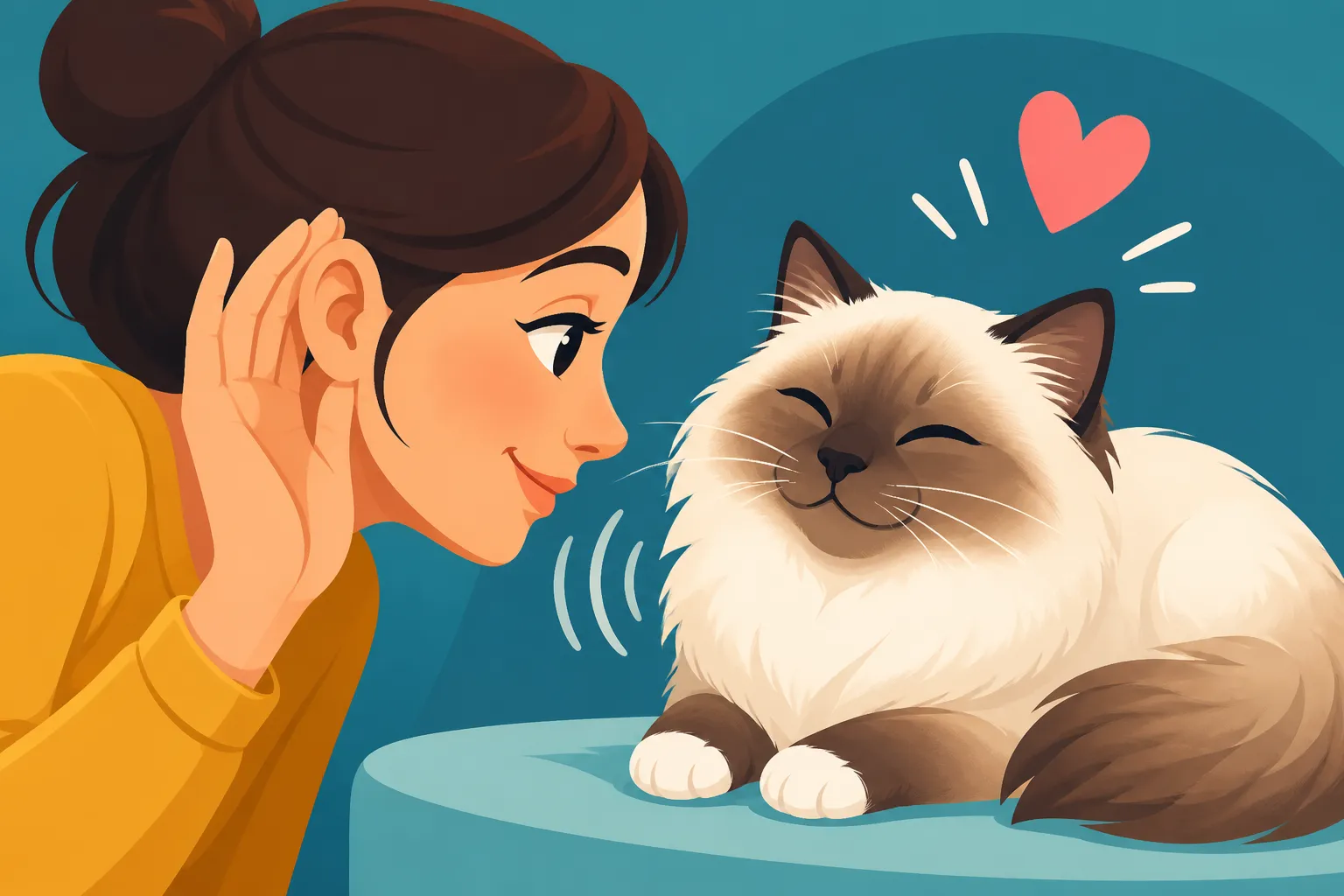
It’s a common moment for many Birman parents: your beautiful, placid cat is curled up next to you, clearly content, but you find yourself leaning in, straining your ears, almost willing yourself to hear that tell-tale rumble. You might wonder, "Are they actually purring, or just breathing deeply?" This quietude is a hallmark of the Birman breed, and it’s perfectly normal if you have to get cozy to catch those soft vibrations. This guide will explore why your Birman purrs so softly, how they communicate their happiness, and how you can truly appreciate these subtle expressions of feline joy.
The Birman's Gentle Vocal Nature and Subtle Purr
The Birman is renowned for its serene and gentle disposition, a trait that extends beautifully to its vocalizations. Unlike some of their more boisterous feline cousins, Birmans tend to be soft-spoken, almost as if they understand the value of a quiet conversation. This inherent calmness often means their purrs are more felt than heard, a gentle vibration that communicates deep contentment without needing to fill the room.
A Legacy of Quiet Charm
When you look into the history and temperament of the Birman, their quiet nature makes perfect sense. They aren't known for being loud or demanding cats. Instead, they prefer to be close to their human companions, offering comfort and companionship without overwhelming chatter. This gentle nature is a core part of their charm, making them wonderful pets for families, singles, and older individuals alike. They embody a calm presence, and their purr is a direct reflection of this. Imagine a peaceful evening, your Birman nestled beside you on the sofa, simply happy to be in your orbit. Their purr in such a moment isn't a fanfare; it's a quiet hum, a private moment shared between you and your cherished companion. This is just one of the reasons Why a Birman is the Cat Families Are Told to Get.
The Whisper-Soft Meow and Trill
Just like their purr, a Birman's meow is typically soft, often described as a polite trill or a tiny chirp. If you're used to a cat that belts out demands for food or attention, you might initially find yourself wondering if your Birman can even meow at all! They use these delicate sounds sparingly, usually when they want to greet you, express a mild desire, or simply acknowledge your presence. It’s rarely a full-throated cry. This soft vocal repertoire means their purr often follows suit, being less about producing a loud sound wave and more about an internal vibration of joy. It's a key part of their personality, distinguishing them from breeds known for their incessant chatter. The article The Small Trill a Birman Uses Instead of a Meow goes into more detail about these delightful, understated vocalizations. You won’t often hear them yell; instead, they communicate through a charming subtlety.
Beyond the Audible: How Birmans Communicate Contentment
While a loud purr might be the universal symbol of a happy cat in pop culture, for a Birman, contentment is expressed through a rich tapestry of subtle cues. Their quiet purr is just one thread in this intricate communication. Understanding these other signals is key to truly appreciating your Birman's unique way of showing affection and happiness.
Silent Signals of Affection: Head Bumps, Slow Blinks, and Proximity
Birmans are masters of non-verbal communication. They will often Why a Birman Follows You Without Demanding Anything, choosing to be in the same room, perhaps just a few feet away, observing you with their sapphire eyes. A slow blink from your Birman is often referred to as a "cat kiss" – a powerful sign of trust and affection. They might offer gentle head bumps, rub against your legs, or lightly paw at your hand, all without uttering a sound louder than a soft trill. These are profound expressions of their bond with you, just as meaningful as any booming purr. How a Birman Shows Affection Without Making Demands delves deeper into these lovely, understated gestures. So, even if the purr isn't a thunderous rumble, rest assured, your Birman is likely showering you with love in their own quiet way.
The Physical Vibration of Joy
Sometimes, the best way to "hear" your Birman's purr is to feel it. When your Birman is snuggled against you, place your hand gently on their chest or throat. You’ll likely feel a distinct, rhythmic vibration – that’s their purr! It’s a physical manifestation of their happiness, a quiet engine of contentment. This tactile experience can be incredibly intimate and reassuring. It reminds you that even if the sound waves aren't reaching your ears with force, the feeling is undeniably there, a private concert for your hand. This soft vibration is exactly what makes their purr so special; it requires closeness and attentiveness, deepening the bond between you. You might find that How Many Times a Day a Birman Actually Speaks is far less than you imagine, with these physical cues taking precedence.
Setting Expectations: Birman Purrs vs. Other Breeds
If you’ve previously shared your home with a vocal Siamese or a boisterous domestic shorthair, the Birman’s quiet nature might come as a surprise. It’s helpful to understand that purr volume varies wildly across the feline world, and the Birman sits firmly on the quieter end of that spectrum. This isn't a flaw; it's simply part of their charming individuality.
The Spectrum of Feline Purrs
Consider the vast array of cat breeds out there. You have the talkative Siamese, famous for their loud, distinctive meows and often equally robust purrs. Then you have breeds like the Maine Coon, which can produce an astonishingly deep, rumbling purr that resonates throughout a room. The Birman, however, truly represents the "middle ground" when it comes to vocalization. As often said, The Birman Sits Between the Siamese and the Persian in terms of temperament and, significantly, their vocal expression. They possess some of the Siamese's elegant lines but none of their demanding vocal flair, and they carry the long coat of a Persian but with far less of the standoffishness. Their purr is a gentle murmur, a stark contrast to the engines of happiness that some other breeds boast. This table illustrates the differences you might encounter:
| Vocal Characteristic | Birman | Siamese | Maine Coon |
|---|---|---|---|
| Purr Volume | Very soft, often more felt | Moderate to loud, clear | Deep rumble, often vibrates surfaces |
| Meow Volume | Soft trill, chirps, whispers | Loud, demanding, distinctive yowls | Soft chirps, trills, sometimes a squeak |
| Vocal Demeanor | Gentle, undemanding, quiet | Highly expressive, conversational | Communicative, but not usually demanding |
| Affection Display | Proximity, head rubs, slow blinks | Vocal interaction, rubbing, purring | Gentle head butts, "chatter," proximity |
Why Louder Isn't Always Better
It's easy to assume that a louder purr equates to a happier cat, but that's simply not true for Birmans. Their quiet purr is an intimate sound, a personal connection. It's a reminder to slow down, lean in, and truly connect with your feline friend. It signifies trust and comfort, a deep peace that doesn't need to be broadcast to the world. For many Birman owners, this subtle purr becomes a cherished secret, a private signal of affection that makes their bond even more special. It encourages a deeper attentiveness to your cat's subtle cues, preventing you from Why a Quiet Birman Is Easy to Misread and ensuring you understand their true feelings. Embracing their quiet nature allows you to appreciate the nuanced ways they express love and contentment.
Cultivating the Connection and Hearing Your Birman's Purr
While your Birman's purr might never rival a jackhammer, there are definitely ways to enhance your ability to hear it and deepen the bond you share over this subtle sound. It's all about creating the right environment and being attuned to their unique expressions of joy.
Creating a Quiet, Intimate Environment
To fully appreciate your Birman's delicate purr, you often need to minimize competing sounds. Turn off the television, lower the music, and simply enjoy a quiet moment with your cat. When the background noise recedes, those subtle vibrations become much easier to detect with your ears. This also encourages a deeper level of relaxation for both you and your Birman, fostering an environment where they feel completely safe and content. Imagine sitting together, perhaps on a soft blanket, with gentle strokes along their silky fur. In this peaceful setting, you might just catch that faint, rhythmic hum, a soft melody of happiness. Remember, How a Birman Asks Without Ever Raising Its Voice, so you need to be observant of their environment.
Recognizing the Signs of a Happy, Purring Birman
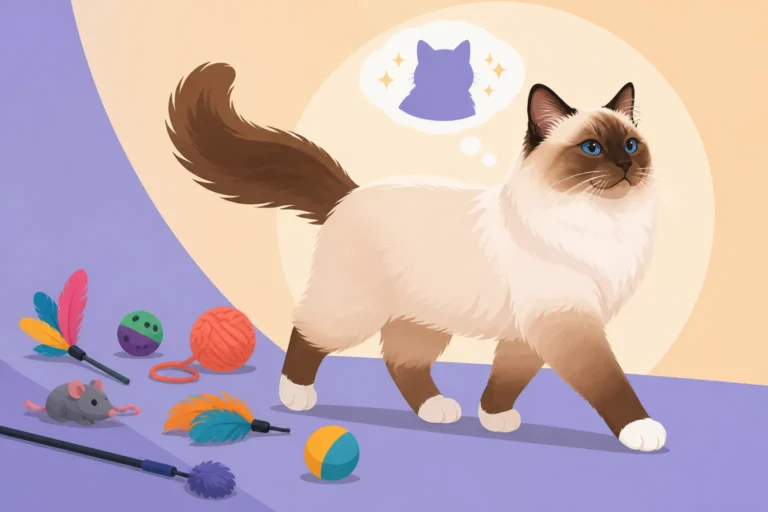
Beyond the sound (or lack thereof), a purring Birman will display several other signs of contentment. Look for relaxed body language: soft, half-closed eyes, a relaxed posture, perhaps a gentle kneading of their paws. They might be curled up in a favorite spot, their tail gently tucked or slowly swaying. These visual cues, combined with the feeling of the purr, paint a clear picture of a deeply happy cat. Don't solely rely on your ears; use all your senses to interpret your Birman's state of mind. Their overall calm demeanor, even when playing, like How Often a Birman Notices a Toy Has Changed but still engages gently, further confirms their generally peaceful nature. Their happiness is evident in their entire being, not just a sound.
Ultimately, having to lean in to hear your Birman purr isn't a sign that anything is wrong; it's a testament to their gentle, undemanding nature. It’s an invitation to a more intimate connection, a reminder to slow down and truly listen with all your senses. Embrace the whisper-soft purr – it’s a beautiful, unique characteristic of your sacred Birman.
Disclaimer
This article is for general informational purposes only and does not constitute professional advice. Laws, prices and regulations vary by location and change over time. Consult a qualified professional for guidance on your specific situation.