Whether a Birman Is a Lap Cat
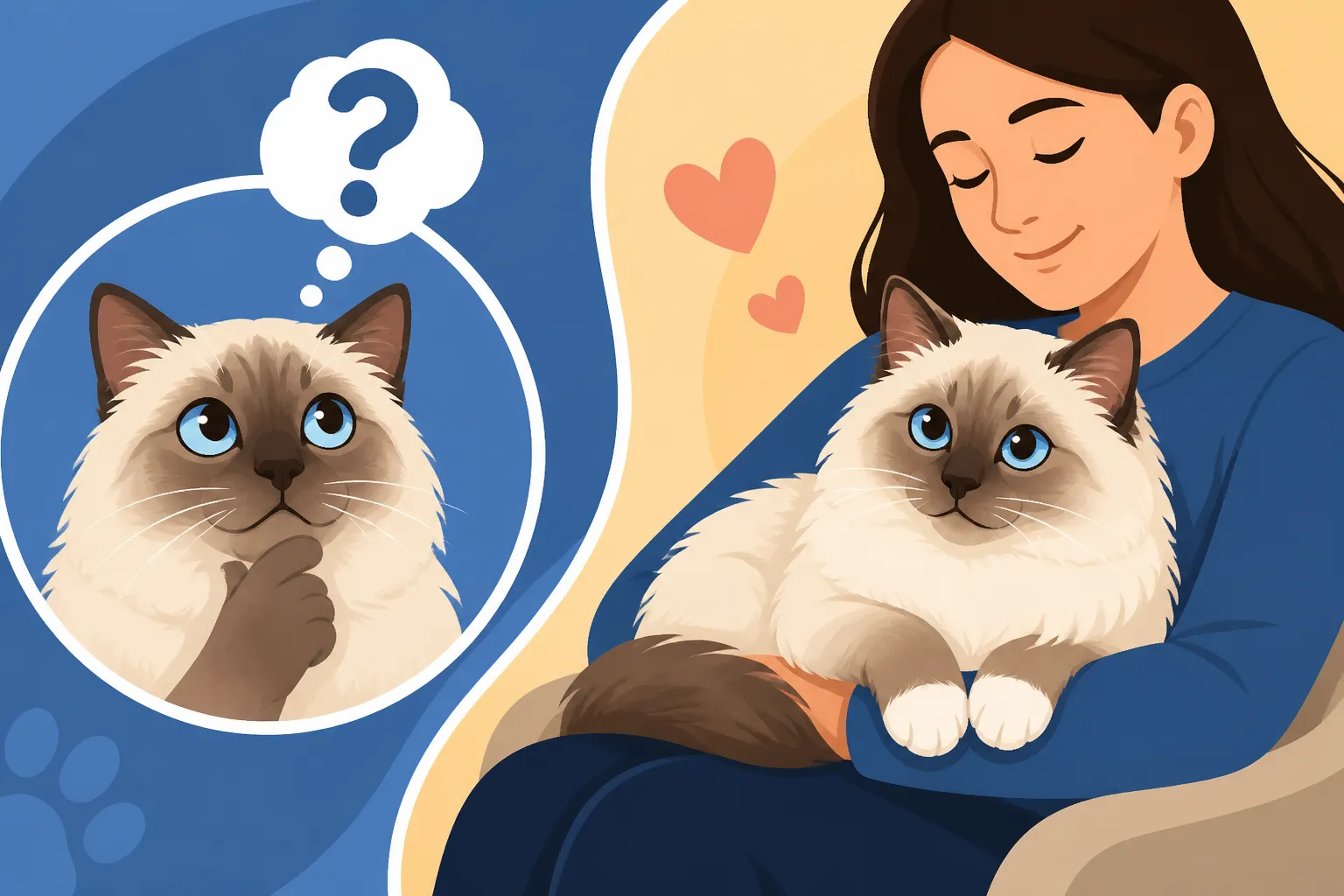
It’s a common daydream, isn't it? You picture yourself curled up on the sofa, perhaps with a good book or a cup of tea, and there, nestled perfectly in your lap, is your beautiful Birman cat, purring contentedly. Many people bring home a Birman hoping for that quintessential lap cat experience, only to find their new furry friend has a slightly different approach to affection. This guide will explore the unique ways Birmans show their love and how, with a little understanding, you can cultivate those precious lap moments with your gentle companion.
The Birman's Unique Language of Affection: Proximity Over Pushing
Birmans are famously affectionate cats, but their expression of love often takes a more subtle form than the persistent, demanding cuddles you might associate with some other breeds. They are deeply bonded to their people, yet they tend to demonstrate this bond through a constant, quiet presence rather than an insistent claim on your lap. It's a nuance that can sometimes surprise new Birman owners who might be expecting a cat that instantly melts into their arms the moment they sit down.
A Quiet, Constant Presence: The "Velcro" Without the Weight
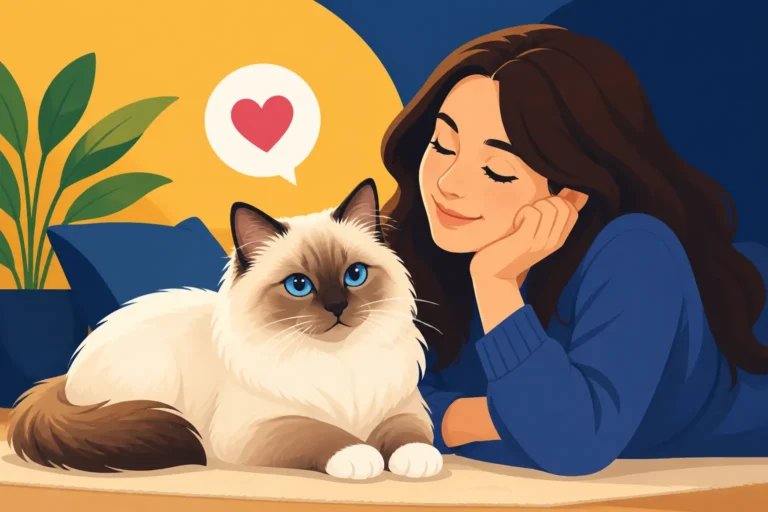
Think of your Birman as a soft, silent shadow, always in the same room, always keeping an eye on you. They are truly what many call "Velcro cats" – not in the sense that they are physically stuck to you, but in their unwavering desire to be wherever you are. If you move from the kitchen to the living room, chances are your Birman will follow, settling down nearby. They might observe you from a comfortable chair, recline at your feet, or even perch on the back of the sofa, but their goal is always to be within your orbit. This constant, gentle presence is their way of saying, "I love you, and I want to be part of your world." They don't need to be draped over your shoulders or nestled under your chin to feel connected; simply existing in your space is enough for them. This behavior is a testament to their deep attachment and their placid, observant nature.
The Art of Gentle Observation: Preferring to Be Near You
Instead of immediately jumping onto your lap, many Birmans prefer to position themselves strategically close by. They might choose to lie on the cushion right next to you, perhaps with a paw gently touching your leg, or curl up on a soft blanket draped over the arm of your favorite armchair. This proximity allows them to feel connected without being physically constrained, giving them the freedom to stretch or shift positions as they please. It’s their unique blend of independence and devotion. They want to share your space, soak up your warmth, and enjoy the quiet comfort of your company, but they like to do it on their own terms. This gentle approach means they are wonderful companions who respect your personal space while still making their affection abundantly clear. In fact, many Birman owners will tell you that A Birman Would Rather Be Near You Than On You, and once you understand this, you'll appreciate their style of companionship even more.
Why Traditional Lap Time Isn't Always a Birman's First Choice
When you first bring home a Birman, you might find yourself wondering why they aren't diving onto your lap like some stories describe. It's not a lack of affection on their part; rather, it stems from their inherent temperament and how they’ve evolved as a breed. Their serene nature dictates a different kind of bond.
Valuing Personal Space and Calm Interaction
Birmans are known for their calm and composed demeanor. Unlike some high-energy breeds that might constantly demand attention, Birmans are generally more laid-back. This extends to their interactions with humans. While they adore their people, they also possess a dignified sense of personal space. They are not typically prone to frantic purring or insistent head-butts when they want attention. Instead, they might rub against your legs briefly, gaze at you with their soulful blue eyes, or let out a soft, trilling meow to indicate their presence and desire for interaction. They appreciate a gentle touch and a quiet conversation more than being scooped up and held against their will. If you try to force too much lap time, you might find them politely squirming away, not because they don't love you, but because they prefer to initiate physical contact on their own terms. It’s all part of their sweet, easygoing personality.
A Temperament of Gentle Companionship, Not Demanding Closeness
The Birman's temperament is truly one of gentle companionship. They thrive on being part of the family and enjoy observing household activities. They are the cat that greets you at the door, follows you from room to room, and settles down nearby while you work or relax. This constant, undemanding presence is a hallmark of the breed. They love to be involved, but they don't feel the need to be the center of attention or physically attached to you at all times. This can be a wonderful trait for busy households or those who appreciate a cat that isn't constantly underfoot. They are incredibly loving, but their love is often expressed through quiet devotion and a calm, reassuring presence. It’s Why a Birman Follows You Without Demanding Anything; they simply want to be where you are, soaking in your energy without making overt demands. This makes them excellent companions for those who appreciate a less "in your face" kind of affection.
Nurturing Lap Time: Inviting Your Birman to Snuggle Up
Even if your Birman isn't a born lap cat, you can absolutely encourage those sweet, cuddly moments. It's all about understanding their preferences and creating an irresistible invitation they can't refuse. Patience and a gentle approach are key!
Creating a Cozy, Appealing Lap Environment
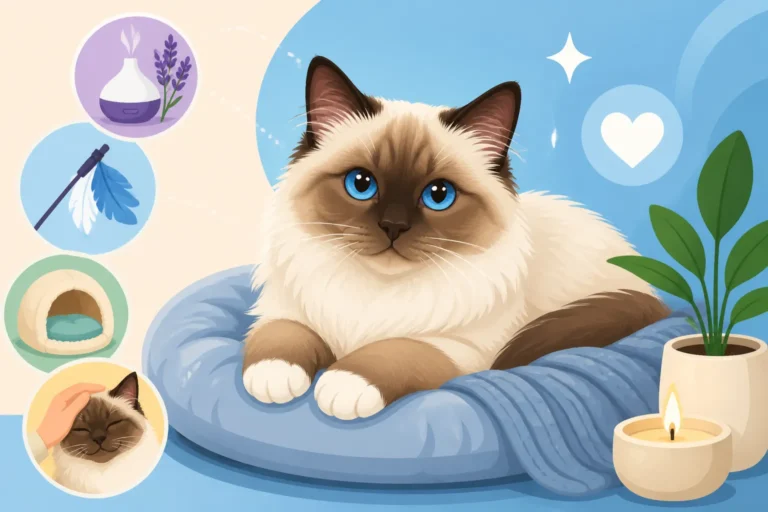
To encourage your Birman onto your lap, you need to make it the most inviting spot in the house. Think warmth, softness, and comfort. Cats are natural sun-worshippers and heat-seekers, so if your lap feels like a warm, soft cloud, it instantly becomes more appealing.
Consider placing a plush, familiar blanket on your lap before you sit down. A soft fleece throw or a small, cozy cat blanket can work wonders. You can even gently warm the blanket beforehand by tossing it in the dryer for a few minutes. Another idea is to sit in a spot that naturally receives a patch of sunlight, or near a heater if it's chilly. Many Birman owners find that a Whether a Heated Bed Is Worth It for a Birman is a great investment, and the same principle applies to your lap. You could even find a lovely, soft cat bed or blanket for your lap on platforms like Amazon, ensuring it's specifically designed for feline comfort. The goal is to make your lap a destination, a haven of comfort and security that your Birman will instinctively seek out when they want to relax.
Encouraging Cuddles Through Patience and Positive Reinforcement
Building trust and positive associations is crucial when encouraging your Birman to become a lap cat. Never force them onto your lap; this can create negative associations and make them even less likely to seek it out in the future. Instead, start by sitting in a comfortable, relaxed position and inviting them with a soft voice or a gentle pat on the spot next to you. If they jump onto the sofa nearby, offer a slow blink or a gentle stroke.
Keep a few high-value treats handy. When your Birman approaches or even briefly puts a paw on your lap, reward them immediately with praise and a tasty treat. Over time, they'll associate your lap with positive experiences. You might find that Which Treats a Birman Will Take From Your Hand are especially effective for this. Gently guide them with your hand, or dangle a favorite toy near your lap. When they finally settle, even for a moment, offer soft pets and let them choose when to leave. It's about making it their decision, and reinforcing that choice positively. Consistency is also important; make lap time a regular, calm part of your day, perhaps while you're watching TV or reading. This consistent, positive interaction helps teach your Birman that your lap is a safe and rewarding place to be. You can even work on simple commands like Teaching a Birman Its Name and Getting It to Answer to build a stronger bond and make them more responsive to your gentle invitations.
Beyond the Lap: How Birmans Express Their Deep Bonds
It’s easy to get caught up in the idea of a "lap cat," but if you're a Birman parent, you'll quickly learn that their affection runs much deeper and expresses itself in a myriad of gentle ways that don't always involve sitting directly on your legs.
The Subtle Cues of Birman Love: Trills, Blinks, and Beside-You Snuggles
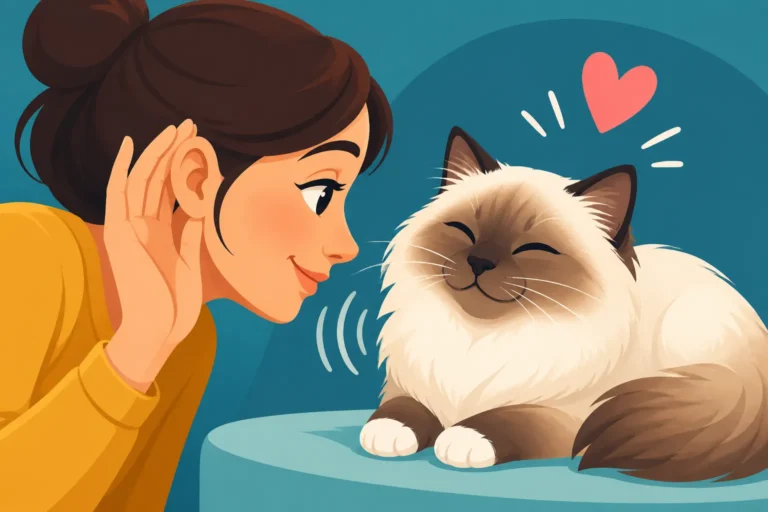
Birmans have a beautifully subtle language of affection. Instead of loud meows or demanding pawing, they communicate their love through a series of soft, gentle gestures. You might notice them greeting you with a soft, melodic trill, a sound that is uniquely Birman and reserved for those they truly cherish. The Small Trill a Birman Uses Instead of a Meow is their way of saying hello and expressing contentment. They'll often give you slow blinks, a classic cat sign of trust and affection, as they watch you from a nearby perch.
When they are particularly happy or want attention, they might rub their cheek against your leg or hand, depositing their scent and marking you as part of their family. They love to lie beside you, whether on the sofa, in bed, or even on the floor while you're busy. This "contact napping" or simply "being near" is a profound expression of their bond. It’s not about intense physical pressure, but about the shared space, the warmth, and the quiet understanding between you. These subtle cues are just as, if not more, meaningful than constant lap sitting, and learning to recognize them will deepen your appreciation for your Birman's unique personality.
Their Need for Company: Presence as the Ultimate Affection
More than any other form of affection, Birmans truly crave company. They are deeply social creatures who thrive on being part of your life and feeling like a valued member of the family unit. They might not be the cat that constantly demands to be held, but they absolutely need you to be around. If you're working from home, they'll likely be curled up in a nearby chair. If you're cooking, they might supervise from the kitchen counter (or a designated cat perch). Their contentedness comes from your shared presence. This is Why a Birman Needs Company More Than Stimulation; a quiet evening at home with their people is far more enriching for them than a room full of toys they play with alone.
This makes them exceptional companions for families, seniors, or anyone who spends a good amount of time at home. They fill your home with a serene, loving energy, always there to offer a soft purr or a comforting gaze. Their presence is a balm, a constant reminder that you are loved and appreciated. So, even if your Birman isn't a constant fixture on your lap, rest assured that their consistent presence by your side is their way of showering you with affection and demonstrating their deep, unwavering bond.
Birman Cuddles Compared: A Look at Other Breeds
When considering a Birman, it's natural to compare their affectionate tendencies with those of other popular longhaired breeds. While all cats are individuals, certain breed traits offer a general guideline for what to expect in terms of cuddliness and lap-loving behavior.
Distinguishing Birman Affection from Ragdoll Floppiness or Persian Sedateness
The Birman often sits somewhere in the middle when compared to other well-known longhaired cat breeds in terms of physical affection. Let's take the Ragdoll, for example. Ragdolls are famous for their "flop" — the way they go completely limp and pliant in your arms, often melting into a puddle of fur on your lap. They are legendary lap cats, and many are quite happy to be carried around like babies. A Birman, while affectionate, rarely exhibits this level of physical "floppiness." They might enjoy a brief cuddle, but they generally retain more of their independence and prefer to settle themselves rather than being draped over you.
Then there's the Persian. Persians are known for their calm, sedate nature and often enjoy being admired from a distance, or having a quiet nap on a soft cushion nearby. While some Persians are quite cuddly, they aren't typically known for high energy or constant interaction. Birmans share some of this calmness but are generally more interactive and interested in being part of your activities than a typical Persian. The Birman strikes a beautiful balance: more independent than a Ragdoll but more engaged and present than many Persians. This unique position makes them a wonderful choice for those who appreciate affection without constant demands. Understanding How a Birman Differs From a Ragdoll on Sight often helps in understanding these behavioral differences too.
Understanding the Nuances of a Birman's Physical Affection
So, if a Birman isn't always a "lap cat" in the traditional sense, what kind of physical affection do they offer? It's often about quality over quantity, and about subtle gestures rather than prolonged restraint. A Birman might jump onto your lap for a minute or two, give a few head bumps, knead gently with their soft paws (claws often retracted, thankfully!), and then hop off to recline next to you. They might curl up against your side, rather than directly on your lap, creating a warm, comforting presence.
They might also rub their face on your hand or arm, or even give you a soft "love bite" (a gentle nibble that signals affection, not aggression). Purring, of course, is a universal sign of feline contentment, and a Birman's purr can be surprisingly deep and rumbling, even if it's not always easy to hear right next to your ear. The key is that these moments are often initiated by the Birman, making them all the more special. They are choosing to share their physical affection with you, rather than feeling obligated. As mentioned earlier, The Birman Sits Against Your Leg, Not on Your Lap is a common observation, and it perfectly encapsulates their gentle yet constant desire for connection. Embrace these nuances, and you'll find their affection incredibly rewarding.
When a Birman Might Become Your Dedicated Lap Warmer
While many Birmans aren't instinctively "lap cats," there are certainly times and individual personalities that can lead to more consistent lap-sitting behavior. It's not a hard and fast rule, and circumstances often play a significant role.
The Comfort of Age and the Lure of Warmth
As Birmans mature and enter their senior years, you might notice a shift in their behavior, often leading to more frequent lap time. Older cats, much like older people, tend to seek out comfort and warmth more intensely. Their joints might not be as agile, and a warm lap offers a secure, easily accessible spot for rest. An aging Birman might find the gentle pressure and warmth of your lap particularly soothing for any aches or pains they may be experiencing.
Furthermore, the bond between an older Birman and its human has often deepened over many years, leading to an increased desire for close physical contact and reassurance. They know and trust you completely, and your lap becomes a safe haven. It's a sweet full circle moment for many owners who have patiently loved and cared for their Birman throughout its life. As What an Old Birman Sleeps Closer to You describes, their need for connection and comfort often grows as they age, making your lap an even more appealing sanctuary. This is also a time when you might consider extra comfort items, perhaps a warming pad you could place on your lap for them, or purchasing a cozy cat blanket from Amazon that your Birman associates with warmth and security.
Recognizing Individual Personality and Background Influences
It’s crucial to remember that within any breed, individual personalities can vary widely. Not every Birman adheres strictly to the generalized breed description. Some Birmans are simply born with a more inherently cuddly disposition, naturally inclined to seek out laps and prolonged physical contact. These are the exceptions that prove the rule, delighting their owners with their unexpected clinginess!
A Birman's early experiences and upbringing also play a huge role. Kittens who were handled frequently, gently, and positively from a young age by their breeder and then their new owners are often more confident and comfortable with human contact. If a Birman was raised in a very social environment where lap time was encouraged from kittenhood, they are more likely to carry that preference into adulthood. Conversely, a Birman from a less social background or one that experienced early trauma might be more reserved. Observing the parents' temperament, if possible, can sometimes offer a clue, but ultimately, each Birman is unique. Some might become persistent lap cats purely because they decide that your lap is the best place in the house, regardless of typical breed tendencies.
Conclusion
So, is a Birman a lap cat? The honest answer is: it depends, but perhaps not in the way you might traditionally define it. While many Birmans aren't the kind of cat that will permanently affix themselves to your lap, they are undeniably affectionate and devoted companions. Their love manifests through a constant, gentle presence, a quiet loyalty, and a deep desire to be part of your world, even if it's from the cushion next to you. By understanding their unique communication style, respecting their need for personal space, and creating an inviting environment, you can certainly encourage and savor those precious moments of lap time. Whether they're on your lap or simply beside you, a Birman's profound bond offers a truly enriching and serene companionship that fills your home with gentle love.
Disclaimer
This article is for general informational purposes only and does not constitute professional advice. Laws, prices and regulations vary by location and change over time. Consult a qualified professional for guidance on your specific situation.