When a Birman Stops Being a Kitten
It’s a common moment for Birman parents: you’re looking at your fluffy, playful companion, and you start to wonder, “Are they still a kitten, or have they officially become a grown-up?” The truth is, Birmans mature at their own gentle pace, and understanding this journey from rambunctious youngster to serene adult can help you appreciate every stage. This guide will walk you through the subtle shifts in behavior and development that mark the transition from kittenhood to maturity in your beloved Sacred Cat of Burma.
The Birman's Slower Journey to Adulthood
Unlike some breeds that seem to go from tiny furball to fully grown cat in the blink of an eye, Birmans tend to take their sweet time. It’s one of their charming quirks, and it means you get to enjoy those adorable, playful kitten traits for a little longer. This slower maturation isn't just about size; it's deeply ingrained in their genetic makeup and temperament.
Physical Maturity vs. Emotional Maturity
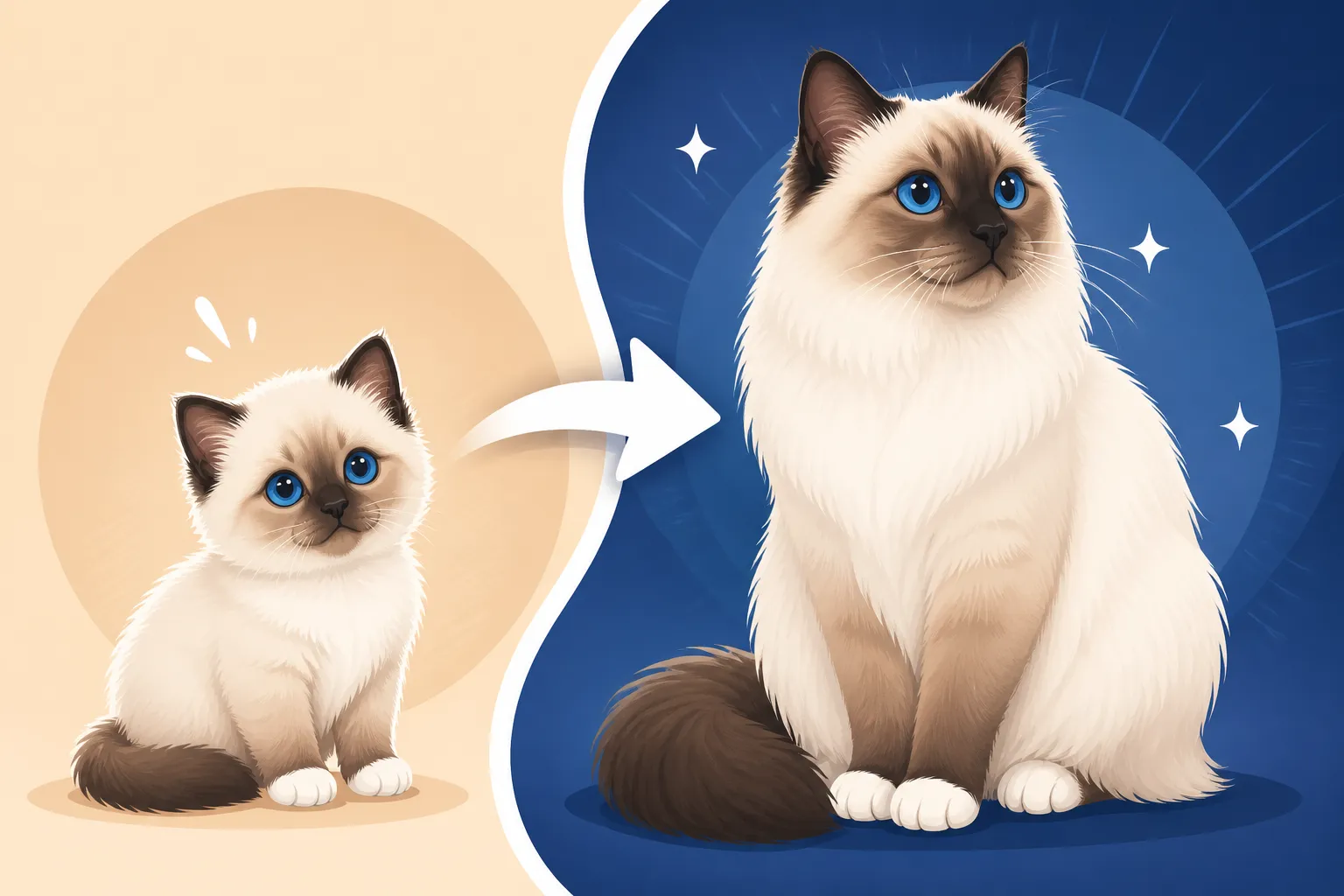
You might notice your Birman kitten growing quite rapidly, reaching a significant portion of their adult size by 10-12 months. Their long, rectangular frame starts to fill out, and they might even look quite imposing, especially if you have a male. However, don't let their developing physique fool you! While their growth plates might be closing and their adult weight is largely achieved, their minds and behaviors often lag behind. Physically, they might appear mature, but emotionally, they can still be very much in their adolescent phase, exploring the world with a boundless, albeit gentle, curiosity. Many Birman owners will tell you that their cats don't truly "finish" developing until they are two or even three years old, both in terms of physical mass and full behavioral maturity. This means you might have a cat that looks like an adult but still has the playful antics of a much younger feline. Why a Birman Takes Three Years to Finish goes into more detail about this extended development period.
Lingering Kittenish Traits
So, what exactly are those kittenish traits that stick around? For Birmans, it's often a continuation of their inherently gentle and curious nature. They might still engage in playful pounces on toys (or your feet under a blanket!), chase after a feather wand with surprising agility, or batting at loose string. Their famous quiet demeanor, characterized by soft trills rather than loud meows, is present from a young age and often continues. You might find them still engaging in "stalking" behavior, creeping low to the ground before a graceful, if sometimes clumsy, leap onto a favorite sunbeam. They’ll remain inquisitive, wanting to investigate every new bag, box, or visitor to the house. These aren't signs of immaturity in a negative sense, but rather a charming extension of their inherently youthful spirit that makes them such delightful companions. They aren't prone to the destructive zoomies of some other breeds, but their quiet exploration and gentle playfulness are hallmarks of their extended kittenhood.
Behavioral Shifts as Your Birman Matures
As your Birman transitions from kitten to adult, you'll start to notice subtle but distinct shifts in their behavior. These changes typically reflect a growing confidence, a deeper bond with their human family, and a more refined way of interacting with their environment. It’s less about a sudden transformation and more about a gradual evolution of their already wonderful personalities.
Changes in Play Style and Energy Levels
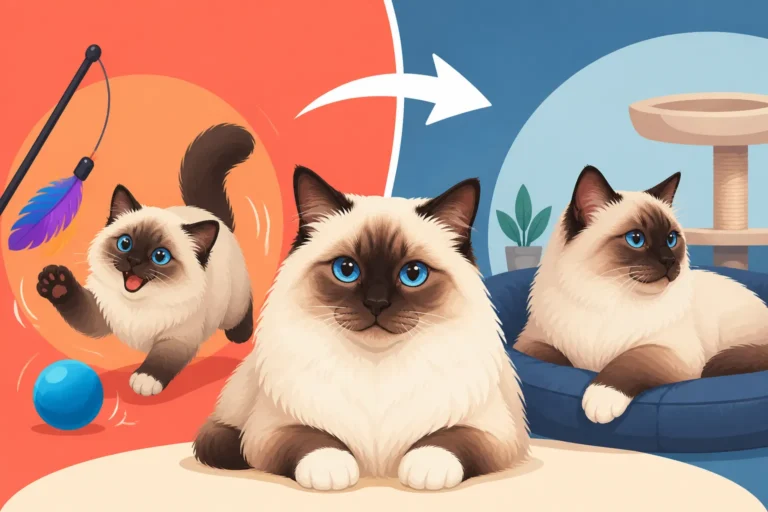
The frantic, all-consuming play sessions of a very young kitten often give way to more measured, yet still enthusiastic, interactions. A maturing Birman might not run laps around the house quite as often, but they will still revel in engaging with interactive toys. Think less solo wrestling with a toy mouse and more focused play with you and a wand toy. They might even develop a strong preference for certain types of play, perhaps becoming a connoisseur of feather wands or laser pointers. Their energy levels tend to stabilize, moving from unpredictable bursts to more consistent periods of activity, often aligning with your own schedule. You might find them still bringing toys to you, but perhaps less frequently than when they were tiny, indicating a more selective approach to playtime. How a Birman's Play Changes at Seven really highlights how their engagement evolves over time. To keep them entertained, investing in a variety of high-quality interactive toys from a brand like Amazon can make a huge difference in encouraging healthy play habits. Look for durable wand toys and puzzle feeders that can challenge their minds without requiring constant high-intensity physical exertion.
Developing Affection and Independence
Birmans are renowned for their affectionate nature, and this quality only deepens with maturity. As they grow up, their affection often becomes more refined. While a kitten might climb all over you, an adult Birman might prefer to settle beside you on the sofa, lean against your leg, or curl up at the foot of your bed. They become experts at being "present" without being overtly demanding. They enjoy your company and will often follow you from room to room, preferring to be in the same space as you. This isn't clinginess; it's a testament to the strong bond they form with their people. They might become more independent in their lounging choices, finding favorite sunny spots or cozy beds on their own, perhaps a plush cat bed from Amazon rather than always needing to be directly on your lap. How a Birman Shows Affection Without Making Demands explains this nuanced connection beautifully. It's a wonderful balance of wanting to be near you but also respecting your space, a true mark of their placid temperament.
Vocalization and Communication Nuances
One of the most distinctive traits of a Birman is their quiet voice. They are not known for being loud or demanding, and this characteristic becomes even more apparent as they mature. The chirps, trills, and soft little "mews" they use as kittens will likely persist, but they will rarely escalate into loud yowls or insistent meows. As adults, Birmans communicate primarily through body language: a gentle head rub, a slow blink, a tail held high, or simply their presence. If your Birman suddenly becomes more vocal, it's often a sign that something is amiss, as they typically only raise their voice if they are truly distressed or in need of something specific. The Small Trill a Birman Uses Instead of a Meow perfectly describes their endearing vocal repertoire. Pay attention to these subtle cues; they are your Birman's way of telling you what they need without making a fuss.
Supporting Your Maturing Birman
The journey from kitten to adult is a wonderful time for both you and your Birman. While they naturally ease into their grown-up roles, there are still plenty of ways you can support them, ensuring they remain happy, healthy, and enriched throughout their lives. It's about nurturing their innate qualities and providing an environment that suits their gentle, intelligent nature.
Continued Enrichment for Adolescent Birmans
Just because your Birman is no longer a tiny kitten doesn't mean they stop needing mental and physical enrichment. Adolescent Birmans, even with their calmer demeanor, still thrive on engagement. Puzzle feeders, for example, are fantastic for stimulating their minds and slowing down fast eaters, which can be particularly beneficial for their digestion and weight management. Brands like Amazon offer a wide array of puzzle feeders, from simple treat balls to more complex labyrinth designs that can keep your Birman occupied and engaged. Regular interactive play sessions, even short ones, with a wand toy or a laser pointer, are crucial for maintaining their physical fitness and strengthening your bond. Remember, a Birman enjoys playing with you, making these shared moments incredibly valuable. Don't underestimate the power of a good window perch or a cat tree of moderate height (they aren't usually extreme climbers) to provide visual stimulation and a sense of territory. Even simple things like rotating their toys or introducing new scents can keep their environment exciting. Which Puzzle Feeder Suits a Birman is a great resource if you're looking for ideas to keep their minds sharp.
Maintaining Routine and Comfort
Birmans are creatures of habit and generally prefer a predictable environment. As they mature, maintaining a consistent daily routine becomes even more important for their sense of security and well-being. This includes regular feeding times, consistent play sessions, and a predictable schedule for your presence and absence. Any sudden changes to their environment, such as moving furniture, bringing in new pets, or even significant changes in your daily schedule, can be unsettling for a Birman. How a Birman Dislikes a New Piece of Furniture touches on this sensitivity. Provide them with safe, quiet spaces where they can retreat if they feel overwhelmed or just need some alone time. A cozy bed in a low-traffic area or a covered cat tree can become their sanctuary. Even as they become adults, their comfort and sense of security are paramount. Their placid temperament means they'll often internalize stress rather than showing overt signs of distress, so a stable home life is crucial.
Recognizing Signs of True Adulthood
So, when does a Birman truly stop being a kitten? While there isn't a hard and fast rule, most Birman owners observe a distinct shift around 18 months to 2 years of age. Physically, they will have reached their full size and musculature, their points will have fully darkened, and their coats will be at their most magnificent. Behaviorally, you'll notice a more settled, confident demeanor. They'll still be playful, but perhaps with a greater sense of purpose. They might spend more time observing rather than actively participating in every activity. Their affectionate gestures become more deliberate and less frantic. They become truly regal, embodying the "Sacred Cat of Burma" moniker. However, one of the beautiful things about Birmans is that they often retain a touch of kittenish charm well into their senior years. They may slow down physically, but their gentle playfulness and loving nature often remain a constant. The transition isn't a sudden stop, but a beautiful, graceful evolution that adds to the charm of owning one of these magnificent cats.
Here's a quick comparison of behaviors you might see as your Birman grows:
| Behavior Trait | Birman Kitten (Up to 12-18 months) | Adult Birman (18 months +) |
|---|---|---|
| Energy Levels | High bursts, frequent "zoomies", playful attacks | More moderate, consistent activity, deliberate play |
| Play Style | Everything is a toy, energetic pouncing, clumsy | Focused play with interactive toys, carrying toys |
| Affection | Clingy, climbing, seeks constant physical contact | Settles nearby, leans, gentle head rubs, "shadows" |
| Vocalization | More frequent, varied chirps, soft meows | Predominantly soft trills, quiet observations |
| Curiosity | Investigates everything with boundless energy | Observes new things with caution, selective exploration |
| Independence | Needs constant reassurance/company | Comfortable alone for short periods, enjoys own space |
Disclaimer
This article is for general informational purposes only and does not constitute professional advice. Laws, prices and regulations vary by location and change over time. Consult a qualified professional for guidance on your specific situation.