How a Birman’s Energy Compares to a Siamese’s
It’s easy to look at two stunning, pointed longhaired cats like the Birman and the Siamese and assume their energy levels are somewhat similar. Perhaps you’re even drawn to their beautiful coloring and wonder if they’d be a good match for your home, but you’re unsure about their daily activity needs. The reality, however, is that these two breeds exist on very different ends of the feline energy spectrum, and understanding these distinctions is crucial for finding the perfect companion. This guide will meticulously compare the energy profiles of the Birman and the Siamese, helping you navigate their unique demands and delightful quirks.
Understanding the Birman's Energy Profile
The Birman cat is often described as a "middle-of-the-road" cat when it comes to temperament and energy. They possess a gentle, calm demeanor that makes them incredibly appealing to families and individuals seeking a peaceful feline companion. They're not exactly couch potatoes, but you won't find them swinging from your curtains either. Their energy manifests in bursts rather than sustained, high-intensity activity.
Their "Middle Ground" Temperament
Think of a Birman as the quiet observer in a bustling room. They thrive on companionship and being close to their people, but they don't necessarily demand constant interaction or high-octane playtime. They are often content to simply be in the same room, perhaps curled up on a nearby armchair or stretched out on the floor, keeping a watchful eye on your activities. This "middle ground" means they are neither as intensely energetic as a Siamese nor as profoundly laid-back as some of the more sedentary longhaired breeds. They appreciate a routine, and their calm nature makes them adaptable to various household environments, provided they have consistent human interaction. This temperament is why The Birman Sits Between the Siamese and the Persian. They offer a wonderful balance for those who want an interactive cat without the overwhelming demands of a high-energy breed.
Quiet Play and Observation
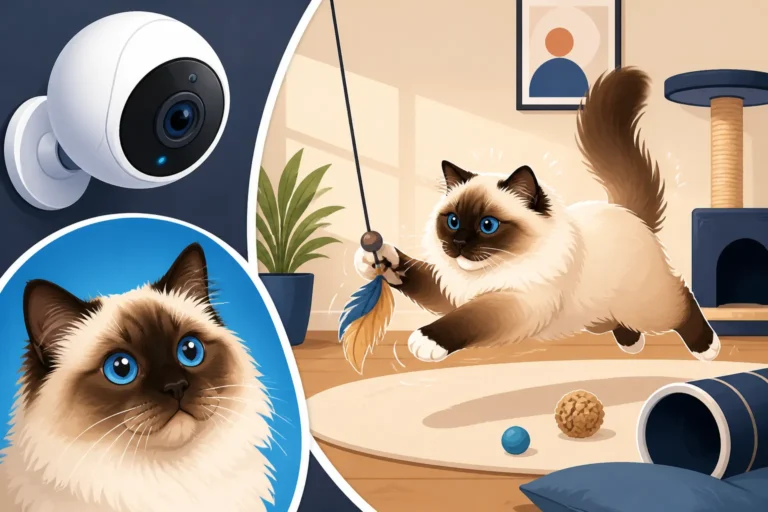
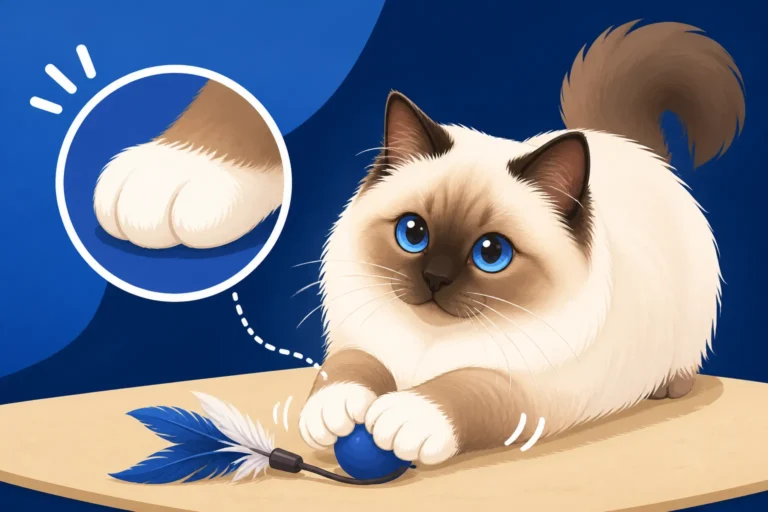
A Birman's play style is typically more understated and less frantic than many other breeds. Instead of tearing through the house, they often engage in quieter, more thoughtful play. This might involve batting a toy mouse around gently, chasing a feather wand in short, graceful bursts, or enjoying a slow, deliberate stalk of a moving object. Many Birmans are fascinated by watching the world outside a window, observing birds or squirrels with intense focus for long periods. They might even 'hunt' the dust bunnies under the sofa with a quiet determination. They might bring you a favorite toy, not necessarily to demand an intense game of fetch, but as an invitation for a gentle interaction, a shared moment of calm play. You'll find that Which Toys Suit a Birman That Plays Quietly often involve soft textures and gentle movements, rather than noisy, battery-operated gadgets.
Bursts of Energy, Then Rest
While generally calm, Birmans certainly have their moments of playful exuberance. These often come in short, delightful bursts, usually when they’re feeling particularly content or after a good nap. You might suddenly see your Birman zoom across the room, perhaps chasing their tail or briefly engaging in a playful tussle with another cat or a very tolerant dog. These "zoomies" are typically short-lived, however, and quickly give way to a graceful flop onto a soft surface for a well-deserved rest. They’re excellent at self-regulating their energy, knowing when it's time to play and when it's time to recharge. This pattern of intermittent activity followed by prolonged periods of calm contributes to their overall low-stress presence in a home. It's a sweet rhythm that allows them to enjoy life without constant frantic movement.
The Energetic World of the Siamese Cat
Now, let’s pivot to the Siamese, a breed renowned for its vivacity, intelligence, and incredibly vocal nature. If the Birman is a gentle hum, the Siamese is a full-blown opera. They are a high-energy, highly interactive breed that demands a lot from their environment and their human companions.
The High-Octane Dynamo
The Siamese is, without a doubt, a high-octane dynamo. These cats are always on the go, always exploring, always looking for the next adventure or interaction. They possess an almost boundless energy that needs an outlet. This isn't a cat content to simply observe; a Siamese wants to be a participant in every single aspect of your day. Their athleticism is remarkable; they love to climb, jump, and investigate every nook and cranny of their territory. You'll often find them on the highest shelves, surveying their kingdom, or darting through the house at incredible speeds, sometimes creating their own games out of thin air. For a Siamese, stillness is often just a momentary pause before the next burst of activity, and they expect their environment to keep up with their zest for life.
Constant Engagement and Vocalization
One of the most defining characteristics of the Siamese is their relentless need for engagement, often expressed through their incredibly vocal nature. They have a distinctive, loud, and insistent voice, often described as a "mew" or a "yowl," that they are not afraid to use. They will "talk" to you about everything: what they want for dinner, how your day went, their opinions on the mailman, or simply to remind you they exist and require attention. This constant communication isn't just noise; it’s a way they engage with their world and demand interaction. If you’re looking for a quiet, unobtrusive cat, the Siamese is decidedly not it. Their vocalizations are a core part of their high-energy, highly interactive personality, a stark contrast to the Birman's soft trills and preference for silent communication. Why the Birman Never Inherited the Siamese Voice is a fascinating look into their differing genetic legacies.
Seeking Interaction
Beyond their vocalizations, Siamese cats are intensely social animals who crave interaction with their human companions. They don't just want to be in the same room; they want to be with you, often on you. They will follow you from room to room, supervise your tasks, and find ways to insert themselves into your activities, whether it's "helping" you type on your laptop or trying to taste your dinner. They demand playtime, cuddle sessions, and intellectual stimulation. A bored Siamese is a destructive Siamese, so owners must be prepared to provide ample opportunities for physical and mental engagement. This can include interactive toys, regular play sessions, and even training, as their intelligence means they can often learn tricks and even walk on a leash. Their need for interaction means they don't do well when left alone for extended periods; they truly thrive when they are the center of their human's attention.
Key Differences in Play and Activity Levels
Comparing the play and activity levels of a Birman and a Siamese is like comparing a leisurely stroll to a marathon sprint. Both are forms of movement, but the intensity, duration, and motivation behind them are worlds apart. Understanding these differences is essential for prospective owners to ensure they choose a cat whose natural inclinations align with their lifestyle.
Preferred Play Styles
Birmans generally prefer gentle, interactive play that isn't overly demanding. They enjoy feather wands, laser pointers (though use sparingly to avoid frustration), and small toys they can bat around. Their play sessions tend to be shorter, more about connection and mild activity than intense exercise. They might chase a toy a few times, then settle down next to you, perfectly content. Their movements are typically graceful and measured. You might see them pounce with surprising agility, but it’s usually a single, focused effort rather than a continuous, sprawling chase. How Much Play a Birman Needs Daily is often about quality over quantity, with a few short, engaging sessions being sufficient.
Siamese, on the other hand, love highly stimulating and physical play. They excel at games of fetch, climbing cat trees that reach the ceiling, and chasing fast-moving toys. Their intelligence means they also enjoy puzzle toys that challenge their minds. Their play sessions are often long, vigorous, and can involve impressive acrobatics. They chase, jump, pounce, and run with an almost frenetic energy. They also tend to be more competitive in their play, often asserting themselves with other pets in the household. You might find a wide variety of engaging cat toys, from spring-loaded mice to intricate puzzle feeders, on Amazon designed to keep a Siamese entertained.
Intensity and Duration of Play
The intensity of a Birman's play is moderate. They are not prone to relentless energy bursts or prolonged, high-speed chases. Their play is often punctuated by pauses, allowing them to survey their surroundings or simply rest. A typical play session might last 10-15 minutes before they decide it's time for a cuddle or a nap. They are quite good at entertaining themselves with a quiet toy for a while, but it's not the same as a vigorous workout.
Siamese cats, conversely, engage in play with high intensity and for extended periods. They have impressive stamina and can keep going for much longer, often initiating multiple play sessions throughout the day. If a Siamese isn't getting enough physical and mental stimulation, they can become bored, which might manifest as destructive behaviors or excessive vocalization. Their need for sustained activity means that simply leaving out a few toys isn't enough; they often require active participation from their humans to truly be fulfilled. Owners often report their Siamese seemingly having an endless energy supply, ready to play at a moment's notice.
Vocalization During Play
One of the most striking differences appears in their vocalizations during play. Birmans are typically very quiet while playing. You might hear a soft purr or an excited, almost silent little chirrup, but demanding meows or loud yowls are rare. Their focus is on the object of their play, and their contentedness is usually expressed through body language rather than sound. As described in The Small Trill a Birman Uses Instead of a Meow, their communication is generally subtle and refined.
Siamese cats, true to their nature, are often quite vocal during play. They might chatter, "talk" to their toys, or even yowl excitedly as they chase a feather wand. This vocal accompaniment adds to the overall energetic atmosphere they create. Their enthusiastic meows are often a commentary on the game, expressing their joy, frustration, or sheer determination. It’s a full-sensory experience with a Siamese – sight, sound, and a blur of motion. This can be quite endearing to owners who appreciate a cat with a big personality, but it can be overwhelming for those expecting a more subdued presence.
Impact of Environment and Companionship
The home environment and the presence of companions play a significant role in shaping any cat's behavior and energy levels. For Birmans and Siamese, these external factors can either accentuate their natural tendencies or help mitigate potential challenges, making them more or less suited to particular living situations.
The Role of a Companion
For a Birman, companionship is paramount. While they are not overly demanding of play from their companions, they thrive on simply having another presence around. A fellow Birman, another placid cat breed, or even a calm, cat-friendly dog can fulfill this need. They appreciate having a friend to nap with, to groom gently, or to engage in a quiet game of chase. This is why Why a Birman Does Better With a Companion Than a Toy is often highlighted by breeders. A companion helps prevent loneliness, especially if their human family is away at work during the day. This doesn't mean they'll be wrestling constantly, but rather enjoying a shared, peaceful existence. Many Birman owners find they quickly fall in love with having more than one!
A Siamese also benefits immensely from companionship, but for different reasons. For a Siamese, a companion, whether human or animal, is another target for interaction, play, and conversation. Another Siamese or an equally energetic and robust cat breed can provide the intense play and social interaction that a single Siamese might demand solely from its human. If you have a highly active Siamese, another feline playmate can literally save your furniture and your sanity by redirecting some of that boundless energy. Without a suitable companion, a Siamese can become overly reliant on their human for all stimulation, potentially leading to clinginess or destructive behaviors when left alone. Many people successfully manage a Siamese as an only cat, but it requires an extraordinary commitment of time and energy from the owner.
Impact of Alone Time
Birmans generally handle alone time better than Siamese, provided their needs for companionship are occasionally met and they have a comfortable, engaging home environment. They are quite adept at entertaining themselves quietly or simply napping for most of the day. If you work a standard 8-hour day, a Birman will likely be fine, especially if they have another pet friend to share the house with. Leaving out a few familiar toys and ensuring they have access to their favorite nap spots can help them pass the hours contentedly. However, prolonged, consistent periods of isolation can still lead to anxiety or withdrawal, as they are ultimately social creatures. How Many Hours Alone Before a Birman Stops Eating is a good indicator of how sensitive they can be to extended solitude.
Siamese cats, due to their high need for interaction and stimulation, struggle significantly with extended periods of solitude. They are not content to merely nap the day away. Without mental and physical engagement, a Siamese can quickly become bored, anxious, or destructive. This might manifest as excessive vocalization, scratching furniture, destructive chewing, or even self-mutilation in severe cases. If you work long hours and do not have other pets, a Siamese might not be the best fit for your household unless you are prepared to dedicate a substantial amount of time to interaction and enrichment before and after work. Some owners even invest in automatic feeders from Amazon that dispense food and toys at set intervals to break up the monotony of their cat's day.
Space Requirements
Neither breed requires a palatial estate, but their energy levels dictate how they utilize the space they have. Birmans are content with a moderate amount of floor space and enjoy vertical spaces like cat trees or shelves for observation, but they aren't typically extreme climbers. A comfortable home with cozy spots to nap and a few windows for bird-watching is often all a Birman needs to feel secure and happy. Their activity is more horizontal and contained.
Siamese cats, conversely, benefit greatly from ample vertical space. Tall cat trees, wall-mounted shelves, and access to high perches allow them to satisfy their natural climbing instincts and survey their surroundings. Because they move with such speed and agility, more open floor space can also be beneficial, allowing them to engage in their characteristic "zoomies" without constantly bumping into furniture. Investing in a sturdy, multi-level cat tree (many great options are available on Amazon) is often a wise choice for a Siamese owner, providing both an outlet for their energy and a sense of territorial security. They simply need more opportunities to express their athleticism within their indoor environment.
Bridging the Gap: Living with Both or Choosing One
Given their distinct energy profiles, the decision to bring a Birman or a Siamese into your home, or even to have both, requires careful consideration. It’s not just about aesthetics; it’s about creating a harmonious environment where each cat can thrive and your lifestyle can comfortably accommodate their needs.
Compatibility of Breeds
Can a Birman and a Siamese live together happily? Absolutely, but it requires thoughtful management and an understanding of their differing personalities. The key is often ensuring that the Siamese has enough alternative outlets for its high energy so it doesn't overwhelm the more placid Birman. A highly energetic Siamese might try to engage the Birman in constant, intense play, which the Birman might find irritating or exhausting. However, the Birman's calm and tolerant nature often means they will simply walk away from excessive Siamese demands rather than engaging in conflict. Why a Birman Settles Next to a Dog Within a Week gives you a hint at their adaptability to different personalities.
Introducing them as kittens can also foster a stronger bond, allowing them to grow up accustomed to each other's quirks. Providing separate "safe spaces" for the Birman, where it can retreat for quiet time away from the Siamese's boisterous antics, is essential. Ultimately, a successful cohabitation often relies on the Siamese having another high-energy playmate (perhaps another Siamese or an equally playful breed) or a human who is incredibly dedicated to fulfilling its stimulation needs, leaving the Birman to enjoy its peaceful existence alongside its more vivacious housemate.
Matching a Cat to Your Lifestyle
The most critical factor in choosing between a Birman and a Siamese is matching the cat's natural energy level with your own lifestyle and expectations.
-
For the Birman: If you appreciate a calm, affectionate, and relatively undemanding companion who enjoys quiet presence and gentle interaction, a Birman is likely an excellent fit. They are ideal for households where people are present but perhaps not constantly engaging in high-energy activities. They suit individuals who enjoy a peaceful home environment and are prepared for a cat that prefers to be near you rather than constantly on you or demanding from you. They are wonderful for busy families who still want a loving companion without the intense demands of a more frantic breed.
-
For the Siamese: If you thrive on constant interaction, appreciate a highly vocal and intelligent companion, and are prepared to dedicate significant time daily to play, training, and mental stimulation, then a Siamese might be your perfect match. They are suited for active households where there is always someone home or where owners are committed to providing ample enrichment. If you enjoy teaching tricks, engaging in long play sessions, and having a cat that is truly a central part of your daily conversations, the Siamese will bring immense joy and vivacity to your life. They can be incredibly rewarding for owners who can meet their high demands for engagement.
Enrichment for Each Breed
Providing appropriate enrichment is key to the happiness and well-being of both breeds, though the type of enrichment will differ significantly.
-
Birman Enrichment: For Birmans, enrichment focuses on comfort, gentle play, and opportunities for observation. Soft beds, cozy hideaways, and window perches are highly valued. Interactive toys that stimulate their hunting instincts without requiring excessive exertion, like a feather wand or a toy mouse, are perfect. Puzzle feeders can offer a gentle mental challenge. Short, regular play sessions that strengthen the bond with their human are more important than long, intense workouts. How Little Play a Birman Needs to Stay Content emphasizes that their needs are often met with thoughtful, low-key engagement.
-
Siamese Enrichment: Siamese cats require robust and varied enrichment to keep their active minds and bodies happy. Tall cat trees, scratching posts, and wall-mounted climbing structures are essential to satisfy their vertical exploration needs. Interactive toys that mimic prey and allow for vigorous chasing and pouncing are crucial. Puzzle feeders are excellent for intellectual stimulation, and many Siamese enjoy learning tricks with clicker training. Regular, extended play sessions with their human or another energetic cat are non-negotiable. Consider investing in a variety of toys, perhaps rotating them to maintain novelty, and looking for durable items on Amazon that can withstand their enthusiastic play style. Remember, a bored Siamese is a prone-to-mischief Siamese!
Disclaimer
This article is for general informational purposes only and does not constitute professional advice. Laws, prices and regulations vary by location and change over time. Consult a qualified professional for guidance on your specific situation.