How Many Hours Alone Before a Birman Stops Eating
One of the biggest worries for any Birman parent is leaving their beloved cat home alone, especially when it comes to whether they’ll actually eat while you’re gone. These aren't the kind of cats who just shrug off your absence; their gentle, affectionate nature means they truly thrive on companionship. This guide aims to shed light on how long is too long for a Birman to be by themselves before their emotional well-being starts affecting their appetite, and what you can do to keep them happy and healthy when you're away.
Understanding the Birman's Social Nature
It’s easy to look at a cat and assume they're all fiercely independent creatures, perfectly content in their own company. While some breeds certainly fit that description, the Birman is absolutely not one of them. These stunning, soft-spoken felines are deeply relational, forming strong bonds with their human family members. Underestimating their need for interaction is one of the most common mistakes owners can make, and it often has direct consequences on their overall well-being, including their willingness to eat.
The Birman's Desire for Company
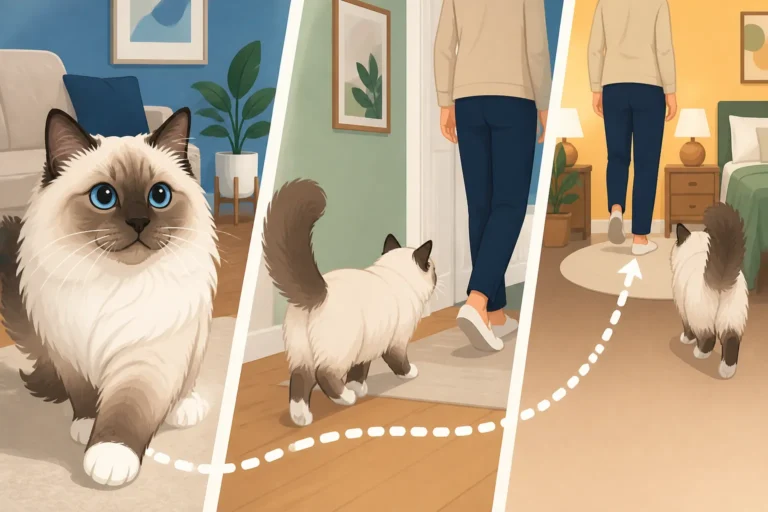
Birmans aren't just pretty faces; they're deeply attached to their humans, often earning the nickname "velcro cats" for a good reason. They're not usually demanding or overly vocal, which can sometimes lead people to believe they're more independent than they actually are. Instead, a Birman often expresses its desire for company by simply being near you, following you from room to room like a soft, furry shadow. This isn't clinginess; it's their way of participating in your life, observing, and finding comfort in your presence.
Unlike some of their more boisterous cousins, like the Siamese, a Birman typically has a very soft voice, often a gentle trill or a quiet meow. This calm demeanor might make it seem like they're fine alone, but that couldn't be further from the truth. Their quiet presence is exactly what makes their loneliness so heartbreaking when it sets in because they don't scream about it. They just slowly withdraw, and their appetite often goes with them. You can get a better sense of their general temperament by reading The Birman Sits Between the Siamese and the Persian.
For a Birman, your consistent presence isn't just about playtime or cuddles, though they certainly enjoy those quiet moments. It's a fundamental part of their sense of security and daily routine. When that comforting, predictable presence is suddenly removed for an extended period, it can disrupt their entire sense of well-being. This disruption directly impacts their emotional state, which, in turn, can profoundly affect their physical habits, most notably their eating patterns.
Why Companionship Affects Eating Habits
Cats, across the board, are creatures of habit and routine, and Birmans, with their placid and sensitive disposition, are even more so. A sudden, prolonged, or frequent absence of their primary caregiver can be a significant emotional upheaval. When a Birman feels abandoned or insecure, they often manifest this stress physically, and a very common early warning sign is a noticeable change in their eating habits. It's their silent way of telling you something isn't right.
Think about how you feel when you're particularly stressed, anxious, or upset. Does your appetite always stay the same? For many of us, heightened emotions can either send us straight to the comfort food or, more often, make us lose our appetite entirely. Cats are no different. If a Birman is experiencing separation anxiety or just profound loneliness, the simple act of eating, which should normally be a satisfying and comforting routine, can become genuinely difficult or even unappealing.
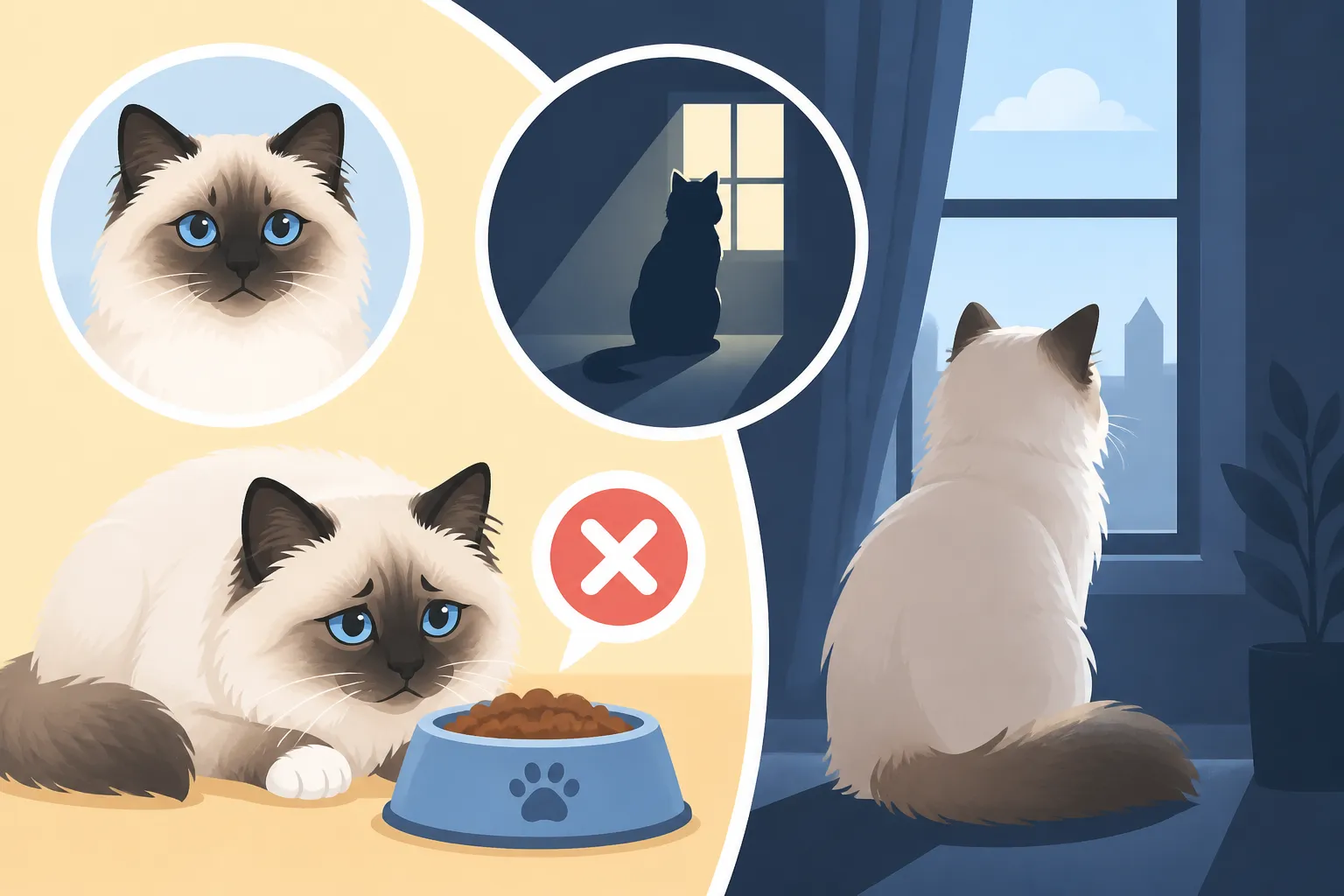
They might approach their food bowl, sniff it, perhaps take a few tentative licks, and then simply walk away. Or they might eat a small fraction of their meal and then lose interest. This isn't a sign of stubbornness or pickiness; it's a clear, albeit subtle, signal of emotional distress. Because Birmans are so quiet and tend to hide discomfort, this change in appetite can be one of the first and most critical indicators that your cat is struggling. Why a Placid Birman Hides Pain is a good resource to understand their tendency to mask discomfort.
The Connection Between Stress and Appetite
It’s not just about a Birman feeling sad and therefore not wanting to eat; there's a real physiological response at play when a cat experiences stress or loneliness. Understanding this link is crucial because a prolonged lack of food can quickly become a serious health threat, far beyond just an empty tummy. Their delicate systems are simply not built to go for long periods without nourishment, and their emotional state can kickstart a dangerous chain of events.
The Physical Manifestations of Stress
When your Birman experiences stress or anxiety, such as from being left alone for an extended period, their body automatically initiates a "fight or flight" response. This involves the release of stress hormones, like cortisol, into their bloodstream. These hormones are designed to prepare the body for immediate action, and part of that preparation involves diverting energy away from non-essential functions, including digestion. Consequently, appetite is suppressed, making even their favorite food seem completely unappealing.
Beyond this hormonal suppression, stress can also directly lead to digestive upset. A Birman might develop a nervous stomach, feel nauseous, or even experience constipation due to heightened anxiety. These physical discomforts create an additional layer of aversion to eating. Imagine trying to enjoy a delicious meal when your stomach is churning with worry; it's an unpleasant experience that cats, like us, would naturally want to avoid. This isn't purely psychological; it has tangible physical effects that compound the issue of a diminished appetite.
Furthermore, prolonged lack of appetite, even for just a day or two, can become incredibly dangerous for a cat. Cats are unique in that their livers are not efficient at processing fat for energy when they aren't regularly consuming protein. If a cat stops eating for more than 24-36 hours, their body starts breaking down fat reserves at an alarming rate, which floods the liver. This can rapidly lead to a life-threatening condition called hepatic lipidosis, or fatty liver disease. This is precisely why addressing changes in eating habits promptly, especially when linked to solitude, is paramount for your Birman's health. You can learn more about this serious condition in Why Rapid Weight Loss Gives a Birman Fatty Liver.
Routine and Environmental Stability
Birmans are creatures of comfort, and they thrive on a predictable routine and a stable, unchanging environment. They meticulously learn the rhythm of your household—mealtimes, play sessions, cuddle times, and even your coming and going. When you, their primary source of stability and predictability, are absent for longer than they're used to, it can profoundly disrupt their entire perceived world. This disruption, even without any overt "threat," is a significant source of stress for a sensitive Birman.
If their mealtimes become irregular because you're away, or if the house feels too quiet, too empty, or simply different without your presence, they might simply lose interest in food. For a Birman, eating isn't just about satisfying hunger; it’s deeply intertwined with the entire ritual of their day. If that comforting routine is broken, or if the environment no longer feels safe and predictable in your absence, their appetite can quickly vanish. It's as if the joy of eating is tied to the stability of their world.
Consider the subtle impacts of small changes: perhaps you left a light on that's usually off, or the house is quieter than they expect. Even minor shifts can heighten anxiety for a Birman left alone. A consistently predictable home environment, coupled with maintaining their usual feeding times, helps to anchor them emotionally and reduce overall stress. This sense of normalcy, even when you're not physically there, is often the critical factor in encouraging them to continue eating.
Recognizing the Signs of Loneliness or Stress
Because Birmans are such placid and gentle souls, they don't often throw dramatic tantrums or create obvious havoc when they're upset. You won't typically come home to scratched furniture or loud yowling, which can be both a blessing and a curse. This means their signs of loneliness or stress are usually much more subtle, requiring their human companions to be observant and sensitive to their quiet cues. Missing these signs can lead to prolonged suffering and, eventually, a refusal to eat.
Subtle Behavioral Cues
Given their inherently calm and quiet disposition, Birmans are not generally inclined to loudly broadcast their distress. They don't typically resort to destructive behaviors or incessant meowing that might quickly alert you to their unhappiness, unlike some other more vocal breeds. Instead, the signs of loneliness or stress in a Birman are often much more understated and require a truly keen eye to spot. It's incredibly easy to overlook these subtle changes if you're not actively observing your cat's usual patterns.
One of the most common and telling signs is a noticeable change in their interaction patterns when you do return home. A Birman who normally greets you at the door with a soft, purring trill and a gentle rub against your legs might start to withdraw. They might stay hidden for a while after you come in, or they might not seek out their usual evening cuddle spots. While they might still follow you from room to room, it could be with less enthusiasm, almost as if they're just going through the motions rather than engaging. For more on this, you might find What a Withdrawn Birman Is Telling You insightful.
Other subtle indicators of distress can include changes in their meticulous grooming habits. You might observe either overgrooming, where they excessively lick or even pull out fur, often on their belly or legs, creating bald patches. Conversely, they might start undergrooming, leading to a dull, unkempt coat, particularly around their hindquarters if they lack the motivation or energy to reach it properly. Changes in litter box habits, like avoiding the box or changing frequency, can also signal stress. And a Birman that stops playing, even with its most beloved toys, is definitely signaling that something is amiss.
Direct Indicators of Appetite Loss
When it comes to detecting actual appetite loss, the most direct and undeniable indicator will be found right at their food bowl. If you typically leave dry kibble out for your Birman to graze on throughout the day, closely monitor the level. Has the amount decreased noticeably? Or does it look like it's been barely touched, even after many hours? With wet food, which dries out quickly, it's even more apparent: has it been completely ignored, or perhaps just given a few tentative licks before being abandoned? A Birman might show initial interest but then walk away, indicating a lack of true appetite rather than complete ignorance of the food.
Beyond just the food itself, observe your Birman's physical appearance and energy levels upon your return. Does their stomach look a little less rounded or full than usual? Do they seem generally listless, more subdued, or less energetic than their normal placid self? While Birmans are not known for being high-energy cats, a significant and sustained drop in their usual quiet activities can be a serious red flag that they haven't been eating enough to maintain their energy.
For those truly concerned about monitoring their Birman's eating habits while away, technology can be a huge help. Using an Amazon smart feeder with an integrated camera, or even just a simple pet camera placed strategically, can offer invaluable insight. You can observe their behavior around the food bowl in real-time or review recordings. Are they approaching it, sniffing it, perhaps batting at it playfully, but then consistently walking away without eating? Or are they not even bothering to investigate the food at all? This visual evidence can help you understand the severity of their lack of appetite and confirm whether it is indeed linked to your absence and potential stress.
Practical Strategies for Leaving Your Birman Alone
Leaving your Birman alone is sometimes unavoidable, but how you prepare for your absence can make a world of difference in their emotional well-being and, crucially, their willingness to eat. These sensitive cats need careful consideration, from ensuring their basic needs are met to providing comfort and a sense of routine even when you’re not there to personally supervise. The strategies will naturally vary depending on how long you anticipate being away.
Short-Term Absences (Up to 8-12 Hours)
For routine absences, such as a typical workday lasting 8 to 12 hours, most Birmans can generally cope without too much distress, provided they have a well-established, secure routine and a comforting environment. The absolute key here is to make their surroundings as stable, enriching, and familiar as possible. Before you leave, ensure they have constant access to plenty of fresh, clean water (perhaps in multiple locations), several pristine litter boxes, and familiar, comfortable resting spots that carry your scent.
When it comes to feeding, free-feeding dry kibble can work for some Birmans, allowing them to graze throughout the day if and when they feel inclined. However, if your Birman is known to be a little sensitive, or if you're worried about them not eating, a timed automatic feeder can be an excellent solution. Many reliable options are available on Amazon that can dispense measured meals precisely at their usual times. This maintains a crucial sense of routine and predictability, even when you're not there to personally serve their breakfast or dinner. You can explore Whether a Timed Feeder Suits a Birman Left Alone for more insights.
Beyond food and water, don't underestimate the power of mental stimulation. While Birmans aren't typically high-energy, a few interactive puzzle toys filled with treats or a cozy window perch where they can safely observe the outside world can make a significant difference. Consider leaving a radio or television tuned to a calm, soothing station; the gentle background noise can be incredibly comforting and helps to reduce feelings of isolation. Most importantly, give them a good, engaging play session and some loving attention before you leave and immediately when you return, reinforcing positive associations with your presence.
Extended Absences (12-24 Hours)
Leaving a Birman alone for an extended period of 12 to 24 hours truly pushes the boundaries of what is comfortable, emotionally healthy, or even safe for this particular breed, especially concerning their eating habits. While they might physically survive this duration, their emotional well-being will almost certainly suffer, and their appetite is highly likely to diminish significantly. After about 12 hours, the risk of them refusing to eat for long enough to develop serious health issues, such as hepatic lipidosis, begins to rise sharply.
For any planned absence that will take you beyond 12 hours, a drop-in visit from a trusted friend, family member, or a professional pet sitter is not just recommended, but vital. This isn't solely about refilling food and water bowls or cleaning the litter box; it's about providing crucial, much-needed social interaction. A good sitter can offer a few minutes of gentle play, some quiet companionship, and, critically, observe your Birman’s general demeanor and assess their appetite. This direct human contact can be the single most important factor in keeping their stress levels manageable and encouraging them to eat.
If a dedicated pet sitter isn't a feasible option, and you absolutely must be away for this length of time, you'll need to double down on automated solutions. Consider an automatic feeder that can dispense multiple meals, perhaps even one with a compartment for fresh wet food or their favorite treats to entice them. However, it's essential to understand that no amount of automated feeding can truly replace the essential human interaction a Birman craves. Always ensure they have abundant fresh water, possibly a cat fountain to encourage drinking, which is especially important if they're not eating much. For longer absences, a well-set up room can help: How to Set Up a Room for a Birman Left Alone.
Multi-Day Absences (Over 24 Hours)
Leaving a Birman alone for multiple days is generally not recommended and can very easily lead to significant emotional and physical distress. Beyond the immediate risk of them simply not eating, which can become critically dangerous after 24-36 hours, the prolonged absence of social interaction can cause profound loneliness and severe anxiety in this deeply people-oriented breed. Birmans thrive on companionship, and its sustained absence can genuinely break their spirit and lead to health consequences.
For any multi-day trips, professional pet care becomes absolutely essential for your Birman's welfare. The gold standard is often a house sitter who can stay at your home, providing consistent company and maintaining your Birman's entire routine in their familiar and comforting environment. This minimizes stress from displacement and ensures they are consistently eating, playing, and generally well cared for, just as they would be if you were there. Alternatively, a trusted friend or family member who can commit to frequent, extended visits throughout each day can also work as a viable option. You can learn more about the benefits of in-home care in Why a Sitter in the House Suits a Birman Better.
If an in-home sitter isn't a possibility, a reputable boarding facility that explicitly understands and caters to the specific needs of a sensitive, long-haired breed like the Birman might be considered. When researching, look for facilities that offer individual, spacious suites rather than cages, promise plenty of one-on-one human interaction time, and maintain a quiet, calm environment. Always make sure to visit the facility beforehand to ensure it meets your standards, and ask pointed questions about how they manage feeding schedules, monitor appetite, and address the emotional well-being of more anxious or reserved cats.
Long-Term Solutions for Frequent or Extended Absences
If you consistently find yourself needing to leave your Birman alone for periods that cause them distress, and you've observed a regular decline in their appetite or general happiness, it's time to consider more permanent solutions. These aren't just quick fixes; they involve deeper considerations about your lifestyle and how best to ensure your beloved Birman lives a full, content, and healthy life. Their long-term well-being depends on finding strategies that truly support their social needs.
Considering a Companion Animal
If you frequently find yourself away from home for long stretches, and you consistently notice signs of stress, withdrawal, or a diminished appetite in your Birman, a powerful long-term solution might be to introduce a companion animal. Birmans are generally known for their amiable temperament and tend to get along exceptionally well with other pets, often finding immense comfort and companionship in another feline friend or even a placid, cat-friendly dog. Why a Birman Does Better With Company really delves into their need for companionship.
Bringing a second Birman into the home, or another cat with a similar gentle and sociable temperament, can provide invaluable social interaction when you're not around. They can engage in play, mutual grooming, and simply offer a comforting presence and distraction for one another. This doesn't, of course, replace the unique bond you share with your Birman, but it can significantly mitigate the profound loneliness and anxiety that often lead to a Birman refusing to eat. Many ethical breeders even suggest adopting two littermates together because they adjust to a new home so harmoniously and provide instant companionship.
If you choose to consider another animal, it’s crucial to ensure a slow, careful, and proper introduction process to minimize stress for both pets. Initially, provide separate food bowls, multiple litter boxes, and distinct resting spaces to give them each their own territory. The ultimate goal is to foster a harmonious environment where both cats feel secure, have their individual needs met, and, most importantly, have a friend to share their day with when you're unable to be their sole companion. This often leads to happier, healthier cats who are less prone to stress-induced appetite loss.
Adjusting Your Schedule and Lifestyle
This particular solution can sometimes be a difficult reality check for many pet owners, but if your Birman is consistently exhibiting signs of distress, withdrawal, or a concerning loss of appetite due to your frequent or extended absences, it’s imperative to honestly evaluate your current schedule and lifestyle. Our pets are cherished members of our families, and their well-being often necessitates making adjustments, just as we would for any dependent. A Birman's sensitive and deeply social nature means they truly thrive on consistent human interaction and predictability.
Consider if there's any flexibility in your work schedule. Could you adjust your hours to be home earlier a few days a week? Is there a possibility to work remotely for part of the week? Even seemingly small changes, such as coming home during your lunch break to check in and provide a brief period of interaction, can significantly break up a long, solitary day for your Birman and reassuringly remind them that they haven't been abandoned. Additionally, consciously prioritizing dedicated play and cuddle time when you are home can help to deeply recharge their emotional batteries and strengthen your bond.
In some cases, the honest truth might be that a current demanding lifestyle simply isn't conducive to meeting the profound social and emotional needs of a Birman. If frequent, unavoidable long absences are a consistent part of your routine, it's worth considering whether this breed is truly the best fit for your home, or if providing a companion animal becomes an absolute necessity for your existing Birman's long-term welfare. Remember, their quiet and accepting demeanor in loneliness does not mean they aren't suffering internally. Sometimes, What a Lonely Birman Does is just quietly not eating, and that's a serious problem.
| Duration of Absence | Birman's Likely Reaction (Appetite) | Recommended Action | Key Considerations |
|---|---|---|---|
| 1-4 Hours | Usually unbothered | Standard routine, fresh water, clean litter | Check in upon return, a few minutes of play |
| 4-8 Hours | May notice, minor impact on appetite | Standard routine, timed feeder (optional), quiet background noise | Ensure comfort items, pre- and post-absence interaction |
| 8-12 Hours | Possible mild anxiety, reduced eating | Timed feeder, enrichment (puzzle toys), strong interaction upon return | Monitor food intake closely, consider pet camera |
| 12-24 Hours | Increased anxiety, likely reduced/no eating | Drop-in pet sitter visit for human interaction & feeding | Critical for health (hepatic lipidosis risk), emotional support |
| 24-48 Hours | Significant stress, high risk of not eating | House sitter or frequent, extended pet sitter visits | Avoid leaving alone; vital for well-being; DO NOT SKIP CARE |
| 48+ Hours | Severe distress, serious health risks | House sitter or reputable boarding (carefully vetted) | Unacceptable to leave alone; companion animal is a better long-term solution |
Disclaimer
This article is for general informational purposes only and does not constitute professional advice. Laws, prices and regulations vary by location and change over time. Consult a qualified professional for guidance on your specific situation.