Whether a Birman Can Belong to Someone Who Works Away
It’s a common heartache: you adore the Birman breed, dreaming of those soulful blue eyes and silky fur gracing your home, but your job keeps you out of the house for many hours each day. The thought of leaving such a gentle, affectionate creature alone for so long can fill you with guilt and doubt. But let me reassure you, it is absolutely possible for a Birman to thrive in a household where its human works away, provided you understand their unique needs and put the right strategies in place. This guide will walk you through how to create a happy, enriching environment for your Birman, even when you can't be there every minute.
The Birman's Heart: Understanding Their Need for Connection
Unlike some more aloof or independent breeds, the Birman is truly a "people cat" at heart. They don't just tolerate human company; they often seek it out and genuinely prefer to be near their chosen family. This isn't a cat that will typically amuse itself for hours on end without a second thought for your absence. Their placid, serene nature often masks a deep sensitivity and a strong desire for connection, which means they can indeed feel lonely or stressed if left without proper care and consideration for extended periods.
When we talk about working away, we're usually thinking about a standard 8-9 hour workday, plus commute time. For some cats, this is perfectly fine. They'll sleep through most of it, maybe stir for a meal, and greet you casually at the door. A Birman, however, tends to be more attuned to your presence. They are known for quietly following you from room to room, preferring to be in the same space, even if not directly on your lap. This constant, gentle presence is part of their charm, but it also means that your absence can be felt more acutely by them. They aren't prone to destructive behavior or incessant vocalization like some breeds might be when stressed, which can sometimes make their quiet suffering harder to detect. This is why it's so important to be proactive and understand their subtle cues.
Many first-time Birman owners are surprised by just how attached these cats become. They will meet you at the door, often with a soft trill, and then lead you to where they want you to be, perhaps for a gentle head scratch or a quiet moment on the sofa. This isn't a cat that demands attention loudly; their requests are usually subtle, almost polite. Imagine that quiet companion suddenly missing their anchor for the better part of the day, day in and day out. It's not that they can't cope, but it requires us, as their guardians, to think ahead and build a support system around them. For a deeper dive into their social tendencies, you might find Why a Birman Does Badly as an Only Cat particularly insightful.
Crafting a Happy Alone Time for Your Birman
The good news is that with a bit of planning and investment, you can absolutely ensure your Birman remains content and secure while you're at work. It's all about creating an environment that caters to their specific needs for comfort, gentle stimulation, and connection.
The Power of a Companion
Let's be real: for a Birman, another animal companion is often the best solution for preventing loneliness during long workdays. This doesn't mean you must get two Birmans, although many breeders will tell you that Why One Birman Usually Becomes Two is a common story for a reason! Two Birmans, especially littermates, often provide endless comfort and companionship for each other. They'll groom one another, nap together, and engage in gentle play, significantly reducing the impact of your absence. Many Birman breeders will even encourage families to consider taking two kittens from the same litter, knowing that Why Birman Breeders Often Sell Two Kittens Together can set them up for a much happier life.
If another cat isn't feasible, a calm, cat-friendly dog can also be a wonderful solution. Birmans are remarkably adaptable and often settle next to a dog within a week, especially if the dog has a gentle temperament that matches the Birman's own. They generally suit a household with children and dogs because of their placid nature. The key here is to introduce them slowly and ensure both animals are comfortable with each other's presence. The aim is to provide a consistent, living presence that fills the void of human absence.
Enriching Their Environment
Even with a companion, or especially if your Birman is an only cat, environmental enrichment is crucial. Think about making their indoor world as interesting and comfortable as possible.
- Cozy Hideaways: Birmans love comfort. Make sure there are plenty of soft beds, blankets, and quiet spots where they can nap. They often choose to nap wherever you last sat, so leave a blanket on your favorite armchair. Why a Birman Sleeps Wherever You Last Sat
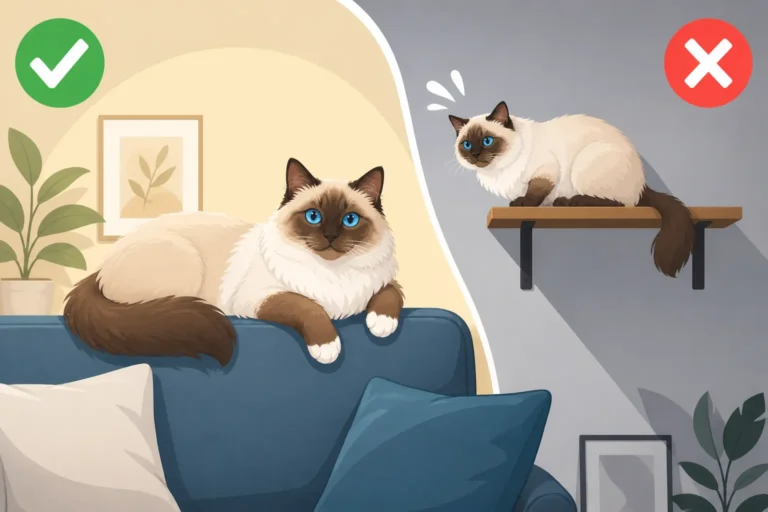
- Vertical Spaces (But Not Too High): While Birmans aren't typically high climbers like a Siamese, they do appreciate having different vantage points. A sturdy cat tree that offers mid-level perches or a window seat where they can watch the world go by can be perfect. They often prefer a sofa back to a wall shelf, finding comfort in being elevated but still within their comfort zone. Where a Birman Prefers to Perch and Why a Birman Stops Halfway Up the Cat Tree are good reads here.
- Interactive Toys and Puzzle Feeders: Birmans aren't known for wild, energetic play, but they do enjoy gentle interaction. Wand toys, especially those that move slowly, can be great for when you are home. While you're away, consider automated toys that turn on periodically or simple puzzle feeders. These can provide mental stimulation and make mealtime last a bit longer, breaking up the monotony. Which Toys Suit a Birman That Plays Quietly and Whether a Puzzle Feeder Interests a Birman at All offer more ideas. You can often find a great selection of these on Amazon, from treat-dispensing balls to more complex puzzles that challenge their minds without overstimulating them.
- Window Watching: A safe, comfortable window perch is like cat TV for many Birmans. Ensure it's sturdy and secure. They often enjoy watching birds or simply observing the activity outside, which can be a great distraction.
Leveraging Technology and Human Help
In today's world, there are fantastic tools and services available to help bridge the gap when you're working away.
- Pet Cameras: These are game-changers. Not only can you check in on your Birman, but many also allow for two-way audio, so you can speak to them, and some even dispense treats. Seeing What a Camera Shows a Birman Doing While You Are Out can provide immense peace of mind and help you understand their daily routine while you're gone.
- Timed Feeders: These ensure your Birman gets meals on a consistent schedule, even if you're running late. This can be particularly helpful for Birmans, who are not usually vocal about hunger but appreciate routine. Whether a Timed Feeder Suits a Birman Left Alone is a helpful resource.
- Pet Sitters or Neighbors: If your work schedule involves very long days, or if you're away for multiple days, having a trusted pet sitter or a friendly neighbor come in to spend some time with your Birman can be invaluable. Even 30 minutes of interaction, a bit of play, and some cuddles can make a huge difference to their emotional well-being. A Birman particularly benefits from a sitter who stays in the house, as Why a Sitter in the House Suits a Birman Better speaks to their need for consistent presence. This isn't just about food and litter; it's about social interaction.
Spotting the Subtle Signs of an Unhappy Birman
Birmans are famously stoic. They're not the type to loudly complain or make a mess to show their displeasure. This means you need to be observant and tune into their subtle cues. The phrase Why a Placid Birman Hides Pain applies not just to physical ailments but also to emotional distress.
Here are some signs that your Birman might be struggling with loneliness or stress due to your absence:
- Changes in Appetite: One of the first things to go when a Birman is unsettled is its appetite. They might eat less, or even stop eating entirely, waiting for you to come home. Why a Birman's Appetite Goes First When It Is Unsettled delves deeper into this.
- Overgrooming or Undergrooming: Stress can manifest as excessive licking, leading to bald patches, or conversely, a decline in self-grooming, resulting in a dull or matted coat. What Overgrooming Means in a Birman is a critical read if you notice this.
- Changes in Litter Box Habits: While Birmans are generally fastidious, stress can sometimes lead to inappropriate urination or defecation outside the litter box. This is usually a sign of distress, not defiance.
- Increased Clinginess or Withdrawal: When you are home, they might become unusually clingy, following your every move, or conversely, withdraw and hide more than usual. A Birman that stops following you needs a vet, and a Birman that hides under the bed also needs a vet, as these are significant behavioral shifts.
- Lack of Play: If your Birman, even an older one, suddenly shows no interest in their favorite gentle games, it could be a sign of unhappiness.
- Subtle Vocalizations: While Birmans are generally quiet cats, if you notice an increase in their soft trills or rare meows, it might be their subtle way of trying to communicate distress.
If you observe any of these changes, it's essential to investigate. Rule out any underlying medical issues with a vet visit first, and then consider adjustments to their daily routine and environment.
Setting Up the Perfect Home for a Working Birman Parent
Creating a home environment that supports a Birman when you work away is about more than just food and water; it's about crafting a haven of comfort, security, and gentle stimulation.
| Aspect of Care | Importance for a Birman Working Parent | Actionable Steps |
|---|---|---|
| Companionship | High: Reduces loneliness, provides consistent interaction. | Consider adopting two Birman kittens or a compatible second cat. If getting a dog, ensure it's calm and cat-friendly. If a single cat, maximize quality time when home. |
| Comfort Zones | High: Birmans seek comfort, especially during quiet hours. | Provide multiple soft beds, blankets, and access to sunbeams. Consider a heated bed for colder areas. Ensure quiet spots where they can retreat if they feel overwhelmed. |
| Mental Stimulation | Medium: Prevents boredom without overstimulation; Birmans play gently. | Offer a variety of appropriate toys (wand toys, soft balls). Introduce puzzle feeders for meals. Set up window perches for outdoor viewing. Rotate toys to keep things interesting. |
| Feeding Routine | High: Consistency is key for their well-being and prevents overeating. | Use timed feeders to deliver measured meals consistently. Ensure plenty of fresh water, perhaps a fountain to encourage drinking, especially given the Birman's kidney history. |
| Grooming | Medium: Regular combing maintains coat health and provides bonding time. | Keep up with regular combing (three times a week is usually enough) to prevent mats and shed loose hair. Use this as bonding time. Combing a Birman Three Times a Week is a great guide. Even though their single coat mats far less than other longhairs, it's still an important ritual. |
| Safety & Security | High: A secure indoor environment is paramount for their health and safety. | Ensure all windows and doors are secure. Make sure harmful substances or small, swallowable items are out of reach. Birmans are indoor cats, and Why an Indoor Birman Reaches Sixteen More Often highlights the health benefits of this. |
| Litter Box Access | High: Essential for hygiene and stress reduction. | Provide enough litter boxes (rule of thumb: number of cats + 1). Ensure they are clean, private, and use a low-dust litter that won't stain their white gloves. Which Litter Suits a White Gloved Cat is key advice here. |
| Human Interaction | High: Maximizing quality time when you are home is non-negotiable. | Dedicate time before and after work for play, cuddles, and quiet presence. Engage in their preferred gentle play. Even just sitting near them while reading or watching TV fulfills their need for proximity. |
| Monitoring | High: Early detection of distress is crucial for this subtle breed. | Consider a pet camera for peace of mind. Regularly observe their eating, drinking, litter habits, and overall demeanor. Pay attention to subtle shifts in behavior. |
| Emergency Plan | High: Prepare for the unexpected. | Have contact information for your vet readily available. Establish a reliable emergency contact (friend, neighbor, pet sitter) who knows your Birman and your routines. Ensure they have access to your home and vet details. |
Ultimately, having a Birman while working away is a commitment, but a deeply rewarding one. It requires conscious effort to create an environment where their gentle, affectionate nature can flourish, even when you're not physically present. By understanding their social needs, enriching their world, and being vigilant for signs of distress, you can absolutely make it work. Your Birman will greet you at the door each evening with that soft trill, a testament to the loving home you've built for them.
Disclaimer
This article is for general informational purposes only and does not constitute professional advice. Laws, prices and regulations vary by location and change over time. Consult a qualified professional for guidance on your specific situation.