The Birman Meets You at the Door and Then Leads You In
You walk through the door after a long day, perhaps expecting a boisterous greeting, a frantic meow, or a cat winding figure-eights around your legs, tripping you at every turn. But if you're a Birman owner, you'll know that their welcome is often far more subtle, a gentle acknowledgment that speaks volumes without a single loud demand. This guide will help you decode the beautiful, understated way your Birman says hello and invites you into their world.
Understanding the Birman's Gentle Welcome
The Birman isn't typically the kind of cat that will launch itself at you with an earth-shattering meow the moment your key turns in the lock. Their greeting is more refined, a quiet affirmation of your presence that quickly transitions into an invitation. They're often right there, yes, but their approach is far from overwhelming. It’s one of the many reasons Why a Birman Is the Cat People Keep After a Baby Arrives or for those seeking a calmer companion.
The Silent Greeting: More Observant Than Vocal
Imagine stepping into your home. You kick off your shoes, drop your bag, and there, almost silently, is your Birman. They might appear from around the corner, or perhaps they were already waiting patiently by the door, having heard your car pull up. Instead of a vocal outburst, you'll likely receive a soft, unblinking gaze of acknowledgment, perhaps a slow blink, which in cat language is akin to a kiss. This initial observation period allows them to gauge your mood and readiness for interaction. They’re assessing the situation, not ignoring you.
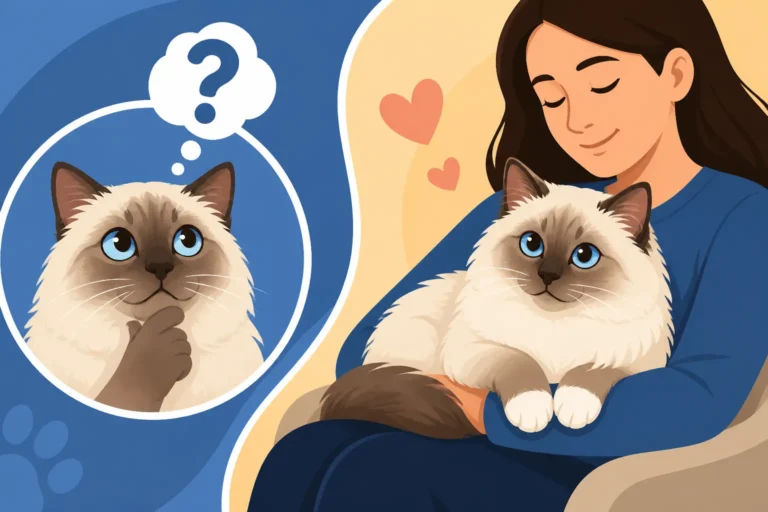
Many first-time Birman owners might even wonder if their cat is truly happy to see them because there's no dramatic display. But trust me, that calm, attentive presence is their deep affection showing. They're not aloof; they're simply not loud about their devotion. You might feel a gentle rub against your ankles, a silky coat brushing past you as they glide by. It’s a very grounding experience, a quiet anchor after a busy day out in the world.
A Follow-Me Invitation: Guiding, Not Demanding
Once they’ve greeted you with their eyes and perhaps a subtle rub, the next step in the Birman's welcome ritual is often to lead you somewhere. They don't block your path or insist on immediate attention in one spot. Instead, they might turn and walk a few paces, looking back over their shoulder as if to say, "Right, you're home. Now, come this way." This isn't them leading you to an empty food bowl (though they appreciate their meals!) but rather to a favored spot in the living room, perhaps to the sofa where they were just napping, or even to the kitchen for a quiet moment together while you unpack groceries.
This "follow-me" behavior is a core part of their social interaction. It’s less about demanding something from you and more about inviting you into their peaceful routine. They want to share their space, their comfort, and their presence. It's their way of saying, "My world is here, and now you are in it." This gentle guidance highlights why A Birman Would Rather Be Near You Than On You – they appreciate shared space and parallel activities.
The Nuances of Birman Affection
Birmans express affection in ways that are deeply comforting but rarely flamboyant. If you're used to a more "in-your-face" type of feline love, it might take a moment to attune yourself to their subtle cues. But once you do, you'll find their quiet devotion incredibly rewarding. They really are the definition of a "middle-of-the-road" cat, as explored in Why the Birman Is Called the Middle Cat.
Proximity Over Laps: Being Near You
Unlike some breeds that are immediate lap magnets, a Birman often prefers the comfort of proximity. They want to be with you, but not necessarily on you, especially not right after a greeting. They might settle on the sofa cushion next to you, drape themselves across the armrest, or even just lie contentedly at your feet while you read or watch television. This isn't a sign of indifference; it's their profound trust and contentment. They feel safe and loved simply by sharing your space.
Think of it as a warm, living presence that constantly reassures you. You might reach out to stroke their silky coat, and they'll lean into your touch, purring quietly, almost invisibly. This preference for being close by makes them excellent companions for those who enjoy a calm presence but don't want a demanding shadow. If you're looking for products to enhance this shared space, like cozy cat beds or window perches, you can find a huge variety on Amazon that cater to their love for comfortable proximity.
The Quiet Trill: Their Signature Sound
One of the most charming aspects of a Birman's communication is their distinctive trill. Instead of a loud meow, which is quite rare for them, they often use a soft, rolling chirrup or trill to express happiness, acknowledge you, or invite interaction. It's a sweet, almost bird-like sound that's entirely unique to them, and if you listen closely, you'll find it incredibly endearing. This vocalization is often heard during their greeting ritual, especially if you crouch down to meet them at their level.
This trill is a delicate sound, easily missed if you're not paying attention. It's not designed to command attention but to express contentment and connection. They don't yell for food, as you might find with other breeds; instead, they might trill as they rub against your leg in the kitchen, a gentle reminder that they're ready for their meal. It’s a far cry from the infamous "Siamese voice" and shows How Many Times a Day a Birman Actually Speaks. Learning to recognize this sound is key to understanding your Birman's emotional landscape.
Why This Unique Greeting Develops
The Birman's particular style of greeting isn't accidental; it's deeply rooted in their history and temperament. They are a breed specifically known for their calm, gentle, and companionable nature, traits that have been carefully cultivated over generations.
Breeding for Calmness and Companionship
The Birman breed's development has always emphasized a serene and devoted temperament. They were originally seen as temple cats, revered for their placid disposition, and this history has certainly shaped their modern personality. Breeders have continued to select for these traits, resulting in a cat that thrives on companionship and a peaceful home environment, without the need for constant, overt attention. This careful breeding means that The Birman Sits Between the Siamese and the Persian in terms of activity and vocalization.
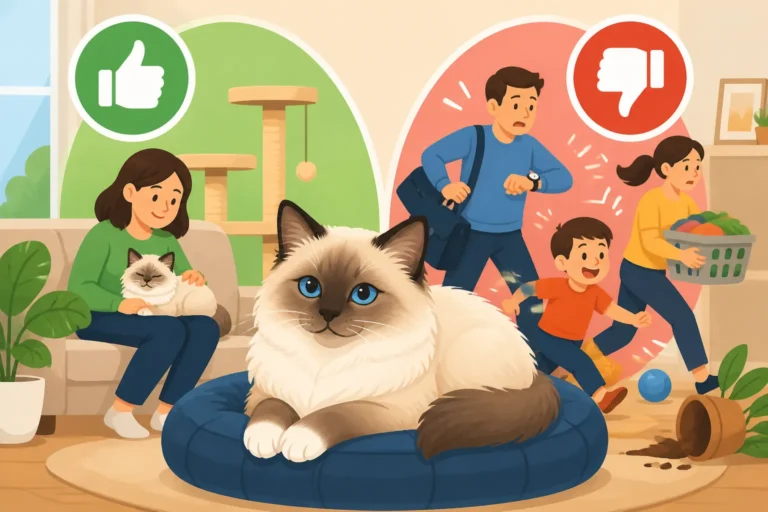
Their calm demeanor means they don't feel the need to loudly announce their presence or demand interaction. They are confident in their place within the family and trust that their quiet presence is enough. This makes them ideal for households where a frantic, demanding cat might be overwhelming, such as those with young children or elderly individuals. They offer a comforting presence without ever being intrusive, making them a truly special companion.
Inherited Traits from Their Ancestry
When we look at the Birman's ancestral lines, particularly their connections to the Persian and Siamese breeds (especially in the post-war rebuilding efforts, as highlighted in Which Breeds Were Crossed In to Save the Birman), we can see how their unique greeting style emerged. They inherited the striking point coloration and blue eyes from Siamese ancestors, but their temperament leans much more towards the mellow, laid-back nature of the Persian, while avoiding the extreme vocalization or high energy of the Siamese.
This blend gives them a distinctive personality: active enough to be engaging, but calm enough to be a peaceful presence. They have the intelligence and social awareness to greet you at the door, but the gentle nature to do so without fanfare. It’s a wonderful balance that allows them to be deeply involved in your life without ever dominating it. Their quiet nature is one of the reasons Why a Birman Hides Illness Behind a Placid Temperament, so always be observant for subtle changes.
Integrating a Birman into Your Home's Rhythm
Bringing a Birman into your life means learning to appreciate their unique rhythm and creating an environment where their gentle nature can truly flourish. They thrive on routine and feeling secure in their surroundings.
Respecting Their Space and Subtle Cues
Because Birmans are not overly demanding, it’s crucial for owners to be observant and responsive to their subtle cues. When they meet you at the door and lead you to a spot, it's an invitation. Acknowledge it. Sit down, let them settle nearby, and offer a quiet stroke. Don't immediately try to pick them up if that's not their preference, especially not in the first few minutes after you arrive home. Over time, you'll learn their favorite spots for a cuddle, and when they are most receptive to a lap visit.
It’s also important to give them their own comfortable spaces. A soft bed on a favored chair, a low cat tree (since Why a Birman Stops Halfway Up the Cat Tree is common), or a cozy blanket on the sofa can become their personal sanctuary. This allows them to feel secure and gives them options for how they want to interact with you, whether it's right beside you or a comfortable distance away. These quiet spaces ensure they feel safe and valued, even when not actively seeking attention. For durable and plush cat beds, checking out options on Amazon can be a good start.
Creating an Environment That Encourages Engagement
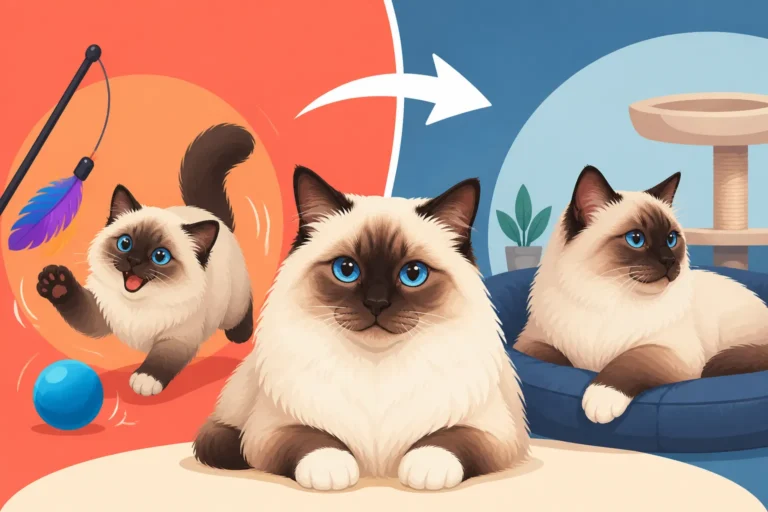
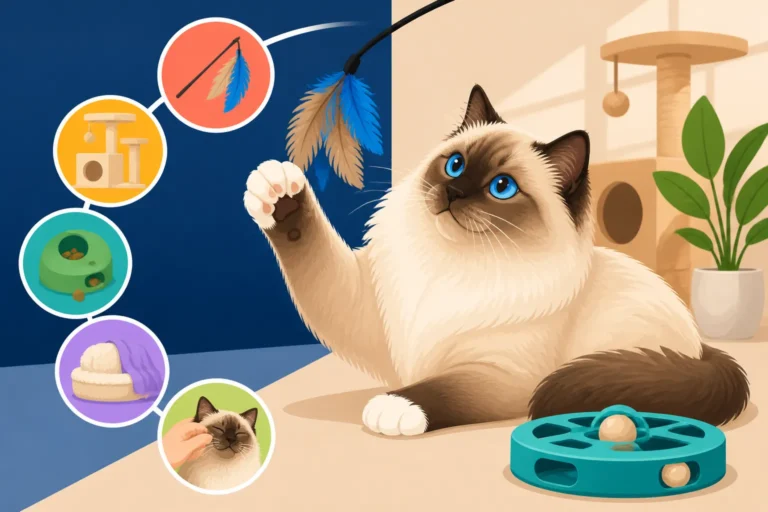
While Birmans are not high-energy adventurers, they still benefit greatly from an enriched environment that encourages gentle play and interaction. Interactive toys, like wand toys that move slowly and deliberately, are often a hit. They love to "hunt" and pounce, but usually without the manic energy of some other breeds. Engaging them in play for short, regular sessions can strengthen your bond and provide healthy stimulation.
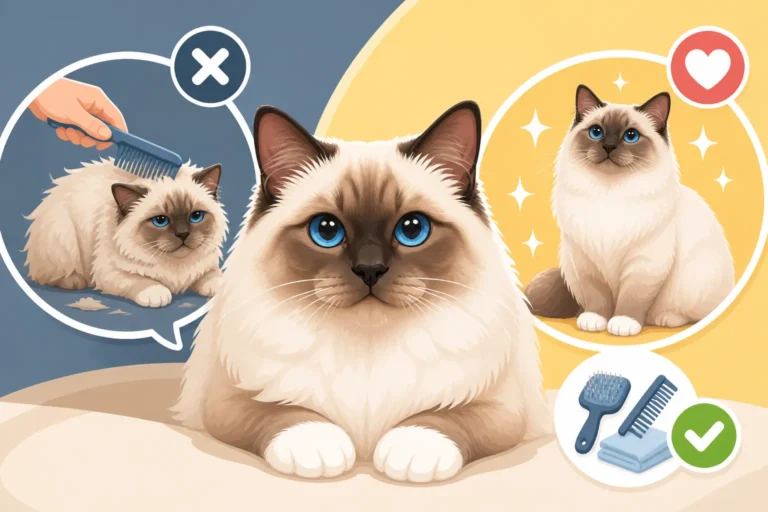
Another way to encourage their engagement is through consistent routines. Feeding times, play sessions, and even grooming rituals (which they usually tolerate very well due to their placid nature) become anticipated moments of connection. This predictability helps them feel secure and allows their naturally affectionate side to shine. It's about building a trusting relationship where their quiet communication is understood and reciprocated. This consistent positive interaction prevents What a Lonely Birman Does when left alone.
Comparing the Birman's Greeting to Other Breeds
To truly appreciate the Birman's greeting style, it helps to understand how it contrasts with the typical behaviors of other popular cat breeds. This can help set realistic expectations, especially if you've previously shared your home with a different type of feline personality.
Not a Siamese, Not a Persian: The Middle Ground
The Birman truly occupies a unique middle ground between the highly vocal and often demanding Siamese and the extremely placid, often more independent Persian. A Siamese might greet you with a loud, insistent caterwaul, following you relentlessly and vocalizing their every desire, from food to attention. Their energy is often boundless, and their need for interaction can be intense. How a Birman's Energy Compares to a Siamese's highlights this difference beautifully.
On the other hand, a Persian might offer a more reserved greeting, perhaps a soft blink from their favored perch, only slowly rising to stretch before seeking a gentle head rub. They tend to be less prone to following you around and are often content with short bursts of interaction before returning to their serene repose. The Birman blends these: they will be present, they will acknowledge you, and they will want to be near, but without the intense demands of a Siamese or the deep aloofness some Persians can exhibit.
Here's a quick comparison of common cat greeting styles:
| Breed | Initial Greeting Display | Vocalization Level | Desire for Physical Contact | Follow-You Tendency |
|---|---|---|---|---|
| Birman | Quiet presence, soft rub | Low (trills) | Moderate (proximity) | High (leads you) |
| Siamese | Loud meow, weaves through legs | High (demanding) | High (lap cat) | Very High |
| Persian | Slow blink, gentle stretch | Low (quiet meows) | Low to Moderate (prefers nearby) | Low |
| Ragdoll | Affectionate rub, flops | Moderate (soft meows) | High (lap cat, carried) | High |
| Domestic Shorthair | Varies widely (meows, rubs) | Varies | Varies | Varies |
What to Expect from a Multi-Cat Household
If you have a multi-cat household, especially one that includes a Birman, you'll notice their distinct approach to greeting compared to their housemates. While a more outgoing cat might rush forward to greet you first, the Birman often waits their turn or simply approaches with a quiet confidence that doesn't compete with others. They are generally adaptable and can coexist peacefully with other breeds, often acting as a calming influence. Bringing a Second Cat Home to a Birman That Wants One is usually a smooth process.
A Birman will often form strong bonds with their human family members but also enjoys the quiet companionship of another cat. If another cat is vying for your attention, the Birman will typically observe from a comfortable distance, waiting for a calmer moment to offer their gentle presence. They aren't pushy, but they are persistent in their desire for connection, patiently waiting for their turn for a stroke or a quiet shared moment. This patient nature is part of why The Birman Ends Up in Houses With Both Kids and Dogs.
Conclusion: Embracing the Birman's Quiet Charm
The Birman's greeting is a beautiful testament to their gentle, loving nature. They might not be the loudest or most demonstrative cats, but their consistent presence, soft trills, and subtle invitations to share their world are deeply affectionate. Understanding these unique behaviors allows you to truly connect with your Birman, appreciating the quiet devotion they offer. They are companions who enrich your life with their serene presence, proving that true love doesn't always need to shout to be heard.
Disclaimer
This article is for general informational purposes only and does not constitute professional advice. Laws, prices and regulations vary by location and change over time. Consult a qualified professional for guidance on your specific situation.