Whether a Birman Will Walk on a Leash at All
One question that often comes up in our Birman community is whether these majestic, blue-eyed beauties can actually be leash trained. Many cat parents yearn to share outdoor adventures with their feline friends, but the idea of a cat on a leash can feel a bit… well, unnatural. If you're wondering if your placid Birman can join you for a stroll beyond the garden gate, you're in the right place. This guide will explore the unique Birman temperament and provide actionable steps to introduce your cherished companion to the joys of a safely leashed outdoor experience.
The Birman's Temperament and Outdoor Curiosity
Birmans are famously gentle, affectionate, and relatively easygoing cats. They're often described as the "middle ground" between the energetic Siamese and the super-relaxed Persian, striking a wonderful balance of playful curiosity and calm companionship. This unique blend makes them excellent candidates for many activities, including, for some, leash training. However, it's crucial to understand their natural instincts and personality traits when considering adventures outside.
Why a Birman Might Enjoy a Leash Walk
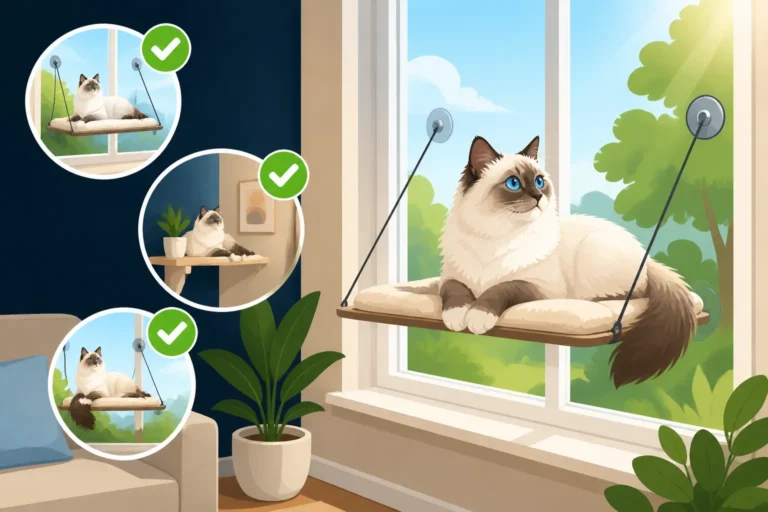
While Birmans are generally content as indoor cats, many still possess a natural curiosity about the world beyond their windows. They might spend hours perched on a windowsill, Whether a Birman Sits on the Windowsill, watching birds, squirrels, and the general bustle of outdoor life with keen interest. For these Birmans, a carefully managed leash walk can be a wonderful source of enrichment. It provides novel scents, sounds, and visual stimulation that even the most elaborate indoor setup can't fully replicate. This isn't about turning your Birman into a dog; it's about expanding their horizons safely and on their terms. Many Birmans are highly intelligent and enjoy mental engagement, which exploring a new environment can provide in spades. Think of it as a field trip for their senses!
Moreover, some Birmans truly thrive on interaction and being close to their human companions. They are often described as "velcro cats" who follow you from room to room, How a Birman Follows You Room to Room, simply wanting to be in your presence. For these social butterflies, a shared outdoor experience, even if it's just sitting in the garden on a leash, can deepen your bond and offer a new way to spend quality time together. It allows them to feel included in your world outside, rather than just observing it from behind glass.
Their Placid Nature and Adaptability
One of the Birman's most endearing qualities is its calm and placid temperament. Unlike some more high-strung breeds that might panic at the thought of a harness, many Birmans take new experiences in stride, provided they are introduced gently and patiently. They are generally not prone to sudden bursts of aggression or extreme fear, which works in your favor when attempting something like leash training. Their adaptable nature means they can often be taught to tolerate, and even enjoy, wearing a harness and exploring on a leash.
However, "placid" doesn't mean "fearless." Birmans can still be easily startled by loud noises, sudden movements, or unfamiliar situations. This is why a gradual, positive reinforcement approach is absolutely essential. Rushing the process or forcing a Birman into an uncomfortable situation will likely lead to resistance and a negative association with the harness and leash. Their quiet demeanor can sometimes mask discomfort, so always pay close attention to their body language. A Birman might not outwardly protest loudly, The Small Trill a Birman Uses Instead of a Meow, but their subtle cues will tell you if they're feeling overwhelmed.
Choosing the Right Gear for Your Birman
Before you even think about stepping outside, selecting the correct harness and leash is paramount. A standard collar is simply not safe for a cat on a leash; they can easily slip out of it or injure their delicate throats. A harness distributes pressure evenly across their chest and shoulders, making it much more secure and comfortable. Remember, safety first!
Harness Types: H-Style vs. Vest Style
When it comes to cat harnesses, you'll generally encounter two main types: H-style and vest-style. Both have their pros and cons, and the best choice often comes down to your individual Birman's preference and body shape.
-
H-Style Harnesses: These harnesses feature two loops connected by a strap, resembling an "H" when laid flat. One loop goes around the neck, and the other around the chest, just behind the front legs. They are generally lightweight and less restrictive, making them a good starting point for cats who might be fussy about clothing. However, some cats, especially those with very flexible bodies, can potentially wriggle out of an ill-fitting H-style harness. It's crucial to ensure a snug fit (but not too tight – you should be able to fit two fingers comfortably under any strap). You can find a good variety of H-style harnesses on platforms like Amazon, often bundled with a matching leash.
-
Vest-Style Harnesses: These harnesses cover a larger portion of the cat's torso, resembling a small vest. They typically close with Velcro and/or buckles across the back. Vest harnesses are generally more escape-proof than H-style harnesses because they distribute pressure over a wider area, making them harder to back out of. They can also offer a greater sense of security for some cats. However, some Birmans might initially find the larger amount of fabric restrictive or strange. If your Birman has a full ruff, Why a Birman's Ruff Is Its Longest Fur, ensure the vest doesn't rub or cause discomfort around the neck area.
When making your choice, measure your Birman carefully according to the product's sizing guide. A harness that is too loose is a safety hazard, and one that is too tight will be uncomfortable and deter your cat from future walks. Always look for harnesses made from soft, breathable materials that won't irritate your Birman's silky coat.
Leash Length and Identification
For leash walking a cat, a lightweight, standard leash of about 4 to 6 feet is usually ideal. Avoid retractable leashes, as they can teach your cat to pull and offer less control in potentially dangerous situations. A fixed-length leash allows you to keep your Birman close and react quickly if needed. Many harnesses come with a lightweight leash included, or you can purchase one separately. You might want to explore the selection on Amazon for various colors and materials.
Regardless of whether your Birman is leash trained, they should always wear an identification tag with your contact information, even when on a harness. Accidents happen, and a lost Birman, especially one unaccustomed to the outdoors, would be a heartbreaking scenario. Consider microchipping as well, and ensure your registration details are up to date. Why a Birman Would Be Stolen Outdoors is a real concern, so having clear identification is vital.
The Leash Training Process: Slow and Steady Wins the Race
Patience is key. You're not just putting a leash on your cat; you're introducing them to a whole new concept. Think of it as a series of tiny, positive steps, rather than one big leap. This process might take days, weeks, or even months, depending on your individual Birman's personality and comfort level.
Acclimating to the Harness Indoors
The very first step is getting your Birman comfortable with wearing the harness inside the house.
- Introduce the harness: Let your Birman sniff and investigate the harness. Place it near their food bowl or sleeping area. Give treats when they interact positively with it. Don't force it on them yet.
- Brief wearing sessions: Once they seem comfortable with its presence, try putting the harness on for just a minute or two. Distract them immediately with a favorite treat or toy. Make it a positive experience. Praise them lavishly.
- Increase duration gradually: Over several days, slowly increase the time your Birman wears the harness. Aim for sessions of 5-10 minutes, then 15-20, building up to an hour or more. Always supervise them to ensure they don't get tangled or try to chew it off. Some Birmans might "freeze" or flop over dramatically at first – this is normal. Just ignore the theatrics, praise calm behavior, and offer treats. They'll usually get used to it.
- Positive associations: Always associate the harness with good things: food, playtime, gentle petting. Never put it on as punishment. If they seem stressed, take it off and try again later. You want them to view the harness as a signal for something fun, not something scary.
Introducing the Leash and Indoor Walks
Once your Birman is completely comfortable wearing the harness for extended periods, it's time to introduce the leash.
- Attach the leash indoors: Clip the leash onto the harness while your Birman is wearing it inside. Let them drag the leash around for a few minutes, again under supervision. This helps them get used to the weight and feel of it. Make sure the leash can't snag on anything.
- Practice holding the leash: Pick up the leash and follow your Birman around the house. Don't pull or guide them yet. Just let them lead, getting used to the gentle pressure. If they stop, stop with them. If they walk, walk with them. Reward any forward movement with treats and praise.
- Gentle guidance: Once they are comfortable with you holding the leash, try very gently guiding them with light pressure. Use an encouraging tone. If they resist, don't drag them. Coax them with a treat held slightly ahead of them. Short, frequent sessions are more effective than long, frustrating ones. The goal is for them to associate the leash with positive movement and treats. Your placid Birman might surprise you with how quickly they adapt, but remember that How to Tell a Quiet Birman From an Unwell One means always observing their comfort.
Your First Outdoor Excursions
Now for the exciting part! But again, go slowly. Your first "walk" might just be sitting outside your front door.
- Choose a safe, quiet spot: Select an area that's calm, free from loud noises, other animals, or busy traffic. Your backyard, a quiet patio, or a secluded park during off-peak hours are ideal. Avoid places where there are dogs off-leash or a lot of foot traffic.
- Short and sweet: For the very first outdoor session, simply carry your Birman outside in their harness and leash to your chosen spot. Let them sit down, sniff the air, and observe. Don't expect them to walk immediately. Give them treats and lots of reassurance. Five to ten minutes might be plenty for the first few times.
- Let them explore on their terms: Once they seem relaxed, let them take the lead. They might want to sniff a patch of grass, roll in the dirt, or simply sit and watch. Follow them. Don't try to force a structured walk. The goal is exploration and positive exposure. What Calms a Stressed Birman is often gentle reassurance and a familiar presence.
- Gradually increase duration and distance: As your Birman gains confidence, you can slowly increase the length of your outdoor sessions and venture a little further. Always be aware of their body language. If they seem stressed (ears flattened, tail tucked, trying to hide), it's time to go back inside.
| Stage of Training | Key Action | Duration/Frequency | Goal |
|---|---|---|---|
| Harness Introduction | Let cat sniff, brief wearing, offer treats. | 1-5 minutes, several times a day. | Cat associates harness with positive things, tolerates wearing. |
| Indoor Leash Practice | Attach leash, let drag, gentle guidance. | 5-15 minutes, once or twice a day. | Cat comfortable with leash weight/feel, responds to light guidance. |
| First Outdoor Trips | Safe, quiet spot. Carry out, let sit/observe. | 5-10 minutes, daily or every other day. | Cat experiences outdoors positively, builds confidence. |
| Extended Exploration | Longer walks, new quiet areas, follow cat's lead. | 15-30 minutes, as often as cat enjoys. | Cat enjoys exploring, comfortable in various safe outdoor settings. |
Common Challenges and Troubleshooting
Leash training a cat, even a placid Birman, isn't always smooth sailing. You might encounter some common hurdles. Don't get discouraged! Persistence, patience, and positive reinforcement are your best tools.
The "Floppy Cat" or Refusal to Move
It's a classic cat move: you put on the harness and leash, and suddenly your cat transforms into a limp noodle or a stubborn statue. They might flop over, refuse to budge, or even walk backward. This is a common reaction, especially when they're first getting used to the harness or an unfamiliar outdoor environment.
- Be patient: Don't drag them. It will only create a negative association.
- Coax with treats and toys: Hold a favorite treat or wand toy just out of reach to encourage forward movement. Which Wand Toys Move Slowly Enough for a Birman might be perfect for this.
- Change locations: Sometimes, simply moving to a different spot in the yard or even just a few feet away can break the spell.
- Shorten sessions: If they're consistently flopping, your sessions might be too long. End on a positive note, even if it's just a tiny step.
- Reassure them: Use a calm, soothing voice. Your Birman thrives on connection, Why a Birman Needs Company More Than Stimulation, so your presence can be a powerful comfort.
Fear of New Environments and Stimuli
The great outdoors is full of exciting, yet potentially overwhelming, sensory input. New smells, sounds (a car driving by, a dog barking), and sights can be scary for a cat accustomed to the quiet confines of home. A Birman might react by freezing, trying to hide, or attempting to bolt.
- Start small and quiet: As mentioned, begin in the calmest, most secure outdoor space available. Gradually introduce them to slightly more varied environments.
- Observe body language: Look for signs of stress: flattened ears, wide eyes, crouched posture, tail tucked. If you see these, retreat to a more familiar or quieter area.
- High-value treats: Bring irresistible treats to distract and reward your Birman for calm behavior in new situations.
- Pheromone sprays: Consider spraying a feline pheromone spray on their carrier or a small blanket you bring with you. These can help reduce anxiety. You can often find these at your local pet store or on Amazon.
- Stay close: Your presence is often the biggest comfort. Kneel down, talk to them softly, and let them know you're there. Why a Placid Birman Hides Pain means you need to be extra vigilant for subtle signs of discomfort.
Distractions and Prey Drive
While Birmans are generally not known for an intense prey drive, the sight or scent of a bird, squirrel, or even a blowing leaf can be incredibly distracting. They might suddenly pull on the leash or try to chase.
- Maintain a firm, but gentle, grip: Be prepared for sudden movements. Keep the leash relatively short to maintain control.
- Redirect attention: If your Birman fixates on something, try to redirect their attention with a treat or a quick game with a small toy you've brought along.
- Avoid high-prey areas: Steer clear of areas with lots of wildlife until your Birman is very experienced and reliable on the leash.
- Prioritize safety: Remember, your primary goal is safe exploration, not letting them hunt. Why a Birman Would Be Stolen Outdoors or run into traffic if not properly secured is a constant risk.
Benefits and Important Considerations
Leash walking with your Birman can offer a multitude of benefits, enriching their life and strengthening your bond. However, it's also important to consider the practicalities and potential downsides before fully committing.
Enrichment, Exercise, and Bonding
The advantages of successfully leash training your Birman are truly wonderful.
- Mental and Physical Enrichment: Even a short walk provides a feast for the senses. New smells, sounds, and textures stimulate their brains and bodies in ways indoor life cannot. This can help prevent boredom, which, while rare in a Birman because Why a Birman Needs Company More Than Stimulation is often met, can lead to behavioral issues. The fresh air and varied terrain also offer gentle exercise, supporting their overall health and well-being.
- Reduced Anxiety: For some Birmans, controlled outdoor access can actually reduce anxiety or frustration that might stem from an unfulfilled curiosity about the outside world. They might be calmer and more settled indoors after a stimulating outdoor adventure.
- Enhanced Bond: Sharing new experiences together can significantly deepen the bond between you and your Birman. It's a unique form of shared adventure that builds trust and mutual understanding. They learn to rely on you as their guide and protector in the big, wide world.
Safety Concerns and Environmental Risks
While the benefits are clear, it's crucial to acknowledge and mitigate the inherent risks of taking any cat outdoors.
- Predators and Other Animals: Depending on your location, your Birman could encounter predators (coyotes, large birds of prey) or aggressive dogs. Even friendly dogs can be too boisterous for a cat on a leash. Always be vigilant and ready to scoop up your Birman if a threat appears.
- Traffic: Even in quiet areas, cars are a danger. A sudden noise or movement could cause your Birman to bolt into the road if the leash slips or you lose your grip. Always maintain full control.
- Parasites and Illnesses: Outdoor cats are exposed to fleas, ticks, and various diseases (like feline leukemia or FIV, though your Birman should be vaccinated against common ones). Discuss appropriate parasite prevention with your vet if you plan regular outdoor excursions.
- Poisons and Toxins: Lawn chemicals, antifreeze, and certain plants can be toxic to cats. Be mindful of what your Birman sniffs or attempts to lick.
- Escape Risk: Even with the best harness, there's always a slight risk of escape if your Birman is startled or if the harness isn't perfectly fitted. This is why a microchip and ID tags are non-negotiable. Why an Indoor Birman Reaches Sixteen More Often is a stark reminder of the safety benefits of keeping cats primarily indoors.
Ultimately, deciding whether to leash train your Birman is a personal one. If you choose to embark on this adventure, commit to a slow, patient, and positive approach, always prioritizing your Birman's safety and comfort. It might not be for every Birman, but for those who take to it, it can open up a whole new world of shared experiences.
Disclaimer
This article is for general informational purposes only and does not constitute professional advice. Laws, prices and regulations vary by location and change over time. Consult a qualified professional for guidance on your specific situation.