Why an Old Birman Stops Using the Stairs
It’s a heart-wrenching moment when you first notice your usually graceful Birman hesitating at the bottom of the stairs, or perhaps even refusing them altogether. As our beloved Birmans grow older, their once effortless movements can become a real struggle, and watching them navigate the home they’ve always known with newfound difficulty can be incredibly worrying. This guide will gently explore the various reasons an aging Birman might stop using the stairs and offer practical, empathetic advice on how to support them through this natural, yet challenging, phase of life.
Understanding the Natural Aging Process in Birmans
Just like us, Birmans experience a gradual shift in their physical capabilities as they age. It's not a sudden decline, but often a slow, creeping change that can make once-simple tasks, like bounding up the stairs, feel like scaling a mountain. It’s easy to miss these subtle signs when they first appear, especially with a cat as stoic and placid as a Birman.
Gradual Decline in Agility
One of the first things you might notice in an aging Birman is a general reduction in their agility. That lightning-fast pounce they once had on a feather toy might now be a slower, more deliberate movement. Their jumps onto countertops or high perches might become less frequent, or they might opt for an intermediate step they previously ignored. This isn't just about strength; it's about the entire kinetic chain – muscles, joints, ligaments, and even their spatial awareness. As a Birman gets older, their muscles may not contract with the same force, and their joints might not flex as smoothly. This makes the complex coordination required for ascending or descending stairs much more taxing and even a little scary. They might lose that spring in their step that makes quick changes in elevation seem easy. This isn't laziness; it's a physical limitation that grows over time. We often see them start to choose easier routes, perhaps opting for the sofa rather than the tall cat tree.
This decline in agility also means their reaction time slows down. If they misstep on the stairs, their body isn't as quick to correct itself, increasing the risk of a fall. A fall, even a small one, can be traumatic for an older cat, potentially leading to injuries that exacerbate their reluctance to use stairs. It's a vicious cycle where caution turns into avoidance. They remember the discomfort or near-miss, and their instinct tells them to steer clear. This is part of what an Ageing Birman Slows Down From, and it's a sign that their environment might need some adjustments to accommodate their changing needs.
Changes in Sleep Patterns and Energy Levels
Older Birmans often sleep more, and their bursts of playful energy tend to become shorter and less frequent. While they might still enjoy a good chase after a toy, they'll likely tire out quicker than they did in their younger years. This overall reduction in energy directly impacts their willingness to tackle stairs. Imagine being a bit weary and then being faced with a flight of steps; you’d probably think twice, wouldn’t you? For a Birman, this means they might prefer to stay on one level of the house for longer periods, rather than expending precious energy to go up or down for a nap or a visit with their favorite human.
These changes in energy levels can also manifest as a decrease in their overall activity. Where they once roamed freely from room to room, exploring every nook, an older Birman might become more sedentary. This isn't a sign they're unhappy, but rather that their body is asking for more rest and less strenuous activity. If their favorite napping spot or water bowl is on a different floor, they might choose a less ideal, but more accessible, location rather than making the journey. It's a practical decision on their part, conserving energy for what truly matters to them. Keeping an eye on their general energy levels can provide clues as to how much their mobility is being affected.
Specific Health Conditions Affecting Stair Mobility
While aging itself brings changes, often the reluctance to use stairs is rooted in specific underlying health conditions that cause pain or discomfort. Our Birmans are incredibly good at hiding pain, thanks to their placid temperament, so it's up to us to be vigilant.
Arthritis and Joint Pain
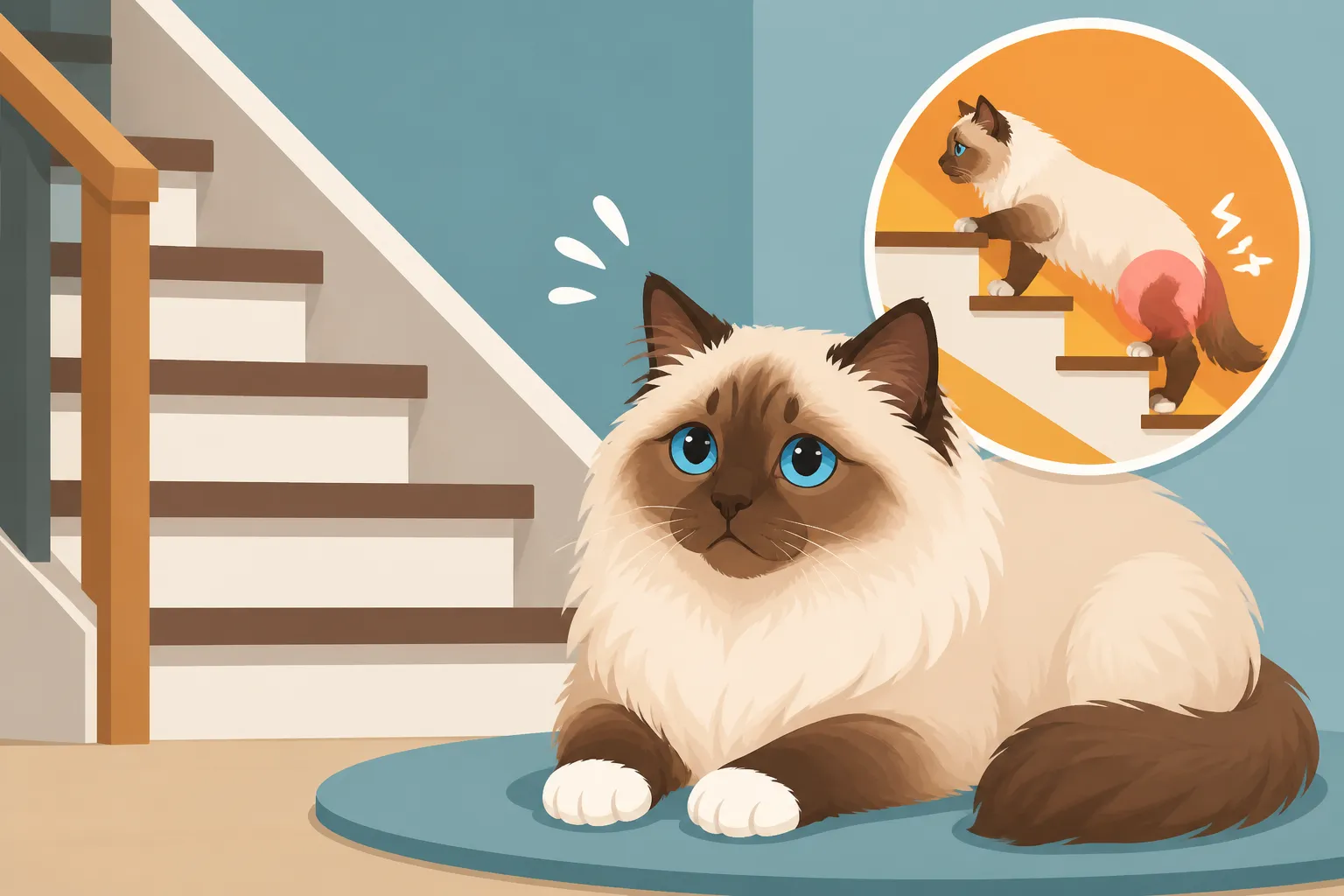
This is, hands down, one of the most common culprits. Arthritis, or osteoarthritis, is a degenerative joint disease that causes inflammation, pain, and stiffness in the joints. For a cat, especially one with a longer body like a Birman, the hips, knees, and spine are particularly susceptible. Imagine trying to navigate stairs with stiff, aching knees or a sore back – it would be incredibly difficult and painful. Your Birman might not cry out, but you might notice them moving more slowly, struggling to jump, or favoring certain limbs. This is How Arthritis Shows in a Birman That Never Jumped Much, often appearing as subtle changes in movement rather than overt lameness.
The pain from arthritis can be worse in colder weather or after periods of inactivity, making those first steps down the stairs in the morning particularly challenging. Over time, the constant pain can lead to muscle atrophy around the affected joints, further weakening their ability to support themselves on the stairs. They might start to bunny-hop up steps, taking both hind legs simultaneously, or they might simply sit and stare at the stairs, clearly contemplating the effort required, and deciding against it. If your Birman seems hesitant, walks stiffly, or avoids jumping, a vet check for arthritis is a priority. Pain management can significantly improve their quality of life.
Muscle Weakness and Loss of Balance
Beyond specific joint pain, a general loss of muscle mass, known as sarcopenia, is a natural part of aging in cats. As muscles weaken, they can’t provide the same support and power needed for climbing stairs. This isn't just about strength; it's also about endurance. Even if they can make it up a few steps, they might tire quickly. This muscle weakness can lead to a noticeable shakiness in their legs, making them feel less stable on uneven surfaces like stairs.
Coupled with muscle weakness, older Birmans can also experience a decline in their proprioception – their body's sense of its position in space. This means their balance might not be as sharp as it once was. A slight misjudgment of a step, or a wobbly landing, can quickly lead to a loss of confidence. A cat that once gracefully descended stairs might now seem clumsy or hesitant, placing each paw with exaggerated care. This can be especially dangerous on stairs, where a misstep can lead to a serious fall. This general frailty is a key part of What an Old Birman Slows Down From first, and addressing it might involve special diets or supplements to support muscle health.
Vision and Hearing Impairment
Our Birmans rely heavily on their senses to navigate their world, and as they age, vision and hearing can decline. Reduced eyesight, especially in dim lighting, can make stairs a frightening obstacle. If they can't clearly see the edges of the steps, the shadows, or where their paws are landing, they'll understandably be reluctant to try. They might bump into things more often, or become disoriented in unfamiliar environments. It's wise to have your Birman's Eyes Checked at Every Visit, particularly as they get older, to catch these changes early.
Similarly, diminished hearing can affect their awareness of their surroundings. While not as directly impactful on stair climbing as vision, a cat who can't hear as well might be more easily startled, leading to a sudden movement or fall on the stairs. They also might not hear you coming to assist them or offer reassurance, which can add to their anxiety about navigating challenging areas. Imagine trying to walk down a dark, echoey staircase without being able to see or hear properly – it would be disorienting and risky. Creating a well-lit, quiet path can help mitigate some of these sensory challenges.
Other Painful Conditions
It's not always just about joints or muscles. Other health issues can cause generalized pain or discomfort that makes any strenuous activity, including stair climbing, undesirable.
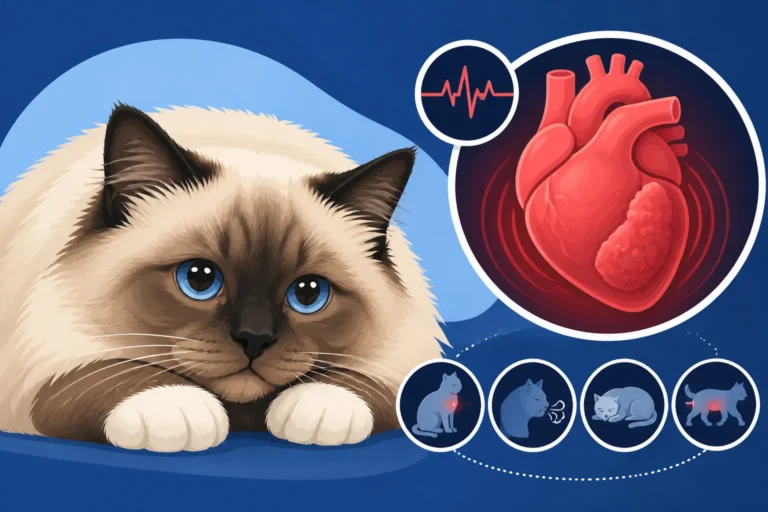
For example, dental disease, which is unfortunately common in older cats, can cause chronic pain that makes them feel unwell overall. If their mouth hurts, they might not have the energy or inclination to move much, let alone tackle stairs. Similarly, internal organ issues, such as kidney disease or heart conditions, can lead to lethargy, weakness, and discomfort. How HCM Shows Up in a Birman is a critical consideration for any aging Birman, and underlying heart issues can certainly impact their ability to exert themselves. A cat that feels nauseous or generally ill won't be keen on extra physical effort. This is why regular vet check-ups are so vital for senior Birmans, allowing early detection and management of these issues, which could involve anything from managing dental pain to starting a prescription diet if Kidney Cysts Do to a Birman. Always remember that a Birman's placid nature means they will often try to hide their pain, so any change in behavior, including stair avoidance, warrants a thorough investigation.
Creating a Safer Environment for an Aging Birman
Once you've identified why your Birman is struggling with stairs, or even as a preventative measure for healthy seniors, it's time to adapt your home to their needs. Our goal is to make their world as accessible and comfortable as possible.
Ramps and Alternative Routes
The most direct solution for stair avoidance is to provide alternatives. Ramps are a fantastic way to bridge the height gap without requiring jumps or steep climbs. You can purchase pet ramps specifically designed for this purpose, or even create your own with a sturdy piece of wood and good carpeting for traction. Place ramps alongside staircases if space allows, or use them to help your Birman get onto higher surfaces like beds or sofas without straining.
If ramps aren't feasible for a full staircase, consider creating "stepping stones" out of sturdy boxes or ottomans positioned at intervals up the stairs, essentially breaking the climb into smaller, more manageable steps. This isn't always practical for a full flight of stairs but can work for a few steps leading to a landing or a favored room. For multi-story homes, sometimes the kindest solution is to create a fully equipped "senior zone" on the main floor. This means ensuring food, water, litter boxes, and favorite sleeping spots are all easily accessible without any stair climbing. While it might mean bringing their bed downstairs, it reduces their need to navigate the difficult areas. If your Birman does better with company, perhaps you might even consider Getting a Birman Used to a Comb on a lower level so they don't have to navigate stairs for their grooming session.
Modifications for Traction and Support
Slippery stairs are a huge hazard for any cat, but especially for an older Birman with reduced balance and strength. Bare wood or tile stairs can be terrifying. Adding carpet runners or individual carpet treads to each step can provide much-needed grip. Look for options that are securely fastened to prevent slipping and bunching. The texture of the carpet gives their paws something to dig into, making them feel much more secure.
Consider adding small, unobtrusive nightlights in stairwells if your Birman is showing signs of vision impairment, particularly if they are moving around at night. Better lighting can help them see the edges of the steps more clearly and avoid missteps. For very steep or long staircases, handrails or pet gates can be installed at the top and bottom to prevent accidental falls, especially if their vision is severely compromised or if they are prone to wandering. Remember, even a cat that never climbed high might still encounter a short set of stairs.
Strategic Placement of Essentials
Sometimes, the simplest changes make the biggest difference. If your Birman is avoiding the stairs, it's often because what they need is on another level. Reassess the placement of their critical resources:
- Food and Water Bowls: Make sure there are easily accessible bowls on every floor your Birman frequents. If they're primarily staying on the ground floor, ensure everything they need is there.
- Litter Boxes: This is crucial. An older cat, especially one with arthritis, might hold it in rather than tackle stairs to reach a distant litter box. Place extra litter boxes on each floor, perhaps even using a low-sided box that's easier for them to step into. Why a Birman Needs a Longer Box Than a Round Cat is something to consider here for comfort.
- Sleeping Spots: Birmans love to be near their people. If their favorite human is upstairs, but they can't get there, they'll feel isolated. Provide cozy, comfortable beds and blankets on every floor, especially where you spend the most time. If they prefer to be close to you, ensure there’s a comfortable spot right next to your armchair or bed on the accessible floor.
By strategically placing these essentials, you reduce their reliance on stairs and make their daily life less of a physical challenge. This simple step can significantly improve their comfort and happiness. And hey, if you're worried about your beautiful cream-point Birman's fur staining from litter, consider a brand like Healthy Paws that offers low-dust, gentle formulas for sensitive paws and white coats.
When to Consult the Vet: Signs It's More Than Just Old Age
While some reluctance to use stairs is a natural part of aging, it’s vital to recognize when it’s a symptom of something more serious that requires veterinary attention. Ignoring these signs can lead to unnecessary pain and a decreased quality of life for your Birman.
Observing Specific Symptoms
It’s easy to dismiss minor changes as just "getting old," but truly paying attention to how your Birman moves and behaves can give you crucial clues. Look out for these specific symptoms that warrant a vet visit:
- Sudden Onset of Reluctance: If your Birman goes from using stairs normally to refusing them almost overnight, that's a red flag.
- Visible Pain or Limping: Any obvious limping, favoring a limb, or vocalizing when moving (even a small grunt or sigh) is a clear sign of pain.
- Difficulty Getting Up or Lying Down: Struggling to stand after a nap or needing to circle multiple times before settling down indicates joint discomfort.
- Changes in Appetite or Thirst: A significant increase or decrease in either could signal underlying health issues, like kidney disease, that affect overall strength. Why a Birman Drinking More Points at Its Persian Ancestry is a clue for potential kidney issues.
- Weight Changes: Unexplained weight loss or gain can be indicative of various health problems. Why a Birman's Weight Should Be Recorded Every Visit is essential for tracking these subtle changes.
- Changes in Grooming Habits: A Birman who stops grooming certain areas, especially their back or hind legs, might be unable to reach due to pain. This is part of Caring for an Old Birman That Cannot Reach Its Back.
- Hiding or Withdrawal: While Birmans are generally quiet, a sudden increase in hiding or a withdrawn demeanor can be a sign of pain or illness. This is how to Tell a Quiet Birman From an Unwell One.
If you notice any of these signs, don’t hesitate. Early intervention can make a huge difference in managing discomfort and preventing further decline. Many pet insurance providers, such as Healthy Paws, offer coverage for diagnostic tests and treatments for age-related conditions, making it easier to afford the care your Birman needs.
Diagnostic Procedures and Treatment Options
When you bring your Birman to the vet, be prepared to describe all the changes you’ve observed, no matter how minor they seem. Your vet will likely perform a thorough physical examination, assessing their gait, range of motion in their joints, and palpating their muscles and spine for signs of pain or stiffness.
Depending on their initial findings, the vet might recommend several diagnostic tests:
- X-rays: These are crucial for identifying arthritis, degenerative joint disease, or other skeletal issues that could be causing pain.
- Blood Work and Urinalysis: These tests can help rule out underlying systemic diseases like kidney disease, liver disease, diabetes, or thyroid issues, all of which can contribute to weakness and general malaise. Which Blood Values a Birman's Kidney History Makes Important can be critical here.
- Joint Fluid Analysis: In some cases, if there’s significant joint swelling, a sample of joint fluid might be taken to analyze for inflammation or infection.
Once a diagnosis is made, treatment options can vary widely. For arthritis, it often involves a combination approach:
- Pain Management: Non-steroidal anti-inflammatory drugs (NSAIDs), gabapentin, or other pain medications can significantly reduce discomfort. What Pain Relief Suits an Old Birman With Kidney Values is something your vet will carefully consider.
- Joint Supplements: Glucosamine and chondroitin, often combined with omega-3 fatty acids, can help support joint health and reduce inflammation.
- Physical Therapy/Rehabilitation: Gentle exercises, massage, and even hydrotherapy can help maintain muscle mass, improve flexibility, and reduce pain.
- Weight Management: If your Birman is overweight, shedding a few pounds can dramatically reduce the strain on their joints. Your vet might recommend a specific diet plan. Which Prescription Diet a PKD Positive Birman Ends Up On might be discussed if kidney issues are also present.
Remember, you are your Birman's advocate. Working closely with your veterinarian will help you develop the best possible care plan to keep your senior Birman comfortable, mobile, and enjoying their golden years to the fullest. A good pet insurance plan from a company like Healthy Paws can truly alleviate the financial burden of these ongoing treatments and diagnostic checks.
| Reason for Stair Avoidance | Potential Symptoms | Vet Visit Required? | Home Modifications |
|---|---|---|---|
| Aging & Weakness | Slower movement, reduced jumping, increased sleep | No (initial), Yes (if worsening) | Ramps, extra beds, accessible essentials |
| Arthritis/Joint Pain | Limping, stiffness, difficulty rising, vocalizing when moving | Yes | Ramps, soft bedding, traction on stairs |
| Muscle Weakness | Shaking, unsteady gait, reduced endurance | Yes | Ramps, easy access to food/water, supportive beds |
| Vision Impairment | Bumping into things, hesitation in low light, dilated pupils | Yes | Better lighting, clear pathways, nightlights |
| Other Pain/Illness | Changes in appetite/thirst, weight loss, hiding, overall lethargy | Yes | Accessible essentials, quiet resting spots |
Disclaimer
This article is for general informational purposes only and does not constitute professional advice. Laws, prices and regulations vary by location and change over time. Consult a qualified professional for guidance on your specific situation.